



Showing 1 - 10 of 10
Timor-Leste finally joins the Asean fold
News, Kavi Chongkittavorn, Published on 14/10/2025
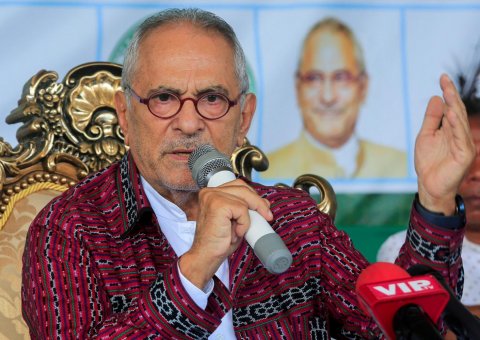
» Timor-Leste will be made a full member of the Association of Southeast Asian Nations (Asean) on Oct 26. President José Ramos-Horta of Timor-Leste often joked that joining Asean was more difficult than going to heaven. Not anymore.
Thailand's bid to join Organisation for Economic Cooperation and Development by 2030
Oped, Kavi Chongkittavorn, Published on 06/05/2025
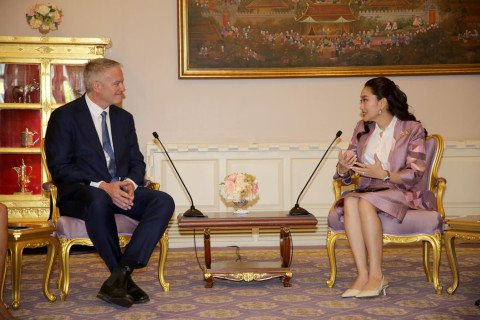
» After months of uncertainty over Thailand's intentions, it is now official that the Paetongtarn Shinawatra administration has set an ambitious goal for the country to become a member of the Organisation for Economic Cooperation and Development (OECD) by 2030.

Thailand-South Korea dual narratives
Oped, Kavi Chongkittavorn, Published on 03/12/2024
» Thailand-South Korea relations are paradoxical. The countries share a dynamic that boasts both heroic achievements and glaring challenges. While their cultural and economic ties have progressed over the decades, they are black-eyed by labour and immigration issues. Solving these irritating issues can elevate friendship and unleash the potential of bilateral cooperation.

Thai-Korea ties: From K-pop to policy
Oped, Kavi Chongkittavorn, Published on 06/08/2024
» Thai singer Lalisa "Lisa" Manobal, a member of the phenomenal yet now defunct Blackpink, epitomises the modern Thai-South Korean relationship thanks to her popularity and global appeal.

Can Thai passports' power get a lift?
Oped, Kavi Chongkittavorn, Published on 19/09/2023
» At the first cabinet meeting last week, Prime Minister Srettha Thavisin announced one of the government's priorities -- improving the power of Thai passports. It is a headline goal that will require extraordinary efforts to achieve. Upgrading a national passport to a higher level involves numerous factors -- economic, socio-cultural, and political -- as well as the general optics of the partnership countries. After all, the large number of visitors to a country is not an indicator of how powerful its passport is. A country might be given more visa-free accessibility and be popular for foreign passports, but its own passport's power can still be low.
In the South, it takes three to tango
News, Kavi Chongkittavorn, Published on 13/10/2020
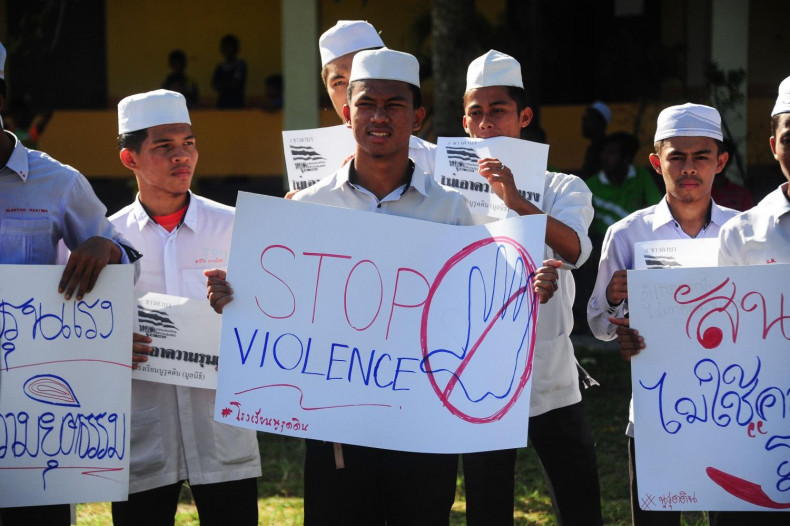
» After a pause brought about by the Covid-19 pandemic and unexpected circumstances, some positive signals are coming from the Peace Dialogue Panel, the Thai negotiating team, that the stalled peace process in the country's deep South is moving forward once again. This time, all concerned parties are hoping that dialogue will bridge the divide and forge a common roadmap that will bring an immediate end to the violence and lay firm foundations for peaceful coexistence, greater autonomy and mutual respect for religious beliefs, identities and cultural heritage.
Thailand must rethink its quarantine
Oped, Kavi Chongkittavorn, Published on 11/08/2020
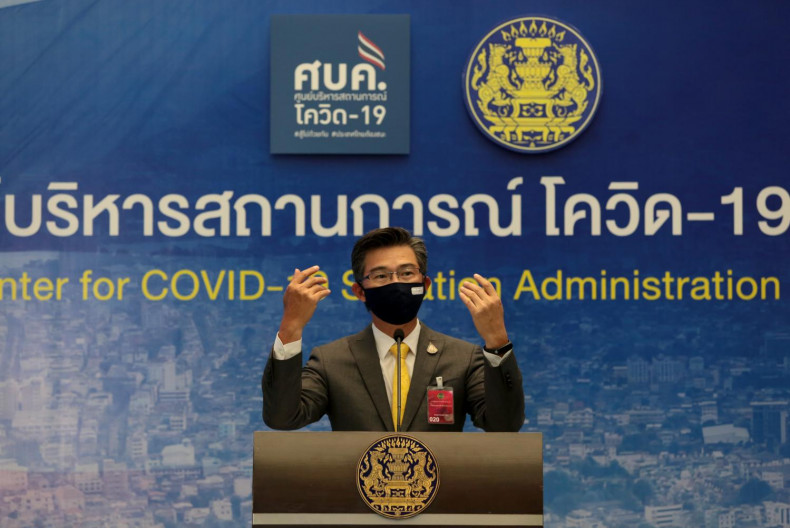
» Thailand's future might well be in danger if the government does not take urgent action to recalibrate its anti-pandemic policies. All the excellent measures the concerned authorities, as well as the public, have taken in mitigating the coronavirus over the past six months could easily turn against them. Thailand could emerge from Covid-19 with more disgruntled Thais including those who were repatriated. Worse, there will likely be additional unhappy foreign countries including their diplomats and citizens who have encountered discriminatory actions, some of which have gone against the Vienna Convention on Diplomatic Relations.
Watershed Thai media moment?
News, Kavi Chongkittavorn, Published on 28/04/2020
» A sea change in media-government relations stemming from the daily press briefings on the Covid-19 situation has been one huge side effect of the pandemic. Apart from wearing face masks and social distancing, is this the new normal for Thai media?
Kudos to Thai Covid-19 fighters
News, Kavi Chongkittavorn, Published on 21/04/2020
» In the 99 days since Covid-19 hit Thailand, the Prayut Chan-o-cha government has adjusted its handling of the pandemic. For the first 58 days, Gen Prayut continued to behave like a busboy in a local restaurant, trying to do everything from welcoming guests to serving food and cleaning tables.
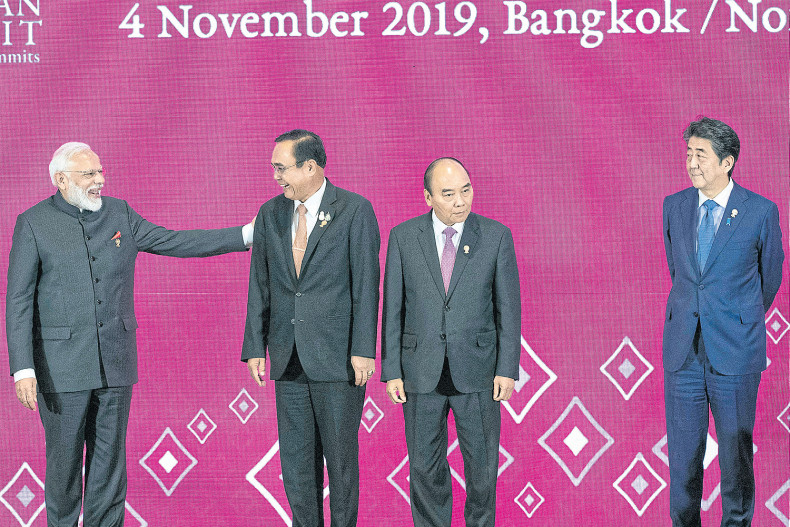
Asean must not give up on India ... yet
News, Kavi Chongkittavorn, Published on 10/12/2019
» Japanese Prime Minister Shinzo Abe is flying to New Delhi next week to meet up with Indian Prime Minister Narendra Modi. His mission is to convince India to take up the Regional Comprehensive Economic Partnership (RCEP), for which negotiations were last month completed in Bangkok after seven years. In the wee hours before the official announcement on Nov 4, Mr Modi told Thai Prime Minister Prayut Chan-o-cha that he would personally like very much to sign the pact but India was not yet ready, reiterating that further consultations were still required at home at this crucial juncture. The Asean chair, Thailand, accommodated India's request.