



Showing 1 - 6 of 6

Anutin 2 govt's foreign policy outlook
News, Kavi Chongkittavorn, Published on 17/02/2026
» To say that diplomacy under the upcoming Anutin 2 government will differ significantly from its first, short-lived period in power would be an exaggeration. However, one thing is clear: following the electoral landslide, the new cabinet will be rock solid. A government with such stability will exert a strong influence on Thai foreign policy.
Indonesia leads Asean with Brics entry
Oped, Kavi Chongkittavorn, Published on 14/01/2025
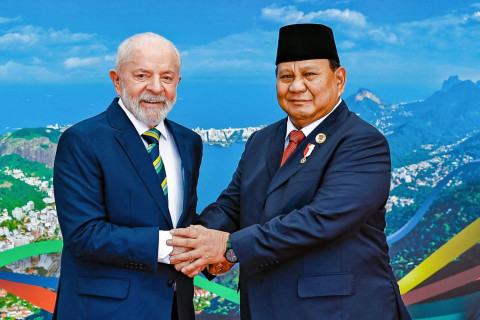
» Indonesia has scooped Malaysia, Vietnam, and Thailand to become the first Asean country to join the Brics bloc of developing economies as a full member. Brazil, the new Brics rotational chair, announced Indonesia's admission was timely with strategic significance.

7 moves to shape 'Future Ready Asean'
Oped, Kavi Chongkittavorn, Published on 15/10/2024
» Seven takeaways from the Vientiane summit will lay the groundwork for boosting the incoming Asean chair's profile and deliverability. These impetuses mean Malaysian Prime Minister Anwar Ibrahim will have his work cut out in heralding a new era of "Future Ready Asean".
G20-2023: What is India's agenda?
Oped, Kavi Chongkittavorn, Published on 06/12/2022
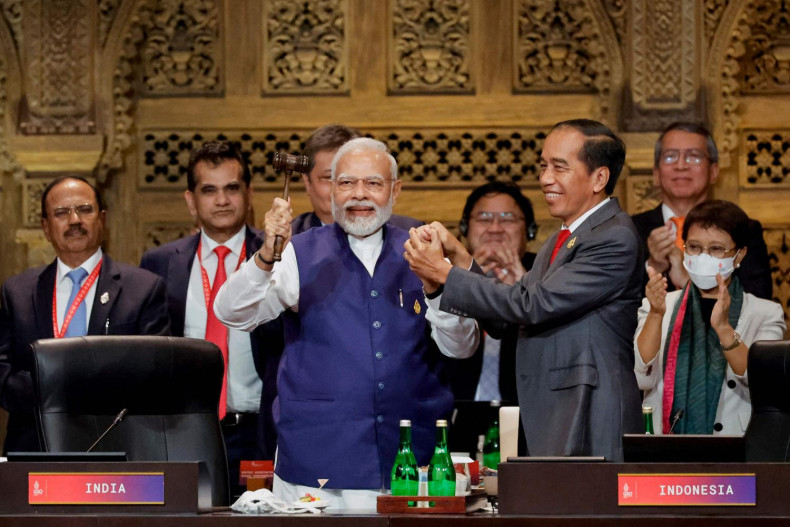
» The success of the G20 in Bali has turned President Widodo Joko into a global leader for overcoming divisions regarding the war in Ukraine. The G20 leaders' declaration was issued, surprising everyone. Behind the scenes, however, kudos went to India which helped draft the communique. Now, India, as the current G20 chair, will be out right in the front row with all eyes watching. What will India's agenda be? What is India up to?
'New Pakistan' faces big challenges
News, Kavi Chongkittavorn, Published on 21/08/2018
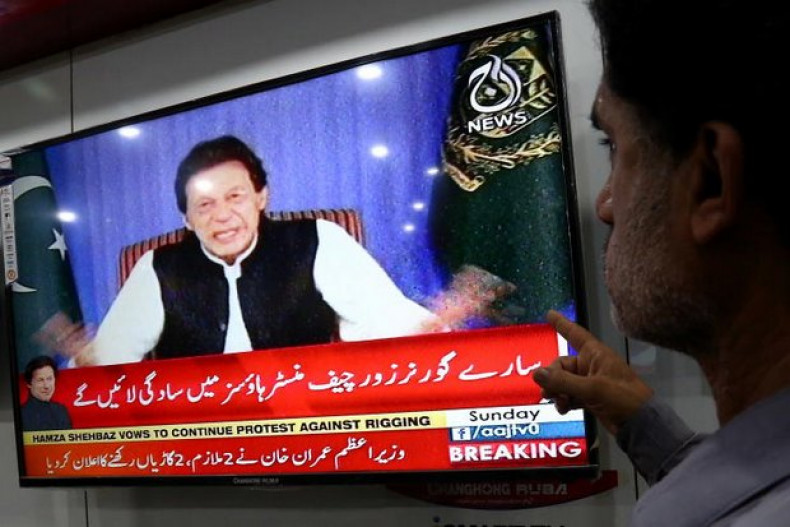
» Pakistan's newly sworn-in Prime Minister Imran Khan has a once-in-a-lifetime opportunity to make his country's presence felt both regionally and globally.
Lessons from Thai votes on Jerusalem
News, Kavi Chongkittavorn, Published on 02/01/2018
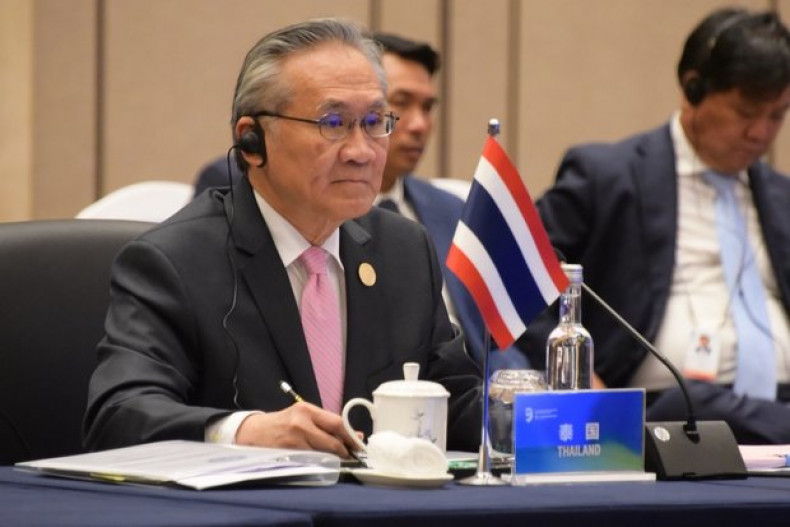
» Thailand made a historic decision on 21 Dec to join 127 other United Nations member states in rejecting the US decision to recognise Jerusalem as Israel's capital. In the past, when push came to shove in a major diplomatic decision, Bangkok would normally duck the issue by practising "fence-sitting" to protect its perceived national interests.