



Showing 1 - 10 of 15
Thailand's responses to Board of Peace
Oped, Kavi Chongkittavorn, Published on 27/01/2026
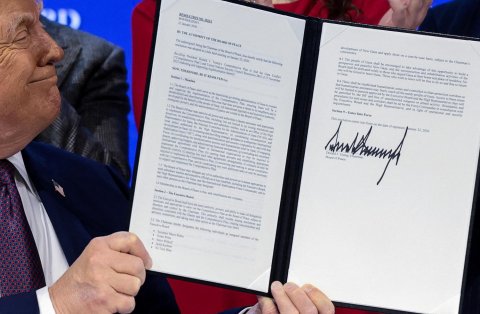
» US President Donald Trump's invitation to Thailand to join the Board of Peace (BOP) has elicited three distinct responses. The first two are succinct and clear in their rationale. The third, however, is more nuanced -- and notable for its ambivalence.
Vietnam steps up as a regional leader
Oped, Kavi Chongkittavorn, Published on 19/08/2025
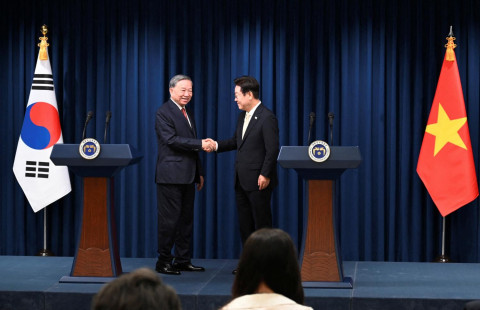
» Vietnam wisely chose South Korea to showcase a new strategic-economic partnership in the region, focusing on growing trade, investment, and diplomatic cooperation. As the first country to dispatch a top leader to meet newly elected President Lee Jae-myung, the Hanoi government sends a clear signal to both Northeast and Southeast Asia that South Korea and Vietnam are emerging together as a driving force of regional connectivity and economic growth.
Is Asean now a new 'balancing wheel'?
Oped, Kavi Chongkittavorn, Published on 15/07/2025
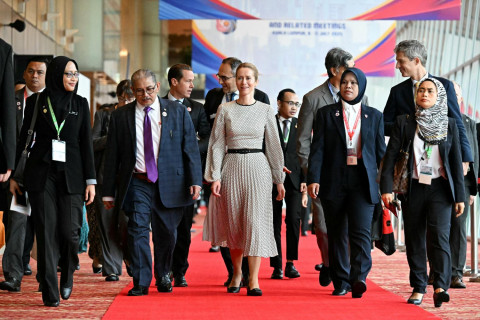
» Last week's Asean Foreign Ministers' Meeting reflects its continued relevance in an increasingly unstable world. Amid US unilateralism and US President Donald Trump's tariff nationalism, Asean has reasserted itself as a balancing wheel -- a stabilising force on which its dialogue partners can still depend.

What joining OECD means to Thailand
Oped, Kavi Chongkittavorn, Published on 02/04/2024
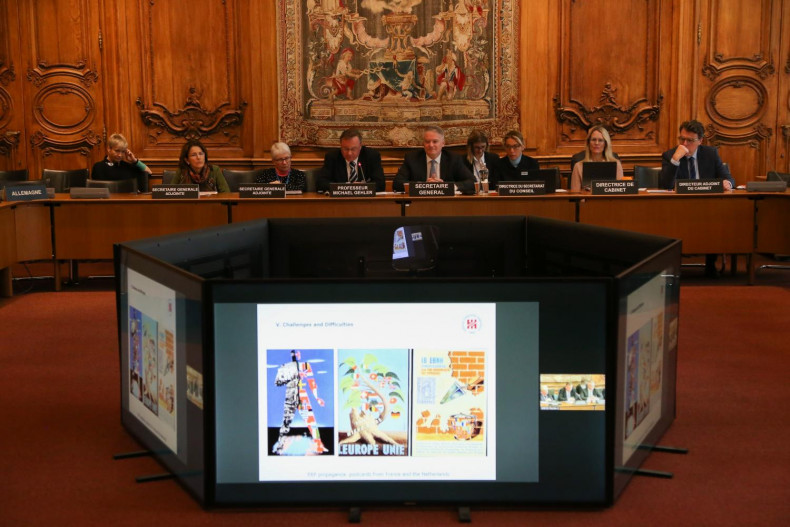
» Thailand's bid to become a member of the OECD (Organisation for Economic Co-operation and Development) could be extremely challenging owing to the ever-changing geopolitical landscape, particularly in the Indo-Pacific region. Since the release of the OECD's Indo-Pacific Strategic Framework last year, the Paris-based intergovernmental organisation has been doubling its efforts to woo more members from the region. Both the region's No.1 and No.2 economies, Indonesia and Thailand, are high on the list.
Thailand again bids for UNHRC seat
Oped, Kavi Chongkittavorn, Published on 12/03/2024
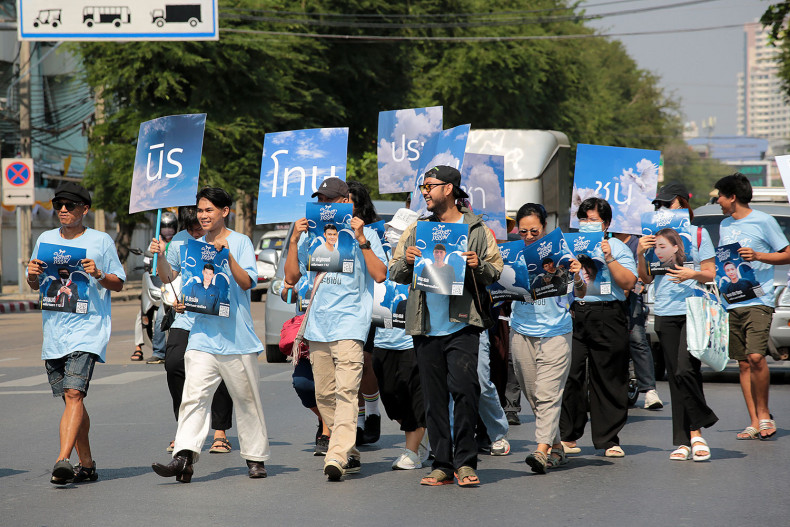
» The human rights condition in Thailand is paradoxical. A liberal mindset does not regard the country as a democracy. Instead, it sees it as one lacking in freedom of expression and constantly violating the rights of its own citizens.
Thailand's 2043 security outlook
Oped, Kavi Chongkittavorn, Published on 20/02/2024
» Under an increasingly polarised world underlined by the strategic competition between global superpowers -- along with their friends and alliances, it is not surprising that Thailand views the global security landscape with trepidation. Such a trend is a litmus test for middle and smaller power nations to navigate their security policies and engagements. They do not have many choices; nevertheless, these small and medium-sized countries can either align themselves with the most prominent powers or lesser ones that can protect their national interests, or they can get together and use their combined strength to deter the hegemonic ambition of outside powers. Staying alone and pursuing one's pathway without supporting partners is not an option.
Key steps of Thailand's bid to join OECD
Oped, Kavi Chongkittavorn, Published on 16/01/2024
» Thailand finally submitted a letter of intent to the Organization of Economic and Cooperation Development (OECD), fulfilling a long ambition to become a strong market-based economy that is more globally competitive.

First look at new Thai diplomatic tactics
Oped, Kavi Chongkittavorn, Published on 10/10/2023
» In deciphering the 1,288-word Thai foreign policy statement announced last week, it is important to start at the very end. The last paragraph of "Thailand's Challenges: How to Thrive in Rising Geopolitical Uncertainty", put forward by Deputy Prime Minister and Foreign Minister Parnpree Bahiddha-Nukara, was particularly revealing. He said succinctly that Thai diplomatic platforms must complement the government's domestic policies to improve people's standard of living and create job opportunities in order to get the country back in the global economic and political arena with dignity. In addition, it must enable the Thai business sector to grow and prosper domestically and internationally to increase confidence in Thailand.

Boosting Thai-US ties in an age of crisis
Oped, Kavi Chongkittavorn, Published on 31/05/2022
» The Thailand-US alliance is still alive and well but in order to move forward, both sides have to ramp up dialogues, sharpen their focus and enhance their cooperation. That was the conclusion from the nine hours of discussions from May 9-10 in Washington between their senior foreign affairs and defence officials.
Asean must not give up on India ... yet
News, Kavi Chongkittavorn, Published on 10/12/2019
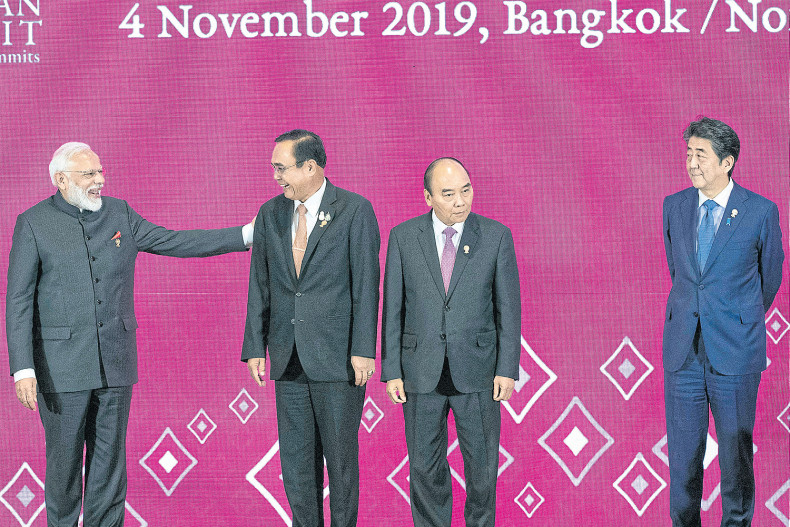
» Japanese Prime Minister Shinzo Abe is flying to New Delhi next week to meet up with Indian Prime Minister Narendra Modi. His mission is to convince India to take up the Regional Comprehensive Economic Partnership (RCEP), for which negotiations were last month completed in Bangkok after seven years. In the wee hours before the official announcement on Nov 4, Mr Modi told Thai Prime Minister Prayut Chan-o-cha that he would personally like very much to sign the pact but India was not yet ready, reiterating that further consultations were still required at home at this crucial juncture. The Asean chair, Thailand, accommodated India's request.