



Showing 1 - 10 of 41
Can alliances with the US be replaced?
Oped, Kavi Chongkittavorn, Published on 07/04/2026
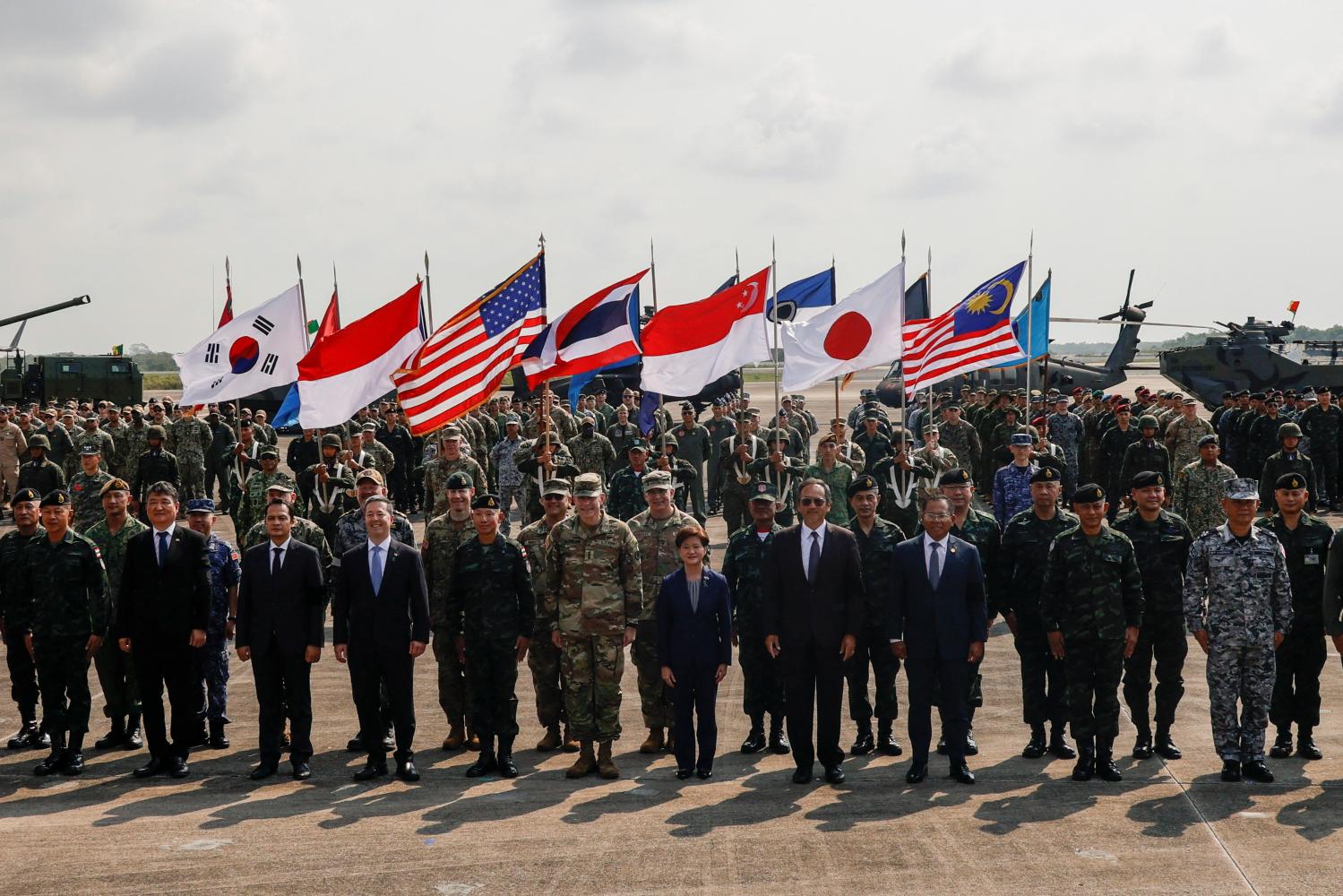
» The increasingly loud debate over the future of alliances -- after reports that the US could scale back or even withdraw from Nato -- is nerve-racking. It has caused alarm across Europe and in Southeast Asia, another node of the US alliance network. Even without any official decision, remarks by US President Donald Trump on social media were enough to shake already fragile US alliances. The question now frequently asked by Thai policymakers is: What comes next if alliances weaken?
Fighting cybercrime needs bolder action
Oped, Kavi Chongkittavorn, Published on 02/12/2025
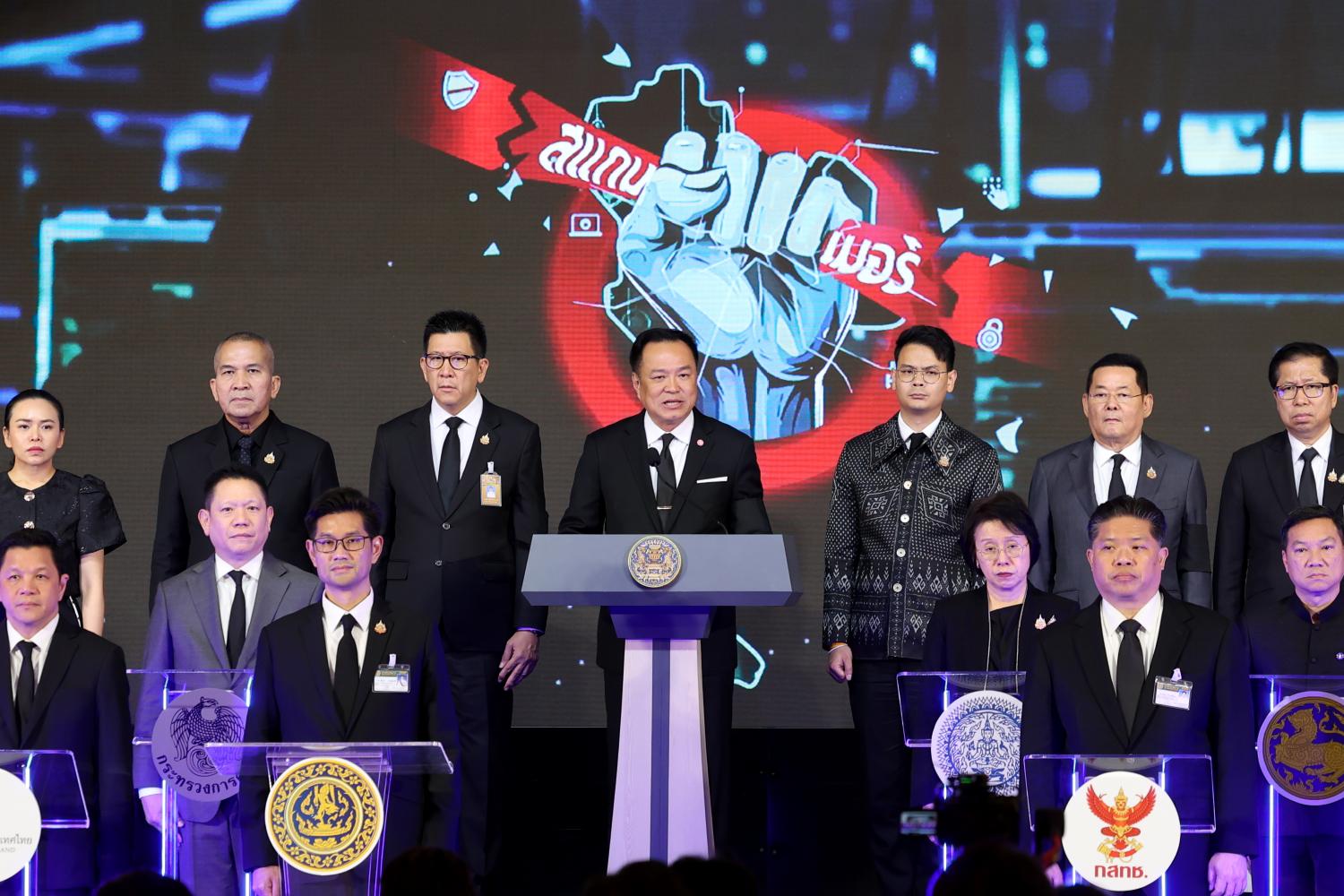
» Much has been said about the scourge of online scams and cybercrime.
Thailand–Japan ties at a crossroads
News, Kavi Chongkittavorn, Published on 18/11/2025
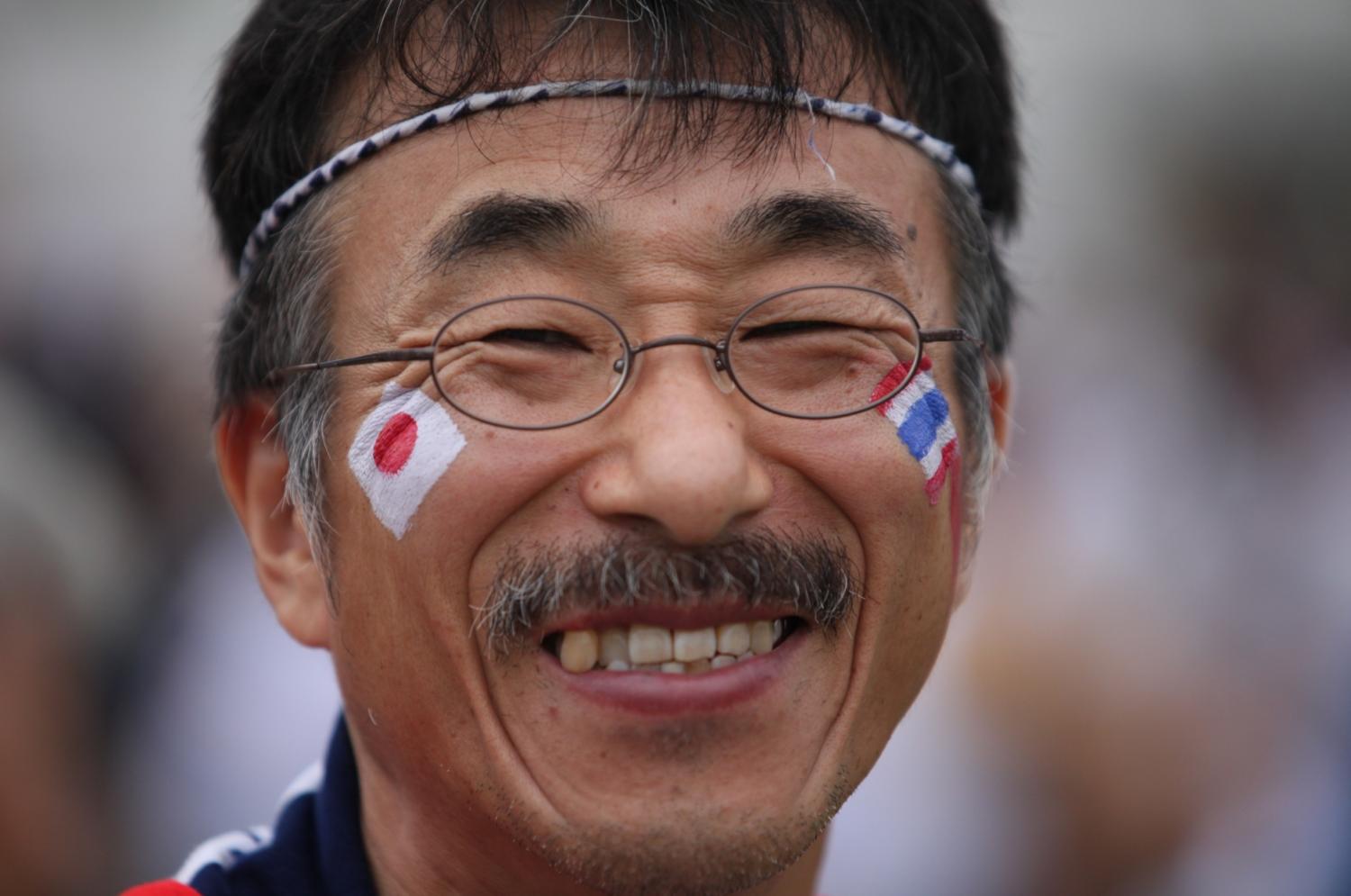
» For the past four decades, Thailand-Japan ties have been smooth as silk, reflecting the Japanese concept of ishin denshin, an idiom that describes communication without words. That idiom reflects a very good relationship, a deep mutual understanding between the two parties.

Sino-Thai ties: Kinship and complexity
Oped, Kavi Chongkittavorn, Published on 01/07/2025
» Today marks two significant milestones. Firstly, Thailand and China are commemorating a golden jubilee -- the 50th anniversary of their diplomatic relations. Countless personalities and factors have contributed to the strengthening and continued relevance of Zhong Tai yi jia qin -- China and Thailand are one family. Looking back, this family has been tested through trial and error. The notion of "one family" also holds special meaning, as the slogan has been frequently cited by the two countries' leaders as the foundation of their bilateral relations.

Time to clean up Thailand's borders
Oped, Kavi Chongkittavorn, Published on 18/02/2025
» Thailand's recent decision to cut electricity and other fuel to Myanmar has had far-reaching ramifications along the Thai-Myanmar and Thai-Cambodian borders. Indeed, it will also impact geopolitics in the region and beyond.

Thai-Korea ties: From K-pop to policy
Oped, Kavi Chongkittavorn, Published on 06/08/2024
» Thai singer Lalisa "Lisa" Manobal, a member of the phenomenal yet now defunct Blackpink, epitomises the modern Thai-South Korean relationship thanks to her popularity and global appeal.

Asean juggles triangular power game
Oped, Kavi Chongkittavorn, Published on 09/04/2024
» A rising China, a trusted Japan, and a declining America are three cogs dictating the global geopolitical landscape in Southeast Asia in the months, if not years, to come. Amidst intensifying geopolitics, Asean is in a position where this could either be a blessing or a curse.

Myanmar eyes return to Asean fold
Oped, Kavi Chongkittavorn, Published on 13/02/2024
» To understand the current game plan of Myanmar's military regime, it is perhaps a good time to remind ourselves of the letter written by former Cambodian Prime Minister Hun Sen to Senior General Min Aung Hlaing on Aug 19, 2022. The rather blunt personal letter urged the junta leader to implement the Five-Point Consensus (5PC), saying that if he fails to do so, his Asean colleagues might ban Myanmar from all meetings and recognise the National Unity Government (NUG). In short, Asean would give the seat to the NUG. The letter angered the general, and Hun Sen's practical advice was ignored, including his call for amnesty for four activists who had been sentenced to death. For the past three years, Myanmar's seat at Asean's high-level meetings has been left vacant. Then, on Feb 29, the seat was occupied temporarily.

Finally, Japan shows diplomatic finesse
Oped, Kavi Chongkittavorn, Published on 31/10/2023
» One quick slash by a katana is all that it takes. That was what Japan did by staying out the recent statement of the Group of Seven (G7) on the Israel-Hamas war, which has already resulted in huge cost to human life. Japan has a soft spot when it comes to civilian casualties and the advent of war. The devastating effects of the atomic bombs are still fresh in the collective memories of the Japanese public.

Can Thai passports' power get a lift?
Oped, Kavi Chongkittavorn, Published on 19/09/2023
» At the first cabinet meeting last week, Prime Minister Srettha Thavisin announced one of the government's priorities -- improving the power of Thai passports. It is a headline goal that will require extraordinary efforts to achieve. Upgrading a national passport to a higher level involves numerous factors -- economic, socio-cultural, and political -- as well as the general optics of the partnership countries. After all, the large number of visitors to a country is not an indicator of how powerful its passport is. A country might be given more visa-free accessibility and be popular for foreign passports, but its own passport's power can still be low.