



Showing 1 - 8 of 8
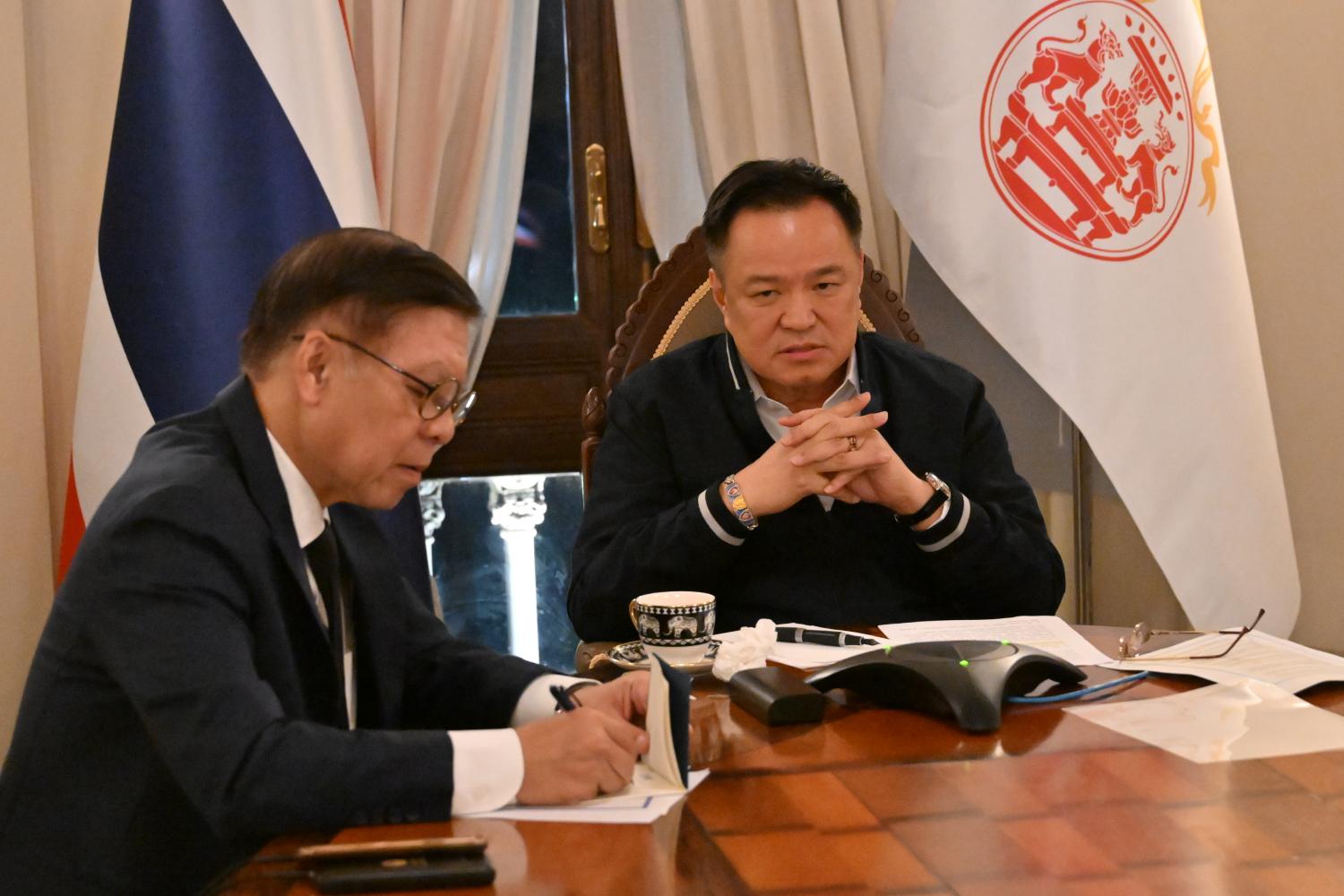
Anutin 2 govt's foreign policy outlook
News, Kavi Chongkittavorn, Published on 17/02/2026
» To say that diplomacy under the upcoming Anutin 2 government will differ significantly from its first, short-lived period in power would be an exaggeration. However, one thing is clear: following the electoral landslide, the new cabinet will be rock solid. A government with such stability will exert a strong influence on Thai foreign policy.

Safeguarding peace after border conflict
News, Kavi Chongkittavorn, Published on 06/01/2026
» 2026 began with good news: Thai–Cambodian ties showed signs of improvement following the release of 18 Cambodian soldiers on the final day of 2025. The fighting has stopped, but the wounds have left deep scars that are highly visible and difficult to heal. Worse, public trust across the border remains low, while anguished emotions remain high.

Border disputes need trust, not turmoil
Oped, Kavi Chongkittavorn, Published on 25/02/2025
» Two issues must be immediately tackled to avoid future conflict between Thailand and Cambodia.

Myanmar crisis hits 'fatigue' level
Oped, Kavi Chongkittavorn, Published on 16/07/2024
» Nearly three and a half years since the military coup in February 2021, the crisis in Myanmar shows no signs of resolution. The internecine war between the military junta, known as the State Administration Council (SAC), and the various ethnic armed organisations (EAOs) continues unabated, with no endgame in sight.

New Thai-Malaysia economic dynamics
Oped, Kavi Chongkittavorn, Published on 14/02/2023
» Without any diplomatic pleasantries, Prime Minister Prayut Chan-o-cha kicked off bilateral talks last week with his Malaysian counterpart, Prime Minister Anwar Ibrahim, by stating clearly that Thai-Malaysian ties have not been progressing very well. The opening remarks drew a big smile from Mr Anwar as a sign of appreciation. It immediately set the tone of his two-day visit.

Asean hardens position on Myanmar
Oped, Kavi Chongkittavorn, Published on 09/08/2022
» The crisis in Myanmar has dominated this year’s Asean annual ministerial meeting in Phnom Penh due to Nay Pyi Taw’s growing intransigence as well as frustration among the bloc’s key members.

Asean: Where US, China can reconcile?
Oped, Kavi Chongkittavorn, Published on 14/06/2022
» Southeast Asia is unenviably the region to which the major powers, be they the US, China, the European Union, India, Russia, Australia or Japan, are according to the highest priority at this juncture. All of these countries are on the same page as far as Asean is concerned. An Asean that is stable, peaceful, and focused on regional economic integration would be beneficial to the international community. This trend is in reverse in other parts of the world.

Lessons from Thai votes on Jerusalem
News, Kavi Chongkittavorn, Published on 02/01/2018
» Thailand made a historic decision on 21 Dec to join 127 other United Nations member states in rejecting the US decision to recognise Jerusalem as Israel's capital. In the past, when push came to shove in a major diplomatic decision, Bangkok would normally duck the issue by practising "fence-sitting" to protect its perceived national interests.