



Showing 1 - 10 of 13
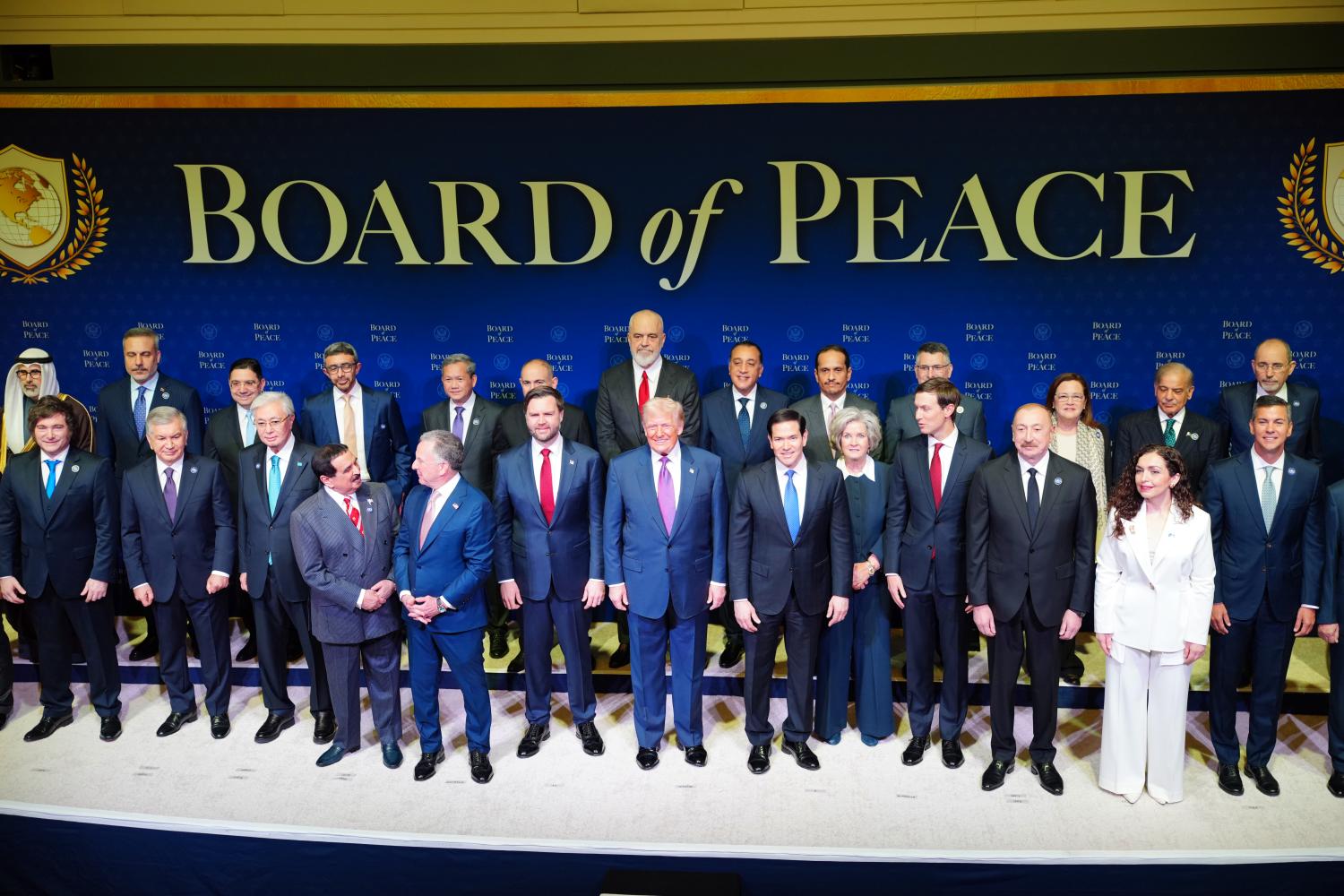
The fuss about Thailand and Trump's Board of Peace
Oped, Kavi Chongkittavorn, Published on 24/02/2026
» Thai media were perplexed by the appearance of the Thai flag in the background at the inaugural meeting of the Board of Peace (BOP) in Washington, DC last Thursday. After all, Thailand is not a BOP member. In a swift response, the Ministry of Foreign Affairs said the country was attending as an observer.

Thailand to navigate a shifting world
Oped, Kavi Chongkittavorn, Published on 29/04/2025
» The Thai negotiating delegation's failure to meet with their American counterparts last week in Washington, DC, confirmed that Thailand is a low-priority country for the US. That should be a wake-up call for the Paetongtarn government -- the relationship between Thailand and the US is no longer what it used to be.

US looks to deepen Asean partnership
Oped, Kavi Chongkittavorn, Published on 08/10/2024
» Annual meetings between Asean leaders and major powers from both the West and East have made Asean an important strategic partner. The upcoming Asean-related summits in Vientiane this week are no different. After the pandemic, Asean has become more prominent, though sometimes passive, in the region. By not fully taking sides in the East-West divide, Asean keeps its influence and room to handle the complex global security issues.

Thumb ups for 'new era' Asean-US ties
Oped, Kavi Chongkittavorn, Published on 17/05/2022
» From now on, Asean-US relations will no longer be on "auto-pilot" mode as has been the case for the past six years. The total scheduled 10-and-a-half hours of quality time last week that Asean leaders spent in Washington DC chatting, lunching and dining with all key players in American politics were fruitful. The eight-page joint vision statement was a testimony to their common determination and the staying power of Asean-US relations, now celebrating 45 years. Indeed, Asean centrality has been further strengthened.

'Sceptical' Asean vis-a-vis 'maverick' US
Oped, Kavi Chongkittavorn, Published on 10/05/2022
» The timing and venue of the upcoming special summit between Asean and US leaders later this week are extraordinary. However, the ways in which the unusual strategic circumstances and tensions could further shape the trajectory of Asean-US relations remain to be seen. With the new schedule of the May 12-13 summit in Washington DC and the fresh developments on the ground at home and abroad, the summit will be conducted in a very cautious manner to prevent any spill-over effects or unintended consequences. Indeed, there is a high level of scepticism among the Asean members as to what the US has up its sleeve. The American gung-ho rhetoric has been quite worrisome.

Asean-US to meet amid great challenges
Oped, Kavi Chongkittavorn, Published on 19/04/2022
» After more than six months of negotiations, the US and Asean have finally agreed that their leaders will meet in Washington DC on May 12-13. This kind of tussle could have been avoided had there been better coordination from the US side.

Asean heads gear for summit with Biden
Oped, Kavi Chongkittavorn, Published on 08/03/2022
» Can Asean and the US forge a "more united than ever" relationship for the future?

New pragmatism on the rise in Asean
Oped, Kavi Chongkittavorn, Published on 22/02/2022
» While the Myanmar quagmire will continue to dominate Asean's agenda under Cambodia and future chairs, one must not forget that the current chair must also deal with a myriad of challenges across all sectors of the grouping's ongoing cooperation. The much-awaited foreign ministerial retreat last Thursday has once again shown that Asean remains a closely knit, pragmatic family.

Asean 101: 12 facts for ‘President' Biden
Oped, Kavi Chongkittavorn, Published on 24/11/2020
» 1. First and foremost, Asean is one less problem for the US globally because it is peaceful and prosperous. Supporting Asean means strengthening both US cooperation and its profile in Southeast Asia. Former Asean secretary-general Surin Pitsuwan often told his American colleagues including former US State Secretary Hillary Clinton when she first visited the Asean Secretariat in April 2012 that Asean is a big asset for the US.

East Asian leadership rises in Bangkok
News, Kavi Chongkittavorn, Published on 05/11/2019
» The 35th Asean-related summits, which ended on Monday, saw the region's leaders display their magnanimity through collective leadership and common commitments for a stronger and more prosperous East Asia. The absence of US President Donald Trump was a blessing in disguise, since it meant the global media had to focus on the substance of their talks. These days, East Asian leaders are bolder and more willing to work together despite their domestic constraints and the longstanding bilateral disputes among them.