



Showing 1 - 10 of 13

Introducing the new cybercrime treaty
News, Vitit Muntarbhorn, Published on 27/09/2025
» Next month, a key Asean nation will host a raft of countries for the signing ceremony for a new cybercrime treaty. Its full (and rather wordy) title is: the "United Nations Convention against Cybercrime; Strengthening International Cooperation for Combating Certain Crimes Committed by Means of Information and Communications Technology Systems and for the Sharing of Evidence in Electronic Form of Serious Crimes".

Anti-torture push needs serious review
News, Vitit Muntarbhorn, Published on 06/01/2025
» Back in 2007, the government agreed to be a party to the Convention against Torture and Other Cruel, Inhuman or Degrading Treatment or Punishment, otherwise known as the "CAT".

Thailand has human rights role to play
News, Vitit Muntarbhorn, Published on 04/11/2024
» The recent election of Thailand to the UN Human Rights Council (HRC) is, in a sense, a cause for elation. Yet it also comes with the responsibility of proving to the global/local community that the country can set an example for good practices and propel the HRC to take effective action on key matters based on international standards. This is daunting in a world of multi-and-mini polarities and poly-crises.

Our UN obligations on disappearances
News, Vitit Muntarbhorn, Published on 15/07/2024
» Enforced disappearance is the technical term for a heinous crime whereby a person or persons are deprived of their liberty, such as detention in an unknown place ("incommunicado"). This is accompanied by a cover-up by the state.

Ratify enforced disappearance pact now
News, Vitit Muntarbhorn, Published on 14/08/2023
» As of last year, according to UN figures, there were nearly 80 unresolved cases of enforced disappearances in Thailand. Considering the country now has a law in place against enforced disappearances, in force since earlier in the year, how should we prevent and remedy these crimes?

Some good news for freedom of speech
Oped, Vitit Muntarbhorn, Published on 13/05/2023
» The World Press Freedom Day, concurrently May 3, was celebrated recently with a panel discussion at the Foreign Correspondents' Club of Thailand, which provided a fresh opportunity to catch up with news, especially on Thailand. It was also an occasion to reflect on international developments concerning the shrinking space for the free flow of information ("info-inhibition") in various settings.
Ukraine, the UN and the ties that bind
News, Vitit Muntarbhorn, Published on 21/01/2023
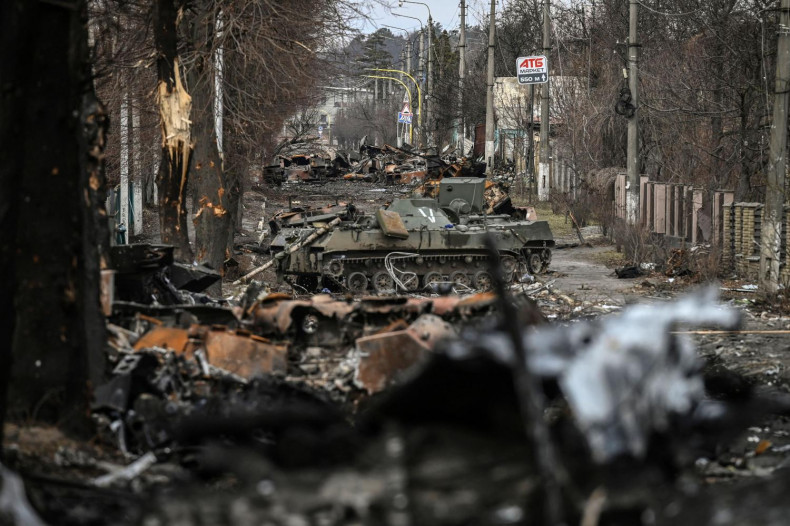
» The United Nations (UN) represents the pinnacle of the post-Second World War system. But just how effective is it today in the face of the crisis facing Ukraine, triggered by its next door neighbour Russia?
Gateways for action on Myanmar crisis
Oped, Vitit Muntarbhorn, Published on 11/01/2023
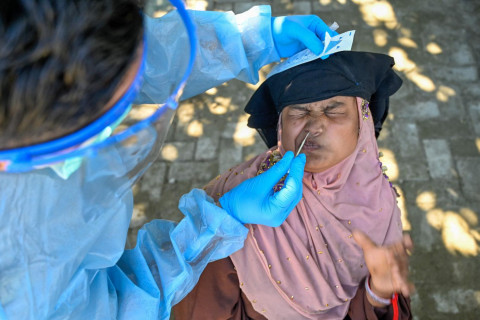
» The coup in Myanmar in 2021 brought back to power a junta-based regime and compounded grave violations, adding fuel to a recurrent crisis. A constructive gateway for action in December 2022 was thus the adoption of the UN Security Council (SC) Resolution 2669, the first substantive resolution highlighting urgently needed measures on the issue.

Free vs hate speech as world changes
News, Vitit Muntarbhorn, Published on 28/12/2022
» While the Asia-Pacific region is home to a wealth of constructive traditions and practices, it is also confronted with the conundrum of how to protect freedom of expression at the same time as tackling hate speech which is rampant today. A morass of laws of a prohibitive and inhibitive kind are emerging, entrenching censorship and self-censorship, especially in the face of more authoritarian trends, rather than a broader range of actions to respect a diversity of opinions and to counter incitement to hatred.
UN review shows human rights flaws
Oped, Vitit Muntarbhorn, Published on 17/11/2021
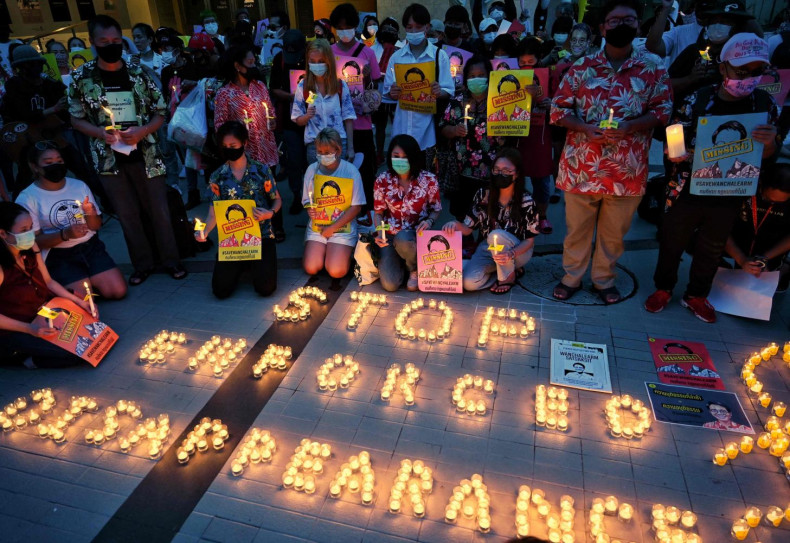
» The international human rights system consists primarily of two parts: international human rights treaties to which countries are invited to become parties on the basis of their consent, and the UN's own jurisdiction, through the UN Human Rights Council, covering all countries even if they do not consent to the coverage. The Universal Periodic Review (UPR) belongs to the latter part of the system and Thailand's recent appearance before this process on Nov 10, in public and online, was eye-opening.