



Showing 1 - 10 of 18
Legal hurdles after same-sex marriage
Oped, Vitit Muntarbhorn, Published on 06/11/2025
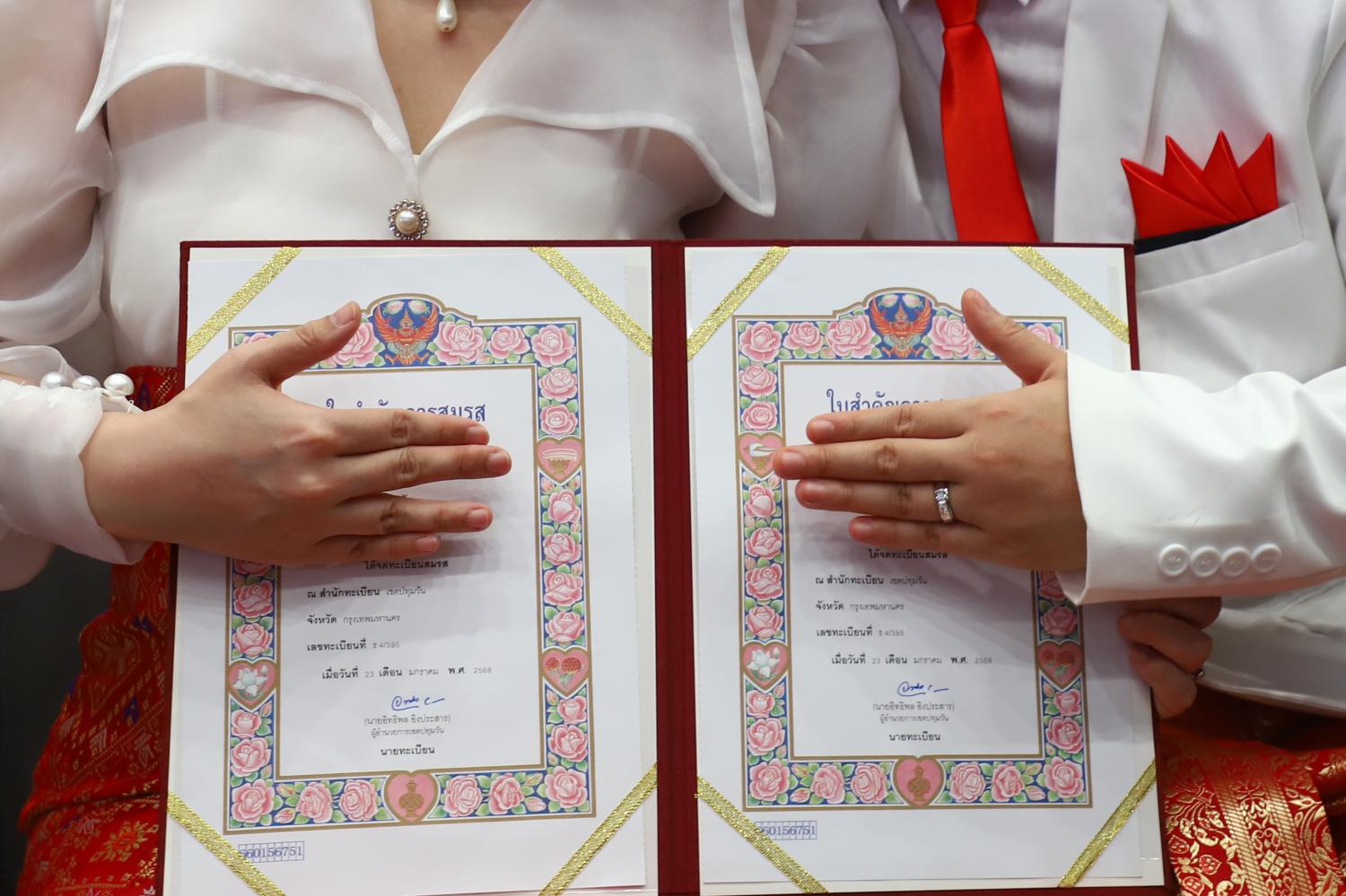
» With the great news of the same-sex marriage law in Thailand comes another question -- how to facilitate the lives of couples, especially when one of them is not a Thai national. Two lingering and nagging issues concern the acquisition of nationality and the channels for adopting a child.
Sustaining healthcare in volatile times
Oped, Vitit Muntarbhorn, Published on 18/08/2025
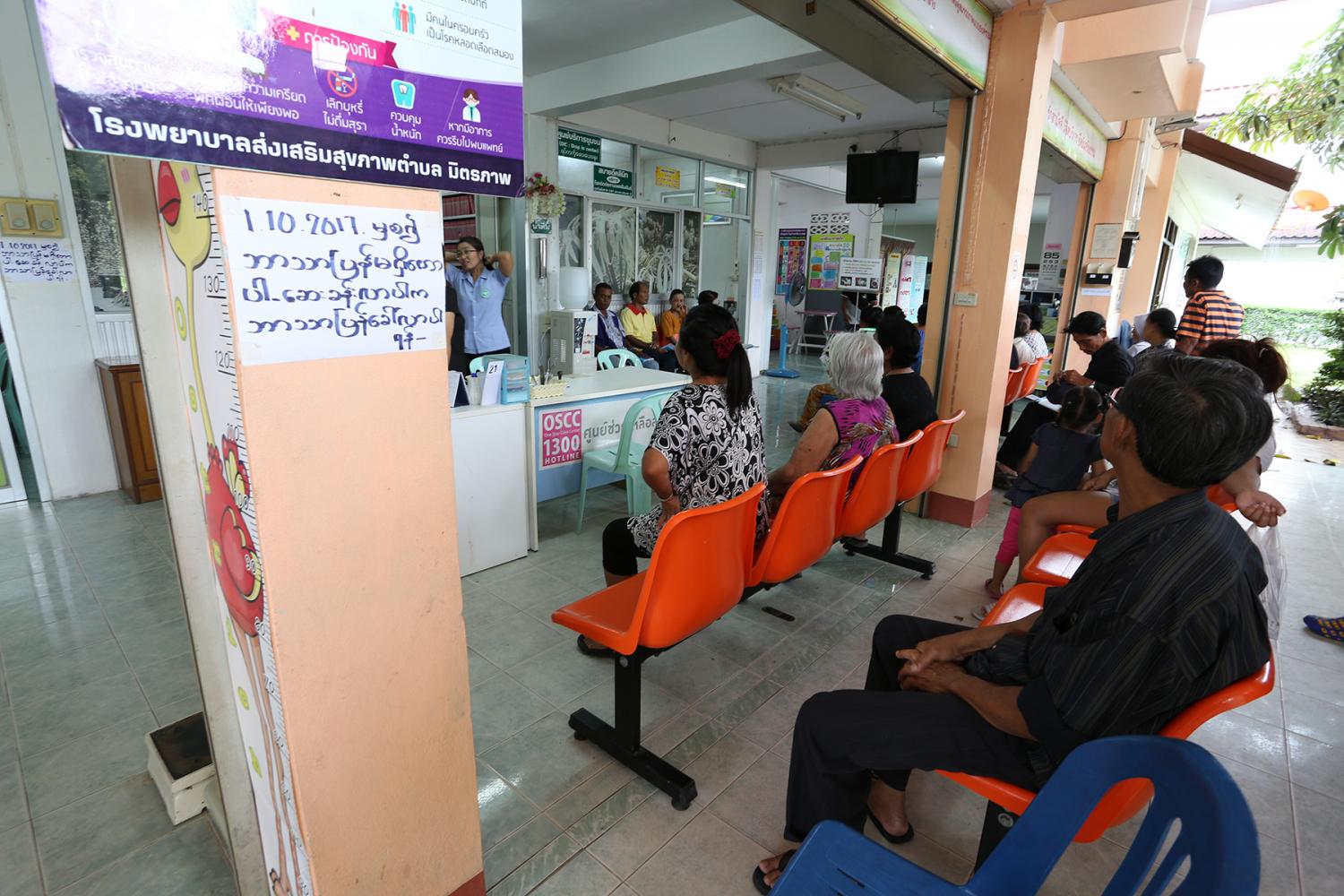
» Health care is pivotal for human well-being. Yet in today's precarious world, it is pressured by diminishing resources, demographic variables, warfare and violence, and environmental degradation. Sustaining health care thus requires insightful planning and implementation, no less for Thailand and the Association of Southeast Asian Nations (Asean) regions.

Should non-medicinal weed be legal?
Oped, Vitit Muntarbhorn, Published on 09/06/2025
» The issue of narcotics is not only a law enforcement and medical issue. It is also a historical, political and economic issue. A recurrent dilemma is whether personal, non-medical use of "weed" or cannabis (which is generally seen as a softer drug, when compared with harder drugs such as methamphetamine), should be legal. Thailand is still in the quest for a balanced answer, and this is shaped by political and economic ambivalence.

Bridge-building for ethnic concerns
Oped, Vitit Muntarbhorn, Published on 08/05/2025
» Recent months have witnessed intense negotiations in Thailand's parliament concerning the proposed new law on the protection and promotion of the livelihood of ethnic groups. Can the various gaps be truly bridged?

Thailand's interface with new FTAs
News, Vitit Muntarbhorn, Published on 21/12/2023
» The power of data in the expanding panorama of digital trade is becoming an essential component of commercial relations, especially recent free trade areas (FTAs). As Thailand is now exploring new agreements on its western flank (such as with South Asia, Gulf countries and Europe) and on its eastern flank (such as with Pacific rim countries, interlinking with the Indian Ocean), what are some of the stakes deserving careful reflection?

Building a rights protection framework
Oped, Vitit Muntarbhorn, Published on 10/11/2023
» The Asia-Pacific region is a vast conglomeration of large and small countries with a wealth of inter-generational wisdom. Yet, the region does not have a regional inter-governmental human rights protection system. What, then, are some possibilities for the future?

Rights under threat from emerging tech
News, Vitit Muntarbhorn, Published on 16/11/2022
» A key challenge facing human rights globally today is the advent of emerging technologies that mutate rapidly and potentially beyond human control. The UN Human Rights Council in Geneva has thus singled out for special study during the next couple of years four areas of concern: autonomous weaponry, neurotechnology, cyberbullying, and green technology (inevitably linked with climate change). What are the prospects for enjoying the fruits of such technologies and pre-empting their negative implications?

A new direction for UN in Thailand?
Oped, Vitit Muntarbhorn, Published on 13/07/2022
» Thailand is proudly a hub for United Nations (UN) agencies and programmes, and this adds weight to its leverage in international relations. Inevitably, the UN presence has to address key issues of sustainable development, human rights, democracy and peace. A key question is thus whether a viable balance is being struck between national practices and international aspirations.

Protecting rights of kids who protest
Oped, Vitit Muntarbhorn, Published on 06/10/2021
» One of the most disturbing issues in Thai society today is the number of children (under 18 years of age) who have been arrested and prosecuted for participating in political demonstrations. The most obvious incidents are the protests at Din Daeng intersection during the past few months. Do children have the right to participate, especially from the angle of freedom of expression and freedom of peaceful assembly, and what are the parameters?

A multi-track strategy for North Korea
Oped, Vitit Muntarbhorn, Published on 01/09/2021
» North Korea or the Democratic People's Republic of Korea (DPRK) has been a conundrum for the international community for over half a century. Cloistered and undemocratic, the power base keeps a tight rein over its population with heavy surveillance and pervasive constraints. The latest news that recently it restarted to activate its nuclear facility at Yongbyon is most disturbing, as the United Nations Security Council (UNSC) has already imposed sanctions on the country to end its nuclearisation. Is there any strategy to deal with the country in an engaging manner?