



Showing 1 - 10 of 11
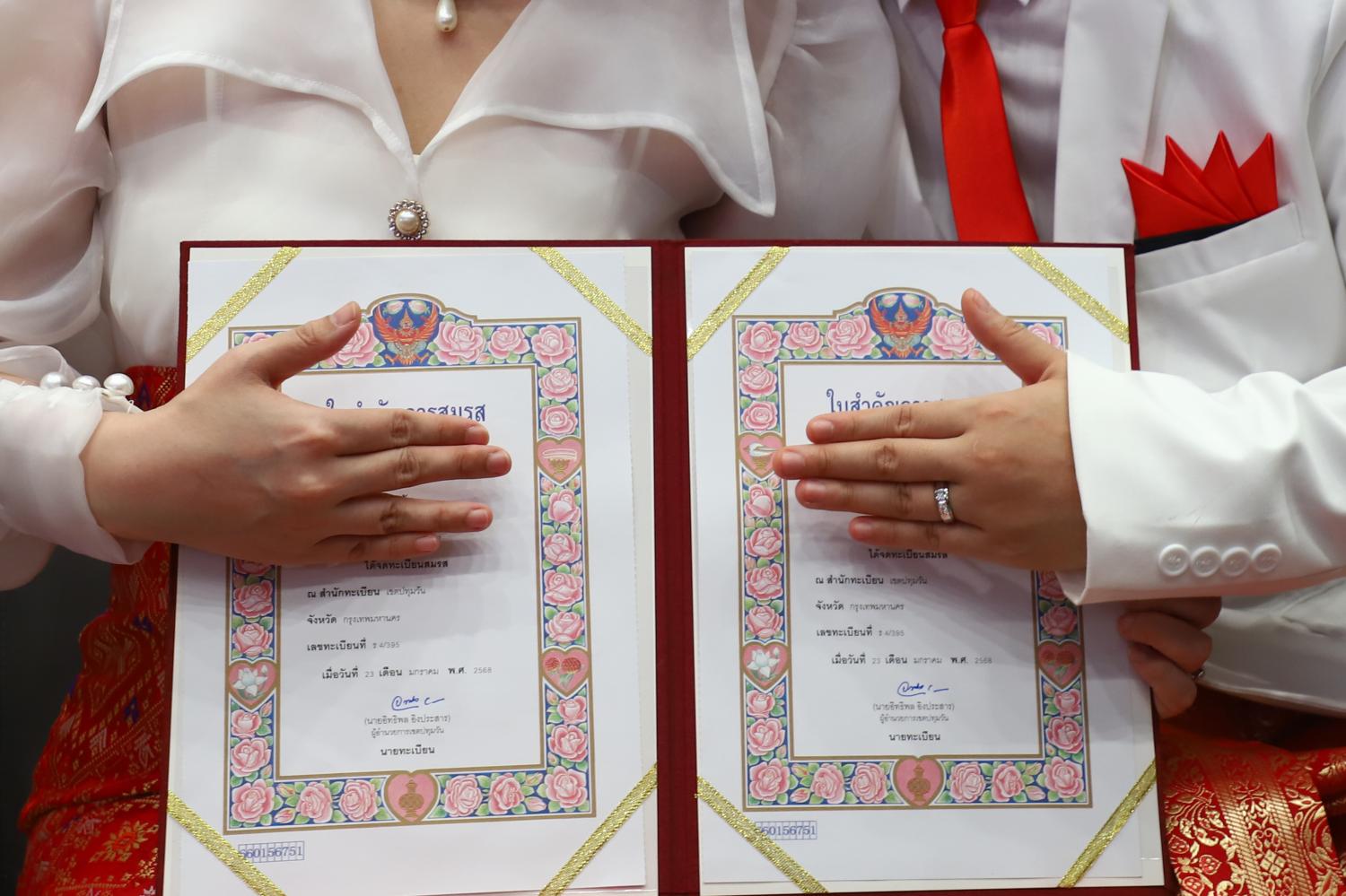
Is being born as an LGBTI person a medical issue?
Oped, Vitit Muntarbhorn, Published on 30/06/2025
» June is a propitious time to remember the history of lesbian, gay, transgender and intersex (LGBTI) people and their struggles to overcome discrimination and violence. One of the difficulties confronting them throughout the ages has been how the medical sector and related science view them, and how they should be treated by medical classifications. What is the situation today both locally and globally?

Should non-medicinal weed be legal?
Oped, Vitit Muntarbhorn, Published on 09/06/2025
» The issue of narcotics is not only a law enforcement and medical issue. It is also a historical, political and economic issue. A recurrent dilemma is whether personal, non-medical use of "weed" or cannabis (which is generally seen as a softer drug, when compared with harder drugs such as methamphetamine), should be legal. Thailand is still in the quest for a balanced answer, and this is shaped by political and economic ambivalence.

Shifting from tolerance to real inclusion
Oped, Vitit Muntarbhorn, Published on 23/05/2025
» On the occasion of the International Day against Homophobia, Biphobia, and Transphobia on May 17, UN human rights experts recently called for countries to work with LGBTI communities and not to police them. This was an apt message that has to resonate at the national and local levels, especially when the world is witnessing regression in regard to policies on diversity, equity, and inclusion.

Reimagining human rights and China?
News, Vitit Muntarbhorn, Published on 23/09/2024
» Should human rights be reimagined, especially in the context of China? From one angle, the answer is obvious. Plenty of norms are already agreed upon globally without the need for reimagination, and China is part of that universality. Yet given the situation on the ground level and the evolving nature of human rights, there might be room for some innovative reimagination, and this deserves balanced reflection.

Multilateralism in a fractured world
News, Vitit Muntarbhorn, Published on 06/06/2024
» Multilateralism lies at the heart of international relations as an enabler of states to converge in an ever-changing world. It is closely linked with the United Nations (UN), setting in motion a rules-based system, embracing international peace and security anchored on international law.
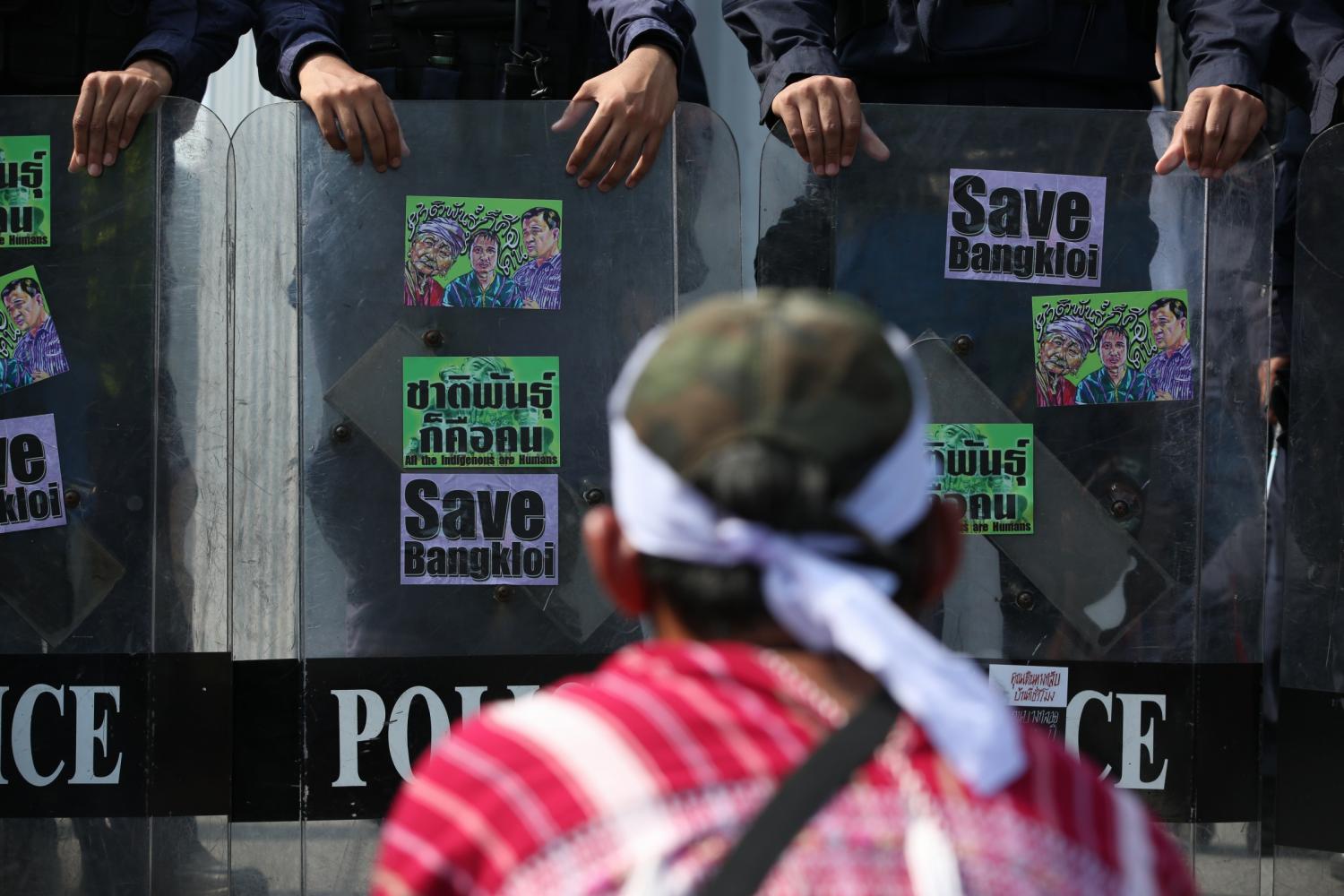
Between rule of law and law of rule(r)s
Oped, Vitit Muntarbhorn, Published on 14/12/2022
» The term "rule of law" has a resonant ring which sounds both familiar and distant. It seems familiar because it is employed frequently by lawyers to analyse the makings of a legal system. Yet, it is distant because it sounds "legalese", harbouring both the thin version and the thick version of its intrinsic self. The thin version covers various legal safeguards for litigants and accused persons, such as a fair trial, accompanied by the advocacy of an independent judiciary. The thicker version demands more, namely: adherence to human rights and democracy.
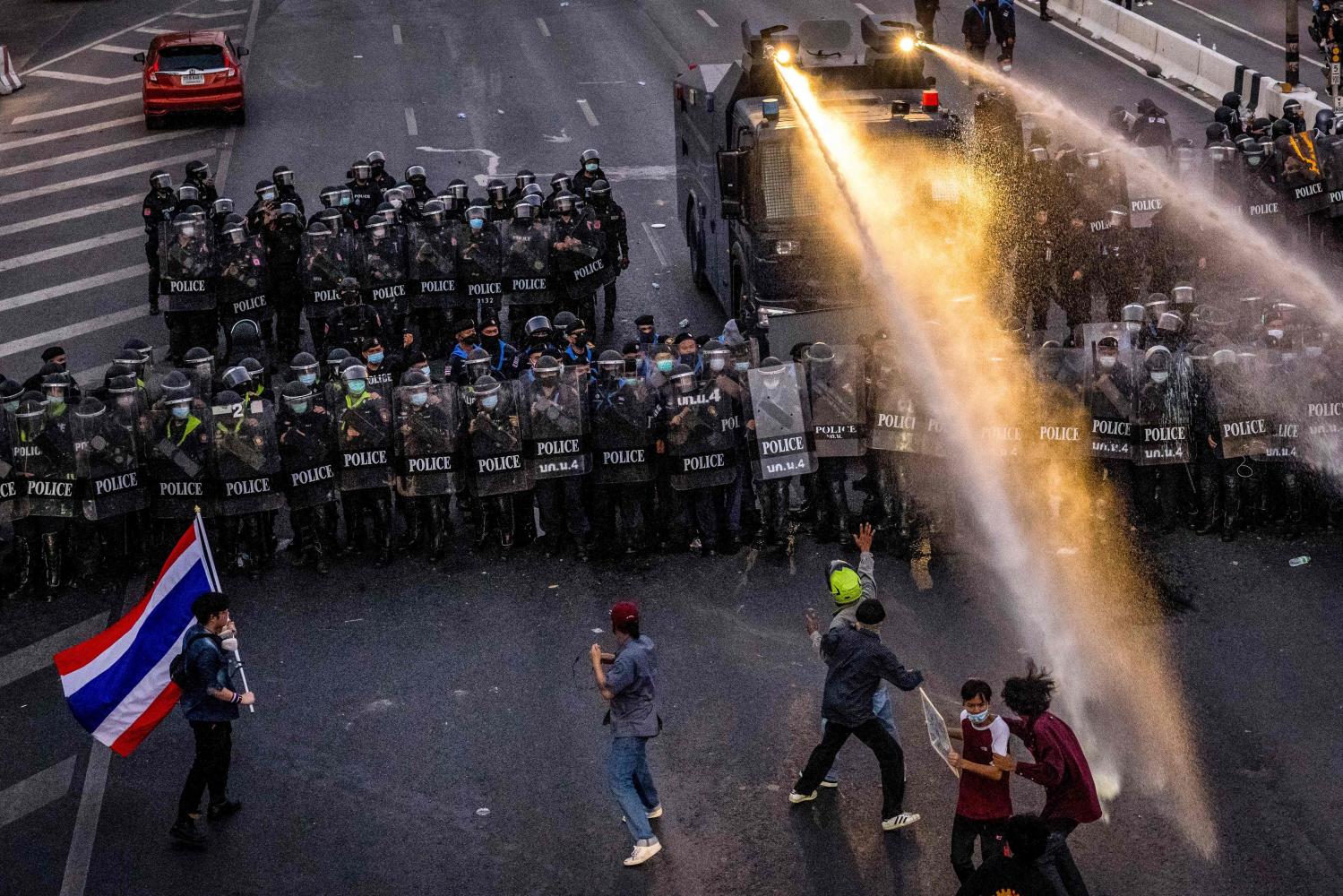
Making room for youth in Thai politics
Oped, Vitit Muntarbhorn, Published on 29/10/2022
» Thailand is heading towards national elections next year, and this is an opportune moment to ask how much room there is for the participation of youth in politics. The record to date has been ambivalent, and much depends on both political and social will to broaden the civic and political space.

A new direction for UN in Thailand?
Oped, Vitit Muntarbhorn, Published on 13/07/2022
» Thailand is proudly a hub for United Nations (UN) agencies and programmes, and this adds weight to its leverage in international relations. Inevitably, the UN presence has to address key issues of sustainable development, human rights, democracy and peace. A key question is thus whether a viable balance is being struck between national practices and international aspirations.

UN General Assembly must assert itself
Oped, Vitit Muntarbhorn, Published on 20/04/2022
» The recent vote in the UN General Assembly (GA) suspending Russia from the UN Human Rights Council (HRC), due to its conduct in Ukraine, in early April 2022 is a rare instance of the GA asserting its powers with binding force. Generally, only the UN Security Council (SC) can adopt measures; these are exemplified by sanctions adopted by the SC periodically against errant states, non-government armed groups and individuals. Is there then room for a more assertive GA, especially when the SC is dysfunctional?
Can Asean deal with international crimes?
News, Vitit Muntarbhorn, Published on 03/09/2018
» The issue of accountability for international crimes has come to the fore poignantly with the report of the UN's Independent International Fact-finding Commission on Myanmar. The Commission finds that there are reasonable grounds to believe that genocide, crimes against humanity and war crimes have been committed in the country, particularly impacting on the Rohingya community in Rakhine state. Significantly, it calls upon Asean to "develop strategies to ensure accountability for perpetrators of crimes under international law, including through sustained engagement with Myanmar and support for an international justice mechanism".