



Showing 1 - 10 of 10

Navigating between global superpowers
News, Vitit Muntarbhorn, Published on 14/02/2026
» Both China and the US issued new national security policies over the past year. At first glance, they seem to diverge markedly, portending a deep rupture in the world order. Yet, they may also bear some similarities in terms of self-interest and self-advancement. Collateral to that, other countries seeking to forge a middle path may wish to navigate a perspicacious route towards global equilibrium.
Labour and the dynamics of change
Oped, Vitit Muntarbhorn, Published on 25/07/2025
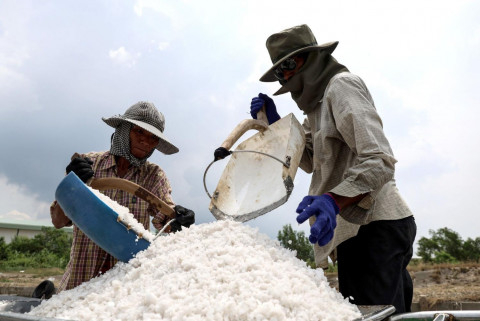
» The fluctuating international context compels countries in this region and beyond to recalibrate their labour laws, policies and practices. This is particularly critical at a time of great demographic changes, such as declining and ageing population in parts of the globe, compromised by a more transactional and conditional world of "quid pro quo". Thailand faces an inflection point on this front, requiring dynamic adjustments.

Should non-medicinal weed be legal?
Oped, Vitit Muntarbhorn, Published on 09/06/2025
» The issue of narcotics is not only a law enforcement and medical issue. It is also a historical, political and economic issue. A recurrent dilemma is whether personal, non-medical use of "weed" or cannabis (which is generally seen as a softer drug, when compared with harder drugs such as methamphetamine), should be legal. Thailand is still in the quest for a balanced answer, and this is shaped by political and economic ambivalence.
Lessons from the Khmer Rouge tribunal
Oped, Vitit Muntarbhorn, Published on 18/02/2023
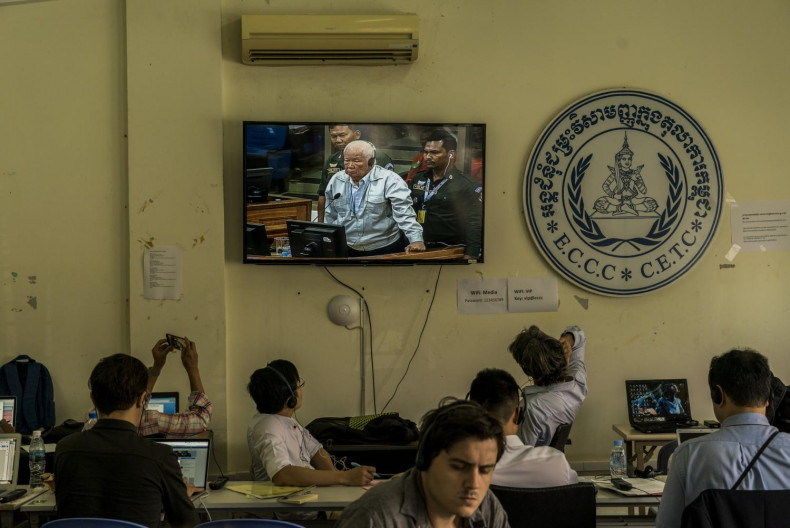
» One of the saddest episodes of Southeast Asian history was the period during the 1970s that witnessed the rule of the Khmer Rouge in Cambodia. The group was driven by a warped ideology, and it perpetrated myriad crimes against the general population. Millions were killed and displaced through a range of atrocities. Decades later, an internationally supported tribunal, the Extraordinary Chambers in the Courts of Cambodia (ECCC), or the Khmer Rouge Tribunal, was set up to prosecute the leaders of the group, and it is now ending its work. What are some of the key lessons the global community can learn from this?
Beating scams, trafficking no easy task
News, Vitit Muntarbhorn, Published on 01/09/2022
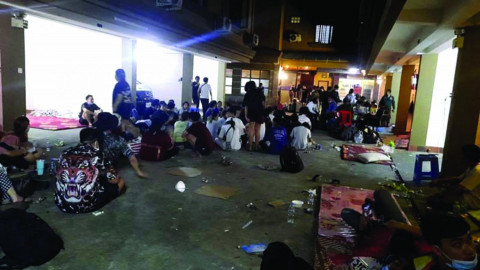
» This region has been in the news in recent weeks in regard to online scams and human trafficking, compounded by other forms of exploitation such as forced labour and forced criminality.
Grappling with human trafficking, forced labour
Oped, Vitit Muntarbhorn, Published on 16/09/2021
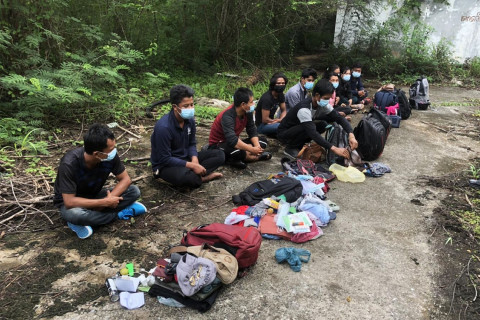
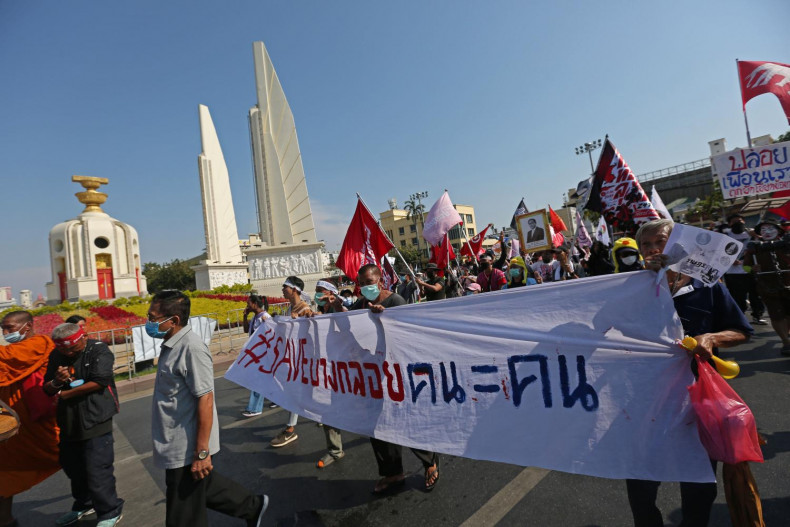
» Thailand's apparent failure to deal with the issue of human trafficking over recent months has resulted in a downgrade of its performance in the 2021 Trafficking in Persons (TIP) annual report, issued by the US in July.
UN SDG goals boost access to justice
News, Vitit Muntarbhorn, Published on 29/03/2021
» How do we counter massive pollution on land, at sea and in the air? How do we ensure justice for human rights defenders who are attacked when defending the environment? How do we promote more inclusion and participation in decision-making processes?
Protecting migrants, refugees in our age of conflict
News, Vitit Muntarbhorn, Published on 07/01/2020
» There are about 270 million international migrants today who cross borders in search of new vistas. Many such as "expatriates" do well. However, many, particularly those who are pushed out of their homes, are caught in a trap of dislocation, dispossession and coercion, often due to armed conflicts, discrimination and violence. The number of forced migrants now stands at about 70 million people globally -- some 30 million who cross borders as "refugees" and some 40 million forced to move in their country of origin as "internally displaced persons".

Challenges to human rights in Asia
News, Vitit Muntarbhorn, Published on 12/12/2019
» Cooperation between Europe and Asia offers much-needed opportunities to strengthen human rights education. The opportunities complement the global impetus to propel human rights education exemplified by various commitments in the recent past, ranging from the United Nations Decade for Human Rights Education to the World Programme for Human Rights Education and the UN Resolution on Human Rights Education and Training.
UN group highlights nexus of duties
News, Vitit Muntarbhorn, Published on 10/04/2018
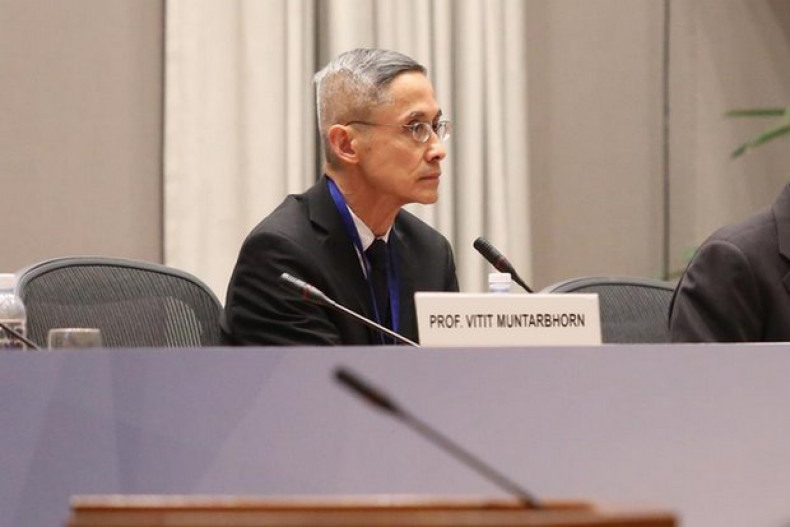
» At the end of their well-received visit to Thailand, the UN Working Group (WG) on Business and Human Rights issued a useful and constructive statement. As with any visit by a human rights body, the WG's findings indicate both a positive side and another side that needs improvement.