



Showing 1 - 9 of 9
Projecting hope for a world in turmoil
Oped, Vitit Muntarbhorn, Published on 10/04/2026
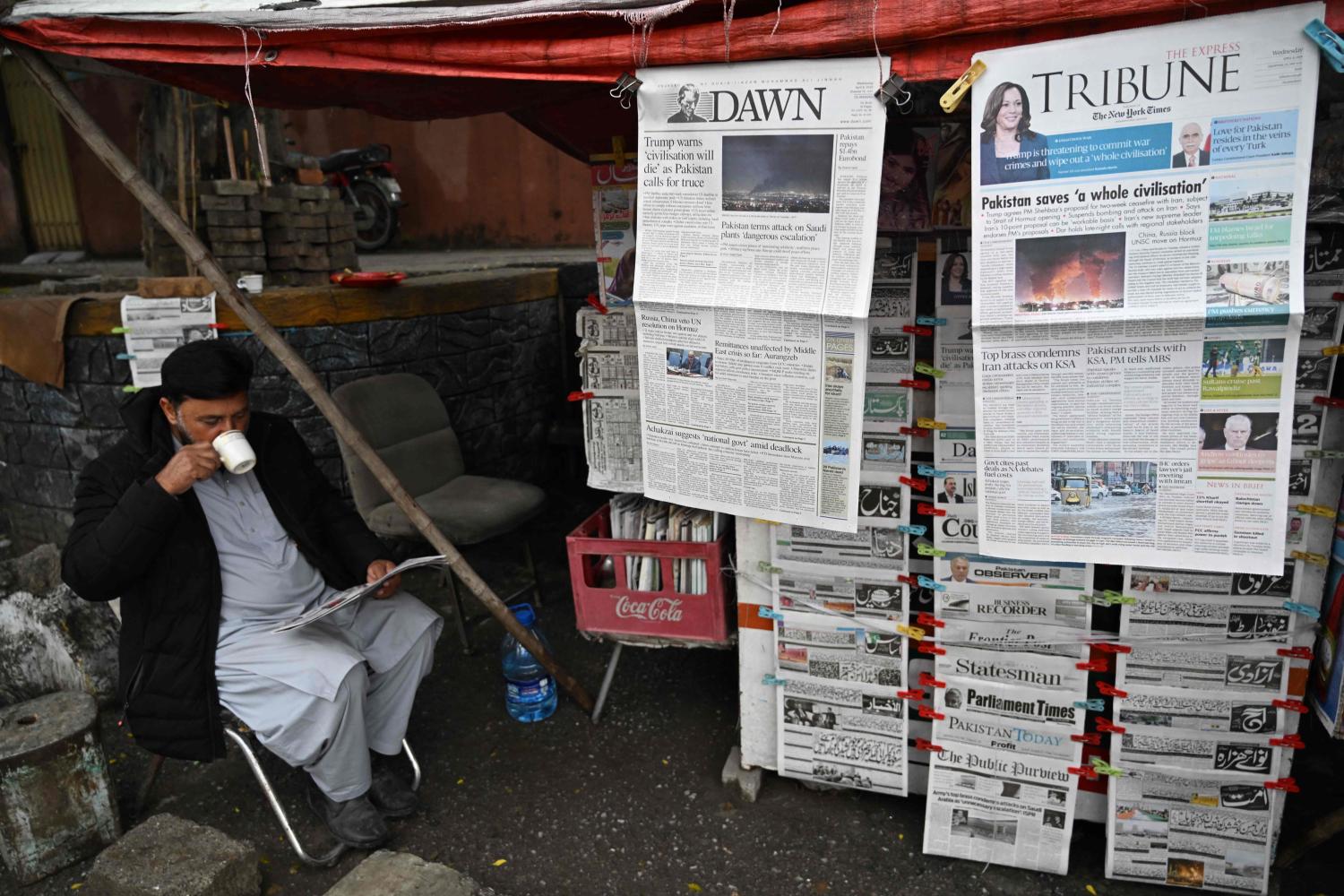
» Today, the world is witnessing the most explosive situation since World War II, all too visible in conflicts such as the Iran war.

Protecting children in the age of AI
Oped, Vitit Muntarbhorn, Published on 01/03/2025
» The age of Artificial Intelligence (AI) is very much here. The term "generative AI" is now commonplace, with the public fascinated with how AI can actively produce content such as written and audio creations. In fact, the world is moving towards Artificial General Intelligence (AGI), whereby robots will be able to match and even outdo human intelligence. Aptly, its relationship with children (under 18 years) invites reflection and precaution.

Labour rights in a mutating world
News, Vitit Muntarbhorn, Published on 02/12/2024
» The world of work is undergoing significant changes amidst risks in a precarious setting. The poly-crisis surrounding the workplace ranges from health risks from global warming and climate change to political constraints and demographic changes with an ageing population in several parts of the world. The challenge is thus to respond with more preparedness in the life cycle of existence, where work is a major contributor to not only human livelihood but also self-esteem, a sense of purpose and a sense of belonging. In particular, the following issues thus deserve greater attention.

Some good news for freedom of speech
Oped, Vitit Muntarbhorn, Published on 13/05/2023
» The World Press Freedom Day, concurrently May 3, was celebrated recently with a panel discussion at the Foreign Correspondents' Club of Thailand, which provided a fresh opportunity to catch up with news, especially on Thailand. It was also an occasion to reflect on international developments concerning the shrinking space for the free flow of information ("info-inhibition") in various settings.

Free vs hate speech as world changes
News, Vitit Muntarbhorn, Published on 28/12/2022
» While the Asia-Pacific region is home to a wealth of constructive traditions and practices, it is also confronted with the conundrum of how to protect freedom of expression at the same time as tackling hate speech which is rampant today. A morass of laws of a prohibitive and inhibitive kind are emerging, entrenching censorship and self-censorship, especially in the face of more authoritarian trends, rather than a broader range of actions to respect a diversity of opinions and to counter incitement to hatred.

Rights under threat from emerging tech
News, Vitit Muntarbhorn, Published on 16/11/2022
» A key challenge facing human rights globally today is the advent of emerging technologies that mutate rapidly and potentially beyond human control. The UN Human Rights Council in Geneva has thus singled out for special study during the next couple of years four areas of concern: autonomous weaponry, neurotechnology, cyberbullying, and green technology (inevitably linked with climate change). What are the prospects for enjoying the fruits of such technologies and pre-empting their negative implications?

Heed the global messages against discrimination
News, Vitit Muntarbhorn, Published on 03/02/2022
» The past couple of months have seen two global developments sending strong messages against discrimination and exclusion. On Jan 13, the UN General Assembly adopted by consensus a key resolution against denial of the Holocaust, advocating stronger action against such a refutation on an international level.
Perils of 'national security' in virus era
News, Vitit Muntarbhorn, Published on 02/06/2020
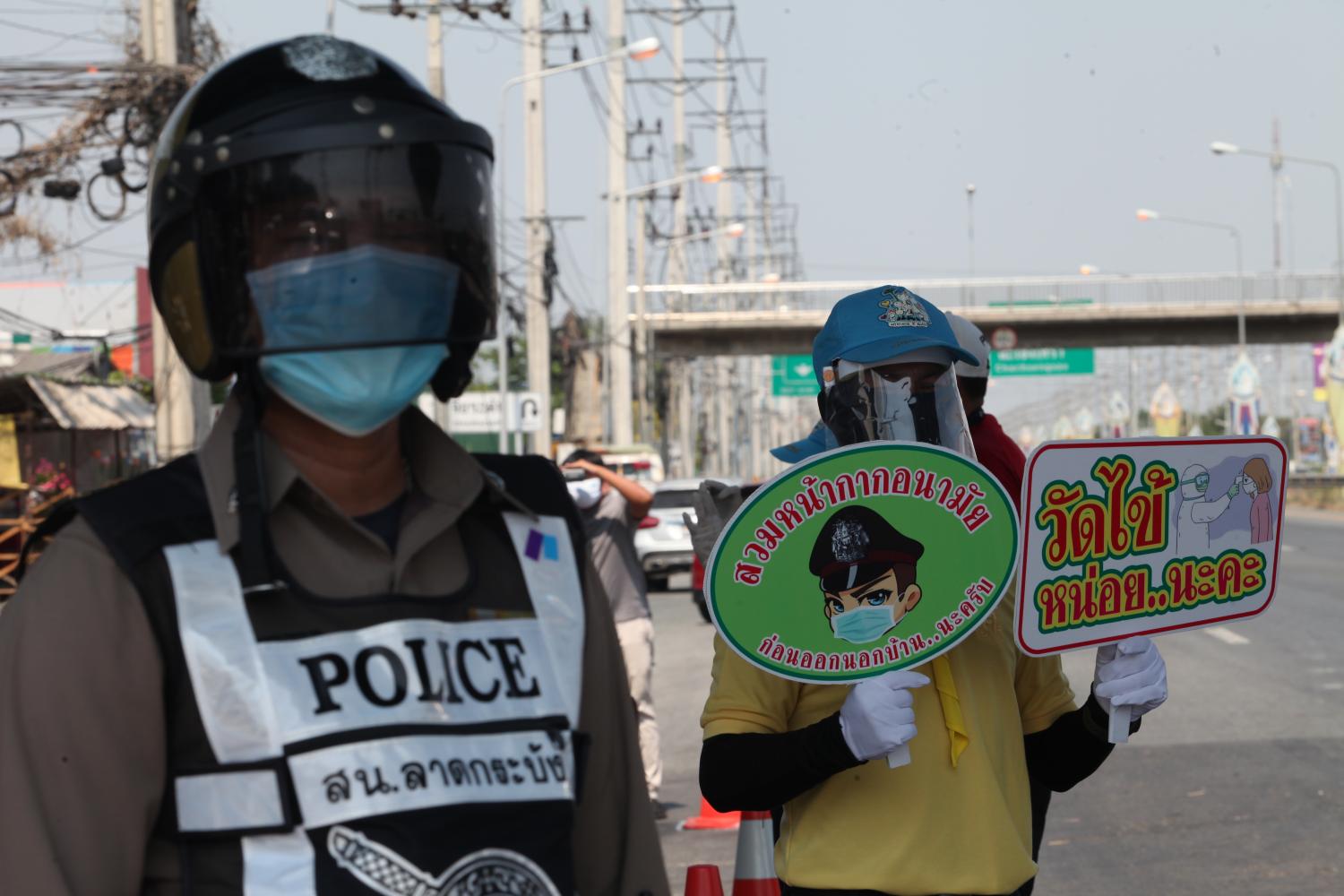
» National security -- coupled with public health -- has been invoked in many countries to justify actions to curb the spread of Covid-19. It has led to a variety of actions, including curfews, lockdown, quarantine and other measures to stem the tide of the novel coronavirus disease. This is, therefore, not only the right time to validate its use, but also to recalibrate its scope and application, in order to ensure and maintain a sense of reasonableness and equilibrium.
Protecting migrants, refugees in our age of conflict
News, Vitit Muntarbhorn, Published on 07/01/2020
» There are about 270 million international migrants today who cross borders in search of new vistas. Many such as "expatriates" do well. However, many, particularly those who are pushed out of their homes, are caught in a trap of dislocation, dispossession and coercion, often due to armed conflicts, discrimination and violence. The number of forced migrants now stands at about 70 million people globally -- some 30 million who cross borders as "refugees" and some 40 million forced to move in their country of origin as "internally displaced persons".