



Showing 1 - 6 of 6

Vitalising pathways for Thai-US ties
News, Vitit Muntarbhorn, Published on 30/08/2025
» Tariffs have certainly been in the news lately, in the face of exponential increases imposed by the US on other parts of the world.
Beware of refugee repatriation scams
Oped, Vitit Muntarbhorn, Published on 13/03/2025
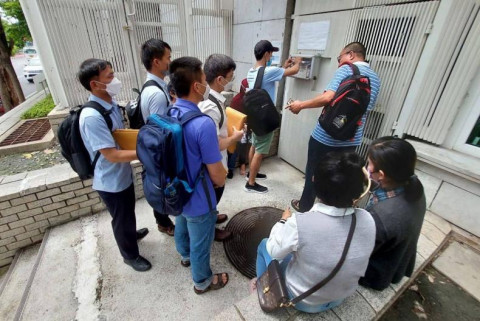
» Please beware that there is a contemporary political malady. Regrettably, there is the disconcerting malpractice whereby those who have been granted refuge or asylum in a neighbouring (or other) country are pushed back or repatriated to the country of origin or areas of danger, without adequate guarantees of safety and dignity.

Refugees flee to find further repression
News, Vitit Muntarbhorn, Published on 17/06/2024
» Transnational repression is emerging as a critical concern for the world community, including the Asean region. Basically, it encompasses actions by state authorities and their agents to intimidate, harass and or harm those deemed to be dissidents -- usually their nationals -- who have sought shelter or are present in other countries.
Overcoming statelessness in Thailand
News, Vitit Muntarbhorn, Published on 05/06/2023
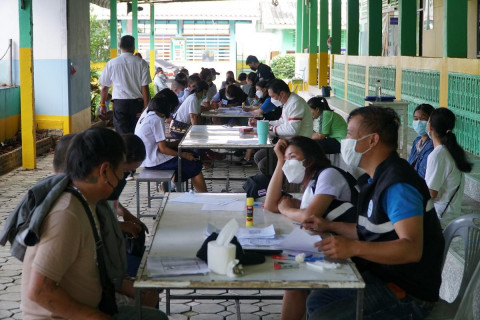
» There are about 500,000 stateless people in Thailand, of whom over 100,000 are children. Recently, various national agencies, supported by UNHCR and Unicef, hosted a national consultation on statelessness. It was a timely opportunity to identify preferred directions.

Halting child trafficking remains tricky
News, Vitit Muntarbhorn, Published on 19/11/2018
» One of the positive developments in Thailand in recent years has been the governmental commitment to eradicate human trafficking. It has been complemented by a spate of court cases against human traffickers, with some evident successes. Yet, there remains a challenging situation, particularly where children are the victims, compounded by the complexity of a transfrontier situation and the opacity of the vested interests behind the sex market.
Universal child rights an absolute must
News, Vitit Muntarbhorn, Published on 25/08/2018
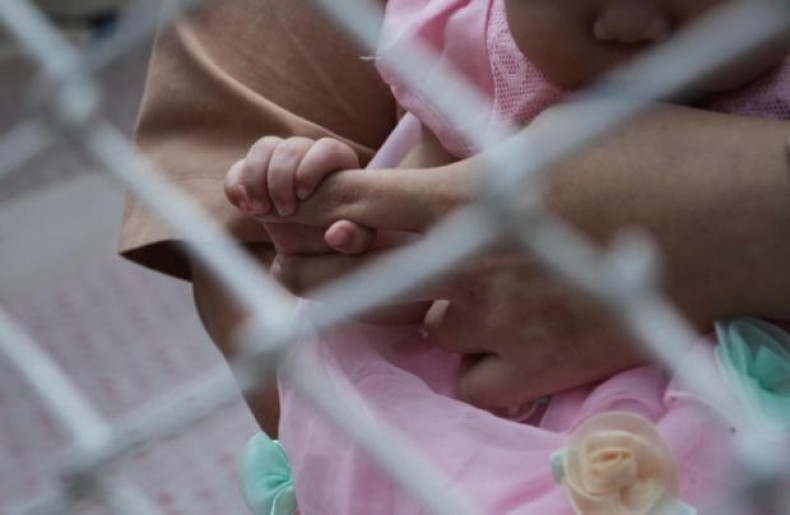
» One of the most distressing issues today is the predicament of children who end up detained in immigration centres, which often leads to psychological harm. Regrettably, immigration laws in many countries are interpreted as criminal law which gives rise to the detention of those who fail to abide by them, whereas preferably, such laws should be an administrative framework for border management without criminal sanctions.