



Showing 1 - 10 of 12
Labour and the dynamics of change
Oped, Vitit Muntarbhorn, Published on 25/07/2025
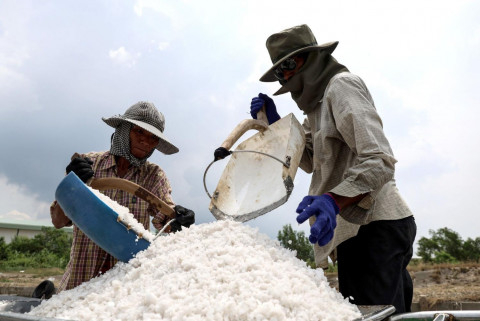
» The fluctuating international context compels countries in this region and beyond to recalibrate their labour laws, policies and practices. This is particularly critical at a time of great demographic changes, such as declining and ageing population in parts of the globe, compromised by a more transactional and conditional world of "quid pro quo". Thailand faces an inflection point on this front, requiring dynamic adjustments.

Anti-torture push needs serious review
News, Vitit Muntarbhorn, Published on 06/01/2025
» Back in 2007, the government agreed to be a party to the Convention against Torture and Other Cruel, Inhuman or Degrading Treatment or Punishment, otherwise known as the "CAT".
Labour rights in a mutating world
News, Vitit Muntarbhorn, Published on 02/12/2024
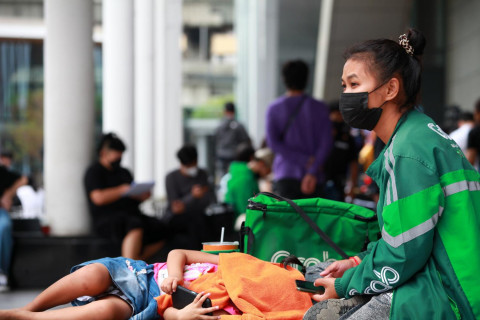
» The world of work is undergoing significant changes amidst risks in a precarious setting. The poly-crisis surrounding the workplace ranges from health risks from global warming and climate change to political constraints and demographic changes with an ageing population in several parts of the world. The challenge is thus to respond with more preparedness in the life cycle of existence, where work is a major contributor to not only human livelihood but also self-esteem, a sense of purpose and a sense of belonging. In particular, the following issues thus deserve greater attention.

Thailand has human rights role to play
News, Vitit Muntarbhorn, Published on 04/11/2024
» The recent election of Thailand to the UN Human Rights Council (HRC) is, in a sense, a cause for elation. Yet it also comes with the responsibility of proving to the global/local community that the country can set an example for good practices and propel the HRC to take effective action on key matters based on international standards. This is daunting in a world of multi-and-mini polarities and poly-crises.

Reimagining human rights and China?
News, Vitit Muntarbhorn, Published on 23/09/2024
» Should human rights be reimagined, especially in the context of China? From one angle, the answer is obvious. Plenty of norms are already agreed upon globally without the need for reimagination, and China is part of that universality. Yet given the situation on the ground level and the evolving nature of human rights, there might be room for some innovative reimagination, and this deserves balanced reflection.

From Asian values to Asian narratives?
News, Vitit Muntarbhorn, Published on 01/07/2024
» A debate is emerging over whether Asia should claim its own "narratives". The humble onlooker might well ask whether this is another version, a cliché, of the "Asian values" of the 1990s.
Lessons from the Khmer Rouge tribunal
Oped, Vitit Muntarbhorn, Published on 18/02/2023
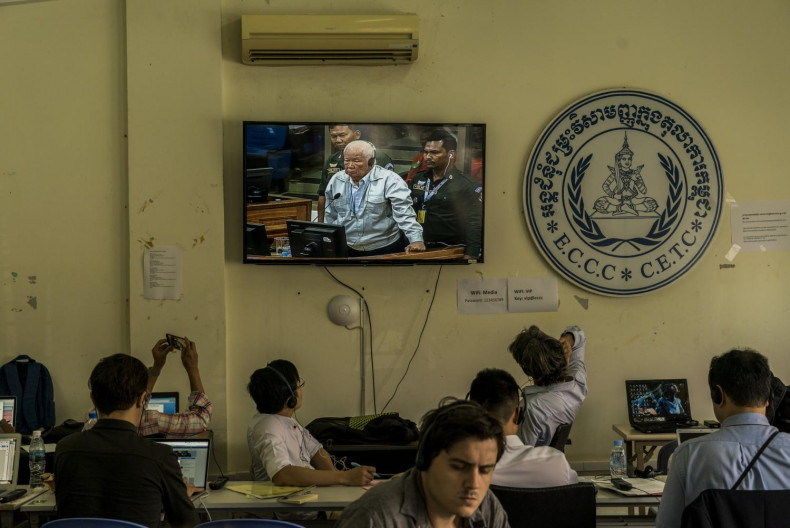
» One of the saddest episodes of Southeast Asian history was the period during the 1970s that witnessed the rule of the Khmer Rouge in Cambodia. The group was driven by a warped ideology, and it perpetrated myriad crimes against the general population. Millions were killed and displaced through a range of atrocities. Decades later, an internationally supported tribunal, the Extraordinary Chambers in the Courts of Cambodia (ECCC), or the Khmer Rouge Tribunal, was set up to prosecute the leaders of the group, and it is now ending its work. What are some of the key lessons the global community can learn from this?
Protecting migrants, refugees in our age of conflict
News, Vitit Muntarbhorn, Published on 07/01/2020
» There are about 270 million international migrants today who cross borders in search of new vistas. Many such as "expatriates" do well. However, many, particularly those who are pushed out of their homes, are caught in a trap of dislocation, dispossession and coercion, often due to armed conflicts, discrimination and violence. The number of forced migrants now stands at about 70 million people globally -- some 30 million who cross borders as "refugees" and some 40 million forced to move in their country of origin as "internally displaced persons".
Human rights and the Asian riddle
News, Vitit Muntarbhorn, Published on 08/10/2018
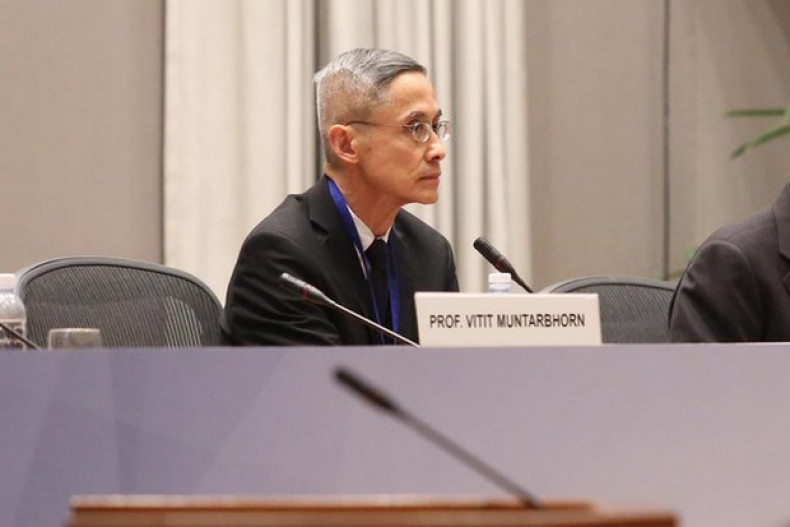
» This year marks the 70th anniversary of the Universal Declaration of Human Rights, a seminal declaration adopted by the UN General Assembly in 1948. This document has spawned several international treaties ("conventions") and it has inspired a vast range of actions worldwide to protect human rights on the basis of equality and non-discrimination.
UN group highlights nexus of duties
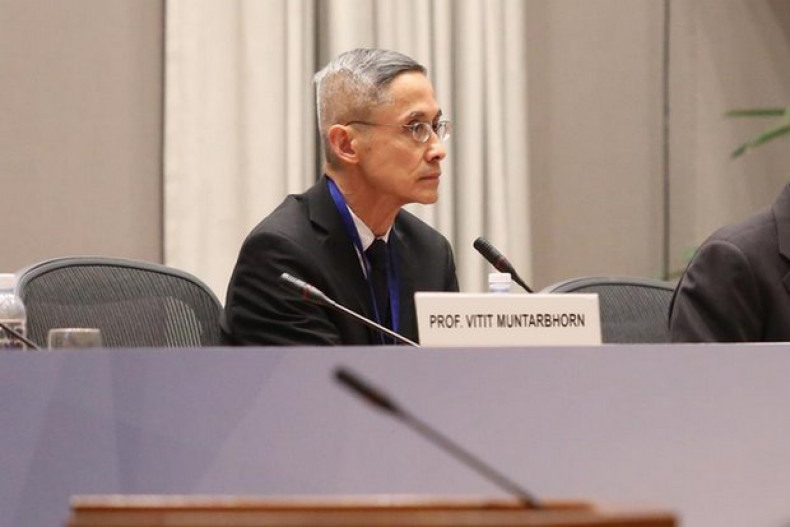
News, Vitit Muntarbhorn, Published on 10/04/2018
» At the end of their well-received visit to Thailand, the UN Working Group (WG) on Business and Human Rights issued a useful and constructive statement. As with any visit by a human rights body, the WG's findings indicate both a positive side and another side that needs improvement.