



Showing 1 - 10 of 10

Navigating between global superpowers
News, Vitit Muntarbhorn, Published on 14/02/2026
» Both China and the US issued new national security policies over the past year. At first glance, they seem to diverge markedly, portending a deep rupture in the world order. Yet, they may also bear some similarities in terms of self-interest and self-advancement. Collateral to that, other countries seeking to forge a middle path may wish to navigate a perspicacious route towards global equilibrium.

An Israel-Palestine conflict explainer
News, Vitit Muntarbhorn, Published on 23/10/2023
» The armed attacks by militants from the Gaza Strip, an area controlled primarily by the Hamas group, into southern Israel in early October and the subsequent armed responses from Israel deserve to be put in a historical and political context. Gaza is one of the two parts of Palestinian territory, the other part being the West Bank, both of which are part of an age-old conflict which has not been resolved but regrettably has been left to fester.
Ukraine, the UN and the ties that bind
News, Vitit Muntarbhorn, Published on 21/01/2023
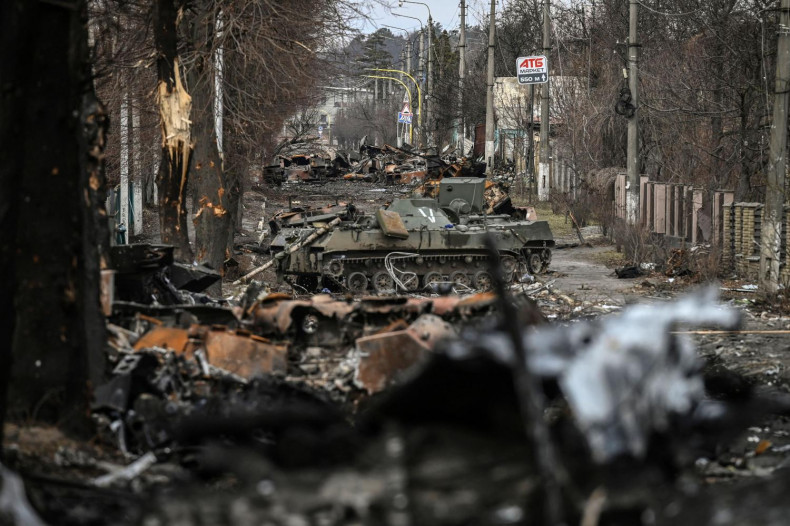
» The United Nations (UN) represents the pinnacle of the post-Second World War system. But just how effective is it today in the face of the crisis facing Ukraine, triggered by its next door neighbour Russia?

Free vs hate speech as world changes
News, Vitit Muntarbhorn, Published on 28/12/2022
» While the Asia-Pacific region is home to a wealth of constructive traditions and practices, it is also confronted with the conundrum of how to protect freedom of expression at the same time as tackling hate speech which is rampant today. A morass of laws of a prohibitive and inhibitive kind are emerging, entrenching censorship and self-censorship, especially in the face of more authoritarian trends, rather than a broader range of actions to respect a diversity of opinions and to counter incitement to hatred.
Rights under threat from emerging tech
News, Vitit Muntarbhorn, Published on 16/11/2022
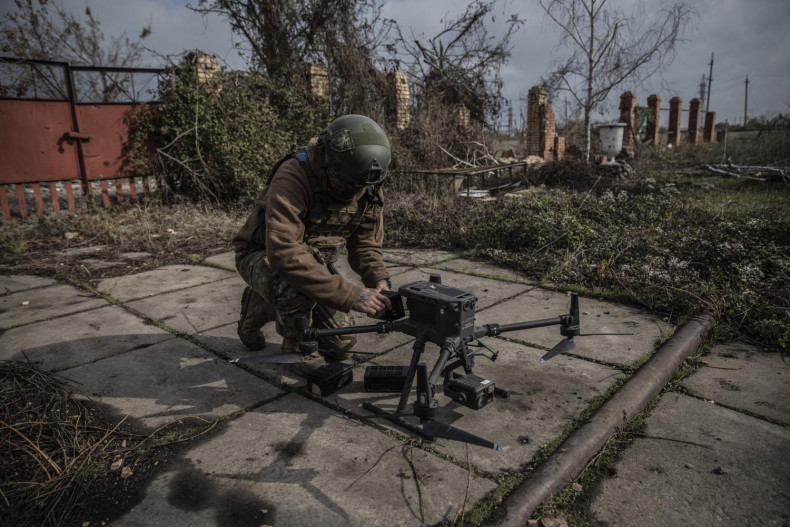
» A key challenge facing human rights globally today is the advent of emerging technologies that mutate rapidly and potentially beyond human control. The UN Human Rights Council in Geneva has thus singled out for special study during the next couple of years four areas of concern: autonomous weaponry, neurotechnology, cyberbullying, and green technology (inevitably linked with climate change). What are the prospects for enjoying the fruits of such technologies and pre-empting their negative implications?
A new direction for UN in Thailand?
Oped, Vitit Muntarbhorn, Published on 13/07/2022
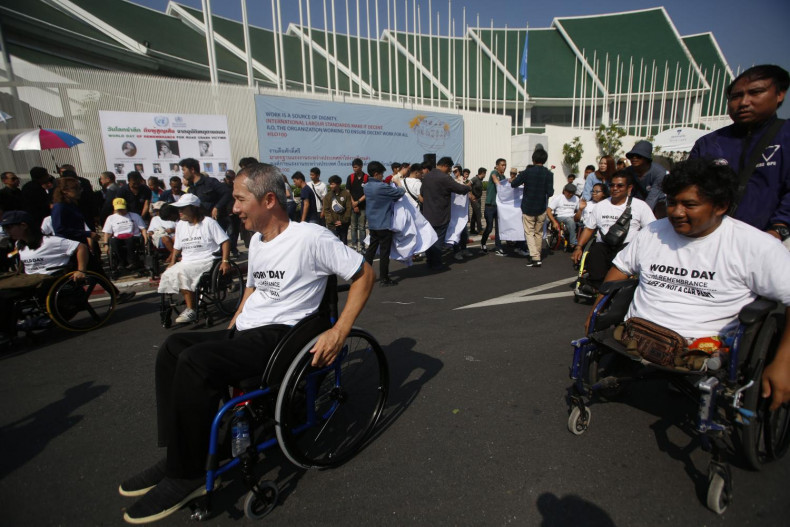
» Thailand is proudly a hub for United Nations (UN) agencies and programmes, and this adds weight to its leverage in international relations. Inevitably, the UN presence has to address key issues of sustainable development, human rights, democracy and peace. A key question is thus whether a viable balance is being struck between national practices and international aspirations.

Making change via K-Pop and Thai-Y
Oped, Vitit Muntarbhorn, Published on 04/05/2022
» K-Pop and artistic ripples through films and other forms of entertainment from South Korea have been conquering the world in recent years, as part of soft power and smart power.
Cambodia's progress has been stalled
Oped, Vitit Muntarbhorn, Published on 31/03/2022
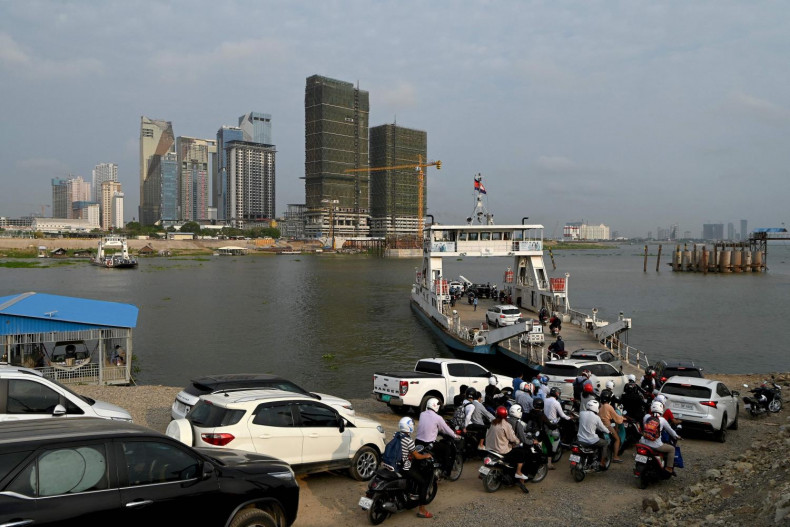
» The situation in Cambodia can perhaps be described as straddling a testament and a predicament. The testament is the 30th anniversary of the Paris Peace Agreements (October 1991) which brought peace to the country after a long period of warfare and the "recent tragic past". It established a pivotal framework for human rights, democracy and sustainable development in the country.
Migration and climate change in Asia
Oped, Vitit Muntarbhorn, Published on 17/03/2022
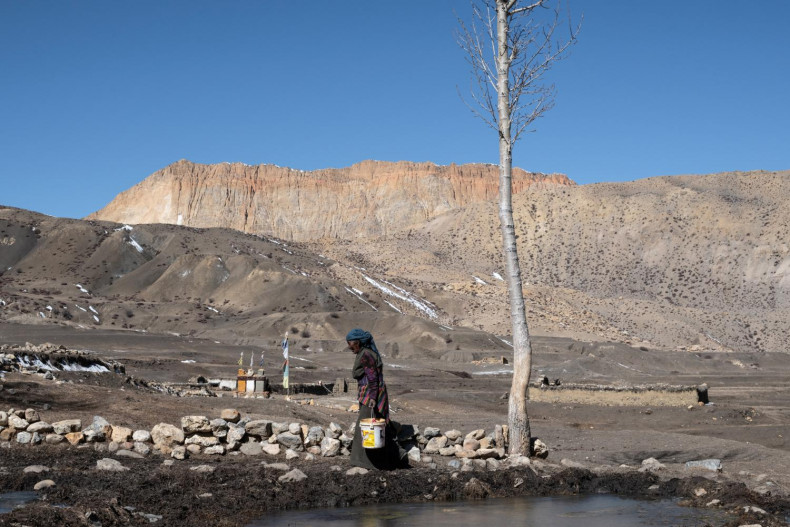
» The close connection between migration, human rights and climate change is increasingly self-evident, as "natural disasters" related to that linkage loom in many parts of the world. The Office of the UN High Commissioner for Human Rights (OHCHR) estimates that about 22.5 million people migrate each year within and across borders because of climate change and weather-linked disasters. These are all compounded by the spread of Covid-19 in terms of lockdowns and other restrictive measures.
We cannot lose control of technology
Oped, Vitit Muntarbhorn, Published on 19/01/2022
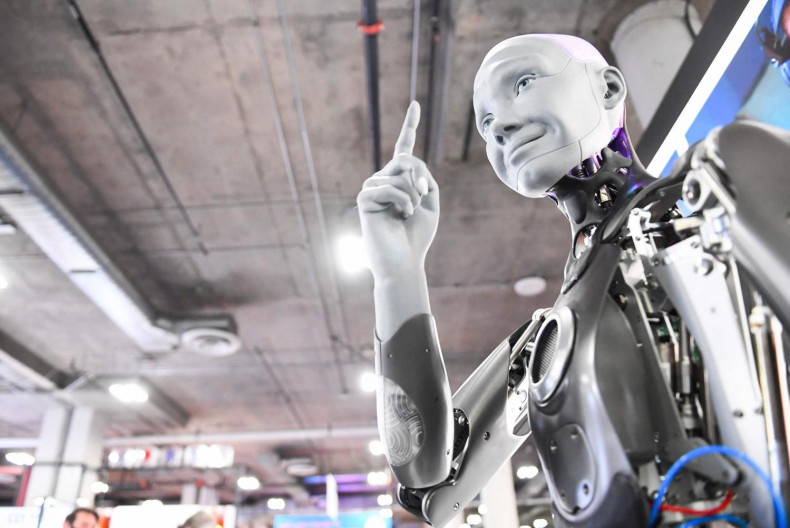
» The advent of Covid-19 has accentuated digitalisation and its close linkage with automation, algorithms, and artificial intelligence ("the three A's"). The Asian region interfaces closely with this phenomenon, especially because it is the most populous continent. It is also a region with a large number of non-democracies and semi-democracies. This panorama invites care to prevent misuse of those three As.