



Showing 1 - 7 of 7
Navigating between global superpowers
News, Vitit Muntarbhorn, Published on 14/02/2026
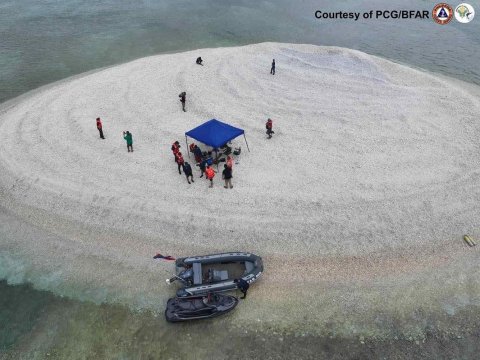
» Both China and the US issued new national security policies over the past year. At first glance, they seem to diverge markedly, portending a deep rupture in the world order. Yet, they may also bear some similarities in terms of self-interest and self-advancement. Collateral to that, other countries seeking to forge a middle path may wish to navigate a perspicacious route towards global equilibrium.

Is being born as an LGBTI person a medical issue?
Oped, Vitit Muntarbhorn, Published on 30/06/2025
» June is a propitious time to remember the history of lesbian, gay, transgender and intersex (LGBTI) people and their struggles to overcome discrimination and violence. One of the difficulties confronting them throughout the ages has been how the medical sector and related science view them, and how they should be treated by medical classifications. What is the situation today both locally and globally?
Building a rights protection framework
Oped, Vitit Muntarbhorn, Published on 10/11/2023
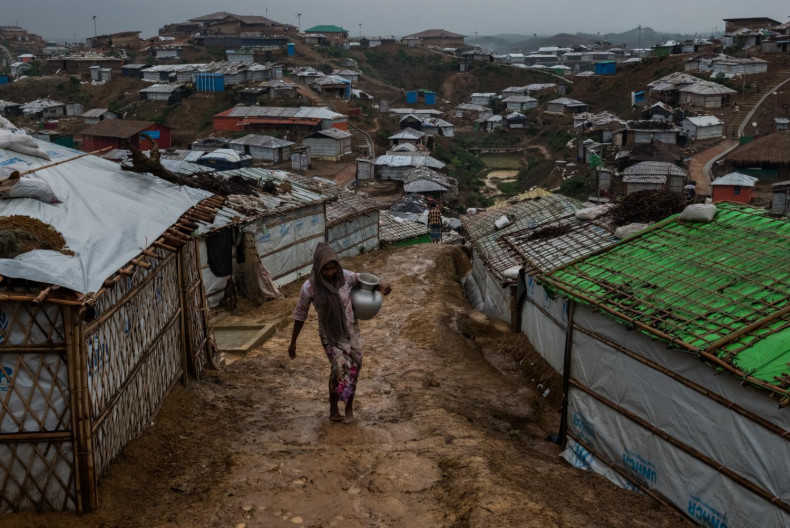
» The Asia-Pacific region is a vast conglomeration of large and small countries with a wealth of inter-generational wisdom. Yet, the region does not have a regional inter-governmental human rights protection system. What, then, are some possibilities for the future?

Time travelling with human rights
Oped, Vitit Muntarbhorn, Published on 03/07/2023
» If humanity had to travel with human rights (past, present and future), what might be pivotal dates interplaying with our destiny? 1993, 2005, 2023 and 2033 might well be candidates for testing our recent chronology.

We cannot lose control of technology
Oped, Vitit Muntarbhorn, Published on 19/01/2022
» The advent of Covid-19 has accentuated digitalisation and its close linkage with automation, algorithms, and artificial intelligence ("the three A's"). The Asian region interfaces closely with this phenomenon, especially because it is the most populous continent. It is also a region with a large number of non-democracies and semi-democracies. This panorama invites care to prevent misuse of those three As.
A multi-track strategy for North Korea
Oped, Vitit Muntarbhorn, Published on 01/09/2021
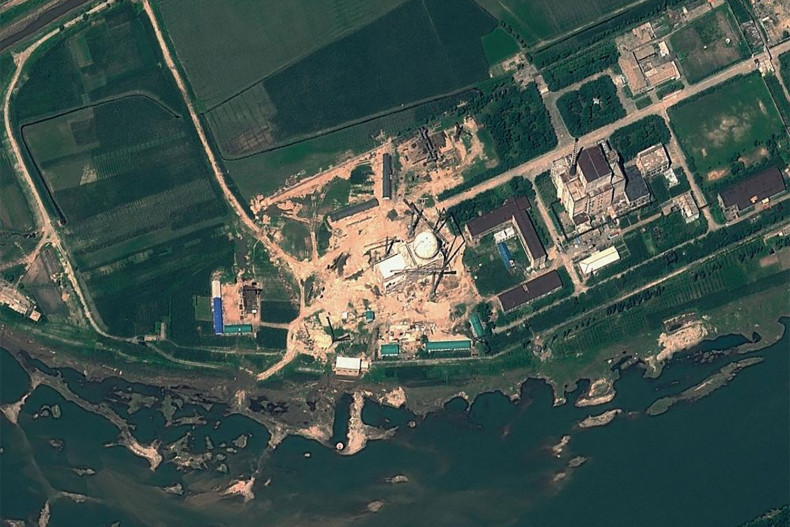
» North Korea or the Democratic People's Republic of Korea (DPRK) has been a conundrum for the international community for over half a century. Cloistered and undemocratic, the power base keeps a tight rein over its population with heavy surveillance and pervasive constraints. The latest news that recently it restarted to activate its nuclear facility at Yongbyon is most disturbing, as the United Nations Security Council (UNSC) has already imposed sanctions on the country to end its nuclearisation. Is there any strategy to deal with the country in an engaging manner?
Thailand's emergency decree needs an overhaul
Oped, Vitit Muntarbhorn, Published on 21/07/2021
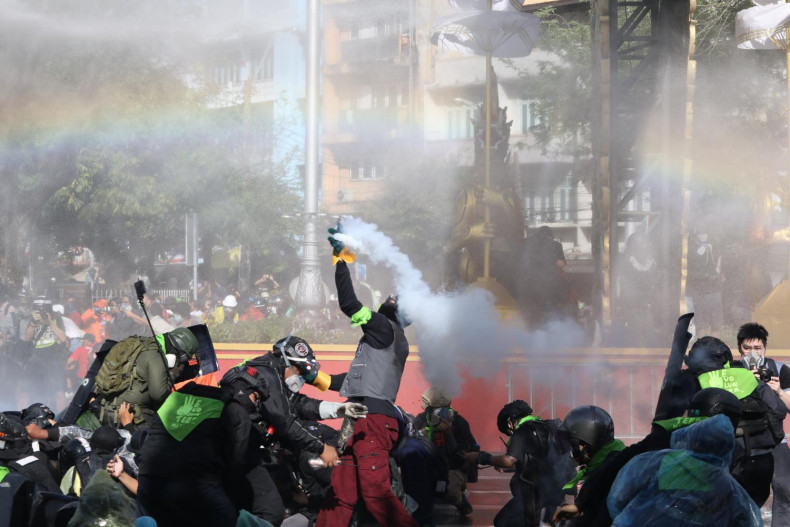
» The country's State of Emergency Decree became law in 2005 and since then, it has been one of the most contested laws. Yet, it has been one of the instruments most frequently used by the executive branch of government and is currently the main law for tackling Covid-19. Does the decree comply with international standards?