



Showing 1 - 8 of 8
Labour and the dynamics of change
Oped, Vitit Muntarbhorn, Published on 25/07/2025
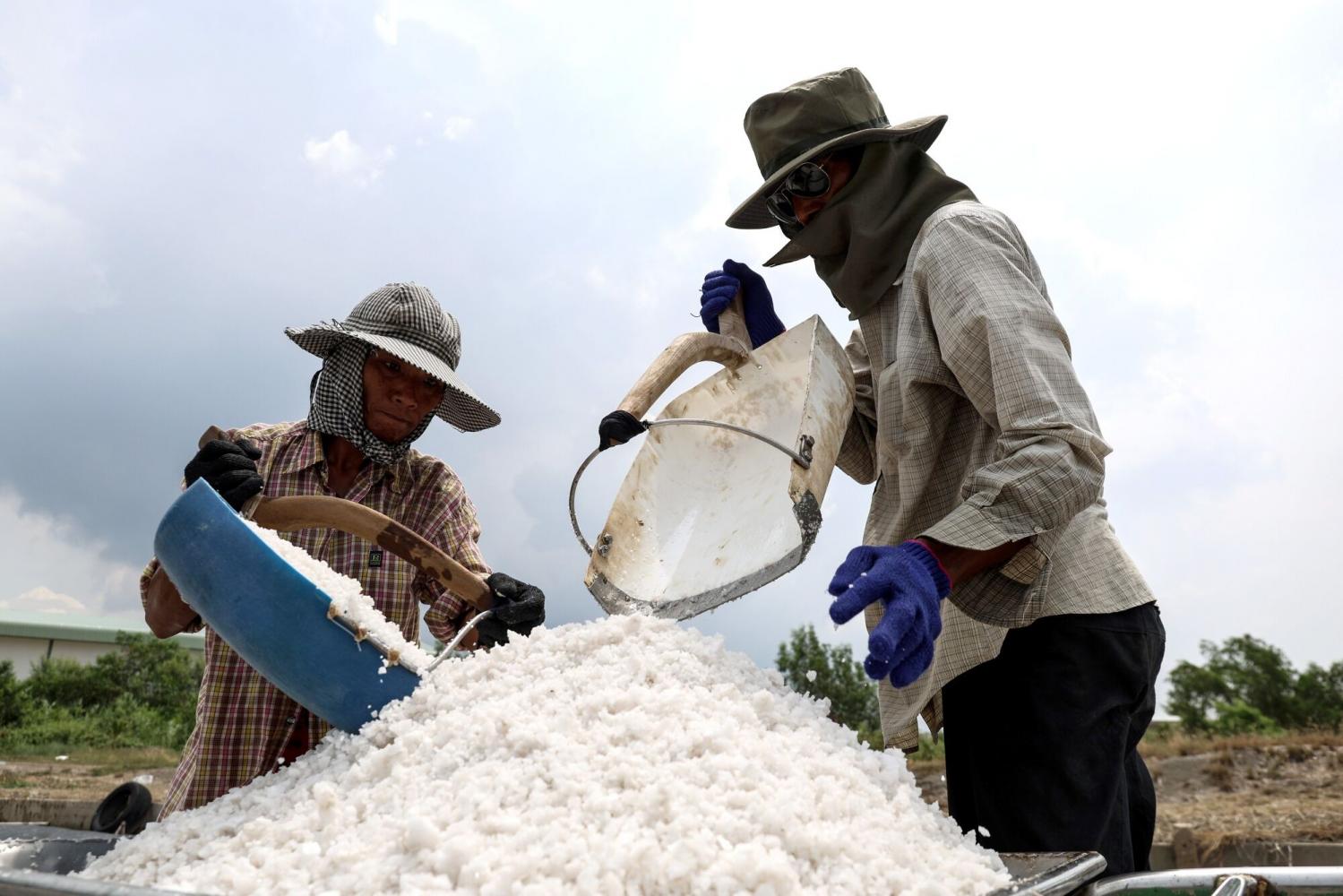
» The fluctuating international context compels countries in this region and beyond to recalibrate their labour laws, policies and practices. This is particularly critical at a time of great demographic changes, such as declining and ageing population in parts of the globe, compromised by a more transactional and conditional world of "quid pro quo". Thailand faces an inflection point on this front, requiring dynamic adjustments.
Is being born as an LGBTI person a medical issue?
Oped, Vitit Muntarbhorn, Published on 30/06/2025
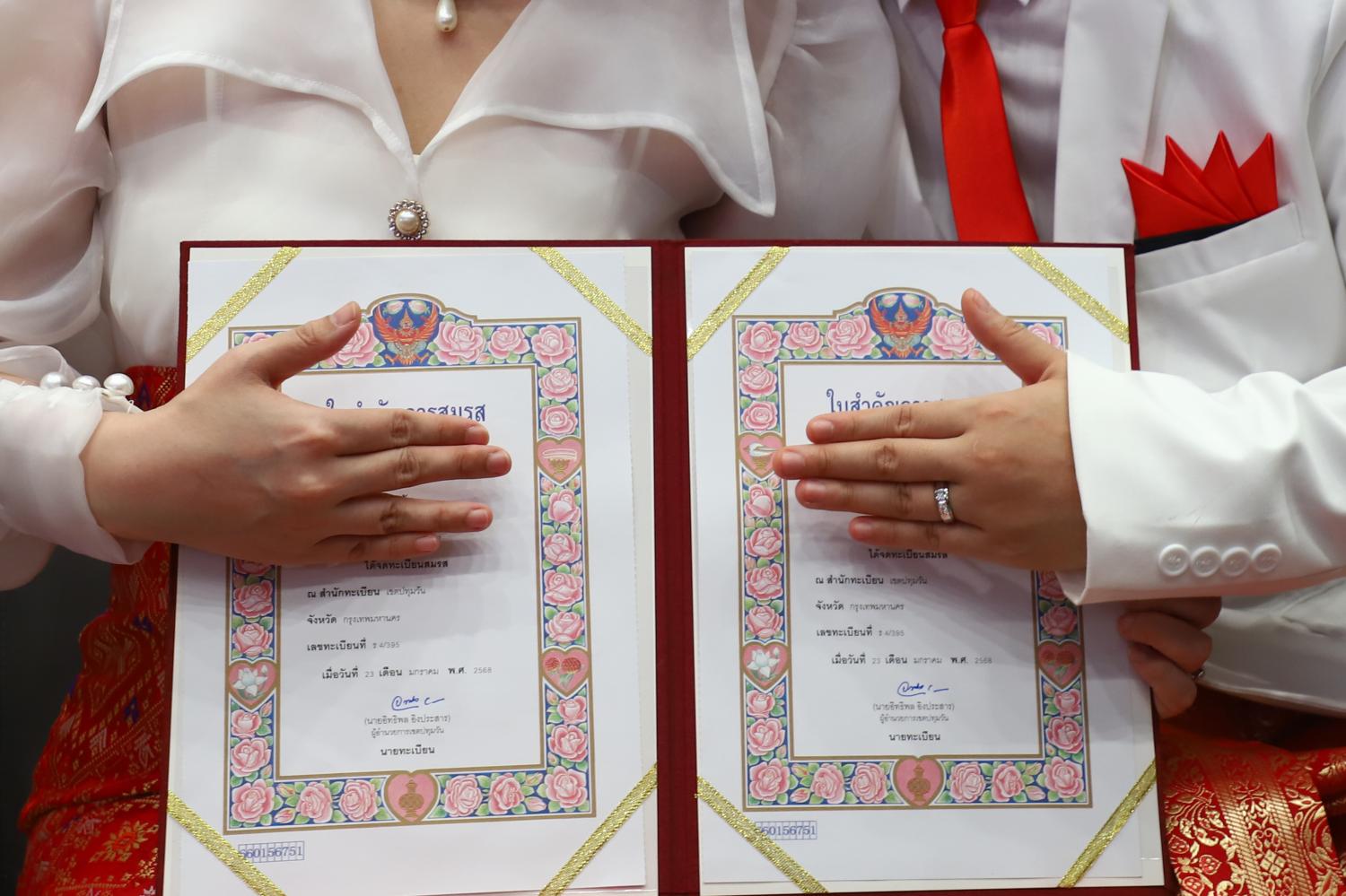
» June is a propitious time to remember the history of lesbian, gay, transgender and intersex (LGBTI) people and their struggles to overcome discrimination and violence. One of the difficulties confronting them throughout the ages has been how the medical sector and related science view them, and how they should be treated by medical classifications. What is the situation today both locally and globally?

Streamlining Myanmar refugee policy
Oped, Vitit Muntarbhorn, Published on 13/02/2025
» Thailand's record on sheltering a multitude of refugees has generally been commendable throughout the years. Yet at times there are paradoxes, exemplified by the push-back of Cambodian refugees recently, the current threat to send back a Vietnamese Montagnard refugee, and the ominous clouds pressing insidiously for the forced return of Uyghur refugees.

Poll outcome invites shared wisdom
News, Vitit Muntarbhorn, Published on 22/05/2023
» That was the week that was, beginning on May 14, 2023, Thailand's monumental and momentous national election day. The results of the election were historically in favour of democratic change, with the Move Forward Party (MFP) gaining the most seats in the Lower House. It is leading a coalition of parties, aspiring to form the next government and winning over 310 seats in total, despite shenanigans from arch-conservatives.

UN General Assembly must assert itself
Oped, Vitit Muntarbhorn, Published on 20/04/2022
» The recent vote in the UN General Assembly (GA) suspending Russia from the UN Human Rights Council (HRC), due to its conduct in Ukraine, in early April 2022 is a rare instance of the GA asserting its powers with binding force. Generally, only the UN Security Council (SC) can adopt measures; these are exemplified by sanctions adopted by the SC periodically against errant states, non-government armed groups and individuals. Is there then room for a more assertive GA, especially when the SC is dysfunctional?

UN review shows human rights flaws
Oped, Vitit Muntarbhorn, Published on 17/11/2021
» The international human rights system consists primarily of two parts: international human rights treaties to which countries are invited to become parties on the basis of their consent, and the UN's own jurisdiction, through the UN Human Rights Council, covering all countries even if they do not consent to the coverage. The Universal Periodic Review (UPR) belongs to the latter part of the system and Thailand's recent appearance before this process on Nov 10, in public and online, was eye-opening.
Grappling with human trafficking, forced labour
Oped, Vitit Muntarbhorn, Published on 16/09/2021
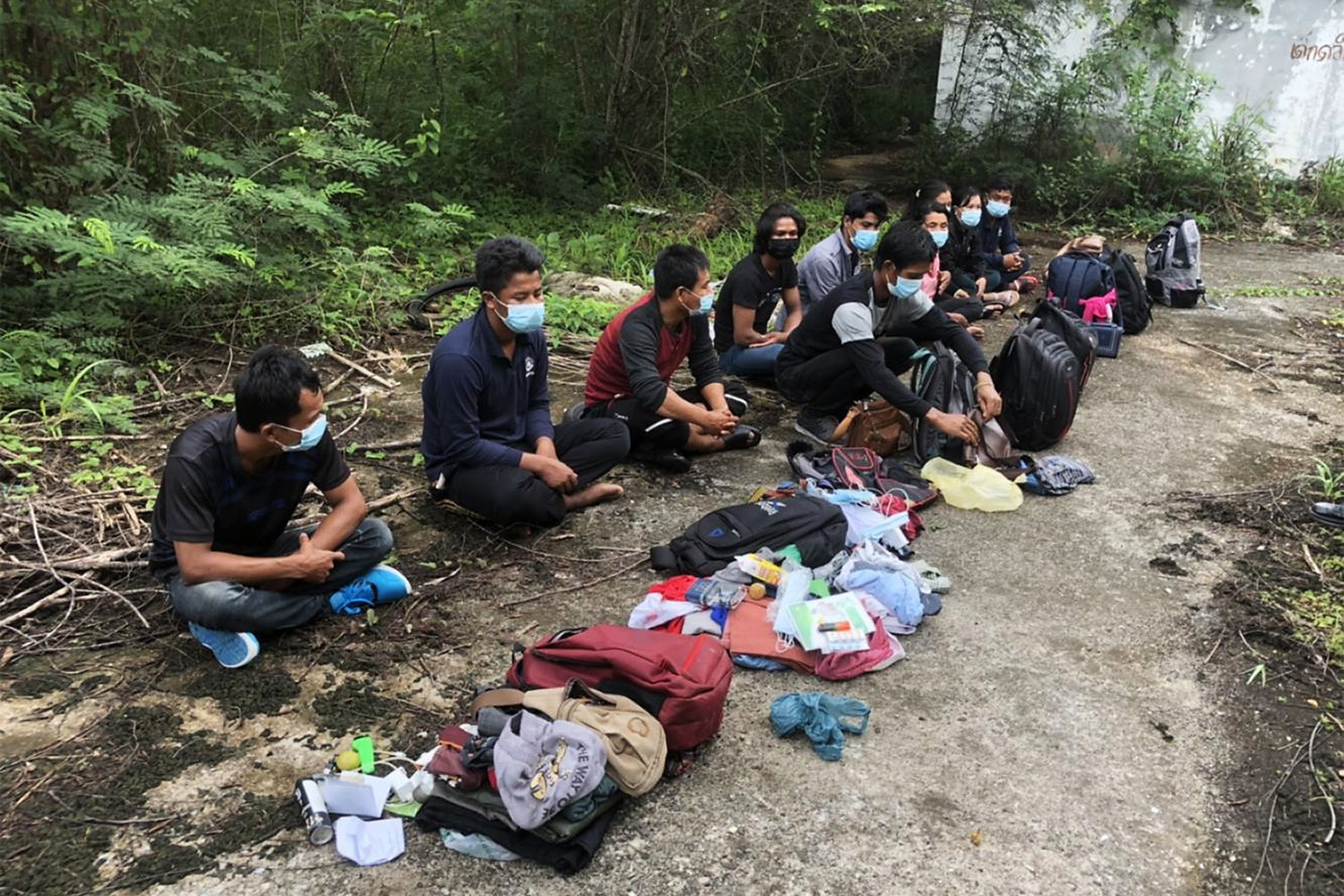
» Thailand's apparent failure to deal with the issue of human trafficking over recent months has resulted in a downgrade of its performance in the 2021 Trafficking in Persons (TIP) annual report, issued by the US in July.

Slowly moving away from the death penalty
Oped, Vitit Muntarbhorn, Published on 22/04/2021
» One of the interesting developments in Thailand is that official circles are gradually moving away from the death penalty as a sanction against crimes. This is witnessed by the Ministry of Justice's campaign to invite the public to look at options beyond the death penalty. What if there is a large proportion of the population in the country which still favours its retention rather than abolition? There is a need to balance with the international trend and the country's obligations.