



Showing 1 - 6 of 6
Navigating between global superpowers
News, Vitit Muntarbhorn, Published on 14/02/2026
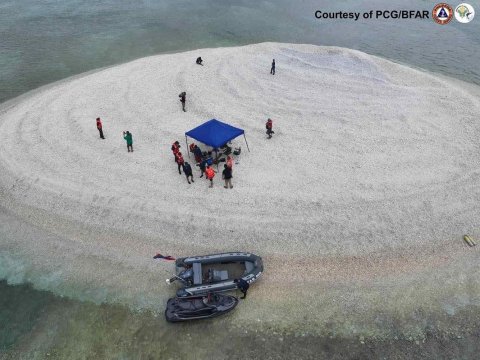
» Both China and the US issued new national security policies over the past year. At first glance, they seem to diverge markedly, portending a deep rupture in the world order. Yet, they may also bear some similarities in terms of self-interest and self-advancement. Collateral to that, other countries seeking to forge a middle path may wish to navigate a perspicacious route towards global equilibrium.
Righting the wrongs of development
News, Vitit Muntarbhorn, Published on 27/03/2023
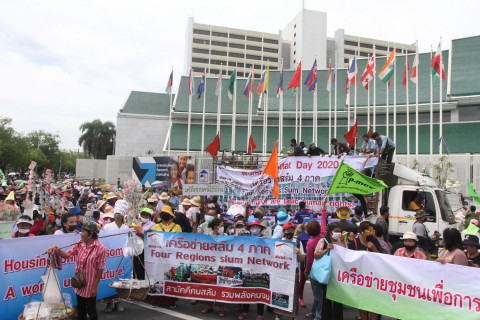
» A key issue with which the world community has had to grapple since the end of the Second World War is that of "development", especially from the angle of national and international measures to ensure responsiveness to the rights and needs of the peoples of the land, without discrimination and violence, and to overcome historical and other injustices.
Ukraine, the UN and the ties that bind
News, Vitit Muntarbhorn, Published on 21/01/2023
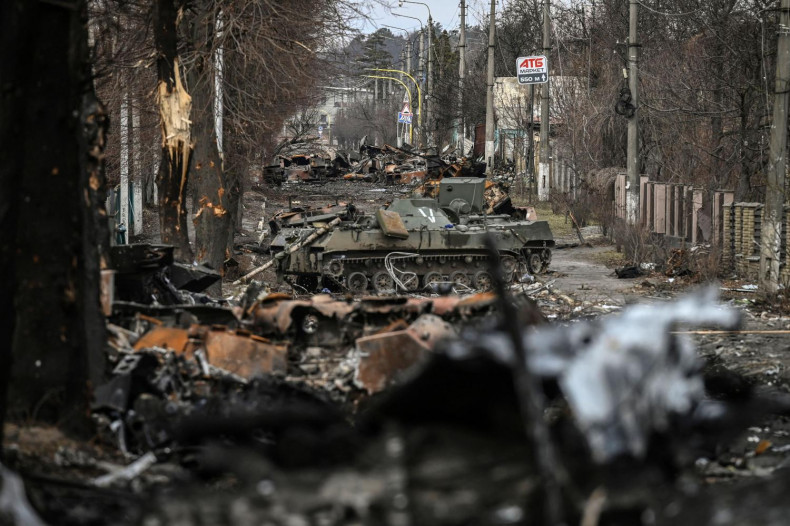
» The United Nations (UN) represents the pinnacle of the post-Second World War system. But just how effective is it today in the face of the crisis facing Ukraine, triggered by its next door neighbour Russia?
Protecting migrants, refugees in our age of conflict
News, Vitit Muntarbhorn, Published on 07/01/2020
» There are about 270 million international migrants today who cross borders in search of new vistas. Many such as "expatriates" do well. However, many, particularly those who are pushed out of their homes, are caught in a trap of dislocation, dispossession and coercion, often due to armed conflicts, discrimination and violence. The number of forced migrants now stands at about 70 million people globally -- some 30 million who cross borders as "refugees" and some 40 million forced to move in their country of origin as "internally displaced persons".
Thai human rights body in state of flux
News, Vitit Muntarbhorn, Published on 13/08/2018
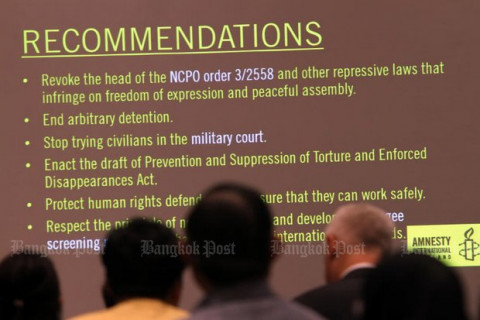
» It was the country's people-based 16th constitution (1997) which established Thailand's National Human Rights Commission. The expectation was that the commission would act as a promoter and protector of human rights, with due regard for universal standards, complementing the constitution and national laws. It would also be a check and balance mechanism, especially where the traditional pillars of the state might not be fulfilling their tasks or impinge on human rights.
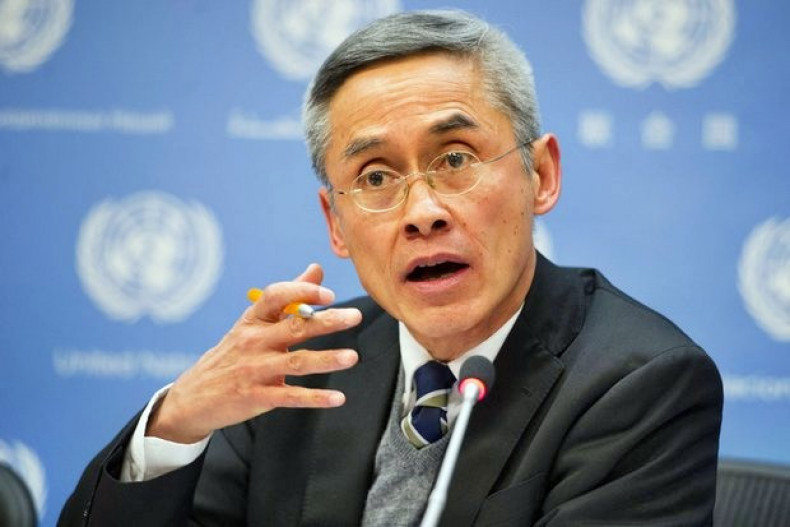
High stakes as regime considers rights
News, Vitit Muntarbhorn, Published on 19/02/2018
» A pre-Chinese New Year present from the government was Prime Minister Prayut Chan-o-cha's proclamation of the government's human rights agenda to complement the Sustainable Development Goals (SDGs) and Thailand's "4.0" target to become a more developed society. Beyond the formalities, what are some of the stakes?