



Showing 1 - 10 of 19
Navigating between global superpowers
News, Vitit Muntarbhorn, Published on 14/02/2026
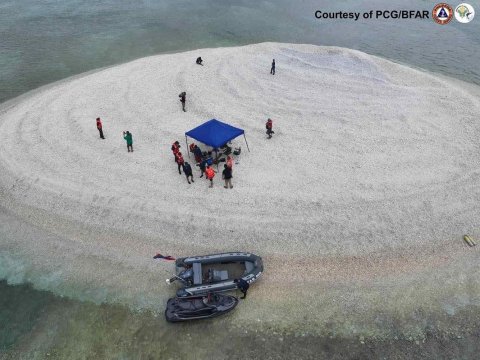
» Both China and the US issued new national security policies over the past year. At first glance, they seem to diverge markedly, portending a deep rupture in the world order. Yet, they may also bear some similarities in terms of self-interest and self-advancement. Collateral to that, other countries seeking to forge a middle path may wish to navigate a perspicacious route towards global equilibrium.
Sustaining healthcare in volatile times
Oped, Vitit Muntarbhorn, Published on 18/08/2025
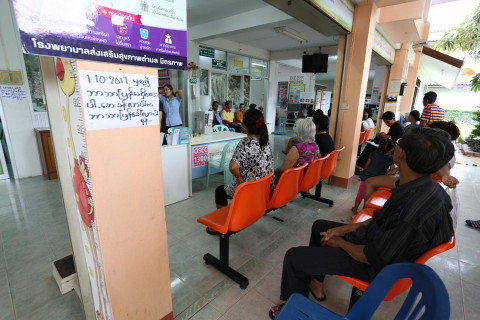
» Health care is pivotal for human well-being. Yet in today's precarious world, it is pressured by diminishing resources, demographic variables, warfare and violence, and environmental degradation. Sustaining health care thus requires insightful planning and implementation, no less for Thailand and the Association of Southeast Asian Nations (Asean) regions.
Shifting from tolerance to real inclusion
Oped, Vitit Muntarbhorn, Published on 23/05/2025
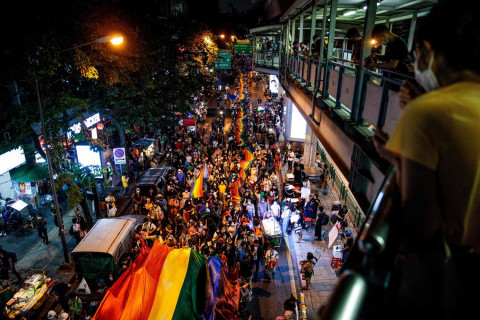
» On the occasion of the International Day against Homophobia, Biphobia, and Transphobia on May 17, UN human rights experts recently called for countries to work with LGBTI communities and not to police them. This was an apt message that has to resonate at the national and local levels, especially when the world is witnessing regression in regard to policies on diversity, equity, and inclusion.
Labour rights in a mutating world
News, Vitit Muntarbhorn, Published on 02/12/2024
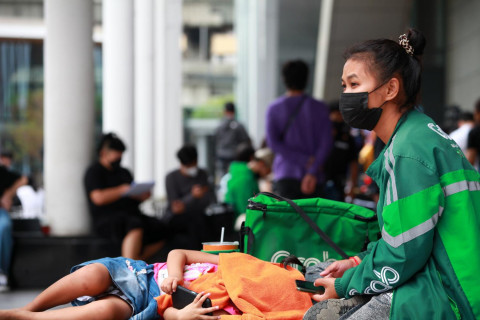
» The world of work is undergoing significant changes amidst risks in a precarious setting. The poly-crisis surrounding the workplace ranges from health risks from global warming and climate change to political constraints and demographic changes with an ageing population in several parts of the world. The challenge is thus to respond with more preparedness in the life cycle of existence, where work is a major contributor to not only human livelihood but also self-esteem, a sense of purpose and a sense of belonging. In particular, the following issues thus deserve greater attention.

Our UN obligations on disappearances
News, Vitit Muntarbhorn, Published on 15/07/2024
» Enforced disappearance is the technical term for a heinous crime whereby a person or persons are deprived of their liberty, such as detention in an unknown place ("incommunicado"). This is accompanied by a cover-up by the state.
Thai Human Rights Council aspirations
Oped, Vitit Muntarbhorn, Published on 17/05/2024
» Thailand's quest for membership of the UN Human Rights Council (HRC), Geneva, for the period 2025-2027, is rightly gaining interest among the general public. With a new foreign minister today, it is intriguing to prospect whether there will be more (or less) momentum in the competition towards the winning post -- with elections for the HRC due in New York in October.

Ratify enforced disappearance pact now
News, Vitit Muntarbhorn, Published on 14/08/2023
» As of last year, according to UN figures, there were nearly 80 unresolved cases of enforced disappearances in Thailand. Considering the country now has a law in place against enforced disappearances, in force since earlier in the year, how should we prevent and remedy these crimes?

Building bridges from Asia to Africa the right way
Oped, Vitit Muntarbhorn, Published on 29/04/2023
» The quest to build bridges between Asia and Africa is longstanding. A Chinese Admiral -- Zheng He -- led a series of voyages from East Asia to East Africa, down to Kenya and possibly Zanzibar, from the year 1405. The ships he navigated were enormous -- about 400 feet long and 100 feet wide (122 metres by 30.5m) -- especially when compared with Christopher Columbus' Santa Maria, which was about 70 feet long. For centuries, people have also migrated and traded between the two regions.
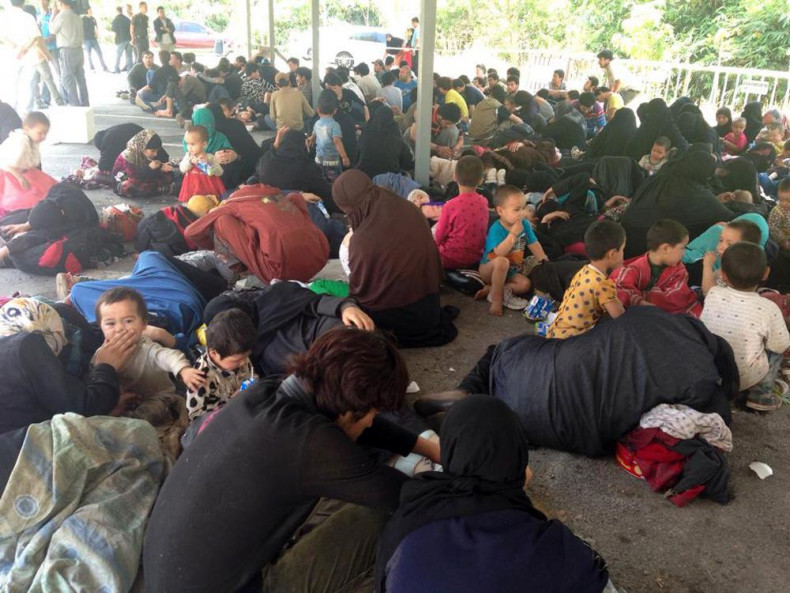
Humanising policy towards refugees
Oped, Vitit Muntarbhorn, Published on 02/03/2023
» The recent death of a Uighur man -- who had sought refuge in Thailand and was subsequently detained for nearly a decade, was a sad reflection of the unbalanced response towards persons who seek refuge, or "refugees", in this country. Various groups currently seek protection from persecution, armed conflicts and key human rights violations in their country of origin, and they deserve to be treated decently and humanely.

Calling Thai domestic abuse to account
Oped, Vitit Muntarbhorn, Published on 04/08/2022
» Developing societies (including Thailand) have enjoyed the presence of extended families, in contrast with the smaller unit of nuclear families. This broader coverage, encompassing not only the parents and children but also grandparents and other dependants, has offered a social safety net to support family members. Yet, that extended unit has now been disintegrating for some time, compounded by the stress due to Covid-19. What then are the areas needing more attention to tackle the changing scenario?