



Showing 1 - 10 of 10
No-confidence and poll date in flux
Oped, Thitinan Pongsudhirak, Published on 14/11/2025
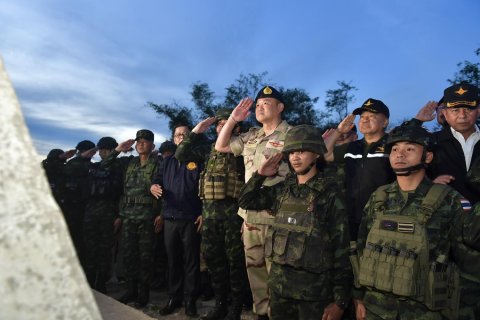
» Amid the drumbeats of military conflict with Cambodia, Thailand's political environment is evidently unruly and unsettled. The minority government of Anutin Charnvirakul, the third prime minister from the third largest-winning party since the latest national election in May 2023, is hard-pressed to stay in office beyond the four-month "Memorandum of Agreement" between his Bhumjaithai Party (BJT) and the People's Party (PP), the largest camp in the national assembly.
Digesting Trump's trip through Asia
Oped, Thitinan Pongsudhirak, Published on 07/11/2025
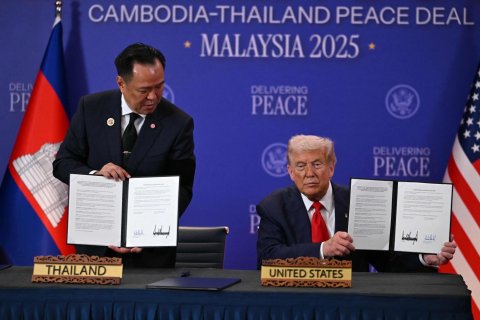
» Storming through Asia last week, US President Donald Trump's first stop in Kuala Lumpur on Oct 26, before moving on to Japan and South Korea over the next four days, capped by his meeting with Chinese President Xi Jinping before returning to Washington, was the most consequential for Southeast Asian economies.
Southeast Asia amid the US-China rift
Oped, Thitinan Pongsudhirak, Published on 03/10/2025
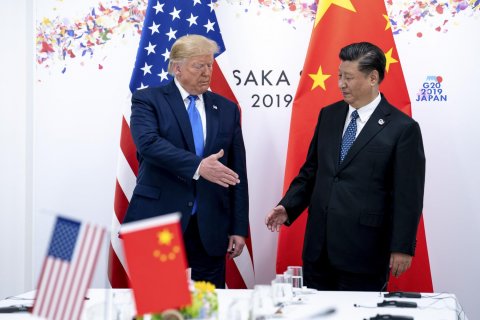
» The rivalry between the United States and China has become the defining contest of the 21st century. Barely two decades ago, Washington and Beijing were partners in prosperity. America's support for China's entry into the World Trade Organization in 2001 epitomised the high-water mark of engagement, reflecting the belief that economic integration would lead to greater political cooperation. Today, that partnership has morphed into suspicion and confrontation. Relations between the United States and China have deteriorated so swiftly that many observers now describe them as locked in a "new Cold War". The more pressing question, however, is not whether this analogy holds, but whether confrontation can be managed short of outright conflict.

Thailand's policy on Myanmar stinks
Oped, Thitinan Pongsudhirak, Published on 23/06/2023
» The latest move to coddle and recognise Myanmar's junta government by caretaker Prime Minister Prayut Chan-o-cha's outgoing regime does not add up. Sanctioned and supported by Gen Prayut, Foreign Minister Don Pramudwinai arranged an Asean-wide ministerial meeting in Pattaya on June 18 with Myanmar's junta-appointed Foreign Minister Than Swe with unusual haste. Shrouded in controversy and desperation, both the PM's and the FM's clichéd explanations just do not wash. It begs the question of whether there are vested interests involved, above and beyond Thailand's national interest, in the outgoing government's seeming acceptance of Myanmar's military regime that took power by force on Feb 1, 2021.
The politics of post-poll govt formation
Oped, Thitinan Pongsudhirak, Published on 21/04/2023
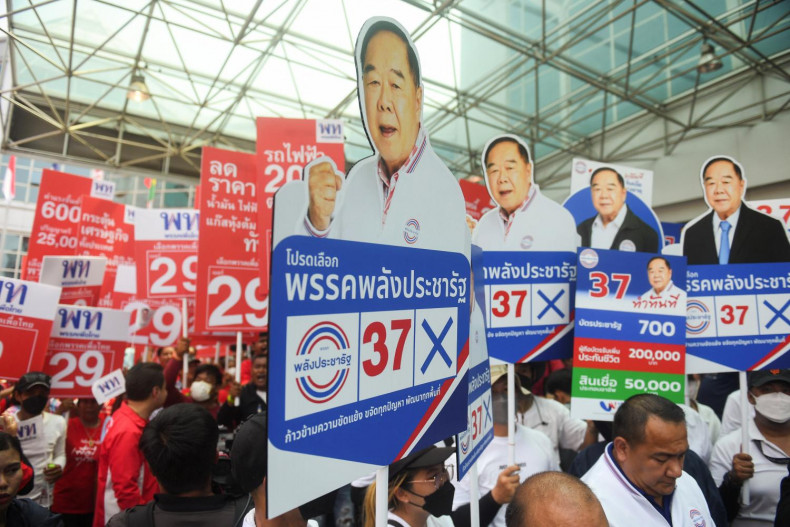
» As the campaign season heats up ahead of Thailand's poll on May 14, voter surveys have consistently indicated that the momentum favours the opposition Pheu Thai (PTP) and Move Forward (MFP) parties well ahead of the government side, comprising Palang Pracharath (PPRP), United Thai Nation (UTN), Bhumjaithai (BJP) and Democrat (DP) parties. On the personal popularity of prime minister candidates, survey results similarly suggest that the MFP's Pita Limjaroenrat and the PTP's Paetongtarn Shinawatra are neck and neck, followed by the PTP's Srettha Thavisin and the UTN's and incumbent premier Prayut Chan-o-cha.
Apec's geopolitics and geoeconomics
Oped, Thitinan Pongsudhirak, Published on 11/11/2022
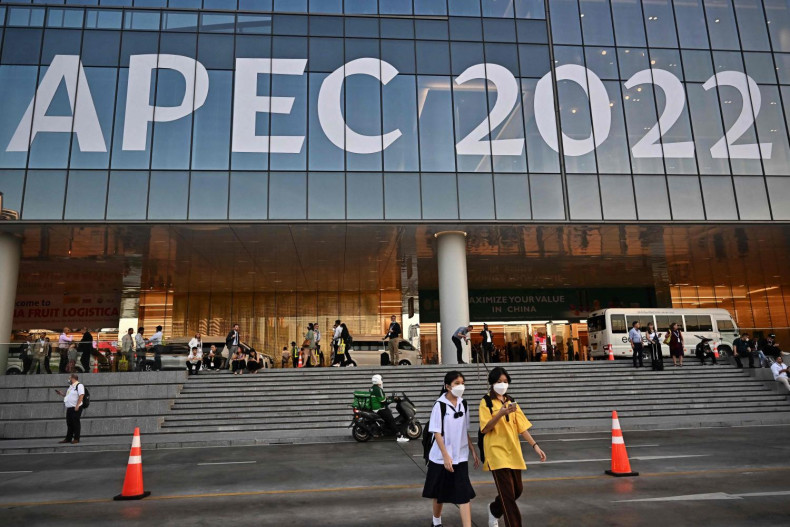
» The upcoming leaders' meeting in Bangkok among the 21 member economies of the Asia-Pacific Economic Cooperation (Apec) should be seen in conjunction with its preceding Asean-related summits in the Cambodian capital of Phnom Penh and the G20 summit in Bali, the Indonesian island resort. This one-two-three combination in three Southeast Asian countries over a ten-day period is supposed to showcase Asean's central role in the promotion of peace, security and prosperity in the region and the wider world. But as Asean's summit season gets underway in Cambodia, excitement and promise have given way to anxieties and apprehensions. While these summit talks are an extraordinary opportunity to tone down geopolitical temperatures and geoeconomic competition, they are likely to yield mixed results.

Thai-Australian ties in the regional mix
Oped, Thitinan Pongsudhirak, Published on 05/06/2020
» Unlike the externally originated coronavirus pandemic, the mass protests in the United States in the aftermath of George Floyd's wrongful death at the hands of police officers in Minneapolis are internally driven. Seen from outside, the public fury, street demonstrations and ensuing violence over the fatal suffocation of Floyd, a black man, yield geopolitical ramifications. If the US is socially unwell and geopolitically unreliable, regional states in Asia will have to respond accordingly in view of the US-China rivalry and competition. A case in point is Thailand-Australia relations in the regional mix.
What to look for in Thai election results
News, Thitinan Pongsudhirak, Published on 22/03/2019
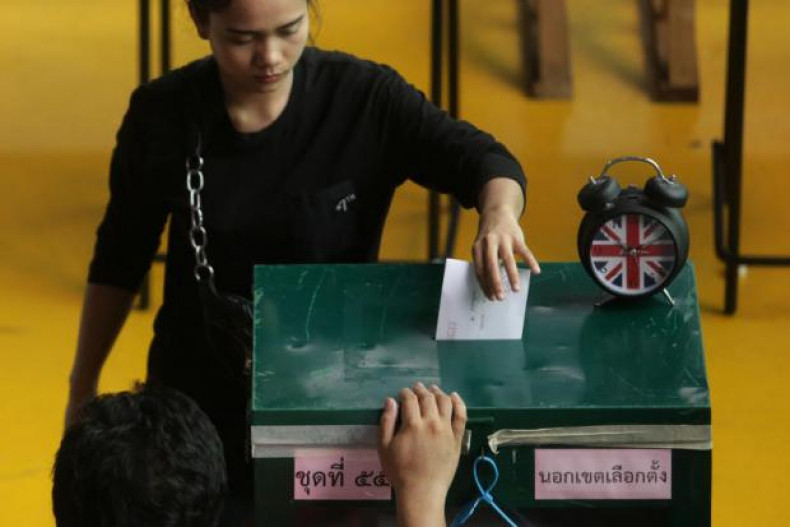
» Elections are often a referendum on incumbencies. Voters are asked whether they like what they have seen from government and whether they want continuity or change in view of competing alternatives. In the same vein, Thailand's momentous election on March 24, after a nearly eight-year hiatus that includes almost five years under military-authoritarian rule, is an opportunity to see what the governed prefer to have as their government. Here are some of early telltale signs that portend the political directions ahead.
Lasting lessons from Malaysia for SE Asia
News, Thitinan Pongsudhirak, Published on 25/05/2018
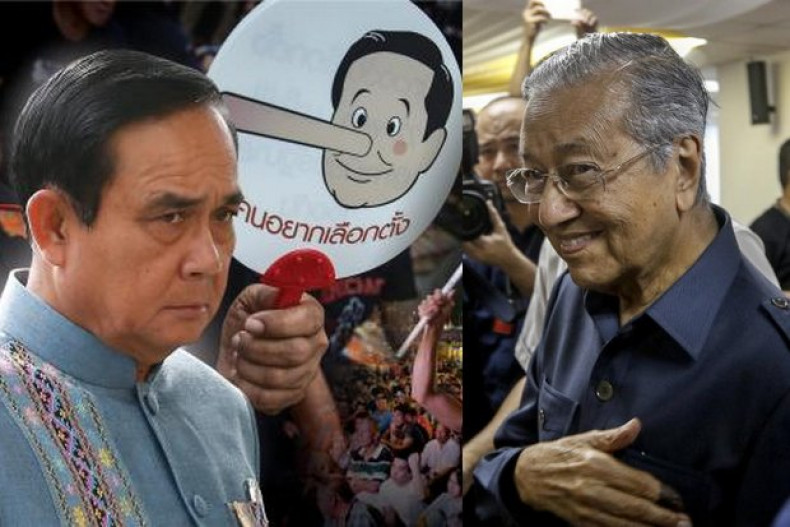
» Some have likened it to an "earthquake," while others have called it a "tsunami." However it is billed, Malaysia's election outcome still reverberates far and wide. Its political aftershocks yield lessons and considerations for politics in Southeast Asia, particularly Thailand, which holds the dubious distinction as the only parliamentary system in this region that does not know when it will next stage a poll.
Can technology transform patronage politics?
News, Thitinan Pongsudhirak, Published on 30/03/2018
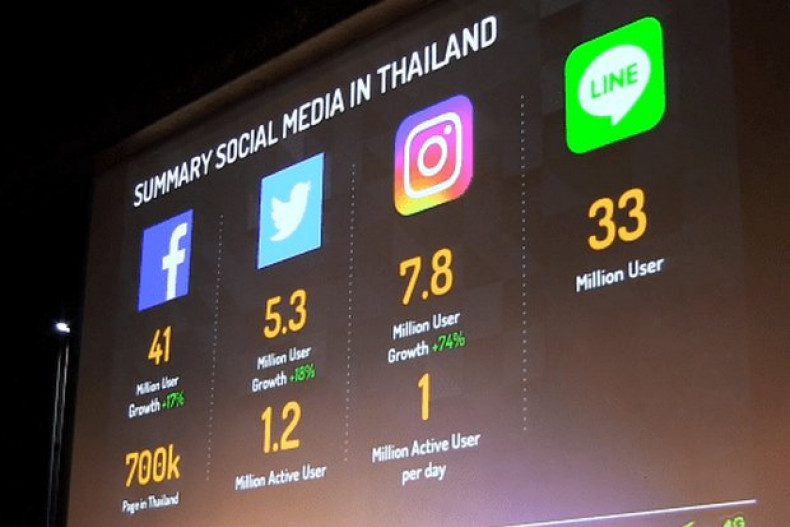
» By the time it takes place after evident foot-dragging by relevant authorities, the next election in Thailand will be unlike its precursors. There will be new parties with new policy ideas, new vote-gathering technologies and first-time voters who came of age during Thailand's political tension and polarisation more or less over the past two decades. At issue during the next poll is whether and to what extent Thailand's entrenched and endemic patronage-driven and vote-buying political system has really changed. The evidence is mixed but it is plausible that a new kind of politics will emerge not directly in the next poll but in the 2020s.