



Showing 1 - 10 of 33
The war and its likely consequences
Oped, Thitinan Pongsudhirak, Published on 17/04/2026
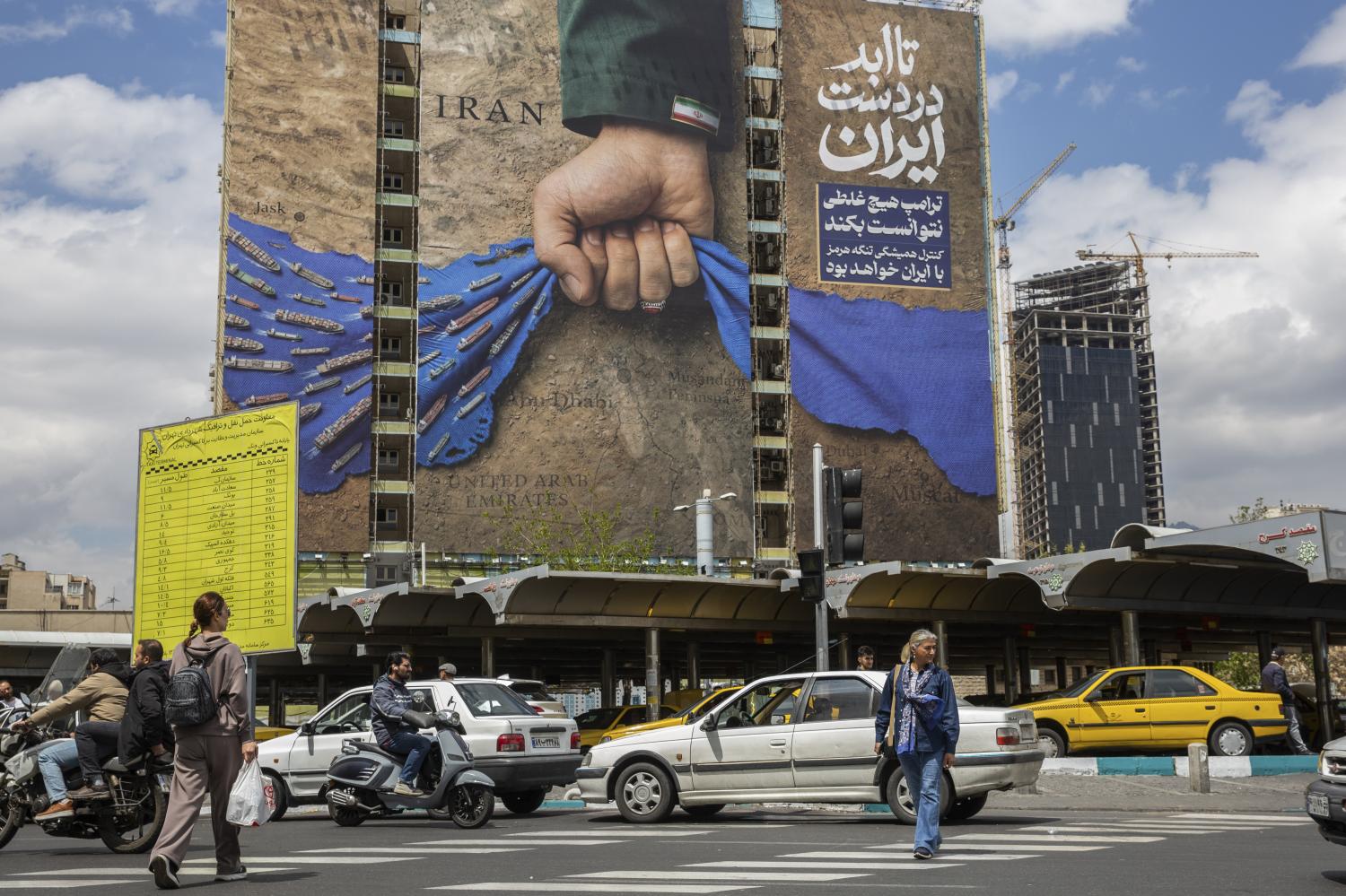
» As the joint attack between the United States and Israel against Iran that resulted in a wider regional conflict in the Middle East approaches its two-month mark, the directions of the war remain precarious while some of the longer-lasting consequences appear evident. Unsurprisingly, the war has been detrimental and damaging for all states and societies concerned, not just within the affected region but the wider world. Already we can start counting some of the long-term costs.
Trump's 'America First' in overdrive
News, Thitinan Pongsudhirak, Published on 23/01/2026
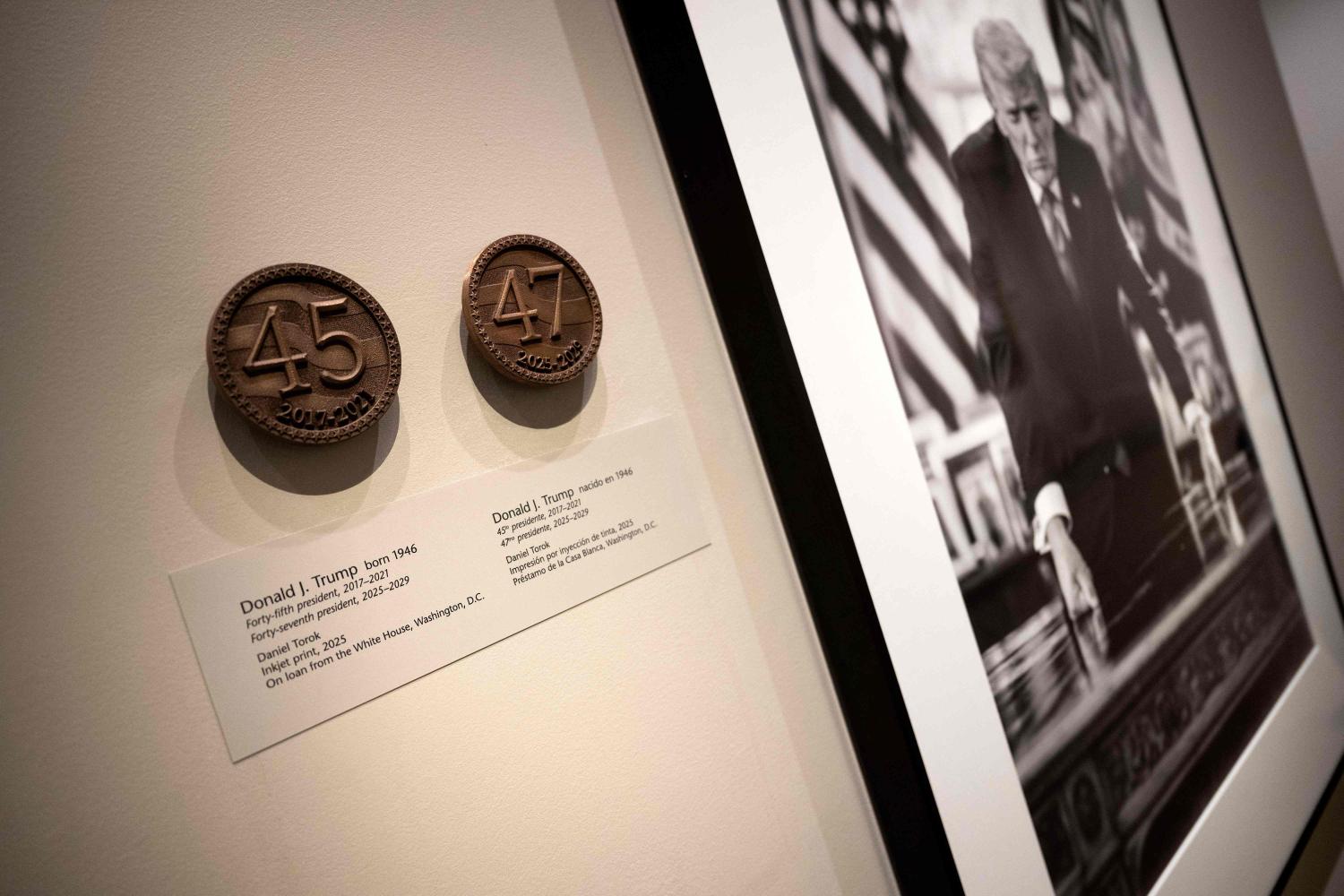
» President Donald Trump's extraterritorial capture of Venezuelan President Nicolas Maduro and his wife on cocaine-trafficking and terrorism-related charges earlier this month and repeated demand to take over Greenland at the World Economic Forum this week are part and parcel of a belligerent and transformative "America First" paradigm that dates back at least four decades.
Asean's regroup requires deep reforms
Oped, Thitinan Pongsudhirak, Published on 17/10/2025
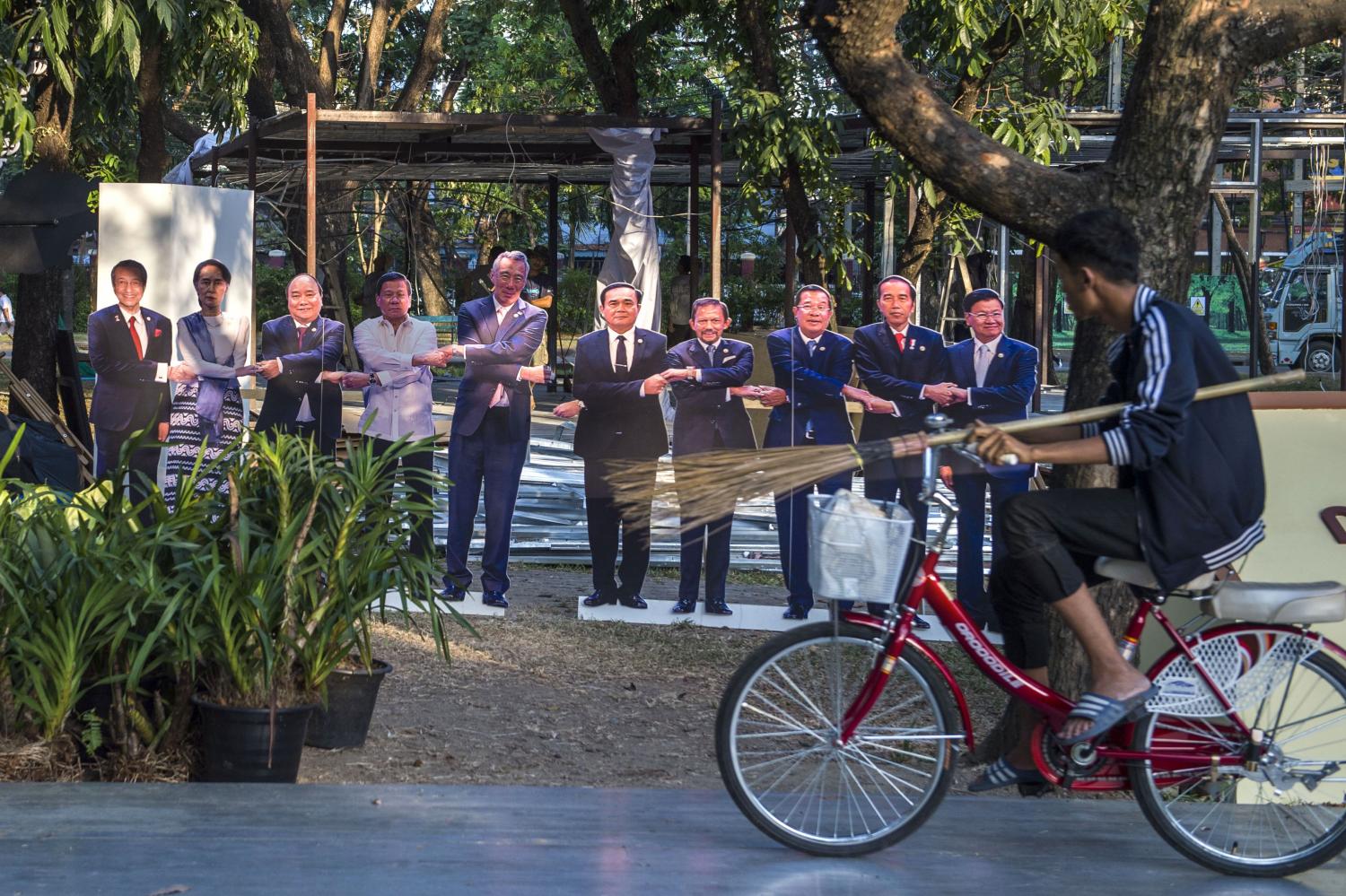
» If Asean's 58 years thus far have been about resilience and playing a central organising role in promoting regional security and stability, its next decade will determine whether the Southeast Asian bloc can adapt and remain relevant. After the crises in Myanmar and along the Thai-Cambodian border, Asean's credibility has never been more in doubt. To regain its effectiveness as Southeast Asia's one and only agency, Asean needs to move away from the ritualistic diplomacy of mundane meetings to far-reaching reforms that chart new ways of making things work.
Southeast Asia amid the US-China rift
Oped, Thitinan Pongsudhirak, Published on 03/10/2025
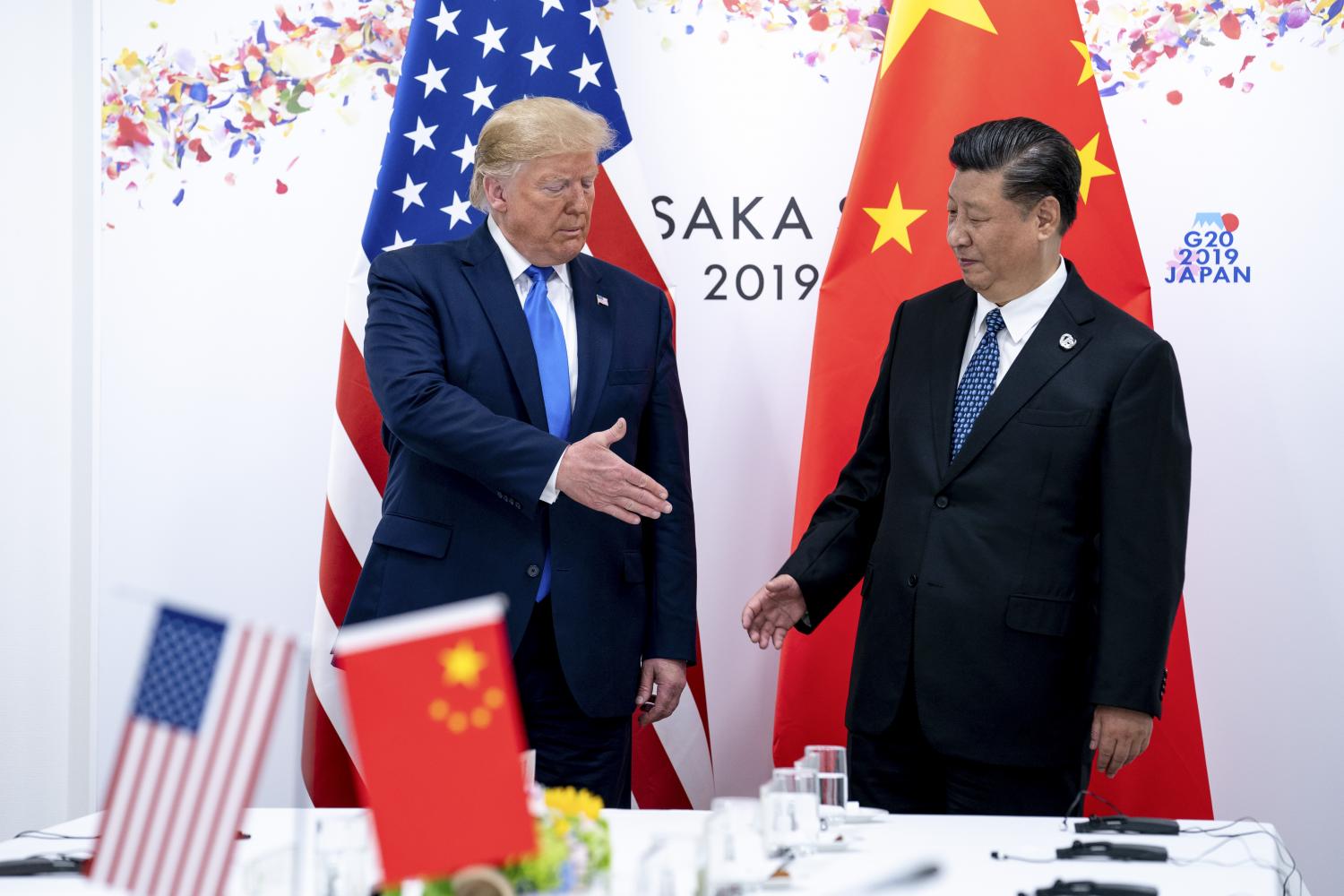
» The rivalry between the United States and China has become the defining contest of the 21st century. Barely two decades ago, Washington and Beijing were partners in prosperity. America's support for China's entry into the World Trade Organization in 2001 epitomised the high-water mark of engagement, reflecting the belief that economic integration would lead to greater political cooperation. Today, that partnership has morphed into suspicion and confrontation. Relations between the United States and China have deteriorated so swiftly that many observers now describe them as locked in a "new Cold War". The more pressing question, however, is not whether this analogy holds, but whether confrontation can be managed short of outright conflict.

Singapore turns 60 with much to show
Oped, Thitinan Pongsudhirak, Published on 08/08/2025
» No country turns 60 like Singapore. In a neighbourhood of political dynasties and varying shades of autocracies and flawed democracies, the little island state of six million got lucky with its strongman rule. When he died in 2015, Singapore's patriarchal founder Lee Kuan Yew left a great country behind. This weekend, Singaporeans can take stock of what's gone by and rightly celebrate its milestone with much to show for.

Remembering a journo like no other
Oped, Thitinan Pongsudhirak, Published on 04/04/2025
» Gwen Robinson was a quintessential journalist who probed for the best scoop and pried for the juiciest gossip, an old-style old hand the likes of which we are unlikely to see again. In the new contentious era of geopolitical conflict and geoeconomic tension underpinned by American economic nationalism, Robinson's journalist craft over more than four decades explaining and linking Asia and the West will be sorely missed.

Foreign policy needs to be democratic
Oped, Thitinan Pongsudhirak, Published on 11/10/2024
» To the extent that foreign policy starts at home, Prime Minister Paetongtarn Shinawatra's latest diplomatic forays should be supported because Thailand has become a regional laggard with its international standing at an all-time low. Elected civilian leaders by the people, as opposed to unelected appointees from military-conservative elites, are the way ahead to regain Thailand's international profile and forward movements. Ms Paetongtarn is evidently not the first-best elected outcome, but she is all Thailand has to work with for now.

Deja vu as charter court weighs MFP ban
Oped, Thitinan Pongsudhirak, Published on 12/01/2024
» It is déjà vu in Thai politics this month as Thailand's biggest elected political party and its leader face Constitutional Court verdicts that could lead to a familiar dissolution and ban. At issue is the political future of Pita Limjaroenrat and the fate of the Move Forward Party (MFP), which he led to a stunning victory at the election last May. However the verdicts come out, they might be perceived by pundits as decided by the political winds of the day.

Thailand's semi-democracy faces risks
Oped, Thitinan Pongsudhirak, Published on 15/12/2023
» The government of Prime Minister and Finance Minister Srettha Thavisin has settled into an uneasy balance between the civilian-led majority forces that represent the Thai electorate and the royalist-conservative minority guardians of the established centres anchored around the monarchy, military, judiciary, and bureaucracy.

Thai political legitimacy in question
Oped, Thitinan Pongsudhirak, Published on 28/07/2023
» The ongoing distortion of election results and systematic subversion of the popular will in Thai politics raise questions of political legitimacy at home and abroad. By all accounts, the combined victory of the opposition Move Forward Party (MFP) and Pheu Thai appears unlikely to lead to their formation of a government. While many voters feel shortchanged by the power plays behind the scenes, what is happening to the MFP should behove the international community to draw a red line across which the eventual government outcome cannot be deemed democratically legitimate and credible in reflection of voter preferences.