



Showing 1 - 10 of 19
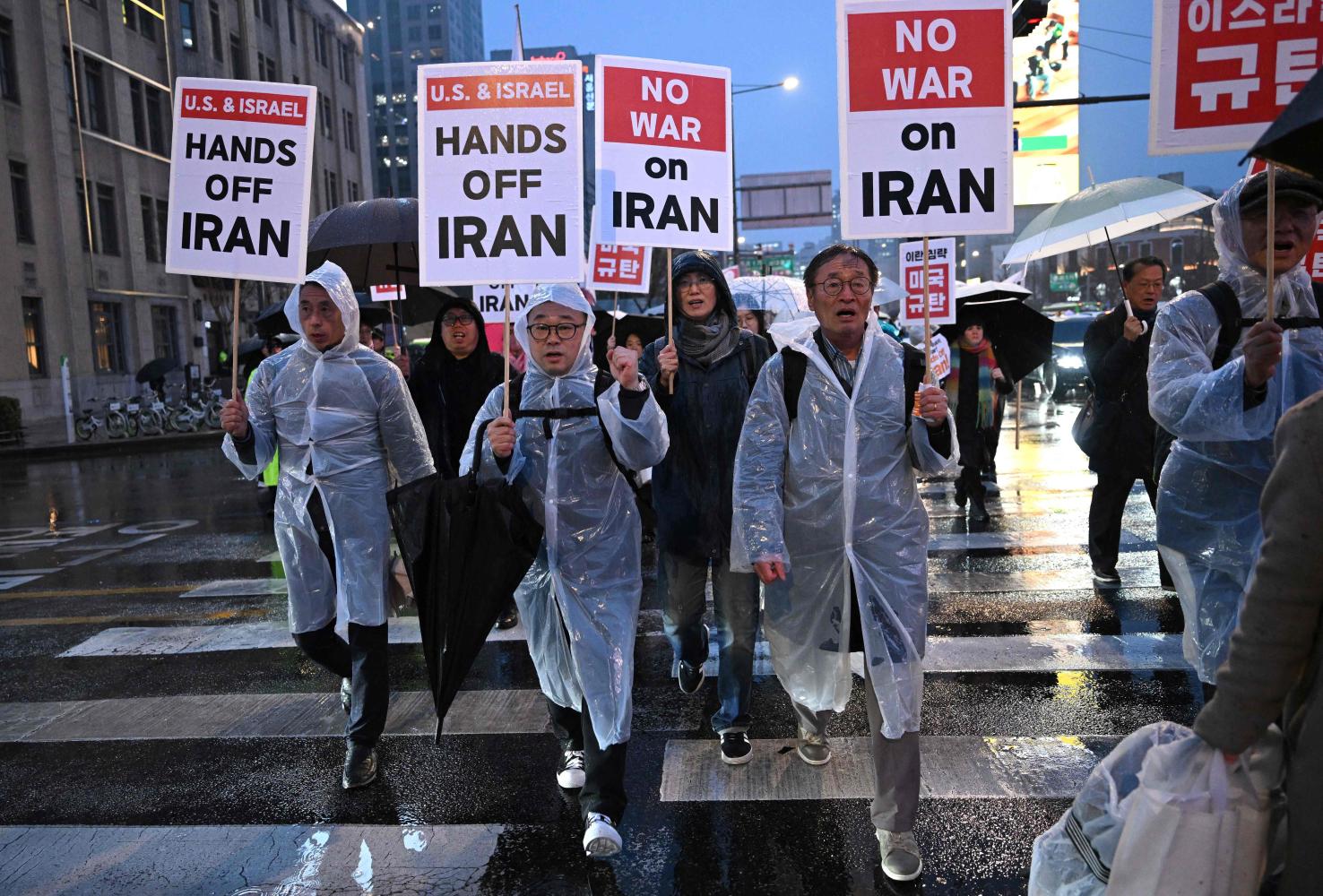
America risks grand folly in Iran war
Oped, Thitinan Pongsudhirak, Published on 06/03/2026
» It is just the first week of the joint attack between the United States and Israel on the Islamic Republic of Iran, but the repercussions from the Middle East for the Indo-Pacific are already discernible.

Indonesia leads Asean into Brics+
Oped, Thitinan Pongsudhirak, Published on 17/01/2025
» As the new year gets underway with the looming re-inauguration of United States President Donald J Trump, countries and entire regions are having to manoeuvre and realign in view of an accelerated breakdown of the post-Second World War rules-based liberal international order.

Trump's tariff blackmail boosts Brics
Oped, Thitinan Pongsudhirak, Published on 06/12/2024
» Even before officially taking office, United States President-elect Donald J Trump is shaking up the international system with drama and fanfare unlike any other major leader in recent memory. His most recent outburst to slap 100% tariffs on the "Brics" countries -- Brazil, Russia, India, China, and South Africa, as well as Egypt, Ethiopia, Iran and the United Arab Emirates -- is a case in point. While it will coerce developing economies to think twice about the cost of going their own way, this tariff blackmail and others like it also risk pushing smaller countries away from the US to other rival big powers, particularly China.

Charter a straitjacket on democracy
Oped, Thitinan Pongsudhirak, Published on 19/05/2023
» The military-appointed constitution drafting committee that was set up after the coup in 2014 surely knew what it was doing. It crafted a charter in 2017 that now acts as a straitjacket on Thailand's democratic outcome from the general election last Sunday.

Post-Covid headwinds hit the region
Oped, Thitinan Pongsudhirak, Published on 14/10/2022
» As the five economies in mainland Southeast Asia re-emerge from the Covid-19 pandemic, their prospects for recovery and return to growth and development appear challenged, characterised by deteriorating balance of payments, fiscal weaknesses, currency depreciations, and rising inflation amidst global monetary tightening and recession risks.

Cambodia and Laos in the regional mix
Oped, Thitinan Pongsudhirak, Published on 30/09/2022
» As geopolitical tensions from Russian aggression in Ukraine and the ongoing United States-China rivalry intensify, Southeast Asia will be hard-pressed to maintain peace and security. Despite their relatively small size, Cambodia and Laos are two countries whose political trajectories will shape regional outcomes. While Cambodia has consolidated domestic political power with dynamic economic expansion, Laos is looking like a regional laggard facing a deep debt crisis. As Cambodia moves forward, Laos is at risk of being left behind.
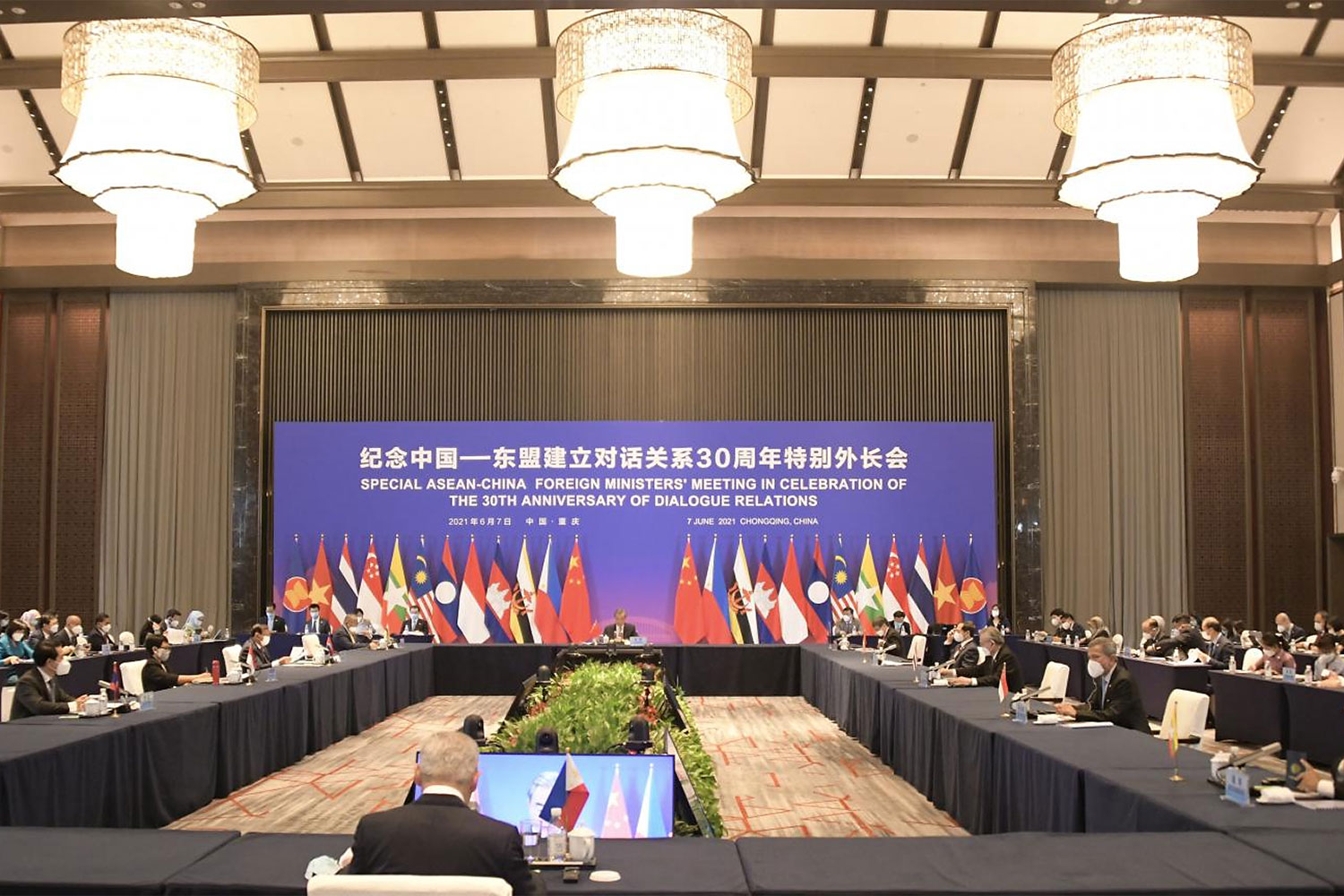
China's way with a divided, inert Asean
Oped, Thitinan Pongsudhirak, Published on 18/06/2021
» The recent Asean-China foreign ministers' meeting early this month in Chongqing was crucial for its timing and circumstances. Co-chaired by Chinese Foreign Minister Wang Yi and Philippine Foreign Secretary Teodoro Locsin, it was the first "in-person" meeting among foreign ministers of both sides since the Covid-19 period began early last year.

Myanmar: From diplomacy to force
Oped, Thitinan Pongsudhirak, Published on 30/04/2021
» At its recent "special" summit in Jakarta on Myanmar's crisis, Asean reached its diplomatic maximum by coming up with a "five-point consensus" that will likely prove too little and too slow. Constrained by consensus and its non-interference principle where any of its 10 members has a virtual veto, Asean's overdue response to Myanmar's fast-escalating violence on the ground is likely to prove ineffective. As Asean's diplomacy faces limitations, more of Myanmar's outcomes are likely to be decided by the use of force in an intensifying civil war.

What the 'Pimrypie' sensation foretells
Oped, Thitinan Pongsudhirak, Published on 22/01/2021
» While it became a storm in a teacup, the recent phenomenon involving YouTuber and online retailer Pimradaporn "Pimrypie" Benjawattanapat yields longer-term implications and meanings. Pimrypie's charity drive for Children's Day that provided solar panels and electricity to underprivileged kids in a far-flung village of Omkoi district 300 kilometres from Chiang Mai spoke volumes about the structure and shortcomings of Thailand's paternalist state and what needs to be done to tackle it.

Geoeconomic implications of Covid-19
Oped, Thitinan Pongsudhirak, Published on 26/06/2020
» The longer the coronavirus pandemic wends its way around the world, the more it takes on permanent features. As case infections still persist virulently, especially in the US, Brazil, Russia and India, states, societies and individuals are being forced to make adjustments. There will be winners and losers in the geoeconomic competition for market shares and supply chains. Those with more effective public health systems will stand in good stead with opportunities to re-emerge less scathed and better positioned to carry on, whereas others with less adequate health infrastructure will face more risks and disadvantages. For the first time in generations, health security has become the main determinant in the fate of nations and peoples.