



Showing 1 - 4 of 4
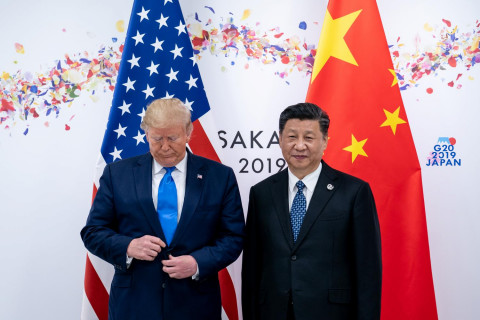
A perilous era of absolute advantage
News, Thitinan Pongsudhirak, Published on 25/04/2025
» If a date had to be pinpointed, the post-Second World War international system came to an unmistakable end on April 2 -- the so-called "Liberation Day" -- when US President Donald Trump announced comprehensive "reciprocal" tariffs to a bewildered global audience. The blatantly protectionist move was equivalent to the United States' abrogation and abandonment of the rules-based international order that it ironically and instrumentally constructed and upheld over nearly eight decades. What comes now is a dangerous era of absolute advantage in global trade, investment, and finance, bent on unilateralism over multilateralism, competition over cooperation, nationalism over interdependence, and the singular quest to dominate and reshape the global pecking order under the rubric of making America "great again".
Central bank autonomy must be upheld
News, Thitinan Pongsudhirak, Published on 16/08/2019
» When elected governments make noises about economic growth in countries where macroeconomic management is sound and prudent, central bankers tend to quietly bristle and brush off such interference and infringement of monetary space at their own risk. In so doing, central bankers tend to enjoy the support of domestic and international market participants who value central bank independence more than politicians' vested interests, even if it sometimes undercuts their bottom lines. Accordingly, when central bankers go along with the preferences of elected politicians, the conduct of monetary policy comes into question.
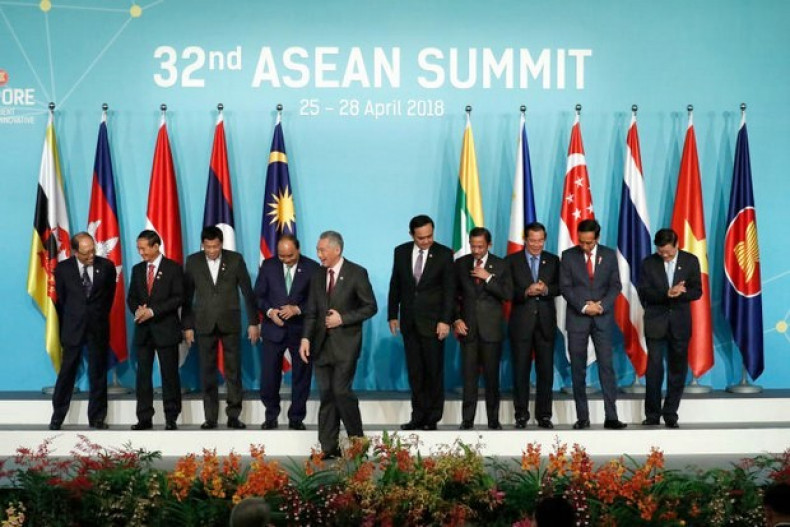
Maintaining what's left of rules-based order
News, Thitinan Pongsudhirak, Published on 20/07/2018
» For anyone who is alive today, the world as we know it has never been so stirred and shaken. The international order based on a common set of institutions, rules and norms that used to be widely cherished and universally beneficial is unravelling before our collective and helpless eyes. From an emerging United States-China trade war and Beijing's militarised occupation of the South China Sea to Russia's revanchist annexation of Crimea, world order over the past several years has been breaking down. Those who once set the rules, principally the US, are breaking them, while aspiring new rule-setters, mainly China, have not found sufficient international reception. Rule-takers, such as the smaller states in Asean, suffer the most when set rules lose cohesion, lustre and abidance.
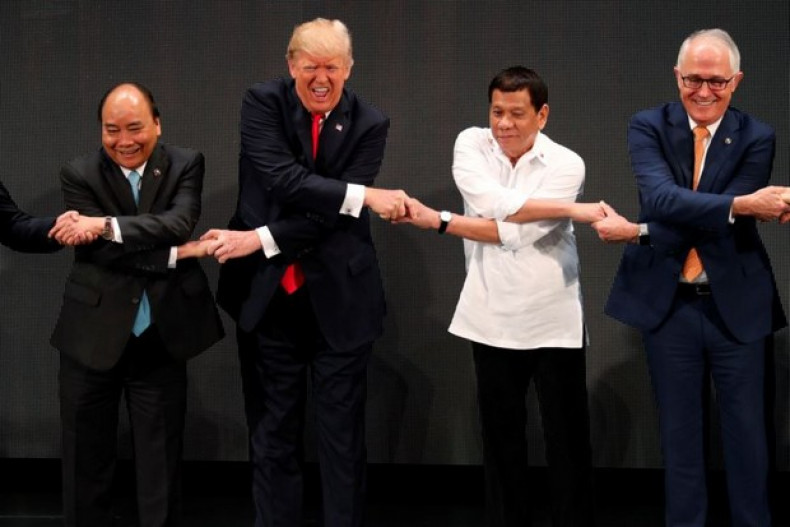
Southeast Asia-US relations under Trump
News, Thitinan Pongsudhirak, Published on 18/05/2018
» Widely despised at home and abroad, US President Donald Trump is still in office well over a year into his controversial first term. Daily headlines from the leading media of the world have suggested from the outset that he is likely to be impeached, that his presidency is destined to be derailed due to this or that scandal. In the predominant view of the global intelligentsia more broadly, Mr Trump has been so damaging and toxic to the fabric of American democratic values and to the coherence and longevity of the rules-based liberal international order that has lasted over the past seven decades that he should not be allowed to last a full four-year term.