



Showing 1 - 9 of 9
No-confidence and poll date in flux
Oped, Thitinan Pongsudhirak, Published on 14/11/2025
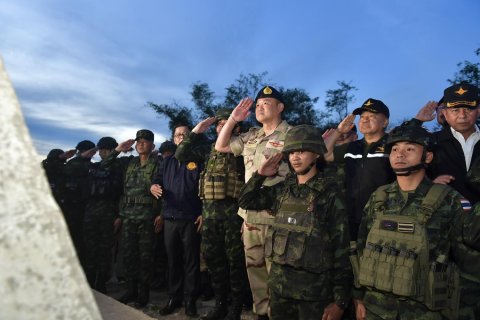
» Amid the drumbeats of military conflict with Cambodia, Thailand's political environment is evidently unruly and unsettled. The minority government of Anutin Charnvirakul, the third prime minister from the third largest-winning party since the latest national election in May 2023, is hard-pressed to stay in office beyond the four-month "Memorandum of Agreement" between his Bhumjaithai Party (BJT) and the People's Party (PP), the largest camp in the national assembly.
Thai politics back at the brink (again)
Oped, Thitinan Pongsudhirak, Published on 04/07/2025
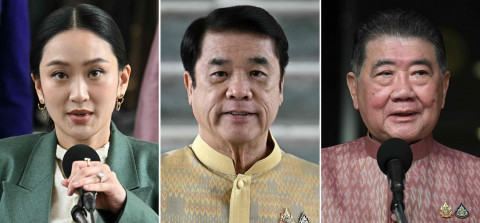
» The Constitutional Court's suspension of Paetongtarn Shinawatra from the premiership is déjà vu, exposing a pattern of systematic manipulation and concoction of political outcomes. After so many dissolutions of leading political parties and repeated bans of elected representatives over two decades, it is time to call a spade a spade. Thailand is a faux democracy. Its core foundations constitute an autocratic regime that does not really care about the country's future and the collective will of its people.
PM's crisis and Thai political directions
Oped, Thitinan Pongsudhirak, Published on 27/06/2025
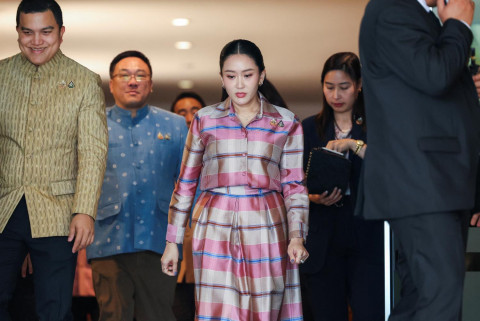
» What began just a month ago as a minor border dispute with Cambodia has spiralled into an existential political crisis in Thailand. In what she understood to be a private phone conversation with Cambodia's former prime minister and Senate President, Hun Sen, Prime Minister Paetongtarn Shinawatra compromised her premiership and undermined Thai national interests. While she tries to ride out the storm, her tenure appears wobbly and unworkable. What comes next will likely proceed in one of three directions revolving around the Thai parliamentary processes, each with its own scenarios and considerations.
Thailand's holding pattern till next poll
Oped, Thitinan Pongsudhirak, Published on 10/09/2021
» Thailand's recent no-confidence debate in parliament started with a bang and ended with a whimper. Prime Minister Prayut Chan-o-cha and five other cabinet members who were grilled by opposition MPs for pandemic mishandling, budget irregularities and overall mismanagement and incompetence sailed through the parliamentary vote based on the coalition government's strength in MP numbers rather than the merits of its governance.
Give parliamentary politics a chance
News, Thitinan Pongsudhirak, Published on 26/07/2019
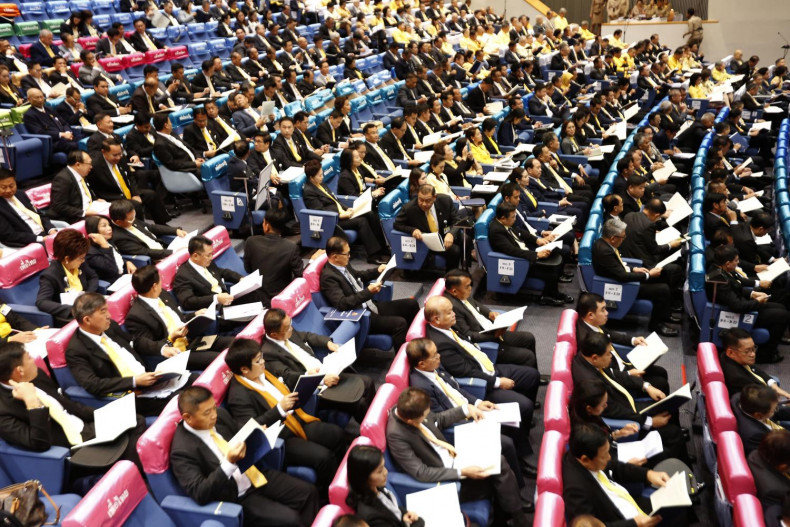
» After a five-year hiatus, parliamentary politics returns this week with a constitutionally mandated policy statement by the coalition government of Prime Minister Prayut Chan-o-cha. With government and opposition back at work again, in contrast to the previous military-appointed rubber-stamp legislature under junta rule, Thailand has yet another small window of opportunity to regain and rebuild popular rule.
Anti-regime? Join the opposition ranks
News, Thitinan Pongsudhirak, Published on 17/05/2019
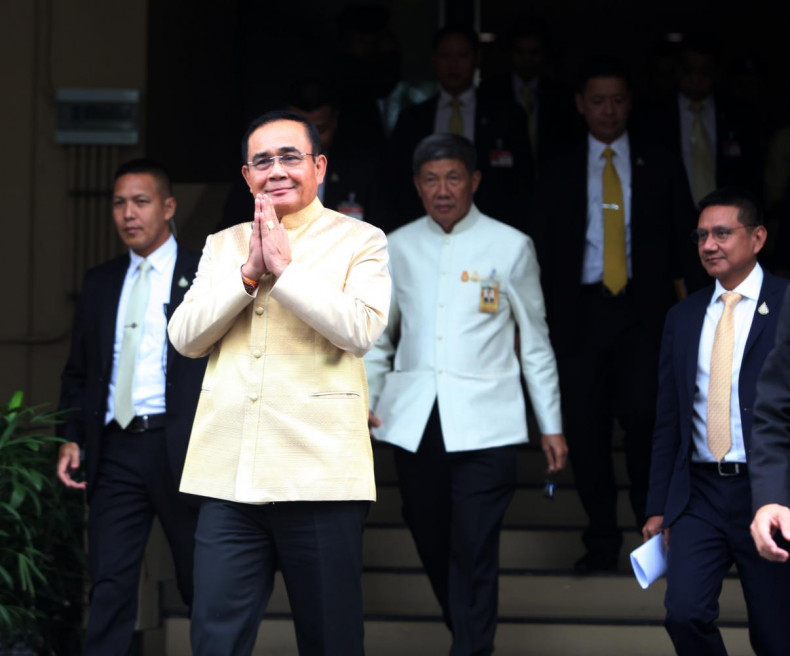
» Five years after it seized power in May 2014, Thailand's military junta, known as the National Council for Peace and Order (NCPO), has achieved what it envisaged.
Policy ideas absent from poll campaign
News, Thitinan Pongsudhirak, Published on 01/03/2019
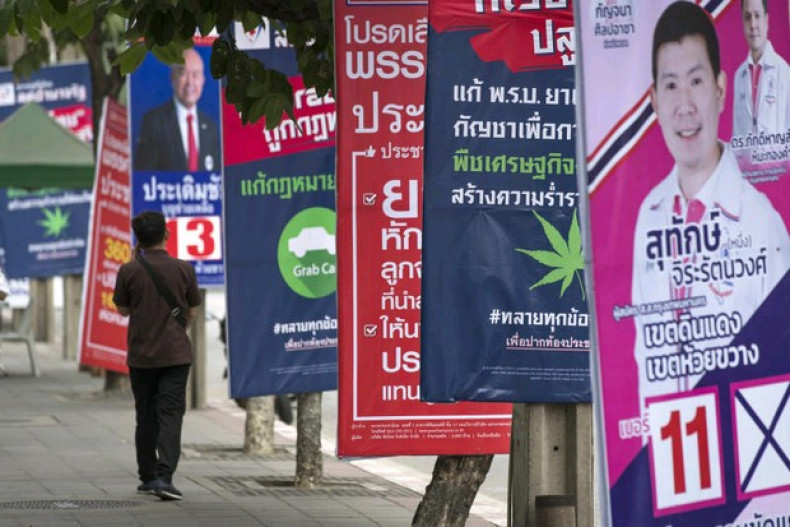
» As the election campaign season moves into full swing after a nearly eight-year hiatus, many will see it as the same old tired routine of politicians smearing each other, slinging mud and squabbling all the way to the poll and beyond.
Facing up to Thailand's role as Asean chair
News, Thitinan Pongsudhirak, Published on 09/11/2018
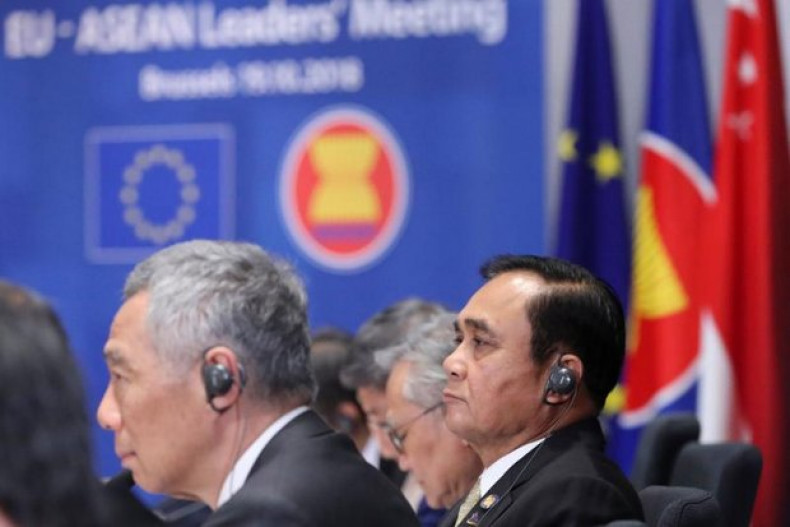
» As Thailand gears up to chair Asean next year, a sense of deja vu is setting in. The last time Thailand held its rotational turn at Asean's helm from July 2008 to December 2009, it was undermined by domestic street protests that ended up disrupting top-level meetings and abruptly sending Asia-Pacific leaders home prematurely. Owning up to what transpired, it has to be said that the Thai hosting of Asean-centred summits back then was an utter fiasco.
Asia at risk of being its own worst enemy
News, Thitinan Pongsudhirak, Published on 31/08/2018
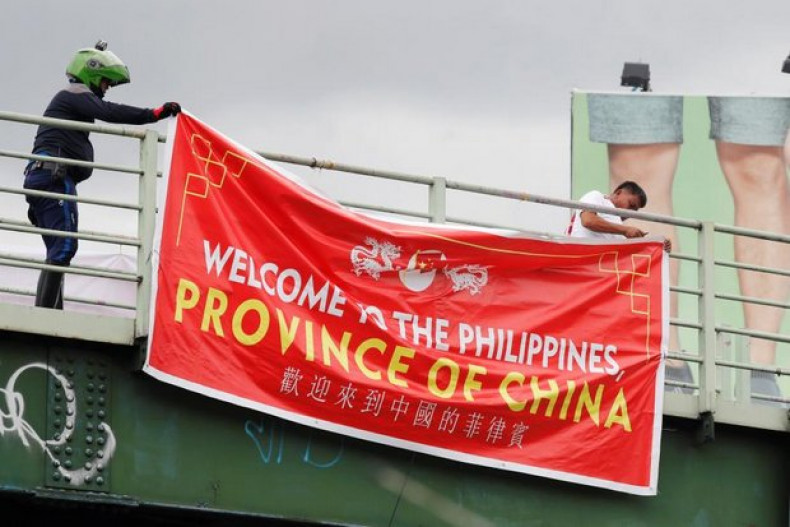
» The broad unravelling of the post-war liberal international system is no longer a matter of dispute. Its manifestations over the past decade from the disintegration of the Middle East as we knew it and the de-integration of the European Union with "Brexit" and anti-migration sentiment to the United States' unilateral turn against openness and liberal values so fundamental to its rise all testify to a murky and portentous international environment. Similarly, the global trading system no longer works like it used to as multilateral trade liberalisation has given way to plurilateral and bilateral free-trade agreements.