



Showing 1 - 10 of 39
Government stability tests performance
Oped, Thitinan Pongsudhirak, Published on 03/04/2026
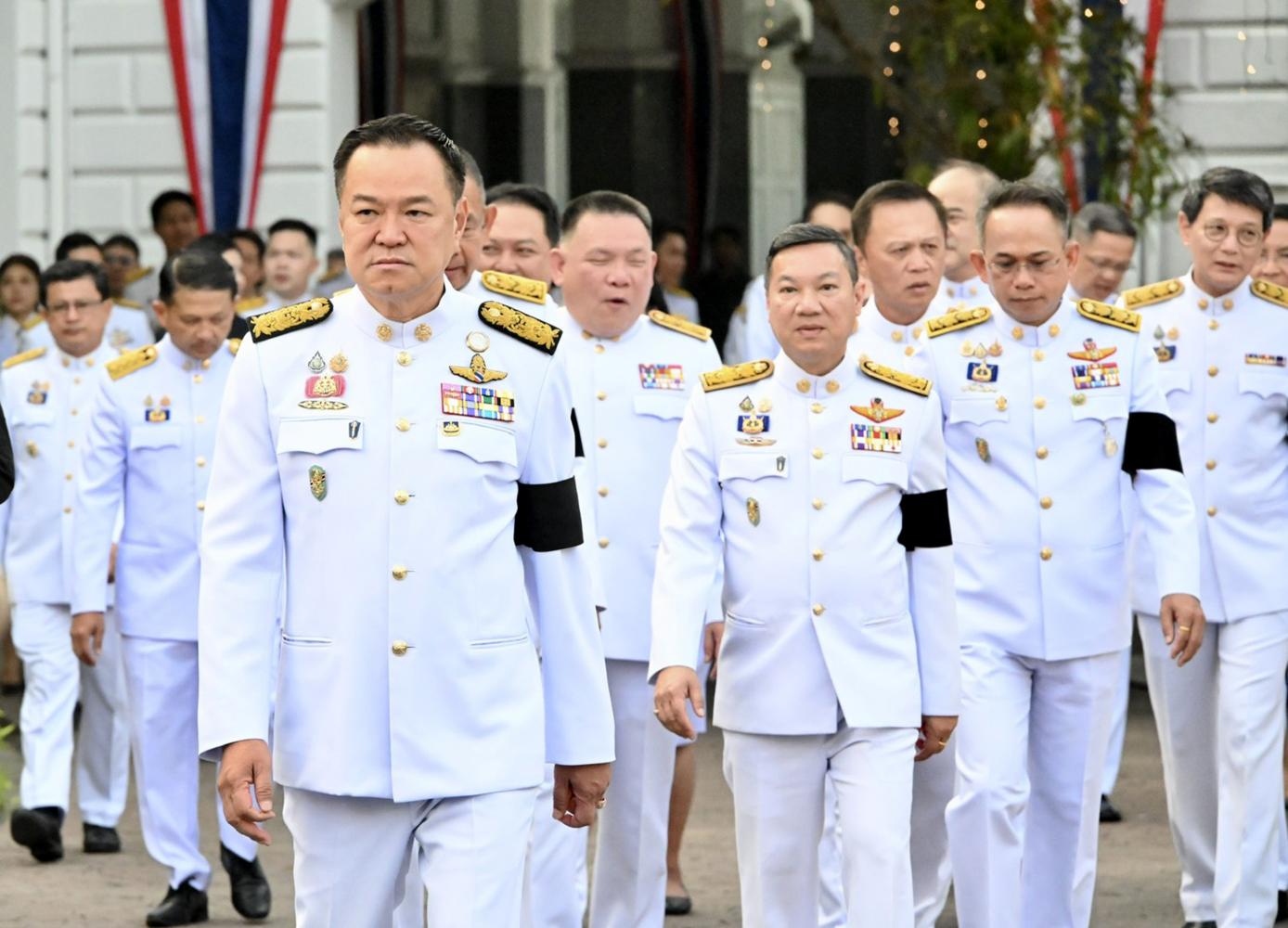
» Prime Minister Anutin Charnvirakul has gone from strength to strength, leveraging a stopgap minority government late last year into solid majority rule after the Feb 8 election.
No-confidence and poll date in flux
Oped, Thitinan Pongsudhirak, Published on 14/11/2025
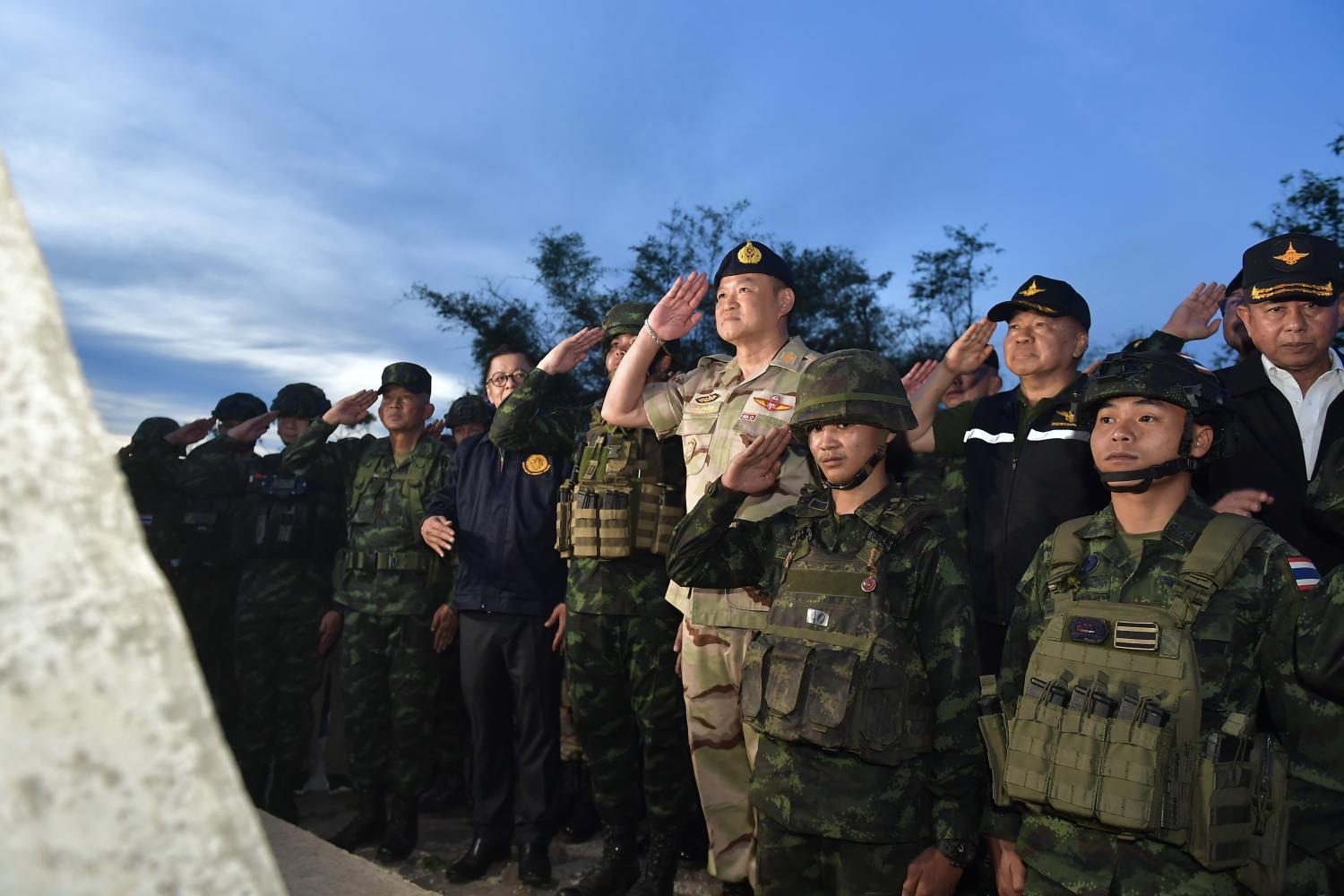
» Amid the drumbeats of military conflict with Cambodia, Thailand's political environment is evidently unruly and unsettled. The minority government of Anutin Charnvirakul, the third prime minister from the third largest-winning party since the latest national election in May 2023, is hard-pressed to stay in office beyond the four-month "Memorandum of Agreement" between his Bhumjaithai Party (BJT) and the People's Party (PP), the largest camp in the national assembly.
Digesting Trump's trip through Asia
Oped, Thitinan Pongsudhirak, Published on 07/11/2025
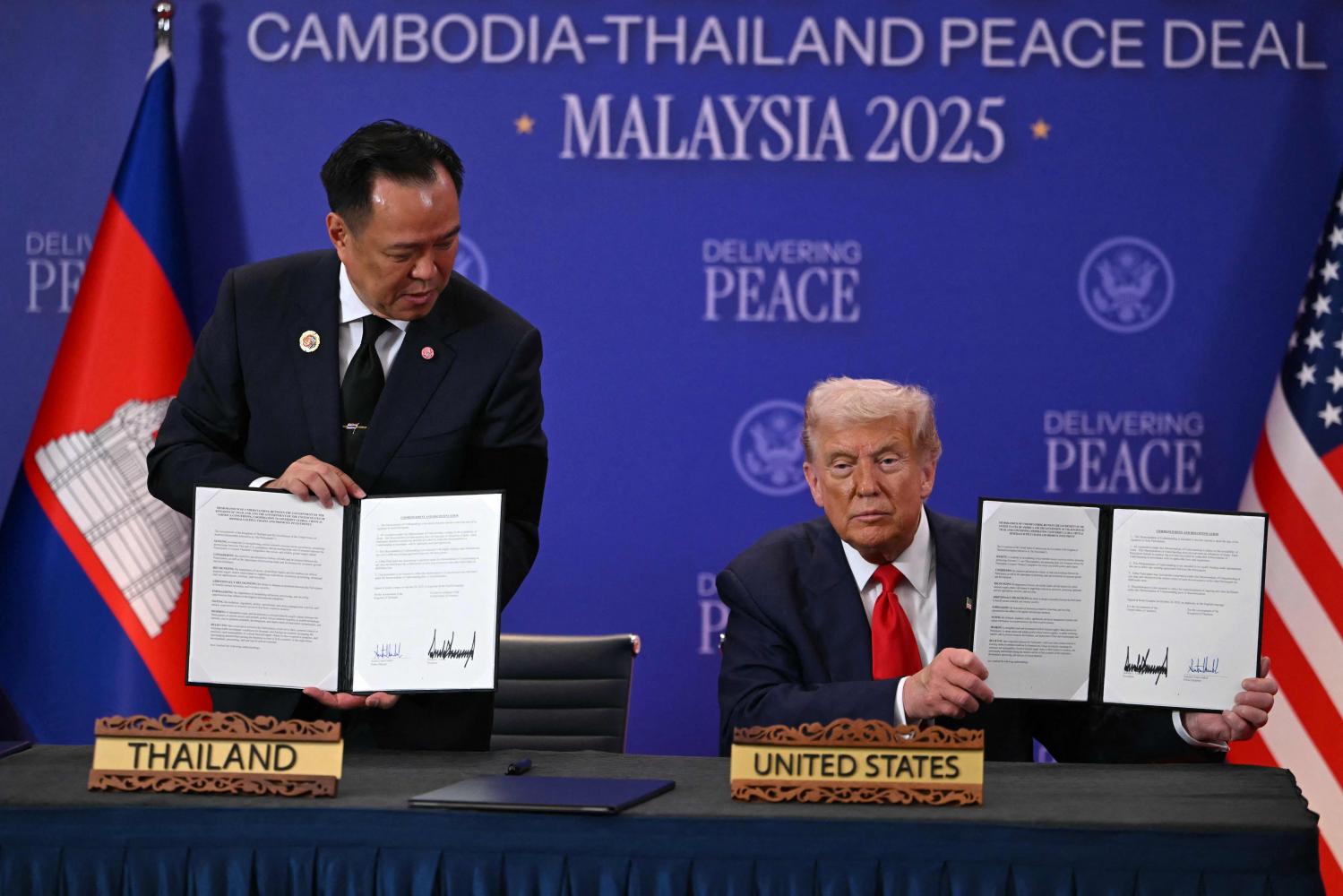
» Storming through Asia last week, US President Donald Trump's first stop in Kuala Lumpur on Oct 26, before moving on to Japan and South Korea over the next four days, capped by his meeting with Chinese President Xi Jinping before returning to Washington, was the most consequential for Southeast Asian economies.
Southeast Asia amid the US-China rift
Oped, Thitinan Pongsudhirak, Published on 03/10/2025
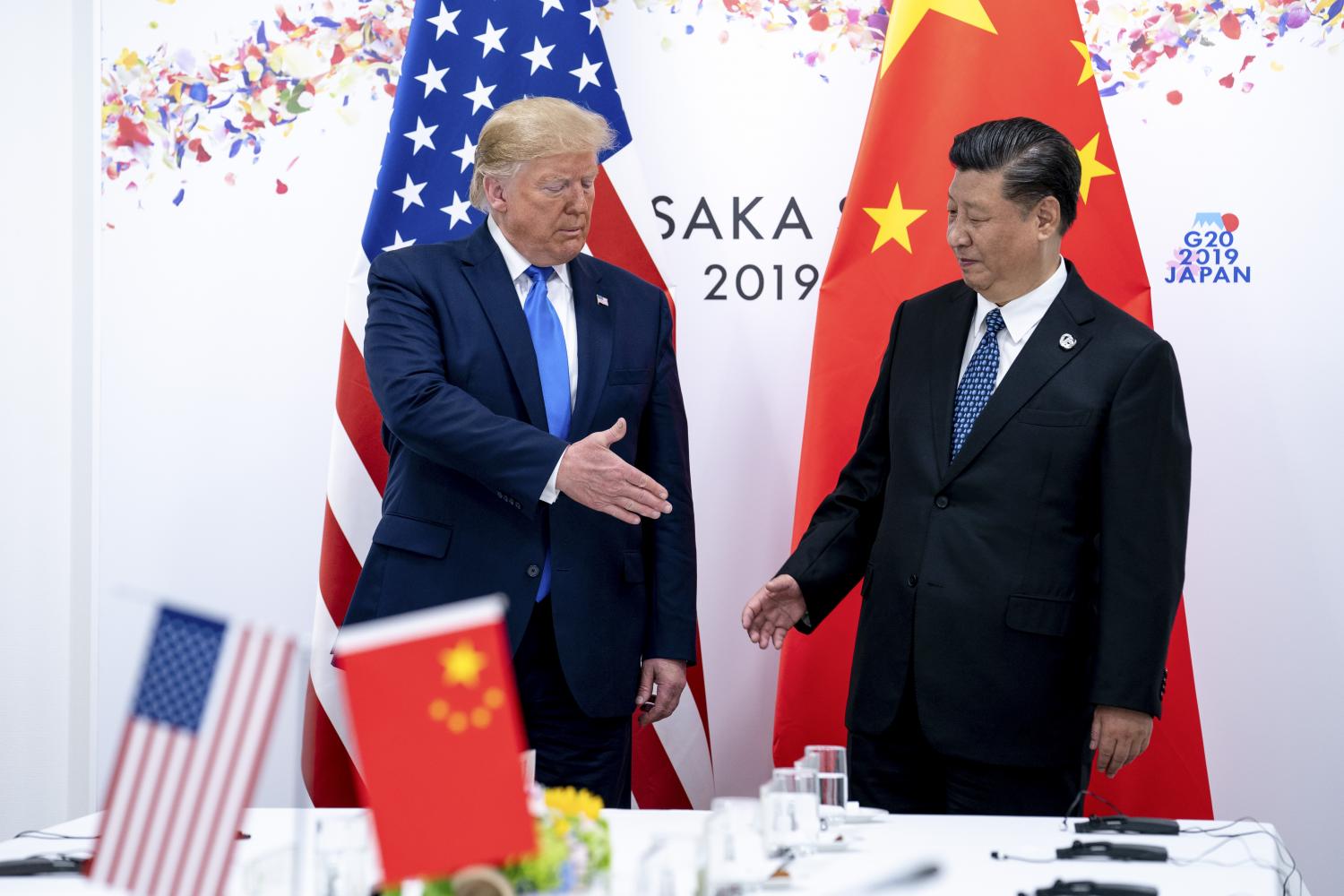
» The rivalry between the United States and China has become the defining contest of the 21st century. Barely two decades ago, Washington and Beijing were partners in prosperity. America's support for China's entry into the World Trade Organization in 2001 epitomised the high-water mark of engagement, reflecting the belief that economic integration would lead to greater political cooperation. Today, that partnership has morphed into suspicion and confrontation. Relations between the United States and China have deteriorated so swiftly that many observers now describe them as locked in a "new Cold War". The more pressing question, however, is not whether this analogy holds, but whether confrontation can be managed short of outright conflict.

Thailand needs a geostrategic rebalance
Oped, Thitinan Pongsudhirak, Published on 06/06/2025
» With two military coups and multiple judicial interventions that combined to subvert election results and weaken democratic institutions over the past two decades, it is unsurprising that Thailand's geostrategic position has leaned increasingly towards China. Naturally, the more Thailand becomes autocratic, the more it will be estranged from established democracies in Europe and North America, as well as Japan and South Korea, with nowhere to turn but to Beijing. But this China orientation is a geostrategic mistake at this time. Thailand should correct its course until clearer signs emerge as to which side of the superpower struggle will come out on top.

Authentic intelligence rises with AI
Oped, Thitinan Pongsudhirak, Published on 16/05/2025
» As the cognitive power and proliferation of artificial intelligence take the world by storm, the case for authenticity and originality paradoxically becomes more compelling and carries higher premiums. It is now a widely accepted reality that AI is on its way to master human thought processes and proceed beyond them. This means that it will be more difficult for humans to differentiate between what comes from AI and what does not. As such, the time has come after nearly 40 years of being published -- including more than 25 of them with this newspaper -- that this column goes subjective.

A perilous era of absolute advantage
News, Thitinan Pongsudhirak, Published on 25/04/2025
» If a date had to be pinpointed, the post-Second World War international system came to an unmistakable end on April 2 -- the so-called "Liberation Day" -- when US President Donald Trump announced comprehensive "reciprocal" tariffs to a bewildered global audience. The blatantly protectionist move was equivalent to the United States' abrogation and abandonment of the rules-based international order that it ironically and instrumentally constructed and upheld over nearly eight decades. What comes now is a dangerous era of absolute advantage in global trade, investment, and finance, bent on unilateralism over multilateralism, competition over cooperation, nationalism over interdependence, and the singular quest to dominate and reshape the global pecking order under the rubric of making America "great again".

The tyranny of anarchy and what to do
Oped, Thitinan Pongsudhirak, Published on 21/03/2025
» It is both exciting and alarming to be a student of international affairs as the world is being turned upside down. In just two months, the second administration of President Donald J Trump has sent shockwaves rippling through the international system as the United States pulls back from its role as leader, underwriter, and guardian of the nearly 80-year-old international order that it instrumentally constructed after WWII. In view of the US's portentous withdrawal, relative anarchy in the international system is back with a vengeance, leaving Asean members and smaller states elsewhere to fend for themselves in a self-help geostrategic environment.

New government is new wine in old bottle
Oped, Thitinan Pongsudhirak, Published on 13/09/2024
» On the face of it, the new government under Prime Minister Paetongtarn Shinawatra appears to be a generational shift and gender breakthrough. Ms Paetongtarn is the youngest prime minister ever at 38 and only the second female government leader after her aunt Yingluck Shinawatra in 2011-14. The Paetongtarn cabinet features a record eight women among 36 with more ministers in their 30s-50s and fewer above 60. Yet on closer scrutiny, the new and younger faces are largely family legacies and proxies, surrounded by old-style politicians, while the new government's policy directions sound dated not well-suited for the times ahead.

Thailand's judiciary faces challenges
Oped, Thitinan Pongsudhirak, Published on 24/05/2024
» Thailand appears to be a country of 70 million, ultimately ruled by an unelected few. This sobering reality was on display when two connected groups of top generals seized power from democratically elected governments in September 2006 and May 2014. Unlike these blatant military coups over the past two decades, at issue now is the power and role of the judiciary. While Thailand has another democratically elected civilian government under Prime Minister Srettha Thavisin, the question that needs to be asked is whether the country is effectively under judicial rule.