



Showing 1 - 10 of 25
Impacts of Iran war on Southeast Asia
Oped, Thitinan Pongsudhirak, Published on 20/03/2026
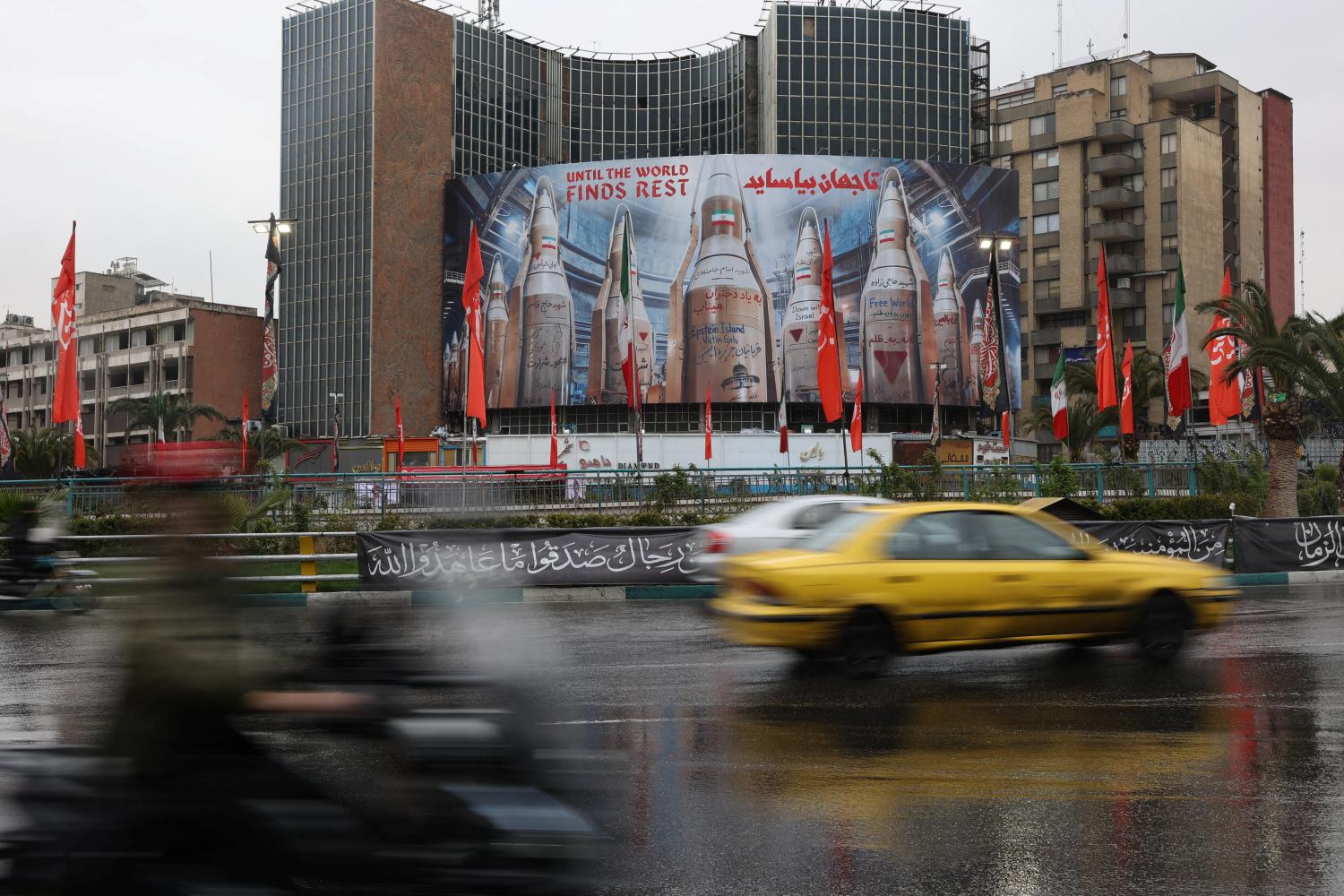
» For the most part, Southeast Asia as a region has taken a neutral stance toward the joint attack between the United States and Israel against the Islamic Republic of Iran. Even the Philippines and Thailand, two formal US treaty allies, have distanced themselves, calling for restraint and de-escalation.
Digesting Trump's trip through Asia
Oped, Thitinan Pongsudhirak, Published on 07/11/2025
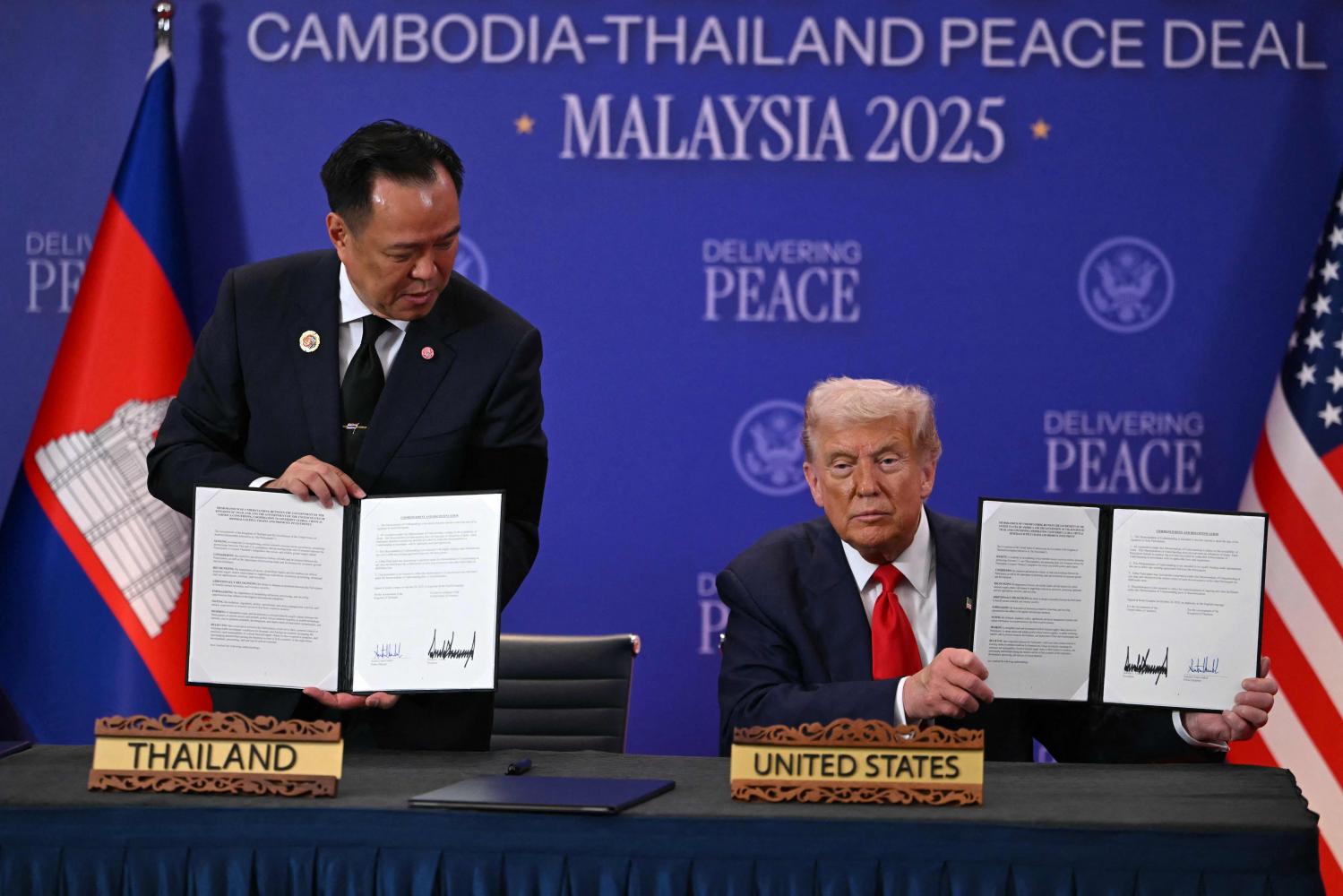
» Storming through Asia last week, US President Donald Trump's first stop in Kuala Lumpur on Oct 26, before moving on to Japan and South Korea over the next four days, capped by his meeting with Chinese President Xi Jinping before returning to Washington, was the most consequential for Southeast Asian economies.

The tyranny of anarchy and what to do
Oped, Thitinan Pongsudhirak, Published on 21/03/2025
» It is both exciting and alarming to be a student of international affairs as the world is being turned upside down. In just two months, the second administration of President Donald J Trump has sent shockwaves rippling through the international system as the United States pulls back from its role as leader, underwriter, and guardian of the nearly 80-year-old international order that it instrumentally constructed after WWII. In view of the US's portentous withdrawal, relative anarchy in the international system is back with a vengeance, leaving Asean members and smaller states elsewhere to fend for themselves in a self-help geostrategic environment.

Uyghurs deportation a strategic risk
Oped, Thitinan Pongsudhirak, Published on 07/03/2025
» Regardless of official spin, the government's decision to deport 40 Uyghurs to China was a strategic mistake on multiple levels.

Thailand's spreading rot of irregularity
Oped, Thitinan Pongsudhirak, Published on 19/07/2024
» The rot in Thailand's institutional makeup has become so deep, dense and widespread that it can be found nearly everywhere there is controversy. Newly elected Senator Keskamol Pleansamai is the latest case in point. Just about everything that comes with her meteoric rise to the Senate spurs accusations of irregularity and impropriety.
Geopolitical takeaways from SEA meets
Oped, Thitinan Pongsudhirak, Published on 25/11/2022
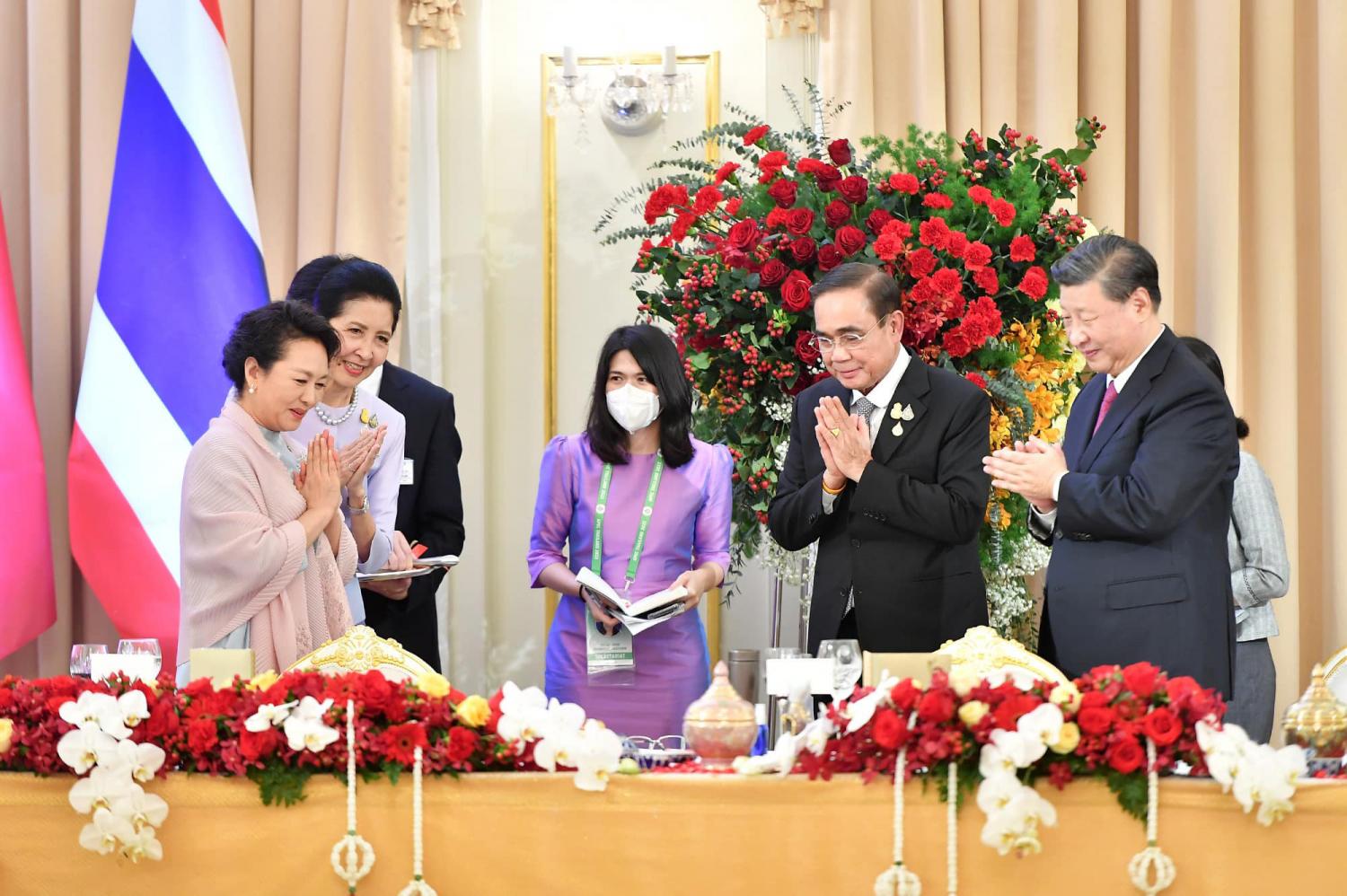
» Southeast Asia's summit season has come and gone with takeaways that concurrently eased geopolitical tensions and underlined risks that could lead to future global conflict. The three major summits -- the East Asia Summit (EAS) in Phnom Penh, the G20 in Bali, and the Asia-Pacific Economic Cooperation (Apec) in Bangkok -- also demonstrated that the Covid-19 pandemic over 2020-21 has been practically overcome as in-person meetings are back in full force. Overall, the three hosts came away with mixed highlights.

Apec's geopolitics and geoeconomics
Oped, Thitinan Pongsudhirak, Published on 11/11/2022
» The upcoming leaders' meeting in Bangkok among the 21 member economies of the Asia-Pacific Economic Cooperation (Apec) should be seen in conjunction with its preceding Asean-related summits in the Cambodian capital of Phnom Penh and the G20 summit in Bali, the Indonesian island resort. This one-two-three combination in three Southeast Asian countries over a ten-day period is supposed to showcase Asean's central role in the promotion of peace, security and prosperity in the region and the wider world. But as Asean's summit season gets underway in Cambodia, excitement and promise have given way to anxieties and apprehensions. While these summit talks are an extraordinary opportunity to tone down geopolitical temperatures and geoeconomic competition, they are likely to yield mixed results.

Geoeconomics of the US-China tech war
Oped, Thitinan Pongsudhirak, Published on 16/09/2022
» Chinese President Xi Jinping's arrival in Central Asia this week in his first overseas travel in nearly three years is perhaps the most consequential irony of the coronavirus pandemic. As the place where the deadly pandemic began in early 2020, China was the first to swiftly and successfully suppress and contain Covid-19 within weeks, while its counterparts in North America and Europe languished for months under mounting death tolls and hospitalisations.

Implications of Blinken's aborted visit
Oped, Thitinan Pongsudhirak, Published on 17/12/2021
» Having skipped Thailand due to a Covid-19 case among his travel delegation, the United States Secretary of State Antony Blinken's aborted three-country tour of Southeast Asia has hindered the full projection of President Joe Biden's Indo-Pacific geostrategy. Not wrapping up the trip with a visit to Thailand, a mainland Southeast Asia pivot and longstanding US treaty ally, also misses an opportunity to shore up what has been a relative bilateral estrangement. In short, Secretary Blinken's diplomatic foray in Southeast Asia has fallen short for the time being.

The UK moves into a tougher new world
Oped, Thitinan Pongsudhirak, Published on 24/09/2021
» The United Kingdom is on the move. From the "Brexit" referendum result more than five years ago to the recent launch of the Australia-United Kingdom-United States (Aukus) trilateral security partnership, it is unmistakeable that the post-World War II rules-based liberal international order is coming under increasing strain. As the global order unravels, the UK is facing a brave new world that requires calling up its inner strength in ways not seen since its finest battle against tyranny and aggression some 80 years ago. And there are reasons to think the UK will do better than its critics and detractors suggest.