



Showing 1 - 10 of 43
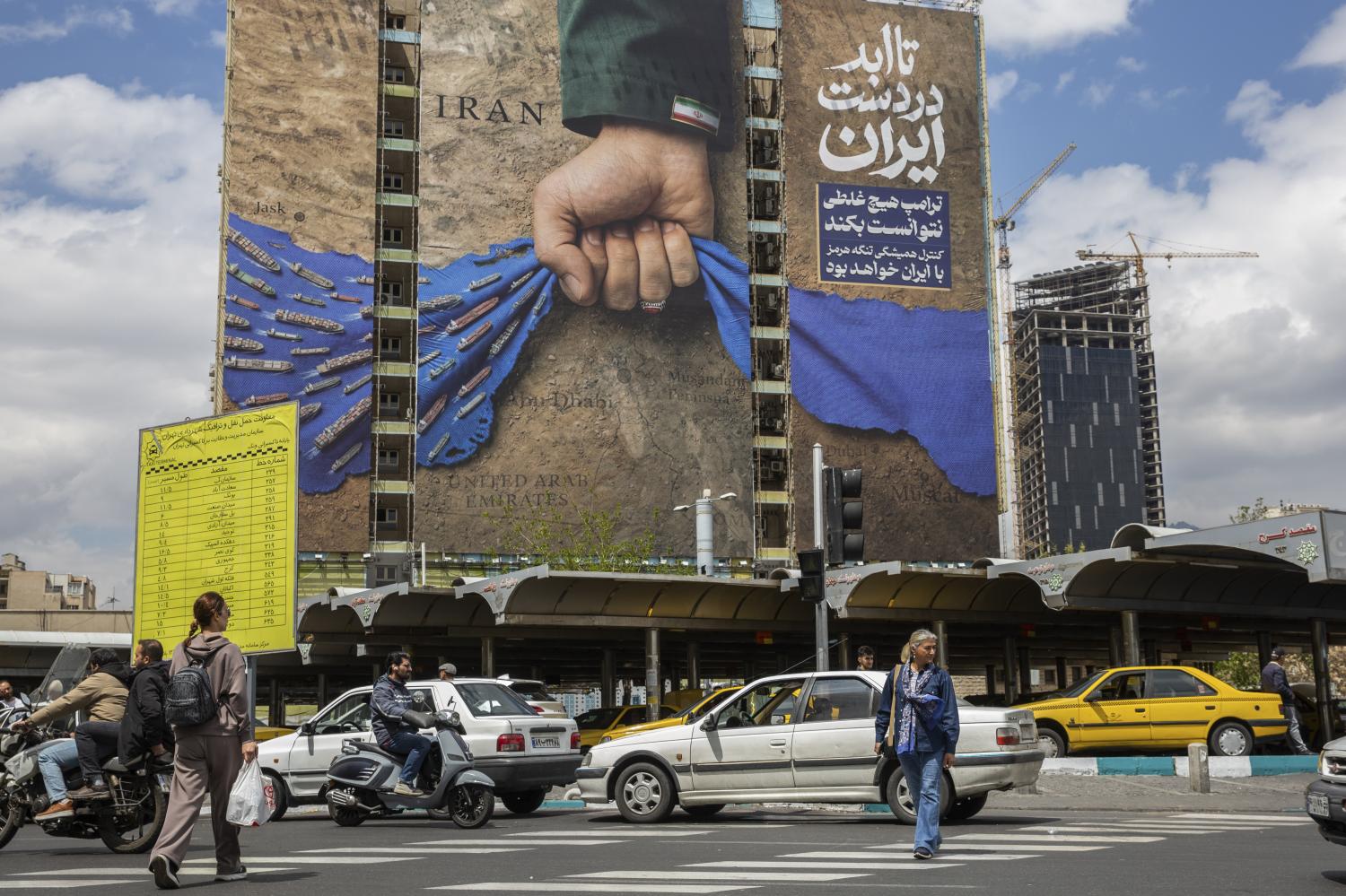
The war and its likely consequences
Oped, Thitinan Pongsudhirak, Published on 17/04/2026
» As the joint attack between the United States and Israel against Iran that resulted in a wider regional conflict in the Middle East approaches its two-month mark, the directions of the war remain precarious while some of the longer-lasting consequences appear evident. Unsurprisingly, the war has been detrimental and damaging for all states and societies concerned, not just within the affected region but the wider world. Already we can start counting some of the long-term costs.
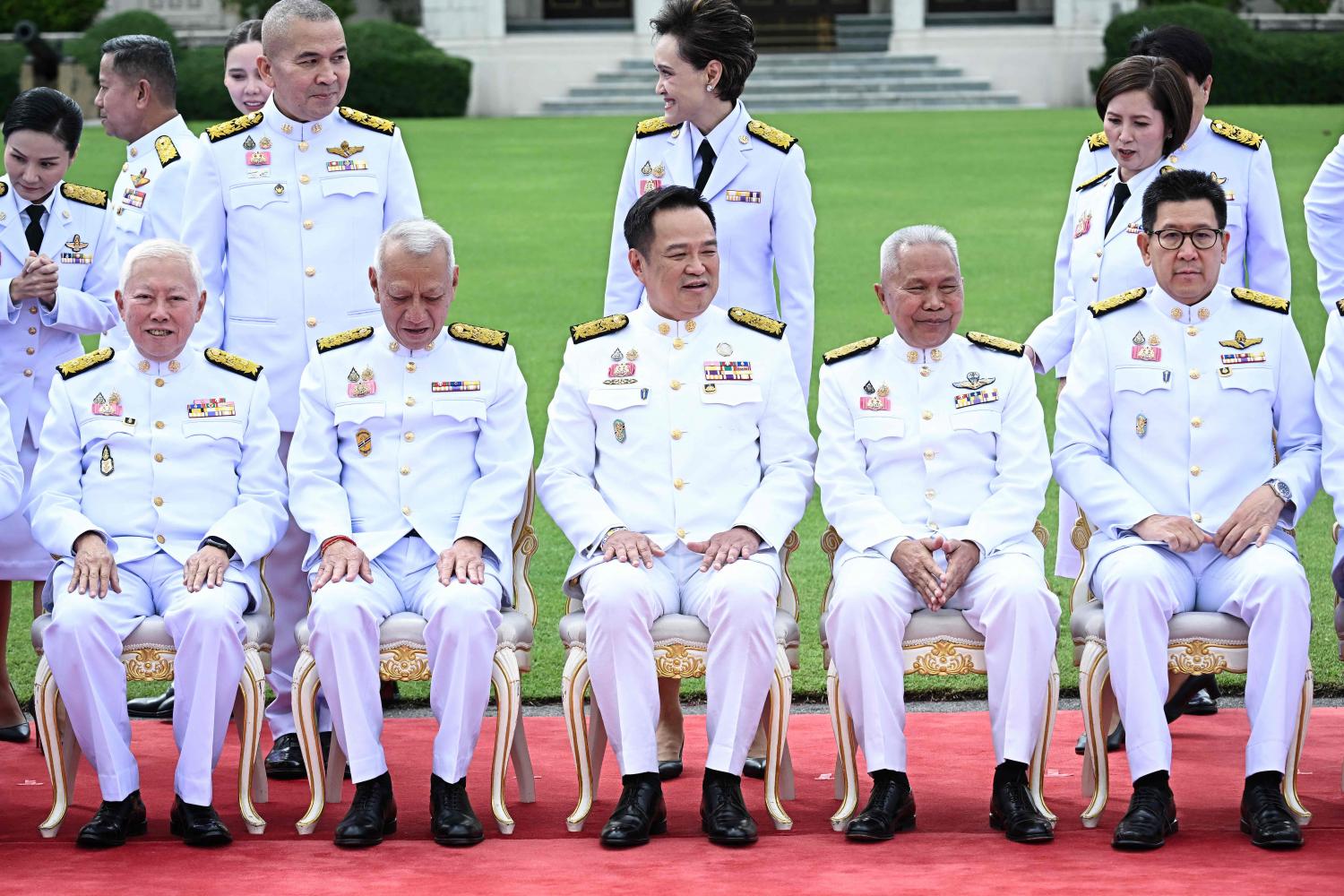
Anutin's new cabinet is a mixed bag
Oped, Thitinan Pongsudhirak, Published on 26/09/2025
» The composition and size of Prime Minister Anutin Charnvirakul's 36-member cabinet suggest that he intends to stay in office for as long as possible, clinging to the terms of the government-enabling Memorandum of Agreement (MOA) and calling an early election only if circumstances make it unavoidable.
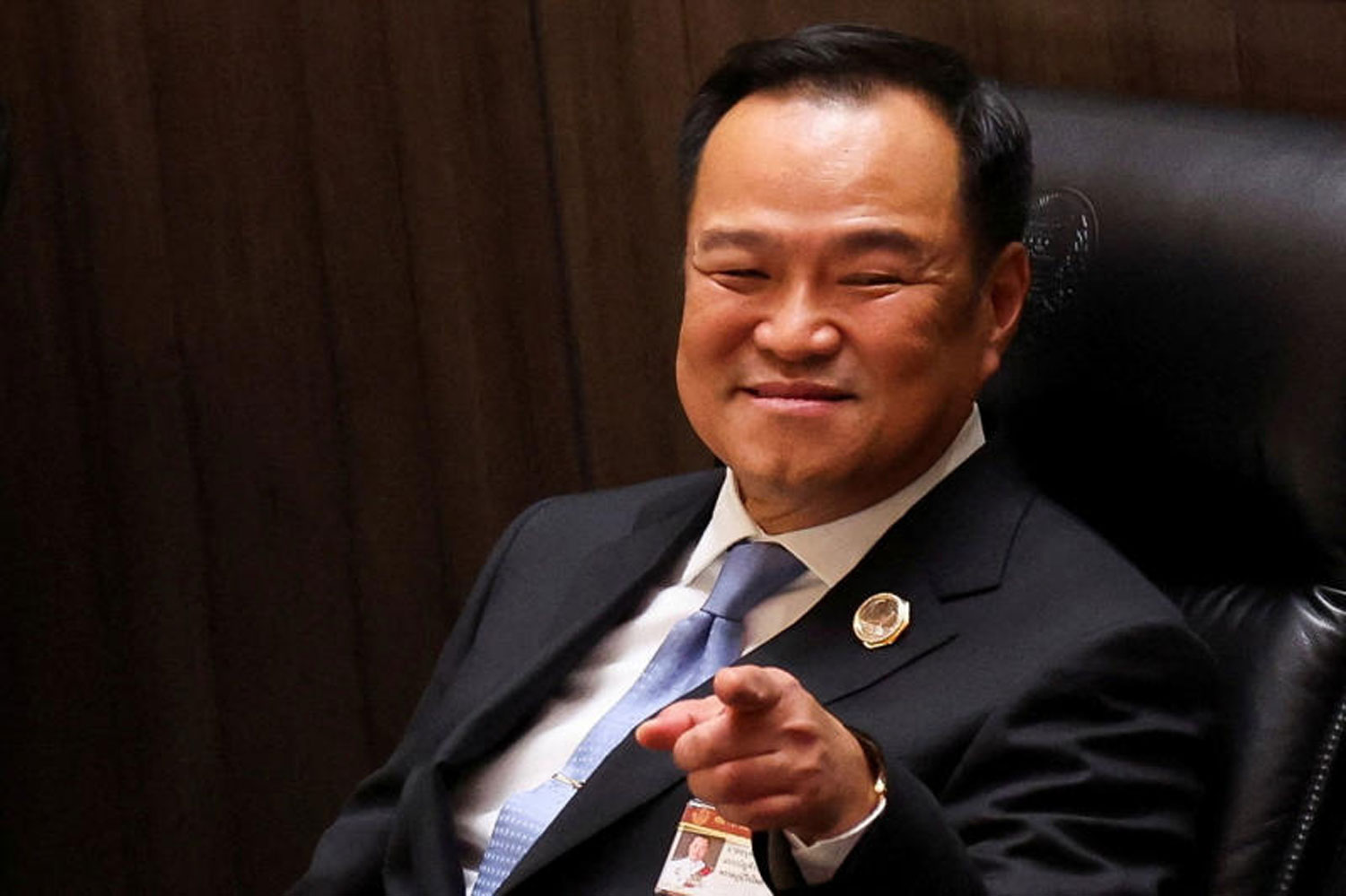
New govt may last longer than pledged
Oped, Thitinan Pongsudhirak, Published on 12/09/2025
» Thailand's latest round of political tumult reached a culmination when the Constitutional Court removed Paetongtarn Shinawatra of the hitherto ruling Pheu Thai (PT) Party from office on Aug 29, paving the way for Bhumjaithai Party (BJT) leader Anutin Charnvirakul to succeed her as prime minister with the Lower House's majority support a week later.

The tyranny of anarchy and what to do
Oped, Thitinan Pongsudhirak, Published on 21/03/2025
» It is both exciting and alarming to be a student of international affairs as the world is being turned upside down. In just two months, the second administration of President Donald J Trump has sent shockwaves rippling through the international system as the United States pulls back from its role as leader, underwriter, and guardian of the nearly 80-year-old international order that it instrumentally constructed after WWII. In view of the US's portentous withdrawal, relative anarchy in the international system is back with a vengeance, leaving Asean members and smaller states elsewhere to fend for themselves in a self-help geostrategic environment.

Myanmar's civil war after four years
Oped, Thitinan Pongsudhirak, Published on 31/01/2025
» Four years after its military coup and consequent civil war, Myanmar's spotlight in global headlines continues to dim as geostrategic reorientations and realignments among the major powers take centre stage. Dramatic and drastic foreign policy changes are afoot in the United States under the second administration of President Donald J Trump, while the European Union faces an existential threat from Russia's aggression in Ukraine, and Japan is mired in political sclerosis at home. Myanmar's fate and future will thus likely be determined by the course and outcome of its civil war, China's expanding influence in the country and Asean member states' manoeuvres to a lesser extent.

Thai foreign policy needs new rudder
Oped, Thitinan Pongsudhirak, Published on 27/09/2024
» Thailand's foreign policy posture and projection under Foreign Minister Maris Sangiampongsa and the new government of Prime Minister Paetongtarn Shinawatra is off to a good start under severe structural constraints. Given the widespread consensus both at home and abroad that Thailand has fallen behind its peers over the past two decades, the imperative of regaining its international standing is undisputed. But doing so under what the foreign minister has outlined as a "neutral stance" under "non-alignment" among the great powers is moot and misguided. What Thai foreign policy needs is multi-alignments and omni-directionality under a new rudder.

Srettha Thavisin fell to hidden forces
News, Thitinan Pongsudhirak, Published on 30/08/2024
» Hindsight is likely to place Srettha Thavisin in Thai political annals as a prime minister who tried his best but ultimately succumbed to forces way beyond his control. While his nearly 12-month tenure in office came up short on policy deliverables, it nevertheless reset Thailand's foreign policy projection on Myanmar amid more omnidirectional relations with the major powers.
Reshuffle cements Srettha's grip
News, Thitinan Pongsudhirak, Published on 06/05/2024
» After eight months at the helm, Prime Minister Srettha Thavisin staged a much-anticipated cabinet reshuffle with unexpected drama and unsurprising consolidation. As head of a coalition government, Mr Srettha appears more "prime ministerial" as the reshuffle has strengthened his hand to implement the ruling Pheu Thai Party's flagship policies.

Myanmar as interim 'non-state' state
Oped, Thitinan Pongsudhirak, Published on 01/03/2024
» Myanmar, also known as Burma, has become a de facto state that is dominated by non-state entities. Contrary to facile claims, Myanmar is not a failed state like some that beset parts of Africa and the Middle East. The ethnically diverse country of 55 million still functions despite widespread violence in an ongoing civil war. Unless and until Myanmar is understood and re-conceptualised as an interim state comprising non-state entities, it will be difficult to move forward to remake and reconstitute a new country after the civil war and the passing of the military junta that seized power on Feb 1, 2021, led by Senior General Min Aung Hlaing.

Digital wallet should be implemented
Oped, Thitinan Pongsudhirak, Published on 16/02/2024
» The big debate in Thailand's current economic policy planning is whether the economy is facing a crisis or not. The government of Prime Minister Srettha Thavisin, who doubles as finance minister, has contended that there is an economic crisis in dire need of both monetary policy loosening and fiscal stimulus, particularly the 500-billion-baht digital wallet scheme. The Bank of Thailand, supported by a clique of economists apparently critical of the government's "populist" policy measures, asserts otherwise that an economic recovery is in progress without the need to lower the benchmark repurchase rate.