



Showing 1 - 10 of 12
Implications of conservative triumph
Oped, Thitinan Pongsudhirak, Published on 13/02/2026
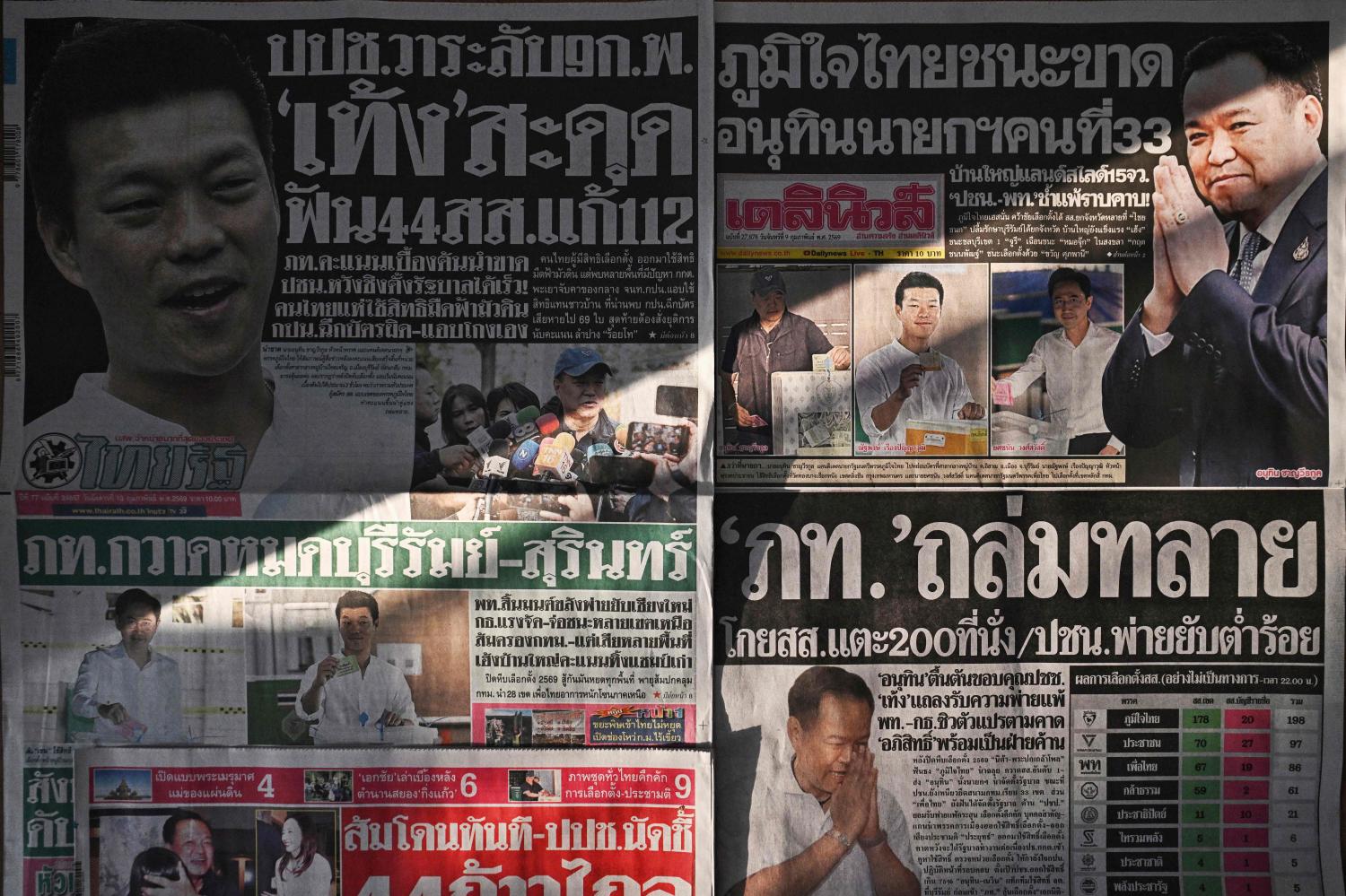
» The incumbent and conservative Bhumjaithai (BJT) Party has surprisingly swept Thailand's Feb 8 election with a commanding win. With the previously poll-leading and progressive People's Party (PP) coming in a distant second, Thailand appears headed for a conservative coalition government revolving around BJT and like-minded junior partners. Known for its conservative stance and being pro-status quo, it would not be surprising if the BJT-led coalition government, led by Prime Minister-elect Anutin Charnvirakul, were not challenged by the Constitutional Court, the Election Commission, and other supervisory agencies, which have derailed and dissolved reform-minded winning parties in the past.
Three main parties and two directions
Oped, Thitinan Pongsudhirak, Published on 16/01/2026
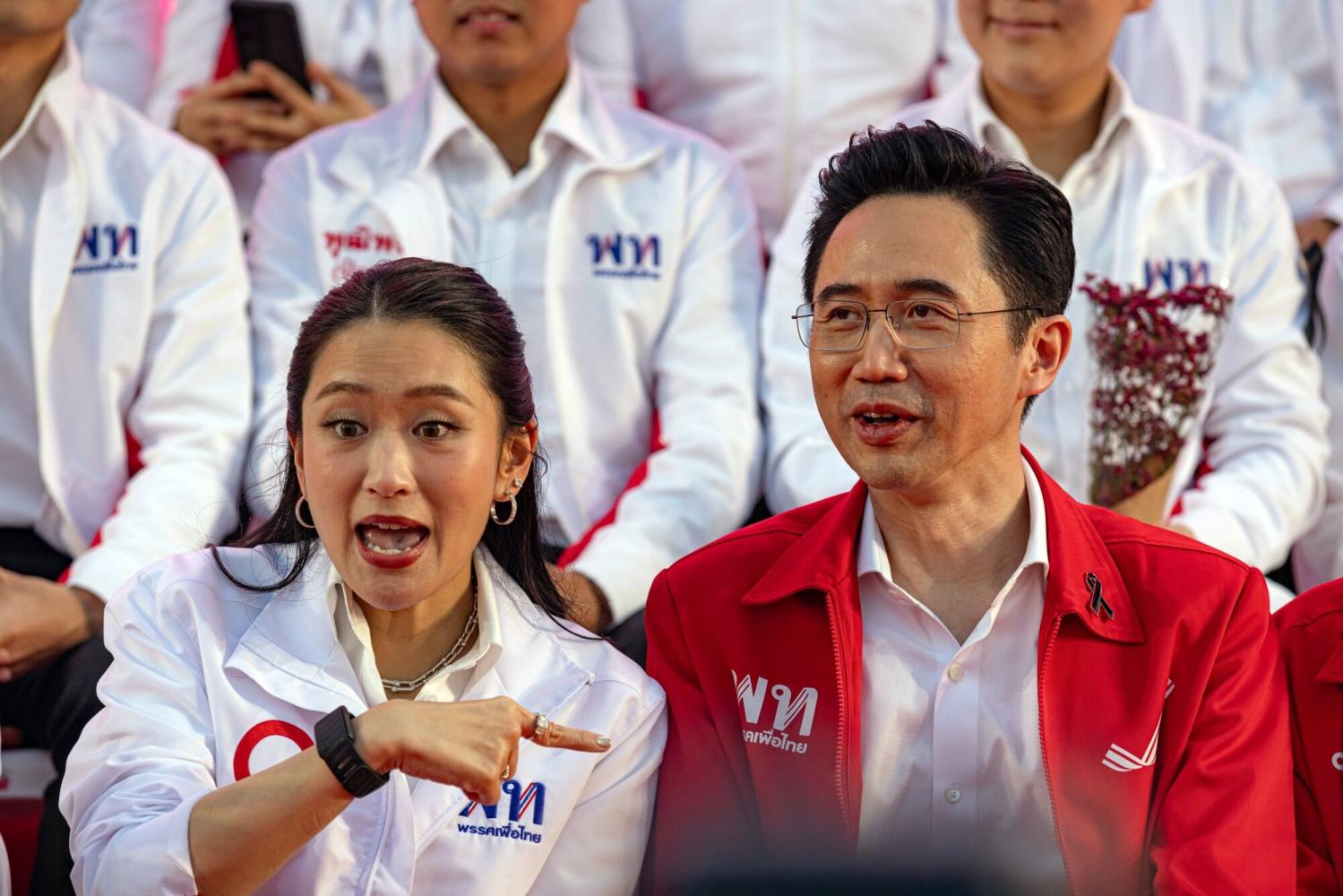
» Although Thailand's election campaign is reaching fever pitch ahead of voting day on Feb 8, the dynamics and contours of its final outcome can be gleaned from past polls over the last 25 years. Only once in January 2001, as was indicated in this space last week, were voter results fully honoured and carried out. Other elections were either upended by military coups or manipulated by judicial interventions.

The tide of history shifts in Thai politics
Oped, Thitinan Pongsudhirak, Published on 02/06/2023
» Notwithstanding the ongoing political shenanigans by appointed agencies to shape final outcomes after the May 14 poll, Thailand already will never be the same again. The Move Forward Party's (MFP) victory as the largest winning side, with 151 out of 500 parliamentary seats, is profound but not unprecedented. Together with the Pheu Thai Party's 141 MPs, these two opposition parties are unwittingly sending a message to each other and to the broader political establishment that the curve of Thai history is shifting tectonically. Failing to grasp and adjust to this evolving tide of history could marginalise Pheu Thai and challenge the establishment to its core foundations.

Biden's pivot to free, open Indo-Pacific
Oped, Thitinan Pongsudhirak, Published on 03/09/2021
» If former United States President Barack Obama is known for his "pivot to Asia" geostrategy and President Donald Trump for the Free and Open Indo-Pacific, there is now a geostrategic synthesis under President Joe Biden. It can be aptly called the US "pivot to the Free and Open Indo-Pacific".
Youth movement has staying power
Oped, Thitinan Pongsudhirak, Published on 07/08/2020
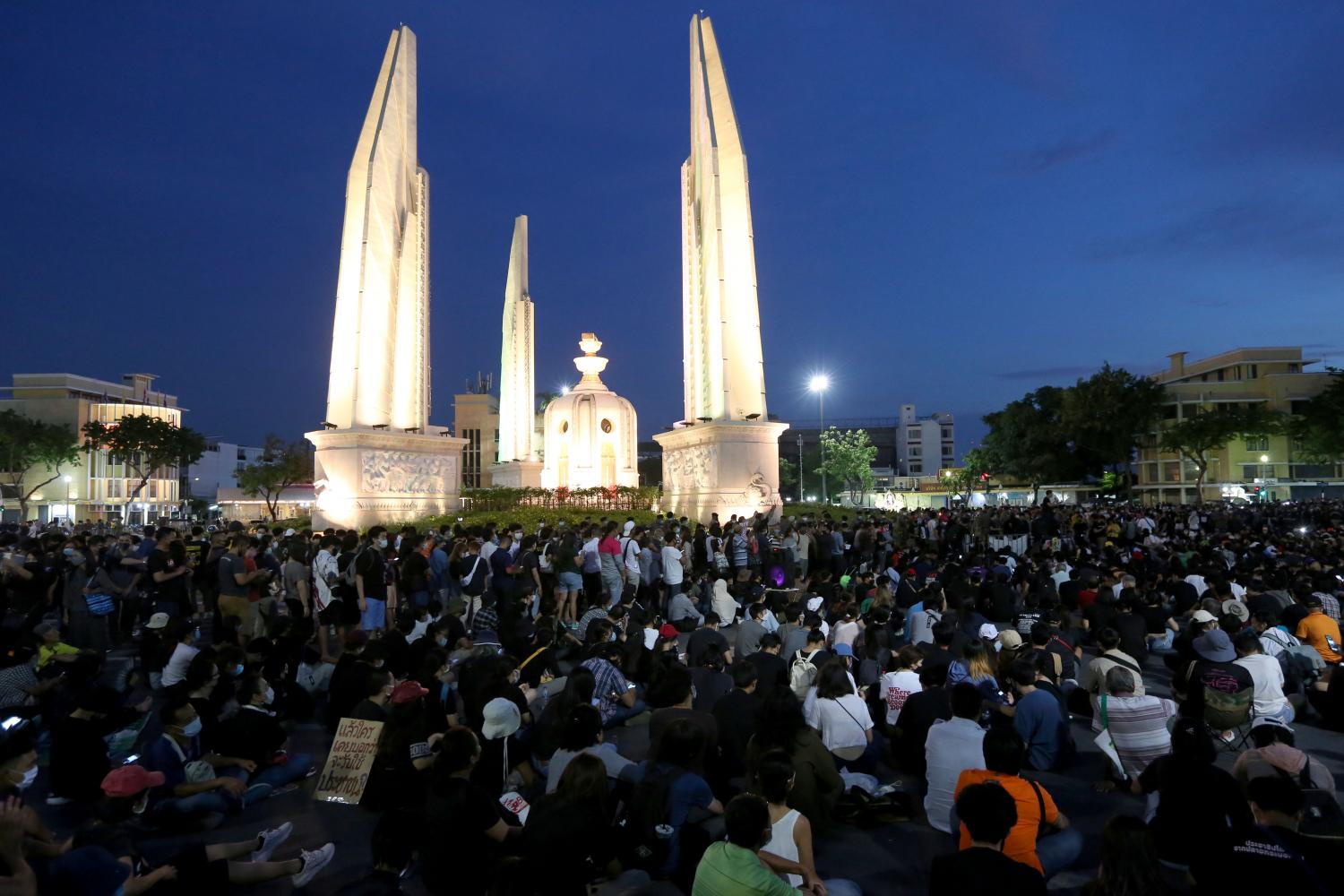
» As Thailand's youth movement for political change gathers momentum, it has already shown unprecedented trends and patterns. Moving forward, the conservative forces who oppose change and reform will likely train their sights on these young demonstrators to deny and derail them through manipulation and coercion. But this youth movement is unlikely to stop without a fight. These young men and women of high school and university age are here to stay for the long haul because their collective future, not just the ideology and ideals they espouse, is at stake.

Thailand's strategic path is rudderless
News, Thitinan Pongsudhirak, Published on 19/06/2020
» As the coronavirus pandemic continues to wreak havoc worldwide, domestic tension and pressure will compel three broad responses from the various afflicted countries. First, these countries may react to virus-induced domestic challenges by blaming and taking it out on outsiders. Alternatively, they may be so preoccupied at home that they become marginalised abroad. In other instances, countries that have coped effectively with Covid-19 will be able to regain their footing faster and move on sooner as the rest of the pack remains bogged down in acrimony and discord.

America at war within can't lead world
News, Thitinan Pongsudhirak, Published on 18/10/2019
» The extraordinary country that once touted itself and was seen by many as the "leader of the free world" is no longer so great. America, the fabled "city upon a hill" and beacon of freedom and democracy for the world, is unwell from within, wracked by nasty divisions and visceral polarisation.

HK protests in a regional perspective
News, Thitinan Pongsudhirak, Published on 11/10/2019
» When Hong Kong's protest movement against the Extradition Law Amendment Bill began on March 30, few could have anticipated that it would become a full-blown popular revolt. The protesters initially opposed the bill because it would allow the Hong Kong government to detain and extradite fugitives to mainland China. Despite the suspension and subsequent withdrawal of the bill by Hong Kong's Chief Executive Carrie Lam, the protest movement has taken on a life of its own. As its end goals of universal suffrage, an independent inquiry into police conduct and Ms Lam's resignation harden, its endgame appears fraught with risks of intensifying confrontation and violence.
Eastern Economic Corridor must continue
News, Thitinan Pongsudhirak, Published on 07/12/2018
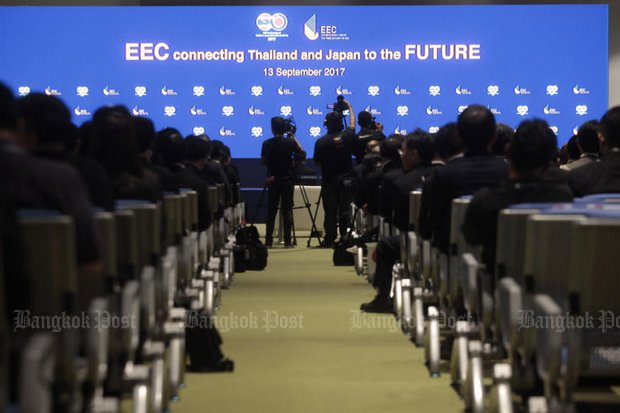
» As the election looms, the government of Prime Minister Prayut Chan-o-cha will likely leave behind a very mixed legacy. Far from being a clean-up crew against graft and a technocratic team for effective policy performance when it seized power more than four years ago, this outgoing government has had its fair share of unaccountable corruption allegations and policy directions that merely served its own vested interests of staying in power after the polls.

China's Belt & Road needs to listen more
News, Thitinan Pongsudhirak, Published on 30/11/2018
» In the aftermath of a tense Asean-led summit season, it is clear now that the United States and China are engaged in a great-power competition not seen since the Cold War. The US-China trade war, irrespective of negotiated talks in Buenos Aires between President Donald Trump and President Xi Jinping, is set to deteriorate over the next two years and probably longer. The two superpowers may have fundamental and structural differences that cannot be resolved without a sweeping deal that realigns their geopolitical status and geoeconomic interests in a way that is acceptable to both, an unlikely prospect. So the confrontation will likely intensify.