



Showing 1 - 4 of 4

Three main parties and two directions
Oped, Thitinan Pongsudhirak, Published on 16/01/2026
» Although Thailand's election campaign is reaching fever pitch ahead of voting day on Feb 8, the dynamics and contours of its final outcome can be gleaned from past polls over the last 25 years. Only once in January 2001, as was indicated in this space last week, were voter results fully honoured and carried out. Other elections were either upended by military coups or manipulated by judicial interventions.
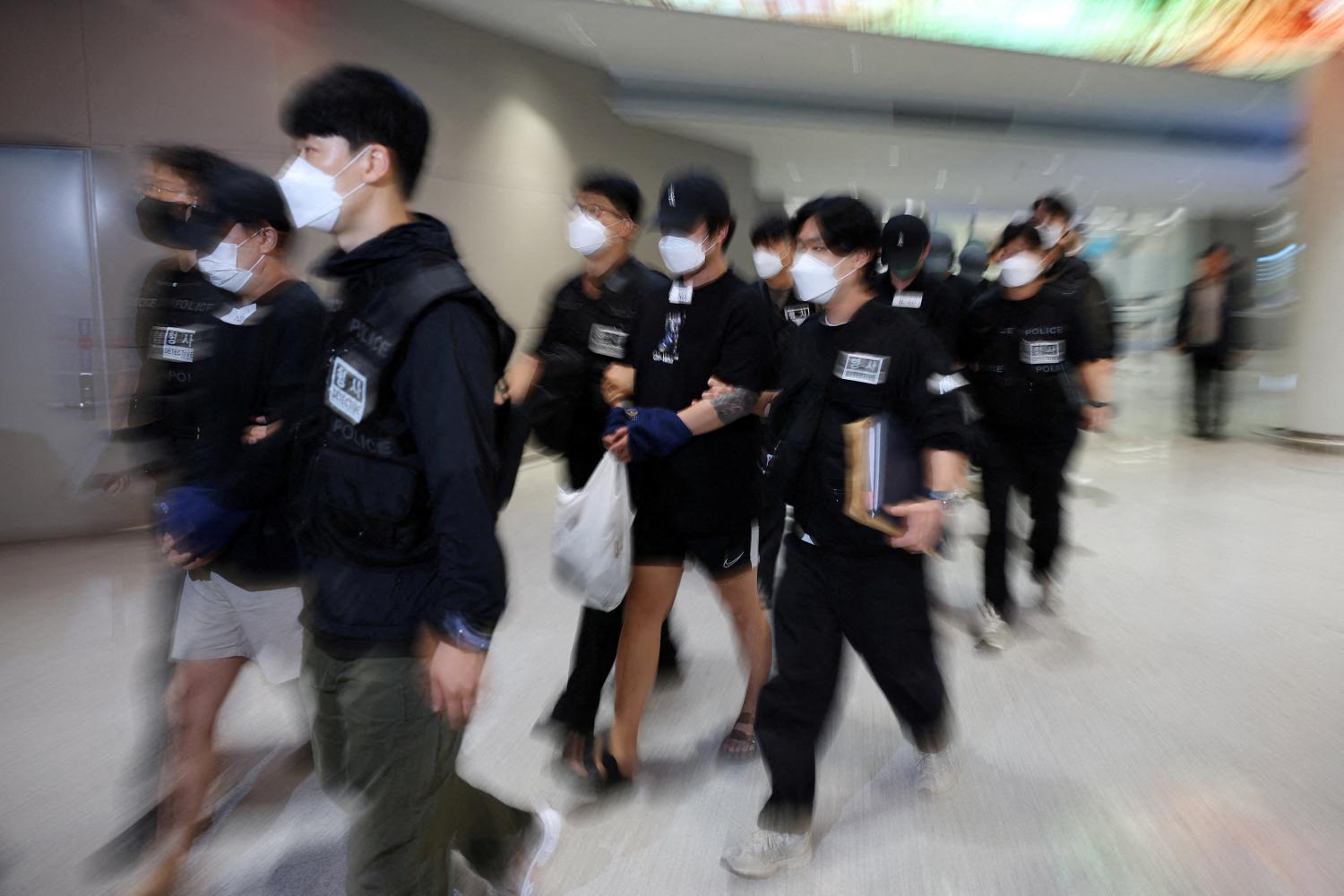
'Scam-gate' deserves full accounting
Oped, Thitinan Pongsudhirak, Published on 24/10/2025
» The explosive revelations and allegations of regional cybercrimes and scam networks have hit Thailand head-on and placed the government of Prime Minister Anutin Charnvirakul in an awkward and defensive position. As more facts surrounding what looks like a labyrinthine cross-border multibillion-dollar transnational criminal ring come to light, more questions have surfaced with no clear answers. The Anutin government needs to come clean and avoid a "scam-gate" of cover-ups and lies at the expense of countless scammed victims across many countries.

What happens if Asean shrinks to 9?
Oped, Thitinan Pongsudhirak, Published on 29/10/2021
» It all came down to a choice between marginalisation and irrelevance on the one hand and pragmatism and resilience on the other. At its 38th and 39th leaders' meetings and related summits with dialogue partners, Asean chose to remain relevant. In an unprecedented move with far-reaching ramifications, Asean reduced itself to nine participating members from the normal 10, excluding Myanmar. While this bold manoeuvre derived from necessity rather than initiative, it provides Southeast Asia's bloc of smaller states a small window of opportunity to regain its footing and revitalise its central role in promoting regional peace and stability in Asia.

Maintaining what's left of rules-based order
News, Thitinan Pongsudhirak, Published on 20/07/2018
» For anyone who is alive today, the world as we know it has never been so stirred and shaken. The international order based on a common set of institutions, rules and norms that used to be widely cherished and universally beneficial is unravelling before our collective and helpless eyes. From an emerging United States-China trade war and Beijing's militarised occupation of the South China Sea to Russia's revanchist annexation of Crimea, world order over the past several years has been breaking down. Those who once set the rules, principally the US, are breaking them, while aspiring new rule-setters, mainly China, have not found sufficient international reception. Rule-takers, such as the smaller states in Asean, suffer the most when set rules lose cohesion, lustre and abidance.