



Showing 1 - 10 of 13
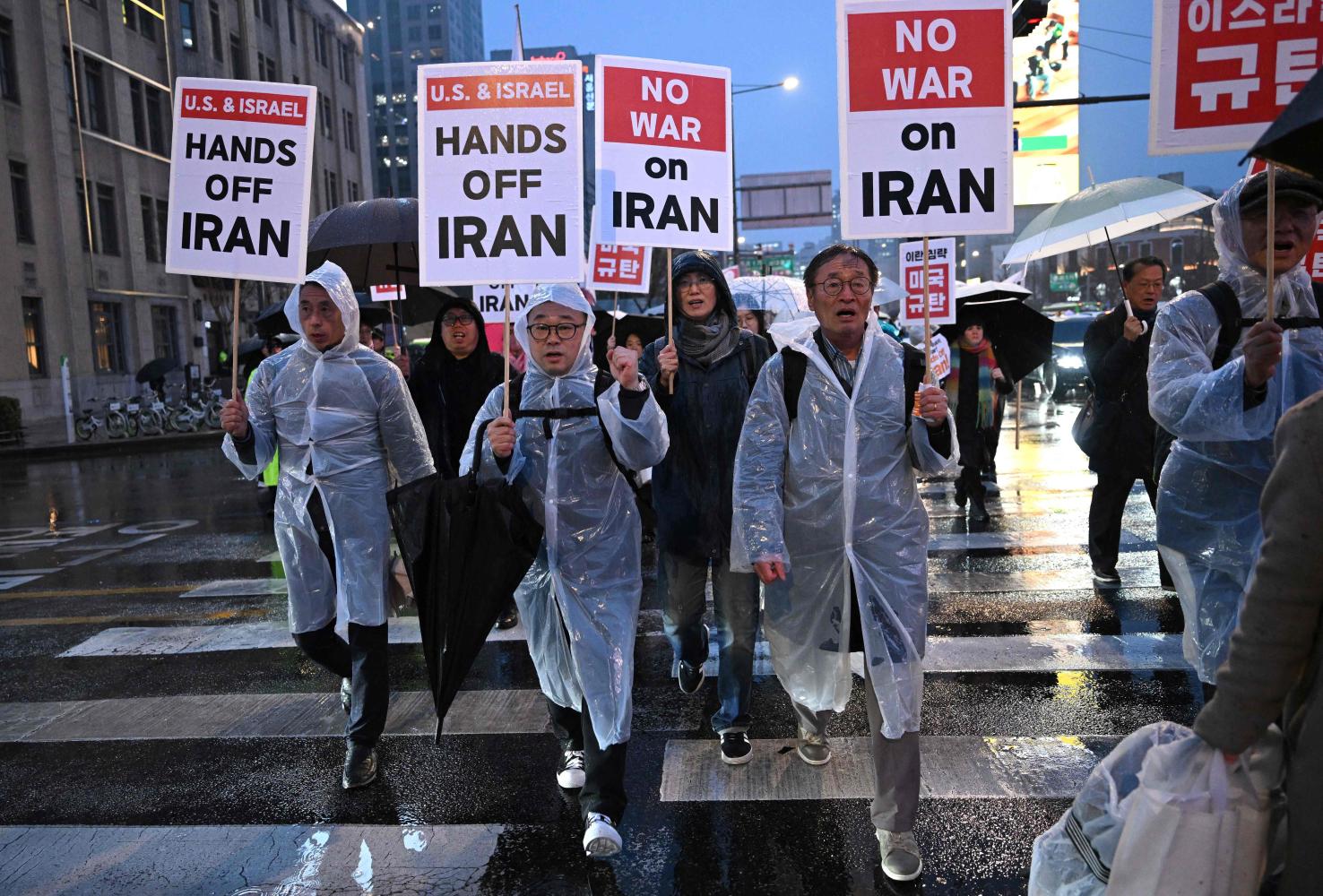
America risks grand folly in Iran war
Oped, Thitinan Pongsudhirak, Published on 06/03/2026
» It is just the first week of the joint attack between the United States and Israel on the Islamic Republic of Iran, but the repercussions from the Middle East for the Indo-Pacific are already discernible.

A perilous era of absolute advantage
News, Thitinan Pongsudhirak, Published on 25/04/2025
» If a date had to be pinpointed, the post-Second World War international system came to an unmistakable end on April 2 -- the so-called "Liberation Day" -- when US President Donald Trump announced comprehensive "reciprocal" tariffs to a bewildered global audience. The blatantly protectionist move was equivalent to the United States' abrogation and abandonment of the rules-based international order that it ironically and instrumentally constructed and upheld over nearly eight decades. What comes now is a dangerous era of absolute advantage in global trade, investment, and finance, bent on unilateralism over multilateralism, competition over cooperation, nationalism over interdependence, and the singular quest to dominate and reshape the global pecking order under the rubric of making America "great again".

Two issues at stake in US president race
Oped, Thitinan Pongsudhirak, Published on 01/11/2024
» As the quadrennial presidential contest in the United States reaches its conclusion next week, the two fundamental and entwined issues at stake are how America sees itself at home and how its consequent role abroad ought to be. This is not the first time these soul-searching questions are determining who gets to rule the country, but they are a recent phenomenon. Beyond them, the rest are merely theatre, money, and manoeuvres that underpin any major election spectacle.

Thailand needs middle power ambition
Oped, Thitinan Pongsudhirak, Published on 18/10/2024
» Having participated in the recent Asean-related summit meetings in Vientiane, Prime Minister Paetongtarn Shinawatra and her team must now work out Thailand's foreign policy priorities and posture. Foreign policy projection peaked around 20 years ago when Thailand was recognised as an emerging regional leader with the potential of a middle power. Since then, foreign policy has been patchy and hostage to polarisation and domestic political volatility. It is time to chart a way forward for Thailand's international standing and role despite ongoing political conflict at home.

Myanmar as interim 'non-state' state
Oped, Thitinan Pongsudhirak, Published on 01/03/2024
» Myanmar, also known as Burma, has become a de facto state that is dominated by non-state entities. Contrary to facile claims, Myanmar is not a failed state like some that beset parts of Africa and the Middle East. The ethnically diverse country of 55 million still functions despite widespread violence in an ongoing civil war. Unless and until Myanmar is understood and re-conceptualised as an interim state comprising non-state entities, it will be difficult to move forward to remake and reconstitute a new country after the civil war and the passing of the military junta that seized power on Feb 1, 2021, led by Senior General Min Aung Hlaing.

A Thai view on the Hamas-Israel war
Oped, Thitinan Pongsudhirak, Published on 20/10/2023
» The Palestinians' longstanding and legitimate grievances have been irrevocably subverted by Hamas' brazen attack against Israel on Oct 7. Unlike previous rounds of conflicts and clashes between Israel and the Palestinians on the one hand and neighbouring Arab states on the other, Thailand has become a direct casualty like never before, as 30 Thai workers have been killed to date, with at least 16 injured and 17 taken hostage. As a militant political movement motivated by Islamic fundamentalism using methods of terrorism to achieve its objectives, Hamas has made a bad name for the Palestinian cause, eliciting condemnation and opposition all the way over here in Thailand.

Srettha confronts myriad of challenges
News, Thitinan Pongsudhirak, Published on 22/09/2023
» As the coalition government of Prime Minister Srettha Thavisin gets going, it faces multiple daunting challenges, from public expectations and policy deliverables to the maintenance of political stability.

Apec's geopolitics and geoeconomics
Oped, Thitinan Pongsudhirak, Published on 11/11/2022
» The upcoming leaders' meeting in Bangkok among the 21 member economies of the Asia-Pacific Economic Cooperation (Apec) should be seen in conjunction with its preceding Asean-related summits in the Cambodian capital of Phnom Penh and the G20 summit in Bali, the Indonesian island resort. This one-two-three combination in three Southeast Asian countries over a ten-day period is supposed to showcase Asean's central role in the promotion of peace, security and prosperity in the region and the wider world. But as Asean's summit season gets underway in Cambodia, excitement and promise have given way to anxieties and apprehensions. While these summit talks are an extraordinary opportunity to tone down geopolitical temperatures and geoeconomic competition, they are likely to yield mixed results.
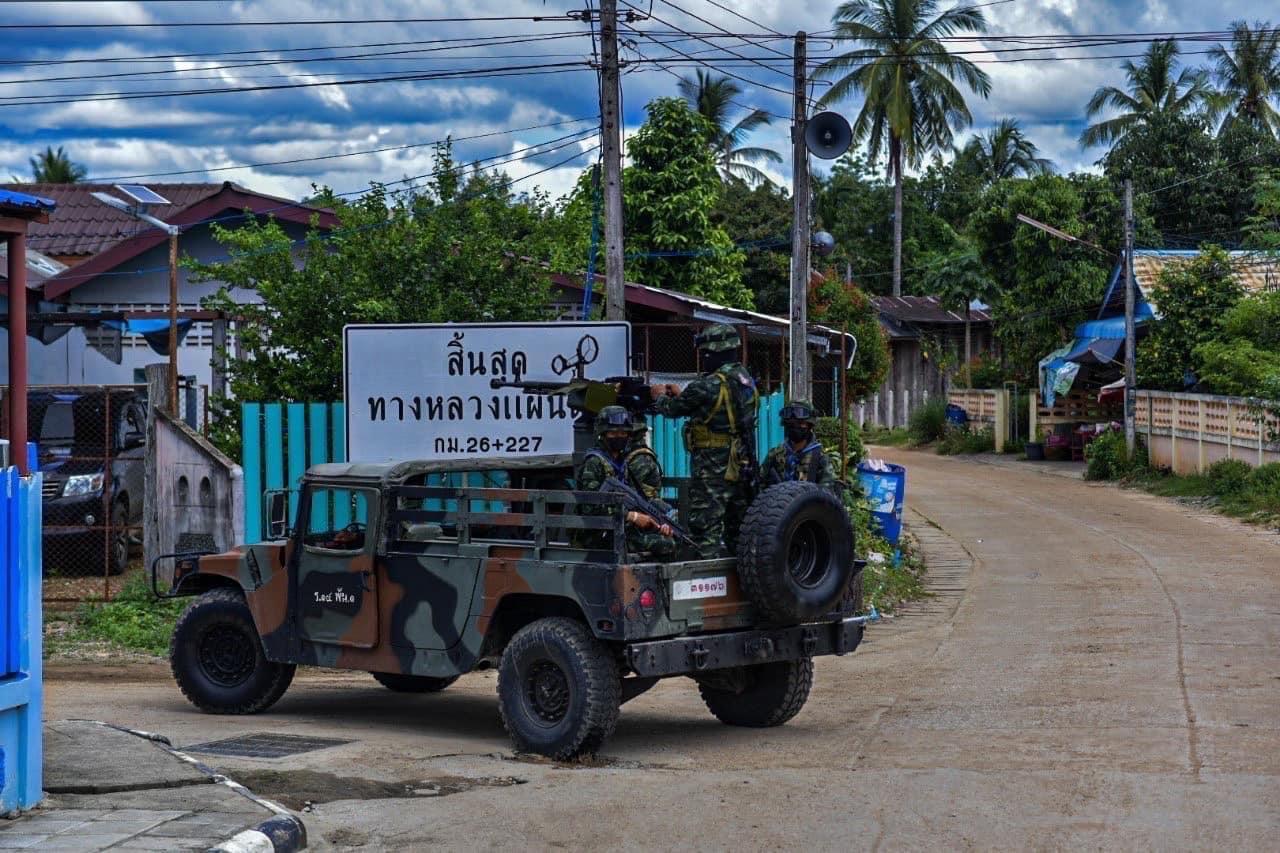
Myanmar, Thai militaries in cahoots
Oped, Thitinan Pongsudhirak, Published on 08/07/2022
» The recent incursion by a Myanmar MiG-29 fighter jet into Thai airspace is par for the course in the intimate ties between the militaries of both countries. Myanmar's military, also known as the Tatmadaw, in fact wants to be more like its Thai counterpart. The Royal Thai Armed Forces, on the other hand, may end up later having to be more like the Tatmadaw to maintain its role and rule in politics. These two militaries together pose a litmus test for states and societies everywhere. If the popular will and public interest can be systematically stolen and subverted in this corner of the globe, it can happen anywhere.
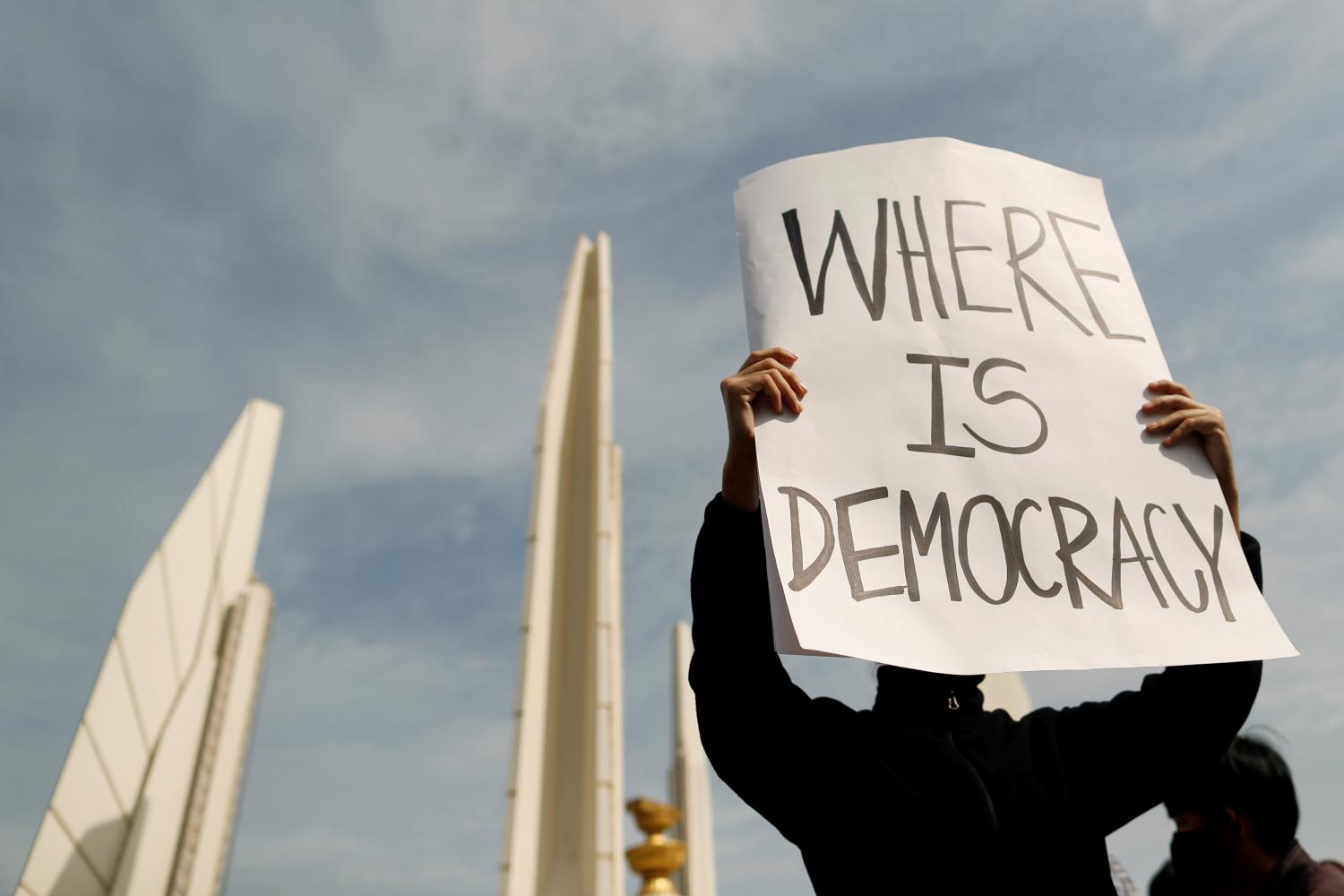
The misguided US 'democracy summit'
Oped, Thitinan Pongsudhirak, Published on 10/12/2021
» The United States government under President Joe Biden is putting up the right fight in a counterproductive way in its online organisation of a "summit for democracy" this week. Much touted since he won the election in November last year, President Biden's summit of democracies has proved controversial, with both good intentions and unintended consequences. The real battleground, as clichés about the benefits and drawbacks of democracy go, is to make the case that popular rule where citizens should have rights and freedoms for their own collective self-determination is ultimately preferable and superior than all other forms of government.