



Showing 1 - 4 of 4
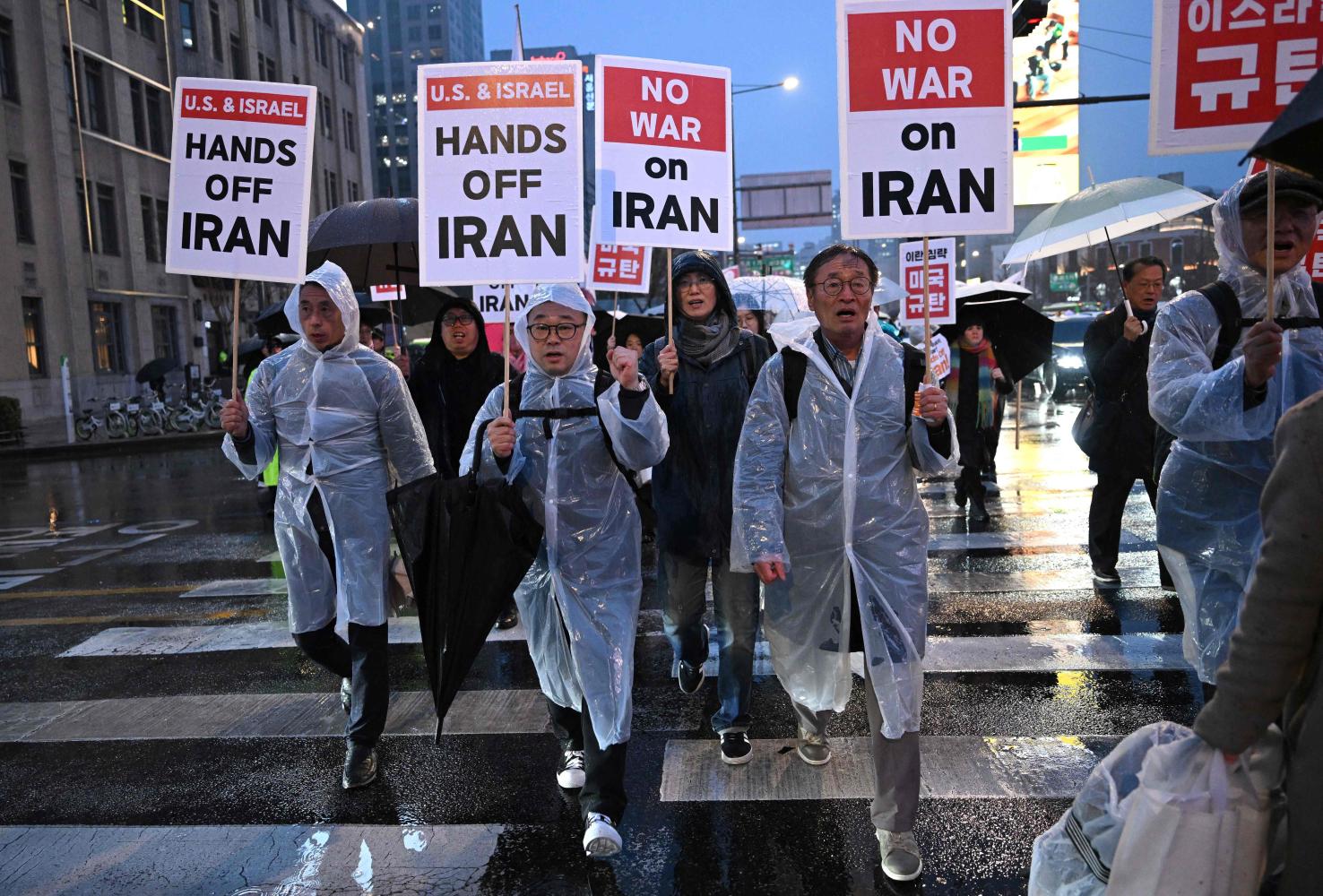
America risks grand folly in Iran war
Oped, Thitinan Pongsudhirak, Published on 06/03/2026
» It is just the first week of the joint attack between the United States and Israel on the Islamic Republic of Iran, but the repercussions from the Middle East for the Indo-Pacific are already discernible.

Myanmar coup: Asean's new fault line
Oped, Thitinan Pongsudhirak, Published on 26/02/2021
» Already geopolitically divided by China's regional assertiveness, Asean is now facing a new fault line from Myanmar's recent military coup. Just like its divergent views toward China, Asean's mixed preferences toward the Myanmar armed forces' abrupt seizure of power on Feb 1 threaten to further weaken Southeast Asia's 10-member grouping and marginalise its role as the central organising vehicle for regional peace and stability.

US ties with Asia, SE Asia, Thailand
Oped, Thitinan Pongsudhirak, Published on 13/11/2020
» Under the leadership of President-elect Joe Biden, the United States' relations with Asia broadly and with Southeast Asia and Thailand in particular are set to undergo a qualitative shift in tone and direction. At issue are to what extent Mr Biden will adopt the foreign policy outlook and orientation of former president Barack Obama in 2008-16 and whether he will retain some or reject most of the Asia policy legacy under the outgoing government of President Donald Trump.

Prospects after Cambodia's fabricated poll
News, Thitinan Pongsudhirak, Published on 27/07/2018
» While Thailand has a seemingly indefinite military government with no clear poll date, Cambodia is holding an election on July 29 with a foregone conclusion. After methodically taken apart oppositional forces, the incumbent government of Prime Minister Hun Sen, under the Cambodian People's Party (CPP), is set to win a landslide. At issue now will be what happens after the election. At least three dynamics are in play. How they intersect and enmesh will determine Cambodia's political future.