



Showing 1 - 9 of 9

Singapore turns 60 with much to show
Oped, Thitinan Pongsudhirak, Published on 08/08/2025
» No country turns 60 like Singapore. In a neighbourhood of political dynasties and varying shades of autocracies and flawed democracies, the little island state of six million got lucky with its strongman rule. When he died in 2015, Singapore's patriarchal founder Lee Kuan Yew left a great country behind. This weekend, Singaporeans can take stock of what's gone by and rightly celebrate its milestone with much to show for.
Defusing Thai-Cambodian border row
Oped, Thitinan Pongsudhirak, Published on 13/06/2025
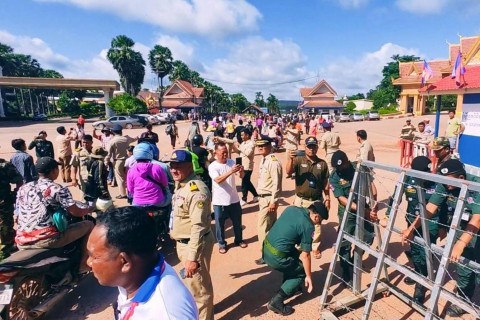
» At issue in the ongoing border standoff between the Thai and Cambodian armed forces is timing and circumstance. In less than two weeks, a seemingly minor border skirmish intensified into a full-scale military confrontation. What is being overlooked in the thick of mutual antagonism and ultranationalism on both sides is when and how the current round of confrontation transpired. Getting its origins right is crucial to finding ways and means for conflict resolution.

Thailand's semi-democracy returns
Oped, Thitinan Pongsudhirak, Published on 01/12/2023
» The appointment of Gen Prayut Chan-o-cha as privy councillor has neatly bookended Thai politics over the past decade. It coincides with the 10-year anniversary of the street demonstrations that were led by the People's Democratic Reform Committee, paving the way for Gen Prayut to stage a military coup in May 2014. While the interim was a period of hard and soft military-authoritarian rule in 2014-19 and 2019-23, the new moving balance in Thai politics is a semi-democracy of sorts under the Pheu Thai Party-led coalition government.
Populism triumphs as election looms
Oped, Thitinan Pongsudhirak, Published on 24/03/2023
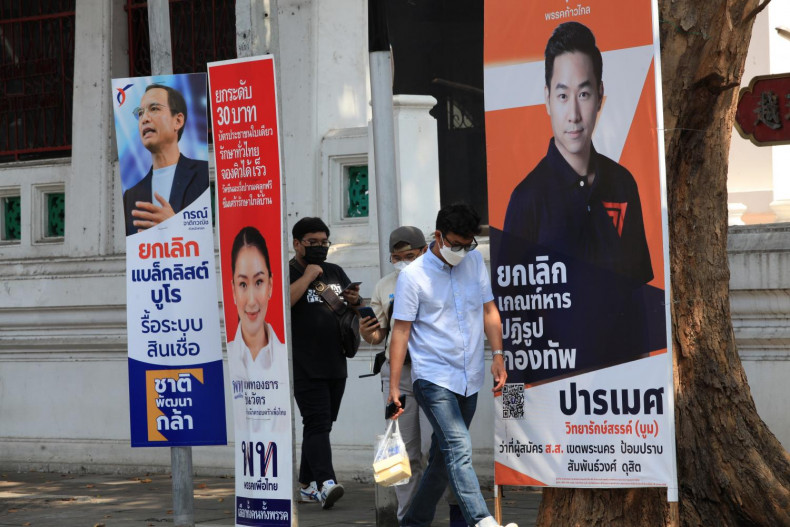
» Although the campaign season for Thailand's much-anticipated election has only just begun, populism has already become the runaway winner. All of the contesting parties have come up with a plethora of populist pledges to woo voters. That populism has triumphed in Thai politics bears multiple longer-term implications.
Values agenda back in US foreign policy
Oped, Thitinan Pongsudhirak, Published on 29/01/2021
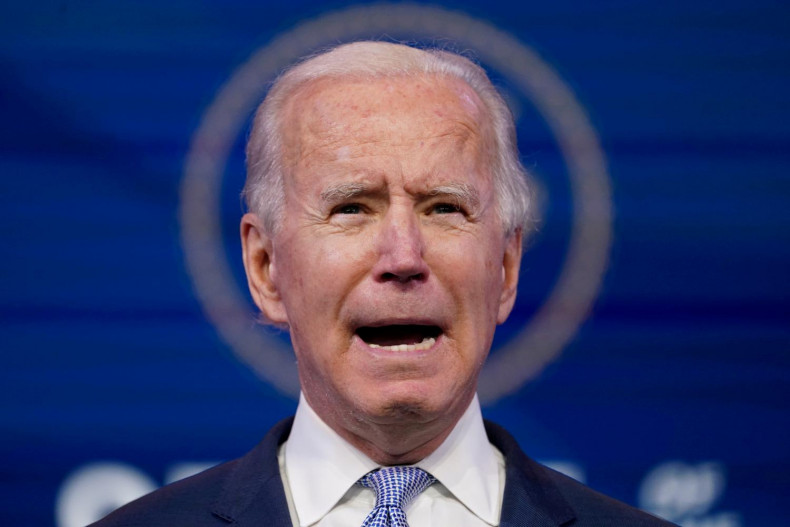
» No presidential transition in the United States is likely to prove more abrupt and dramatic as between former President Donald Trump and newly elected President Joe Biden. Within minutes of formally taking office, Mr Biden signed a slew of executive orders, formalised a policymaking team, and reset the course of domestic and foreign policies. In reversing Mr Trump's nationalist, unilateralist posture and relaunching internationalism and multilateralism, Mr Biden is rebalancing US interests and values. His arrival at the White House is not as much about "America is back" on the global stage but more about "values are back in American foreign policy".
What next with China as a superpower?
News, Thitinan Pongsudhirak, Published on 04/10/2019
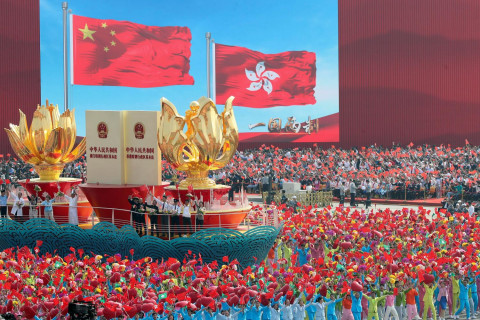
» The spectacular celebrations to mark the People's Republic of China's 70th anniversary of its founding were the culmination of a sweeping ideological struggle over the past century between two competing systems of socio-economic and political organisation. Under the stewardship of the Chinese Communist Party (CCP) from 1921, China has now arrived as a 21st century superpower with an unprecedented hybrid of totalitarian control and a capitalist market economy, the successor state to the old Soviet Union whose demise nearly 30 years ago was attributable to its rigid collectivism over market capitalism.
Thailand's lessons from the Prem years
News, Thitinan Pongsudhirak, Published on 31/05/2019
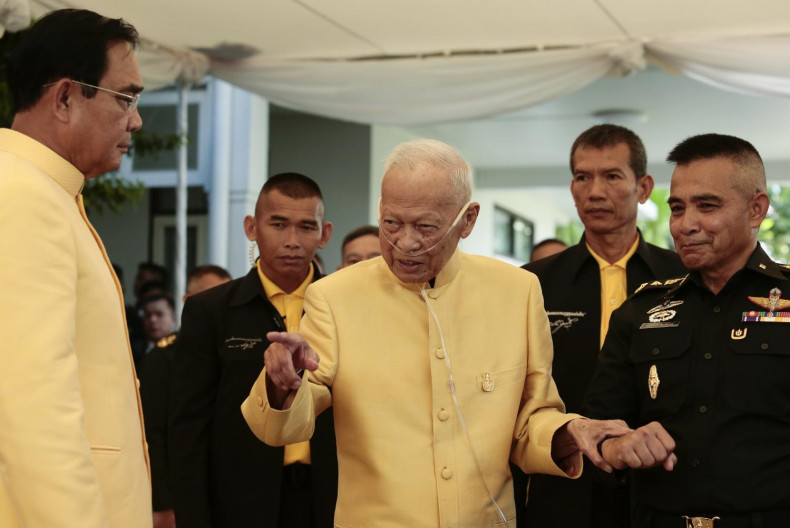
» In a galloping world of communications instantaneity, Gen Prem Tinsulanonda's passing earlier this week is likely to be framed by popular expectations and grievances so far in the 21st century rather than the conditions and circumstances of the 20th century where most of the late elder statesman's life was rooted.
Malaysia's poll ramifications for Thailand
News, Thitinan Pongsudhirak, Published on 11/05/2018
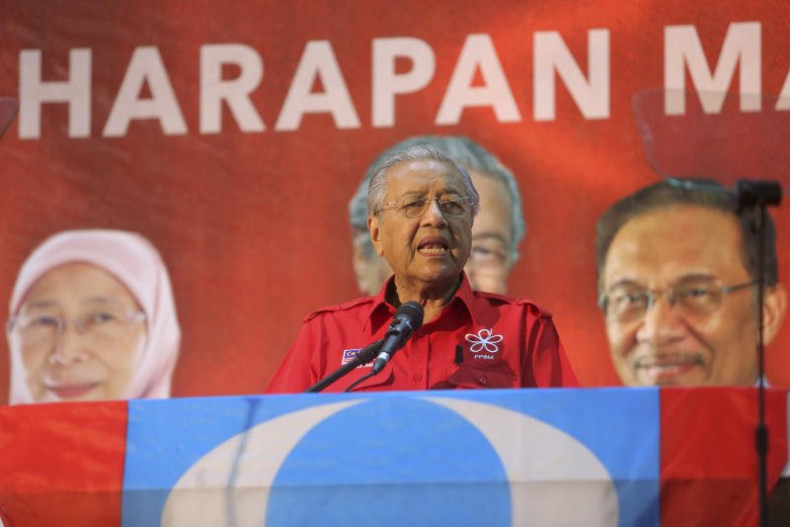
» It was a vicarious happenstance. When the annual flagship event of Asean's consortium of think-tanks known as the Asia-Pacific Roundtable was scheduled in Kuala Lumpur for May 7-9, not a weekend but the first half of a working week, no one thought it would run into Malaysia's 14th General Election (GE14). But it did, as Prime Minister Najib Razak chose a Wednesday instead of a typical weekend, to stage Malaysia's momentous polls. But the tricky timing failed to help his cause. He lost in a big way that bears far-reaching ramifications for the fate of democracy and authoritarianism in the region and beyond, not least here in Thailand.
A year of living dangerously in Thailand
News, Thitinan Pongsudhirak, Published on 05/01/2018
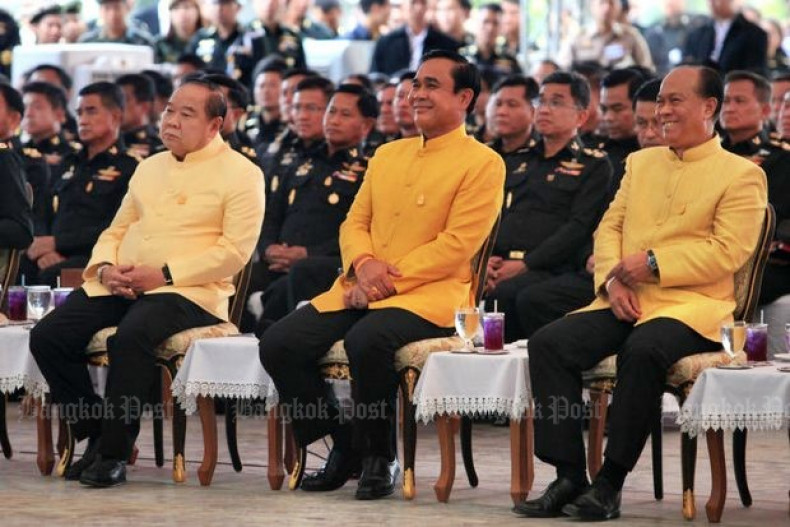
» They were supposed to be in power for the royal transition but they have stayed too long and now want to win an unavoidable election.