



Showing 1 - 10 of 18
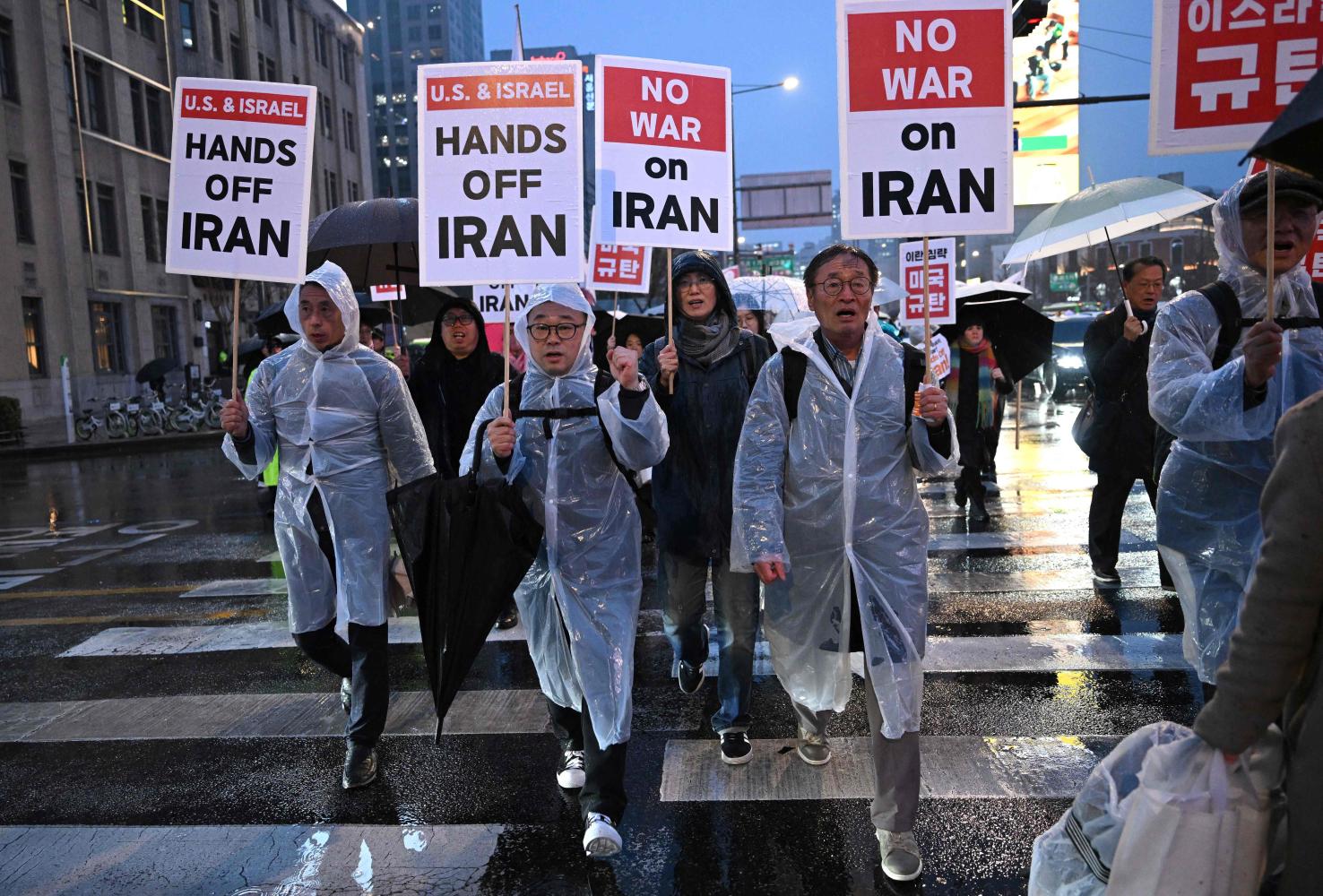
America risks grand folly in Iran war
News, Thitinan Pongsudhirak, Published on 06/03/2026
» It is just the first week of the joint attack between the United States and Israel on the Islamic Republic of Iran, but the repercussions from the Middle East for the Indo-Pacific are already discernible.

Trump tariffs sow divisions in Asean
Oped, Thitinan Pongsudhirak, Published on 02/05/2025
» President Donald Trump's unilateral imposition of tariffs across the United States' economic chessboard poses a critical test for Asean. As the regional organisation of Southeast Asia, Asean has weathered many geopolitical and geoeconomic storms in its 58-year existence, but no adversity like the Trump tariffs. Unless Asean reorganises and regroups, the ten-member body risks further divisions and increasing irrelevance.

Thailand's era of economic stagnation
Oped, Thitinan Pongsudhirak, Published on 05/07/2024
» After two decades of political instability and turmoil, it was a matter of time before the Thai economy would exhibit signs of distress and desperation. For decades, the Thai economy has proved resilient with an uncanny knack for bouncing back. But Teflon Thailand may have become a thing of the past. Headlines on the Thai economy have been heading south precipitously. Unless fundamental political reforms take place, Thailand will likely enter a period of low and plateaued growth with risks of grinding stagnation.

The Thaksin factor in Thai politics
Oped, Thitinan Pongsudhirak, Published on 15/03/2024
» Thai politics in the near term will likely be dominated by the fate of the two largest vote winners from the general election in May 2023, the Move Forward (MFP) and Pheu Thai parties. While the MFP is at risk of another dissolution, the same as its predecessor Future Forward Party suffered in 2020, Pheu Thai's political future appears to hinge on Thaksin Shinawatra and his return from exile in what is believed to be a deal that follows the assumption of the premiership under Srettha Thavisin, and for Thaksin, a royal pardon and early release on parole.
Next poll brings highest stakes, risks
Oped, Thitinan Pongsudhirak, Published on 09/12/2022
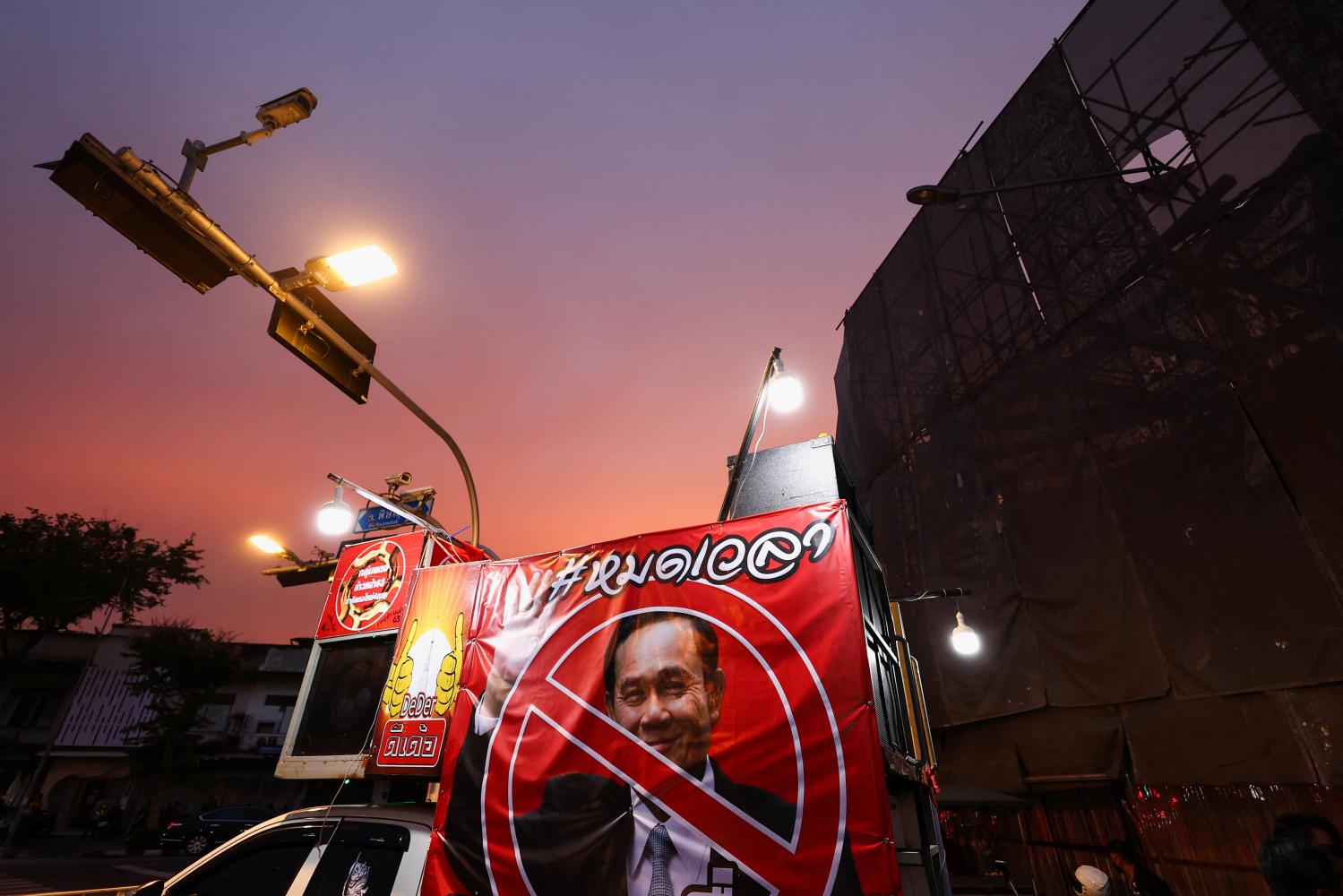
» In the face of the myriad of questions and issues that beset Thai politics in the lead-up to the general election, which must be held by May 7, the biggest facts and dilemmas are not being raised. Prime Minister Prayut Chan-o-cha is now headed to complete nine years in office, the first five of which were under a military government after he and his cohorts seized power by force in May 2014, and the last four under an elected coalition government enabled by the 2017 constitution crafted by a committee the ruling generals had set up. Moving forward, Thailand risks settling into a prolonged period of economic stagnation and political decay unless there is a qualitative change of government after the poll.

Post-Covid headwinds hit the region
Oped, Thitinan Pongsudhirak, Published on 14/10/2022
» As the five economies in mainland Southeast Asia re-emerge from the Covid-19 pandemic, their prospects for recovery and return to growth and development appear challenged, characterised by deteriorating balance of payments, fiscal weaknesses, currency depreciations, and rising inflation amidst global monetary tightening and recession risks.

Reopening a good bet with high costs
Oped, Thitinan Pongsudhirak, Published on 12/11/2021
» Nearly two weeks into Thailand's official reopening during the Covid-19 pandemic, it is time to evaluate the country's vaccine management plan, economic costs and prospects of recovery. While the reopening is worth the attendant risks, Thailand is paying a disproportionately high price for earlier mistakes and the government's mismanagement. As the reopening phase builds up, the Thai economy is likely to see a weak and tentative recovery trajectory with medium-term challenges and question marks.

Thailand can't have it both ways abroad
Oped, Thitinan Pongsudhirak, Published on 05/11/2021
» Images of Prime Minister Prayut Chan-o-cha hobnobbing with world leaders like United States President Joe Biden, German Chancellor Angela Merkel and UN Secretary-General Antonio Guterres at the COP26 Climate Summit in Glasgow sparked mixed feelings at home.
54 years on, Asean needs new modality
Oped, Thitinan Pongsudhirak, Published on 13/08/2021
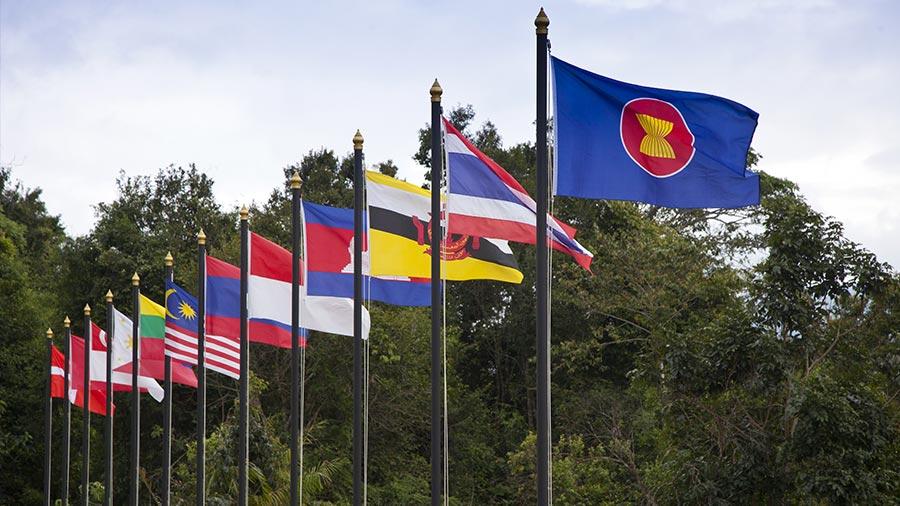
» After 54 years of being together, Asean is at the end of its tether. It has never been more divided than now, split within member states and across all 10 of them, dominated once again by divisive superpower rivalry and competition. In practice, this means Asean will appear increasingly ineffectual and inert. There will be much bureaucratic motion but few substantive organisational and policy outcomes amid unresolved challenges from within and from outside the region. Asean's best way forward may require unprecedented radical thinking towards a multi-track organisation to ensure relevance and momentum where it can be generated.

Govt must take vaccine responsibility
Oped, Thitinan Pongsudhirak, Published on 23/07/2021
» After more than six months of virus policy bungles, vaccine shortages and repeated denials, senior public health officials at last have admitted their mistakes and apologised to the public. But these apologies came with attachments and excuses that fall short of owning up squarely to the pandemic calamity that is besetting Thailand. Worse, the ultimate decision-makers in charge, from Health Minister Anutin Charnvirakul to Prime Minister Prayut Chan-o-cha, have been nowhere to be seen. The Prayut government has yet to take full responsibility for Thailand’s pandemic mismanagement that is claiming hundreds of lives with many thousands more infected and untold hardship across the country.