



Showing 1 - 6 of 6
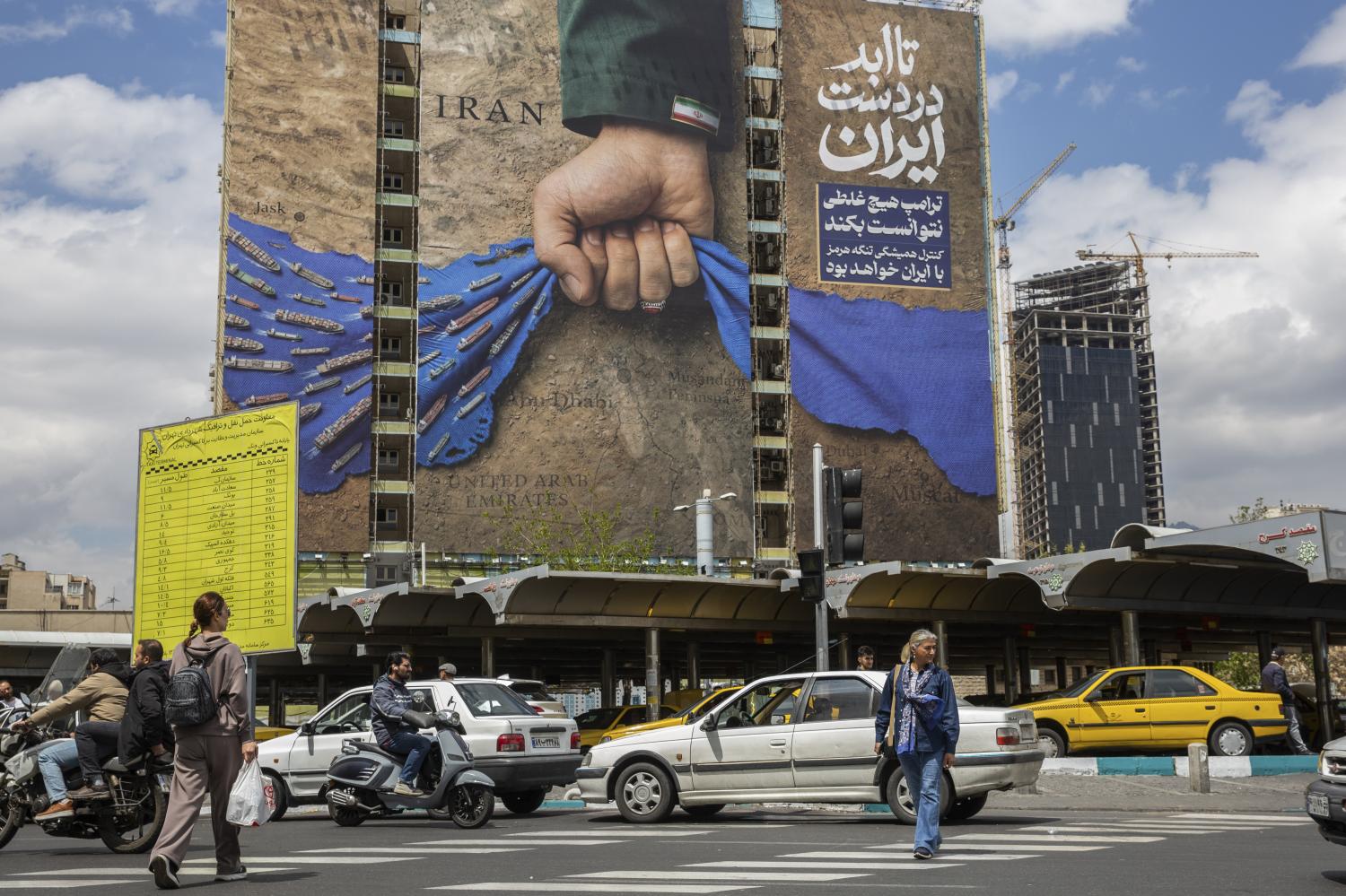
The war and its likely consequences
Oped, Thitinan Pongsudhirak, Published on 17/04/2026
» As the joint attack between the United States and Israel against Iran that resulted in a wider regional conflict in the Middle East approaches its two-month mark, the directions of the war remain precarious while some of the longer-lasting consequences appear evident. Unsurprisingly, the war has been detrimental and damaging for all states and societies concerned, not just within the affected region but the wider world. Already we can start counting some of the long-term costs.

Digital wallet should be implemented
Oped, Thitinan Pongsudhirak, Published on 16/02/2024
» The big debate in Thailand's current economic policy planning is whether the economy is facing a crisis or not. The government of Prime Minister Srettha Thavisin, who doubles as finance minister, has contended that there is an economic crisis in dire need of both monetary policy loosening and fiscal stimulus, particularly the 500-billion-baht digital wallet scheme. The Bank of Thailand, supported by a clique of economists apparently critical of the government's "populist" policy measures, asserts otherwise that an economic recovery is in progress without the need to lower the benchmark repurchase rate.

US shoots itself in foot over Taiwan
Oped, Thitinan Pongsudhirak, Published on 05/08/2022
» Even pro-democracy critics of China’s authoritarian ways would have to call United States House Speaker Nancy Pelosi’s visit to Taiwan an undue provocation that ended up as a lose-lose outcome for all concerned, including the 82-year-old congresswoman. Everything about it was misguided and self-indulgent, designed for domestic consumption in the US rather than regional peace and security in Asia. The US, by way of Mrs Pelosi, has unnecessarily shot itself in the foot big time, leaving regional states and societies to deal with the consequences.

Where Northeast, Southeast Asia meet
News, Thitinan Pongsudhirak, Published on 13/12/2019
» That the post-Second World War liberal international order is unravelling is no longer in dispute. While there are ongoing issues and challenges about how and to what extent the incumbent rules-based international order that has been so beneficial to so many nations and peoples in their course of economic development can still be maintained, there is broad agreement that the international system as we know it has run its course.

Mekong River region on more minds
News, Thitinan Pongsudhirak, Published on 06/12/2019
» As Vietnam is poised to take over the rotational chair of Asean in January 2020, its second foremost foreign policy priority after the South China Sea is reportedly the Mekong River region. While the South China Sea, where more than one third of global shipping passes, is considered an overall Asean concern, the Mekong region is left to the five riparian countries in mainland Southeast Asia to deal with in view of China's upstream hydropower dams that have led to frequent droughts and depleted fish stocks in downstream communities, especially in Cambodia and Vietnam.

China's Belt & Road impact on Thailand
News, Thitinan Pongsudhirak, Published on 28/09/2018
» As China's ambitious Silk Road Economic Belt (SREB) and Maritime Silk Road (MSR) -- popularly known as the Belt and Road Initiative, or BRI -- continues to make ripples and waves in international affairs, its likely impact on mainland Southeast Asia warrants attention. Unlike many of the countries on the Eurasian landmass and along waterways from the South China Sea through the Indian Ocean to eastern Africa, Thailand and its immediate neighbours are not directly on the BRI path.