



Showing 1 - 10 of 11
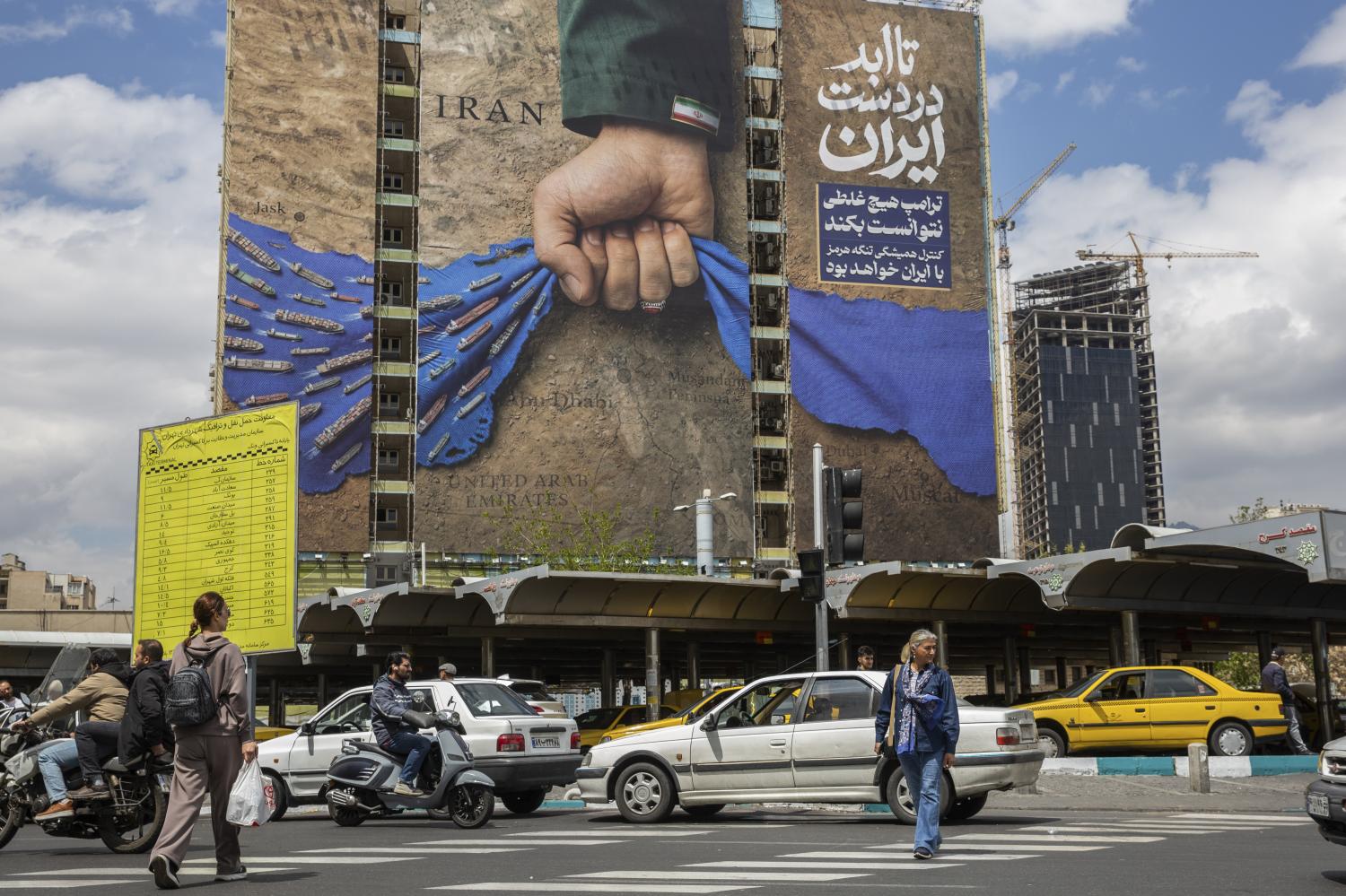
The war and its likely consequences
Oped, Thitinan Pongsudhirak, Published on 17/04/2026
» As the joint attack between the United States and Israel against Iran that resulted in a wider regional conflict in the Middle East approaches its two-month mark, the directions of the war remain precarious while some of the longer-lasting consequences appear evident. Unsurprisingly, the war has been detrimental and damaging for all states and societies concerned, not just within the affected region but the wider world. Already we can start counting some of the long-term costs.
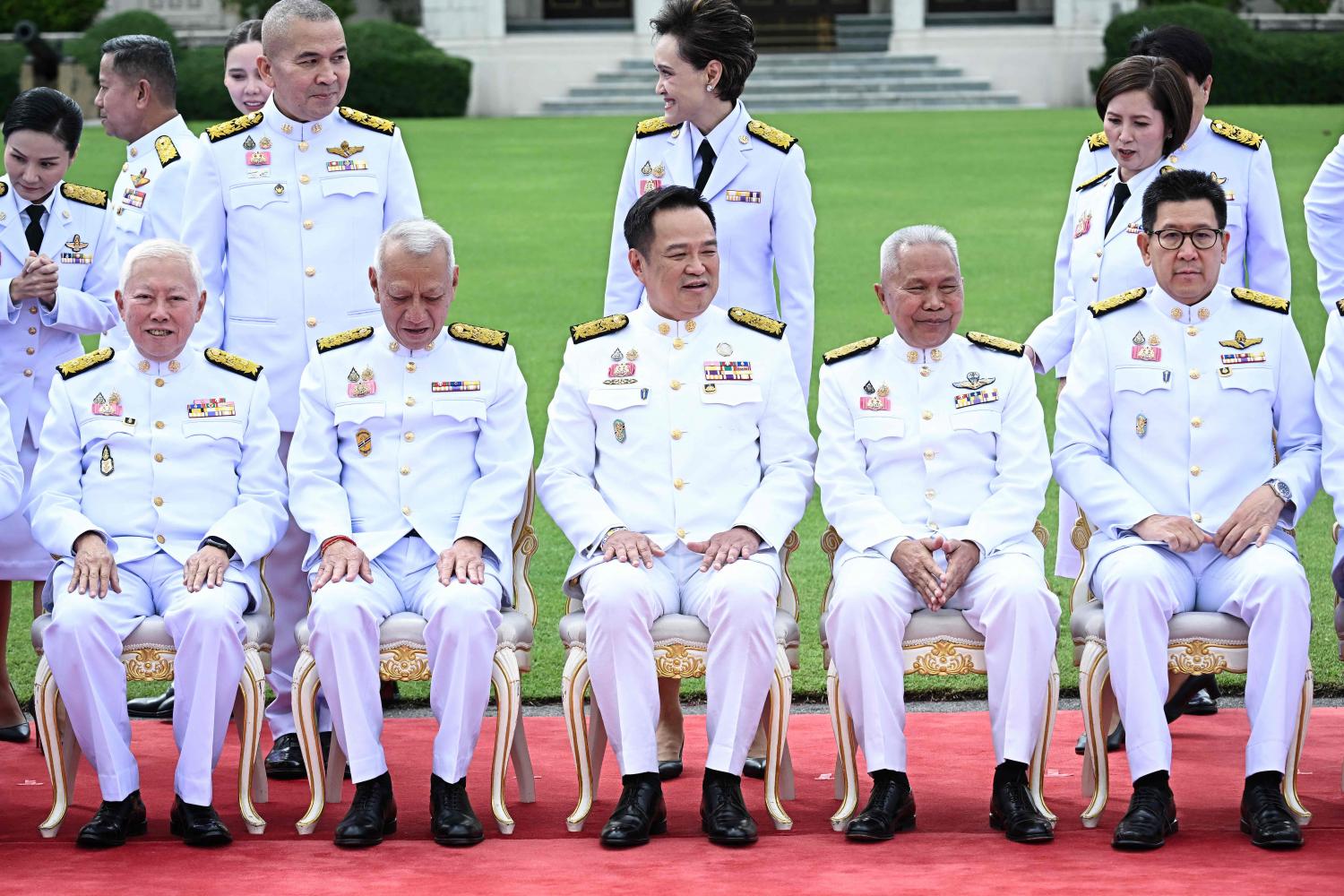
Anutin's new cabinet is a mixed bag
Oped, Thitinan Pongsudhirak, Published on 26/09/2025
» The composition and size of Prime Minister Anutin Charnvirakul's 36-member cabinet suggest that he intends to stay in office for as long as possible, clinging to the terms of the government-enabling Memorandum of Agreement (MOA) and calling an early election only if circumstances make it unavoidable.

Thailand needs middle power ambition
Oped, Thitinan Pongsudhirak, Published on 18/10/2024
» Having participated in the recent Asean-related summit meetings in Vientiane, Prime Minister Paetongtarn Shinawatra and her team must now work out Thailand's foreign policy priorities and posture. Foreign policy projection peaked around 20 years ago when Thailand was recognised as an emerging regional leader with the potential of a middle power. Since then, foreign policy has been patchy and hostage to polarisation and domestic political volatility. It is time to chart a way forward for Thailand's international standing and role despite ongoing political conflict at home.

Asian elections, democracy in 2024
Oped, Thitinan Pongsudhirak, Published on 29/12/2023
» Billed as the biggest election year ever as more than half of the global population goes to the polls, 2024 will be critical to the debate about democratisation and autocratisation. Asia will lead the way with elections in India, Bangladesh, Pakistan, and Indonesia, while the most recent polls in Myanmar and Thailand offer long-term lessons about democracy and dictatorship. The salient themes next year will be about the self-perpetuating tendencies of incumbent regimes and the resilience of democratic rule when authoritarianism seemed to have the upper hand.

Apec's geopolitics and geoeconomics
Oped, Thitinan Pongsudhirak, Published on 11/11/2022
» The upcoming leaders' meeting in Bangkok among the 21 member economies of the Asia-Pacific Economic Cooperation (Apec) should be seen in conjunction with its preceding Asean-related summits in the Cambodian capital of Phnom Penh and the G20 summit in Bali, the Indonesian island resort. This one-two-three combination in three Southeast Asian countries over a ten-day period is supposed to showcase Asean's central role in the promotion of peace, security and prosperity in the region and the wider world. But as Asean's summit season gets underway in Cambodia, excitement and promise have given way to anxieties and apprehensions. While these summit talks are an extraordinary opportunity to tone down geopolitical temperatures and geoeconomic competition, they are likely to yield mixed results.

Implications of Blinken's aborted visit
Oped, Thitinan Pongsudhirak, Published on 17/12/2021
» Having skipped Thailand due to a Covid-19 case among his travel delegation, the United States Secretary of State Antony Blinken's aborted three-country tour of Southeast Asia has hindered the full projection of President Joe Biden's Indo-Pacific geostrategy. Not wrapping up the trip with a visit to Thailand, a mainland Southeast Asia pivot and longstanding US treaty ally, also misses an opportunity to shore up what has been a relative bilateral estrangement. In short, Secretary Blinken's diplomatic foray in Southeast Asia has fallen short for the time being.

Biden's pivot to free, open Indo-Pacific
Oped, Thitinan Pongsudhirak, Published on 03/09/2021
» If former United States President Barack Obama is known for his "pivot to Asia" geostrategy and President Donald Trump for the Free and Open Indo-Pacific, there is now a geostrategic synthesis under President Joe Biden. It can be aptly called the US "pivot to the Free and Open Indo-Pacific".

Asean lags behind Myanmar curve
Oped, Thitinan Pongsudhirak, Published on 06/08/2021
» The more it tries to catch up on Myanmar's post-coup crisis, the more Asean falls behind. Since Myanmar's military takeover on Feb 1, Asean has spent nearly the first three months getting its act together for a "special summit" and a "five-point consensus" on April 24 and then more than another three months to meekly implement the agreement. In the event, the appointment of Brunei's Second Foreign Minister Erywan bin Mohd Yusof as the Asean envoy to promote dialogue and humanitarian assistance in Myanmar is likely to prove too little, too late for what has been desperately needed on the ground.
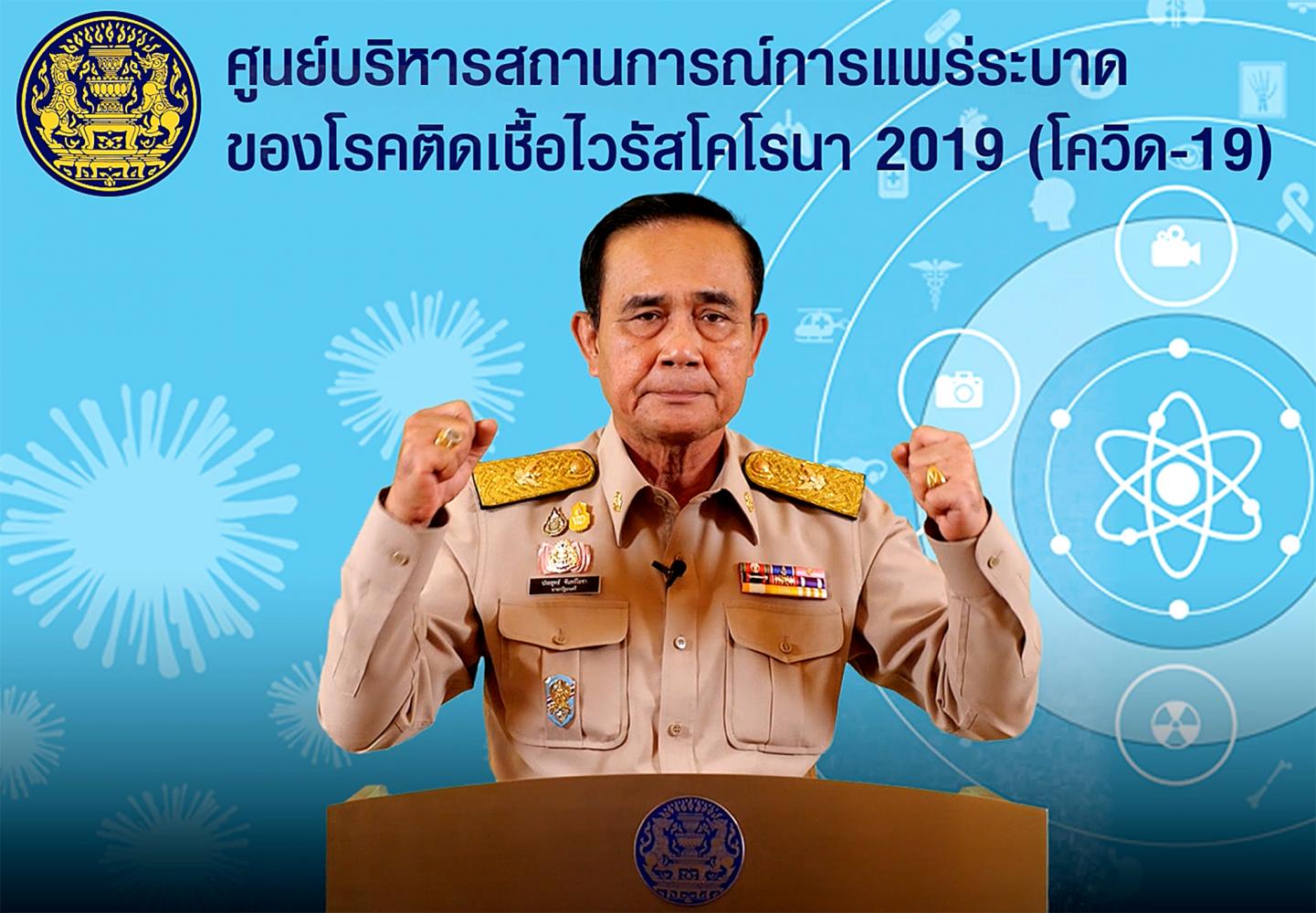
Thailand needs firmer Covid-19 action
Oped, Thitinan Pongsudhirak, Published on 20/03/2020
» While being on the right track, the government's latest response to the new coronavirus (Covid-19) by closing schools and entertainment venues, as well as putting off the Songkran break, is likely to prove too little, too late, once again. As other countries have shown, the sooner firm and hard measures are put in place, the better and likelier efforts to contain and remedy Covid-19 will be successful. An early global lesson from the fast-spreading virus is to be pre-emptive and pro-active, "front-loading" the pain of social adjustments and economic damages rather than playing catch-up and ultimately paying a higher price.

Concentric Mideast wars and prospects
News, Thitinan Pongsudhirak, Published on 10/01/2020
» Nothing captures attention in an age of media saturation like the talk of war. The recent decision by US President Donald Trump to assassinate a top Iranian official, Quds Force Commander Major General Qassem Soleimani, has conjured up the spectre of a wider conflict encompassing not just the Middle East but the broader world, as Iran's top leaders deemed it "an act of war" and vowed "severe revenge". Although Iran's military and its proxy militias and client states in the Middle East and elsewhere are poised to exact retribution for their loss, we are unlikely to see a world war in the immediate aftermath of this killing.