



Showing 1 - 10 of 23
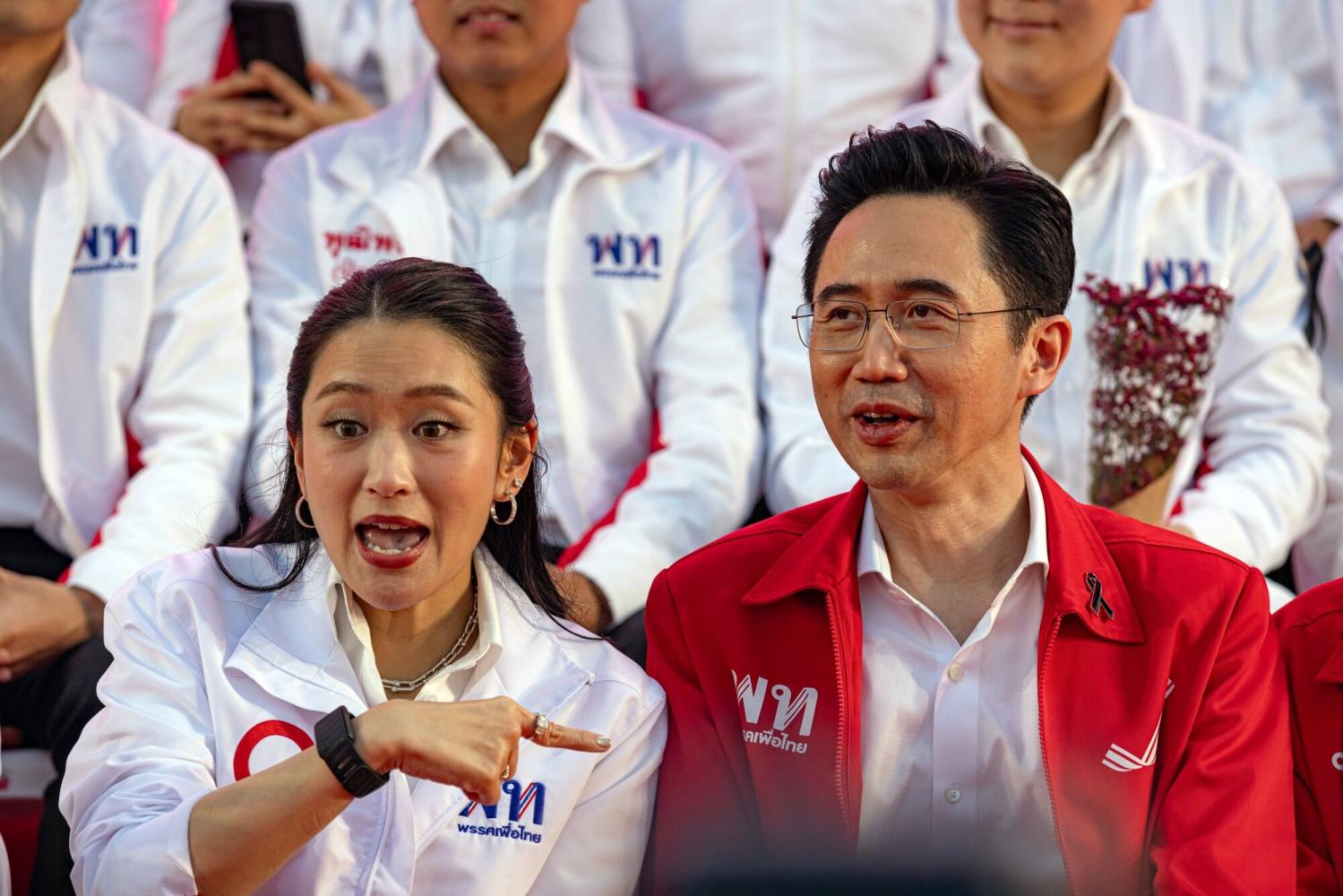
Three main parties and two directions
Oped, Thitinan Pongsudhirak, Published on 16/01/2026
» Although Thailand's election campaign is reaching fever pitch ahead of voting day on Feb 8, the dynamics and contours of its final outcome can be gleaned from past polls over the last 25 years. Only once in January 2001, as was indicated in this space last week, were voter results fully honoured and carried out. Other elections were either upended by military coups or manipulated by judicial interventions.
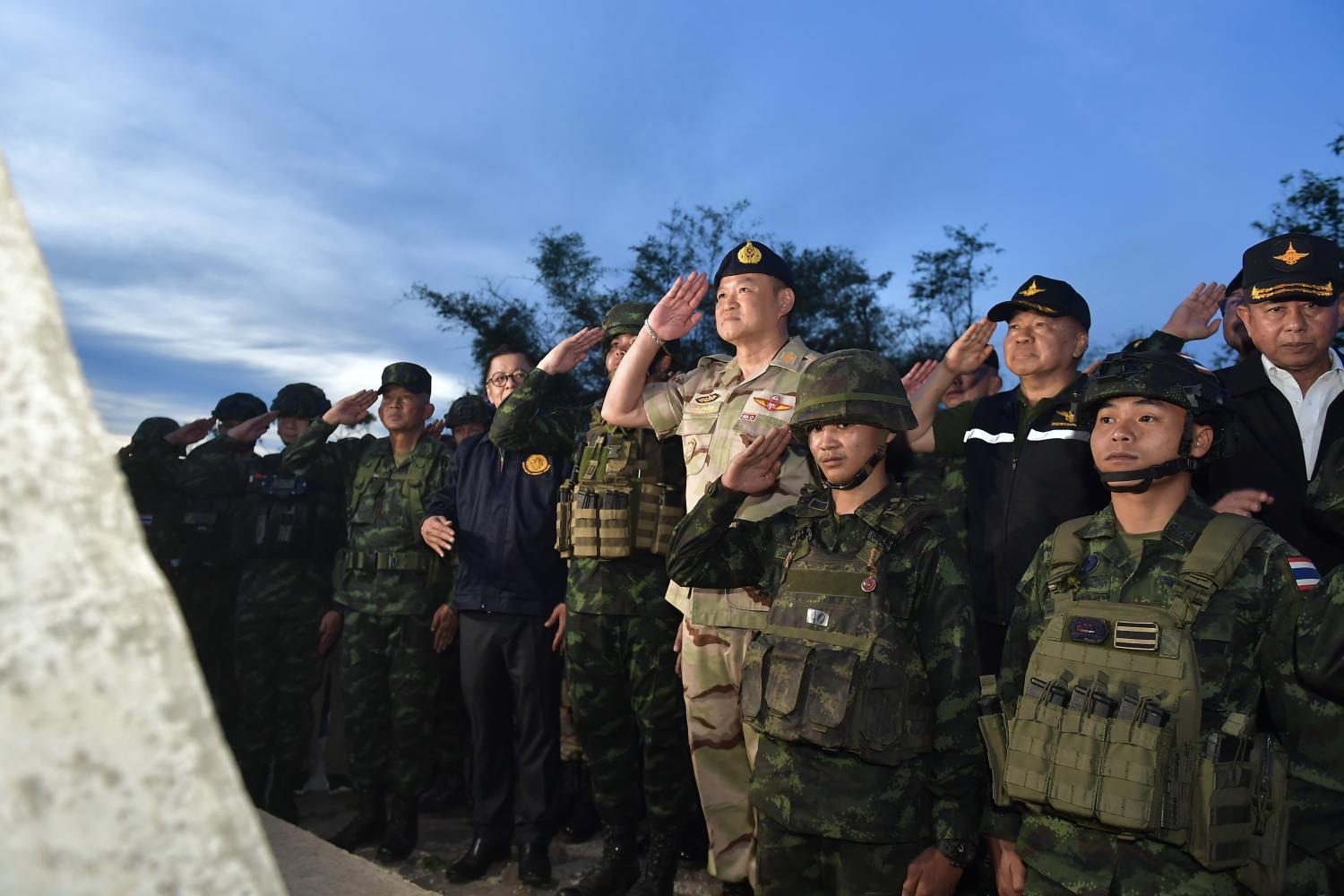
No-confidence and poll date in flux
Oped, Thitinan Pongsudhirak, Published on 14/11/2025
» Amid the drumbeats of military conflict with Cambodia, Thailand's political environment is evidently unruly and unsettled. The minority government of Anutin Charnvirakul, the third prime minister from the third largest-winning party since the latest national election in May 2023, is hard-pressed to stay in office beyond the four-month "Memorandum of Agreement" between his Bhumjaithai Party (BJT) and the People's Party (PP), the largest camp in the national assembly.

Trump tariffs sow divisions in Asean
Oped, Thitinan Pongsudhirak, Published on 02/05/2025
» President Donald Trump's unilateral imposition of tariffs across the United States' economic chessboard poses a critical test for Asean. As the regional organisation of Southeast Asia, Asean has weathered many geopolitical and geoeconomic storms in its 58-year existence, but no adversity like the Trump tariffs. Unless Asean reorganises and regroups, the ten-member body risks further divisions and increasing irrelevance.

A perilous era of absolute advantage
News, Thitinan Pongsudhirak, Published on 25/04/2025
» If a date had to be pinpointed, the post-Second World War international system came to an unmistakable end on April 2 -- the so-called "Liberation Day" -- when US President Donald Trump announced comprehensive "reciprocal" tariffs to a bewildered global audience. The blatantly protectionist move was equivalent to the United States' abrogation and abandonment of the rules-based international order that it ironically and instrumentally constructed and upheld over nearly eight decades. What comes now is a dangerous era of absolute advantage in global trade, investment, and finance, bent on unilateralism over multilateralism, competition over cooperation, nationalism over interdependence, and the singular quest to dominate and reshape the global pecking order under the rubric of making America "great again".

Japan's dilemmas need bold answers
Oped, Thitinan Pongsudhirak, Published on 03/11/2023
» Among the big countries vying for power and influence in the fluid and contentious geostrategic arena, Japan faces the most daunting challenges. Most of the recognised major powers in Asia, from China and India to Indonesia and South Korea, are rising and aspiring for bigger roles and grander objectives, while Japan's place in the global pecking order has been in decline. The last time Japan had to confront such an existential threat to its place in the world may have been in the 1860s when the Western powers shook up and threatened to take over the isolated and inward-looking martial society.

Tolerating populism for democracy
Oped, Thitinan Pongsudhirak, Published on 13/10/2023
» The so-called “super deal” in August that resulted in the return of Thaksin Shinawatra and the formation of the Pheu Thai Party-led coalition government under Srettha Thavisin evidently has its limitations. It appears to be rejected by sections of the conservative old guard who still wants to resort to extra-parliamentary ways and means to undermine Thailand’s delicate parliamentary democracy. Reminiscent of past protests against Mr Thaksin’s brand of populism, a new round of extra-parliamentary political movement has begun in earnest with the petition launched by 99 prominent economists, including former central bank governors, against the Srettha government’s 10,000-baht digital wallet policy.

Srettha confronts myriad of challenges
News, Thitinan Pongsudhirak, Published on 22/09/2023
» As the coalition government of Prime Minister Srettha Thavisin gets going, it faces multiple daunting challenges, from public expectations and policy deliverables to the maintenance of political stability.

Thai charter court deserves scrutiny
Oped, Thitinan Pongsudhirak, Published on 04/08/2023
» Amid the volatility and confusion during the interim since the May 14 election, Thailand's Constitutional Court has further thickened the plot by accepting a petition to rule on whether a parliamentary vote using the meeting rules to deny the renomination of Move Forward Party leader Pita Limjaroenrat's premiership was unconstitutional.
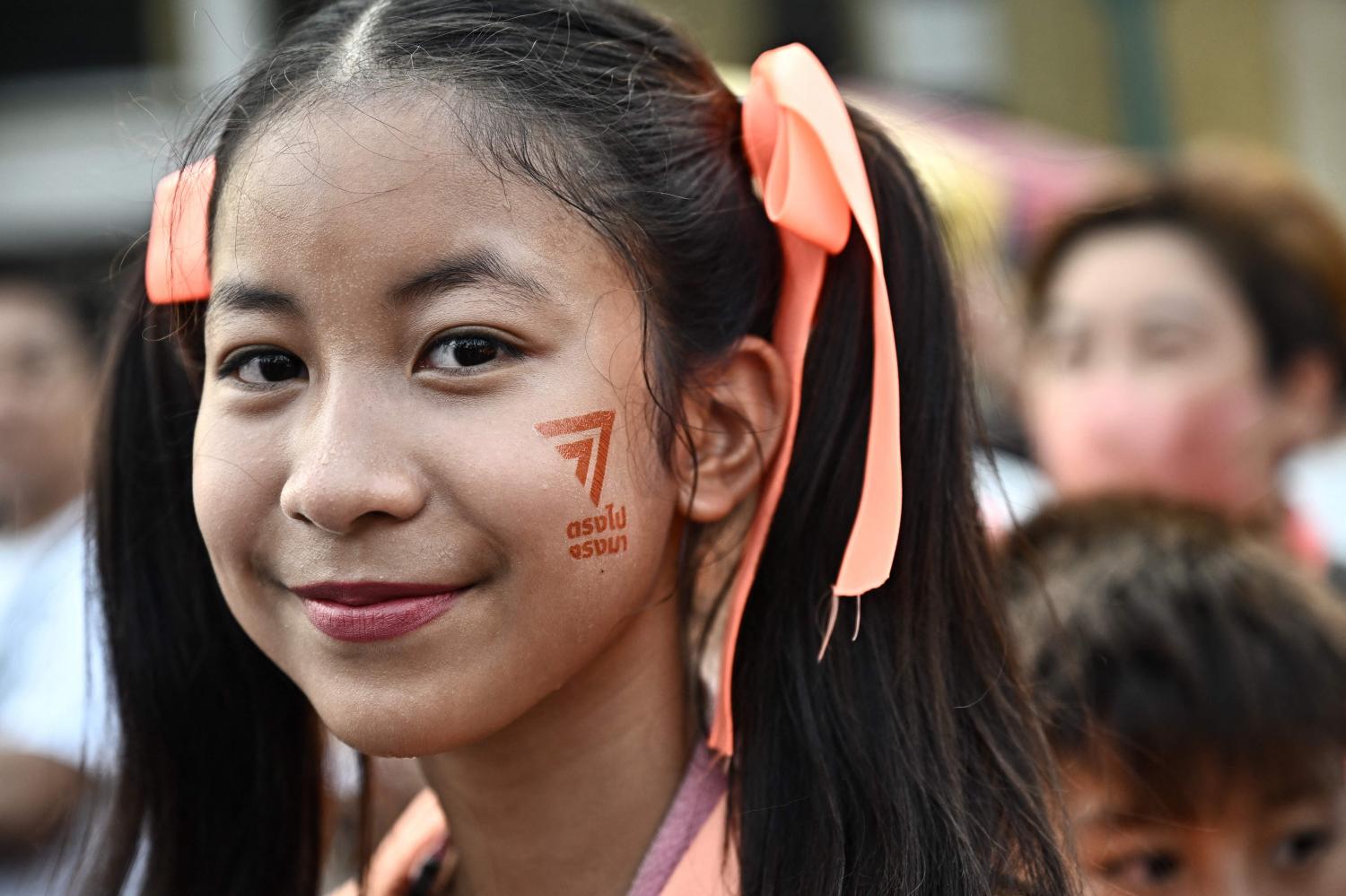
Only the young can change Thailand
Oped, Thitinan Pongsudhirak, Published on 09/06/2023
» If the past two decades of Thai politics has been about populism and colour-coded conflicts between the yellow-shirted pro-establishment forces against the red shirts aligned with ousted former prime minister Thaksin Shinawatra, the foreseeable future will likely be about structural reforms and a generational clash between the age-old established centres of power against young Thais who are rising up to determine their country's future directions. It is unsurprising that only younger Thais can change Thailand because their old compatriots have too much at stake and too many vested interests in the entrenched and deeply embedded status quo.

Post-poll lull has a lot to answer for
Oped, Thitinan Pongsudhirak, Published on 26/05/2023
» After a clear election victory, Thailand should already have a new government in office by now with Pita Limjaroenrat as prime minister, as his Move Forward Party (MFP) together with opposition ally Pheu Thai Party won a clear mandate of more than 58% of 500 lower house seats. Yet their coalition government in waiting among eight parties with 313 elected representatives is facing several critical roadblocks, including the military-appointed senate and the Election Commission (EC). Public pressure is now needed to be piled on these powerful but biased bodies that were appointed during the coup-dominated era in 2014–2019 to comply with the people's wishes, as expressed at the polls on May 14.