



Showing 1 - 10 of 99
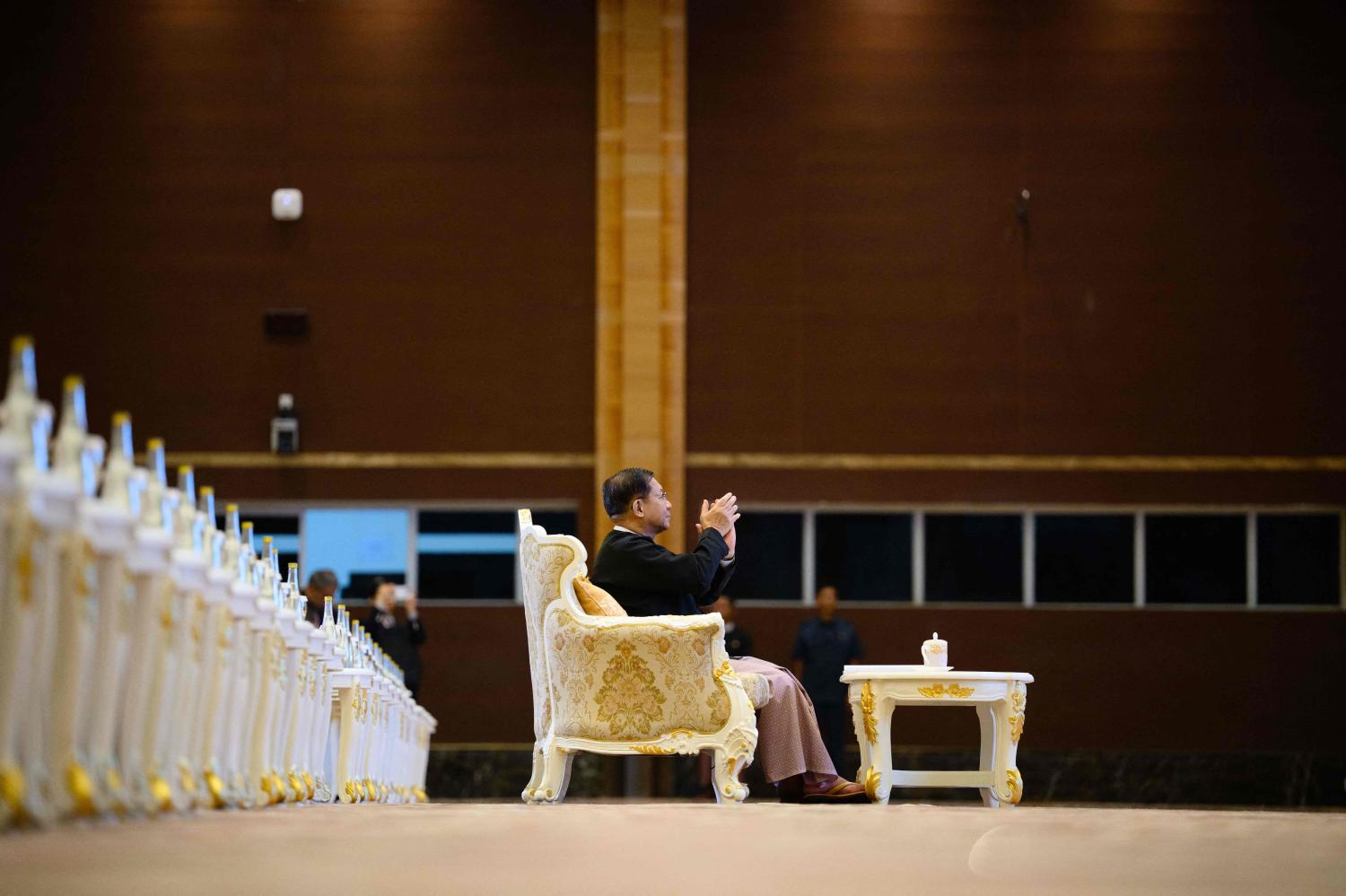
Myanmar's robbery of a democracy
Oped, Thitinan Pongsudhirak, Published on 24/04/2026
» Five long years after Myanmar's military seized power on 1 Feb 2021, what has taken place in recent weeks amounts to a delayed fait accompli. Led by Senior General Min Aung Hlaing, then commander-in-chief of the armed forces, the coup diverged from its traditional playbook seen in 1962 and 1988, when tanks rolled and the military ruled by brute force. This time, the takeover nearly unravelled amid a nationwide uprising that evolved into a civil war, waged by an armed and determined resistance comprising the civilian-led National Unity Government (NUG), the People's Defence Forces (PDFs), and a constellation of Ethnic Armed Organisations (EAOs).
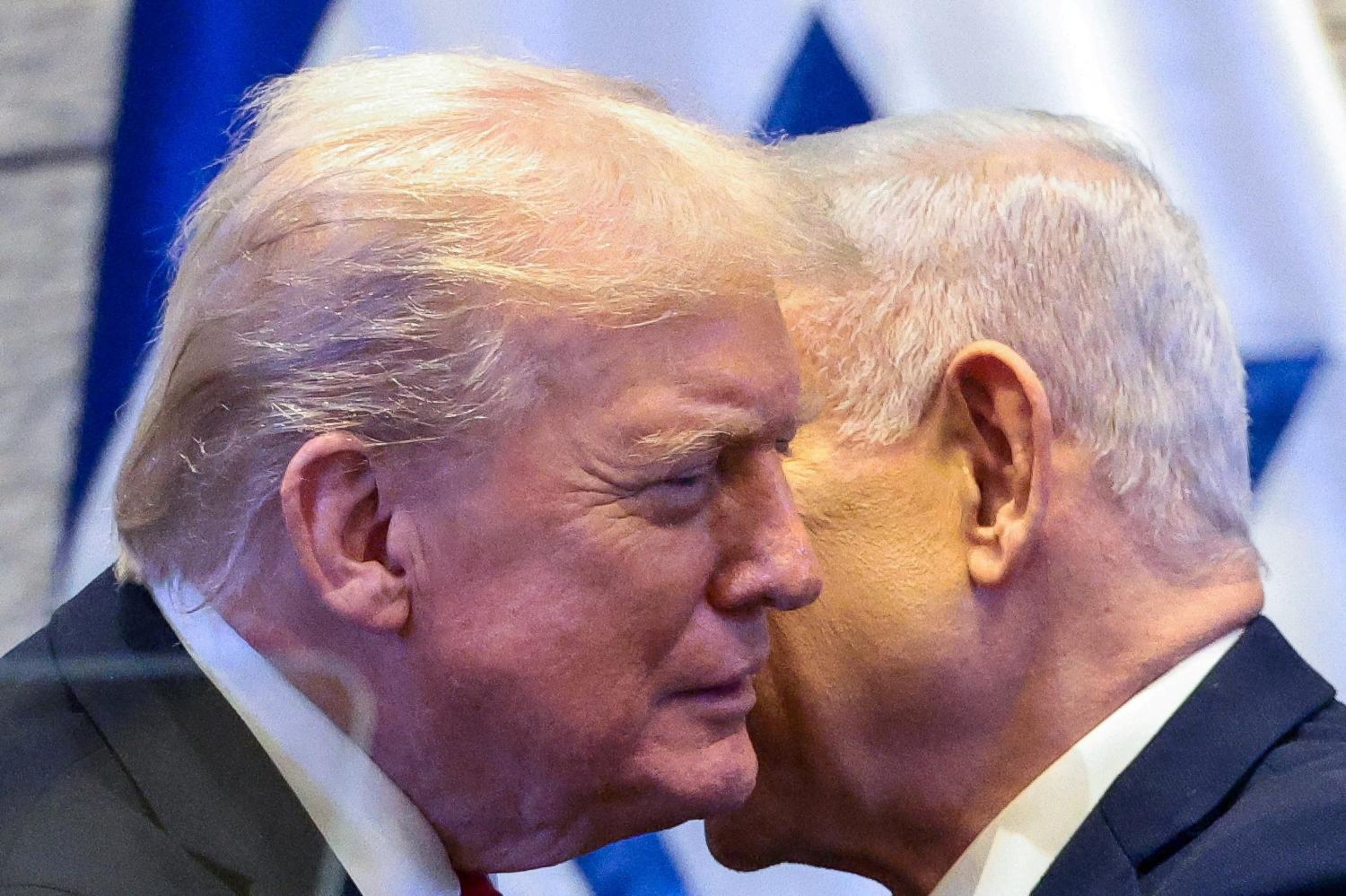
Trump goes off-script, US gone rogue
Oped, Thitinan Pongsudhirak, Published on 27/03/2026
» It was not supposed to work like this. "America First" and "Make America Great Again" (MAGA) were supposed to be about an inward turn to repair, replenish and rebuild an externally overstretched and internally weakened country, weighed down by unnecessary global entanglements, unsustainable national debt, and unimpeded mass migration. It seemed for a time that the MAGA movement to prioritise America above and beyond the international system and its constituent parts had found its final prophet in President Donald J Trump. But now, somehow, President Trump has betrayed the movement that has carried him to office by waging a disastrous war on Iran in cooperation with Israel.
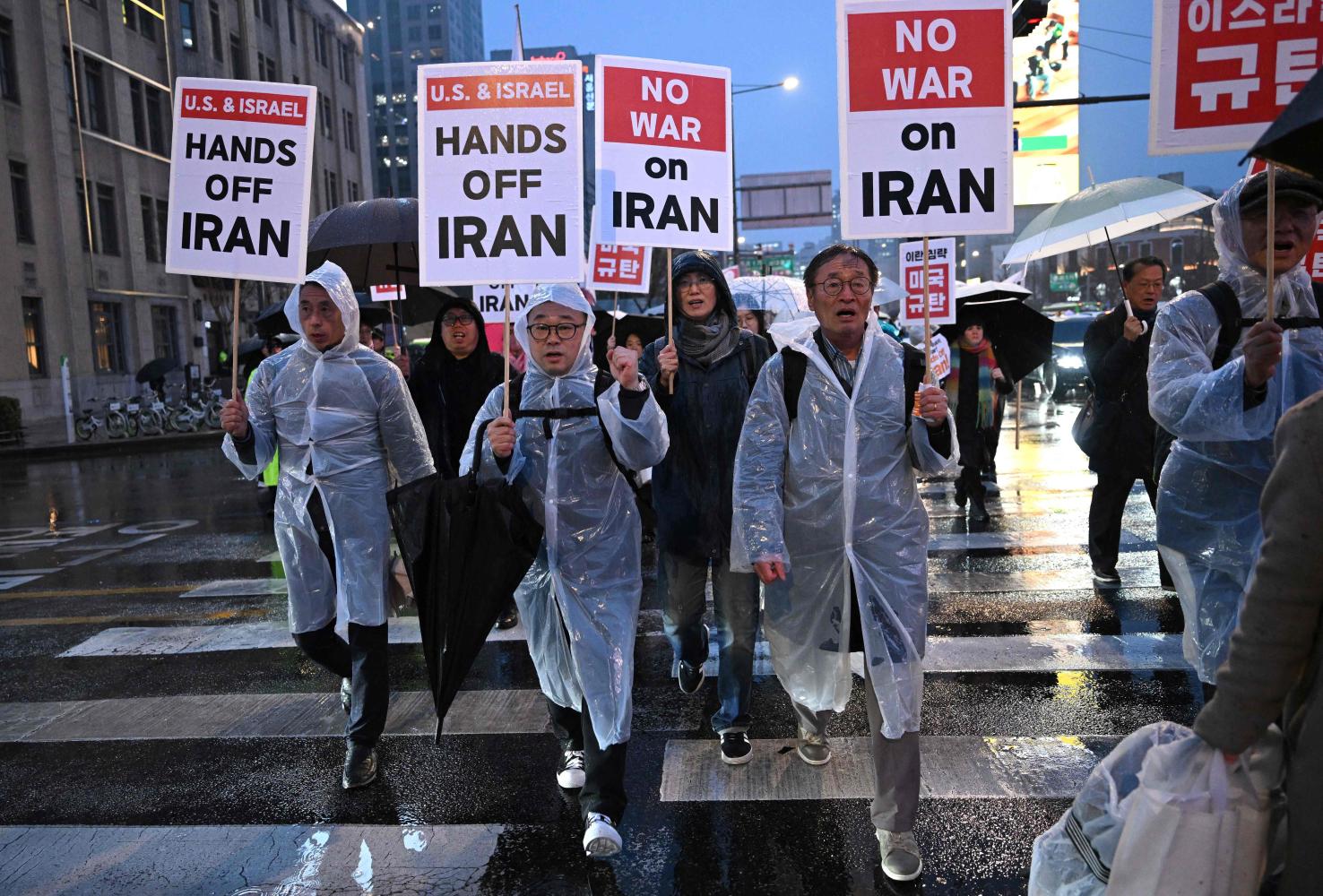
America risks grand folly in Iran war
Oped, Thitinan Pongsudhirak, Published on 06/03/2026
» It is just the first week of the joint attack between the United States and Israel on the Islamic Republic of Iran, but the repercussions from the Middle East for the Indo-Pacific are already discernible.
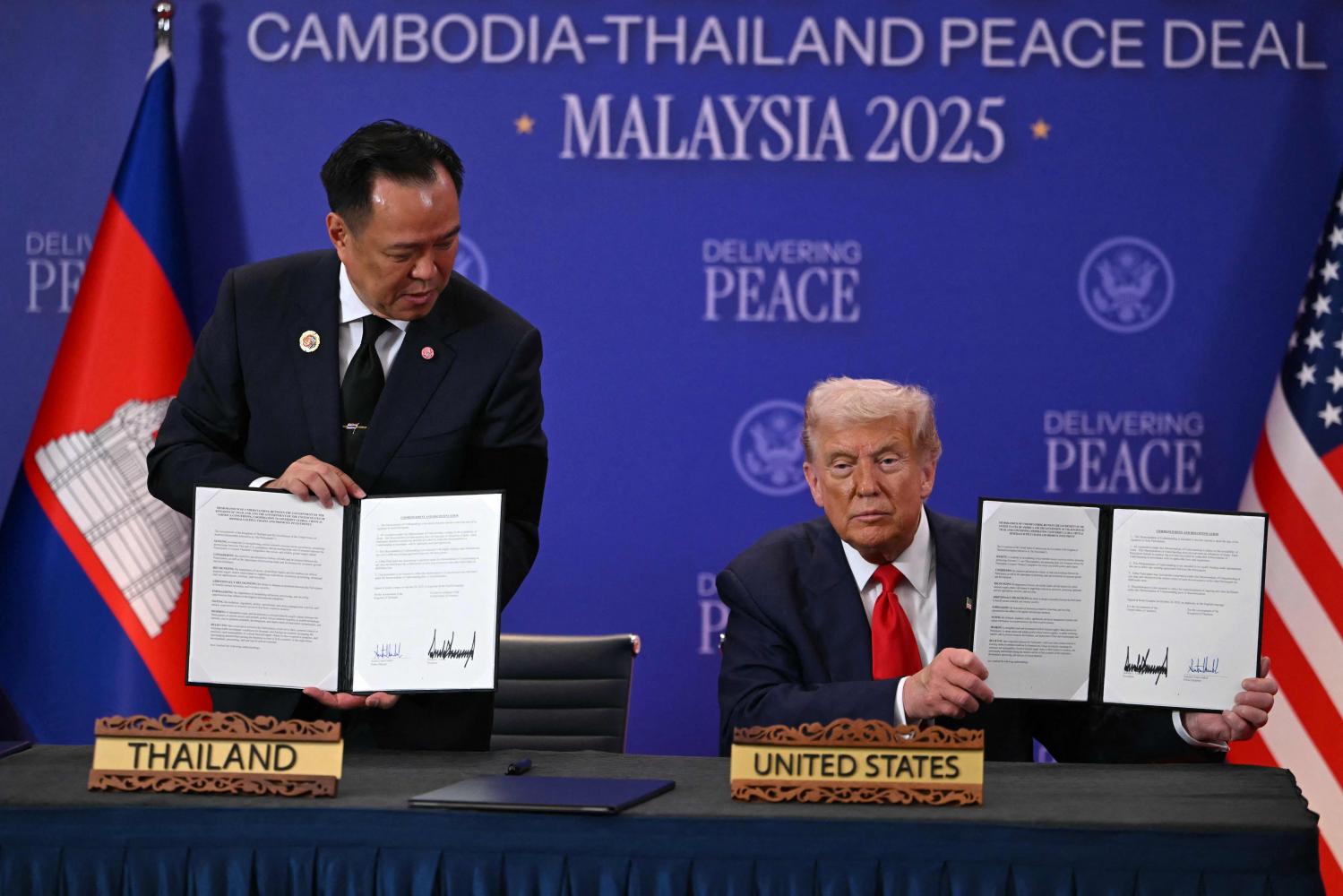
Digesting Trump's trip through Asia
Oped, Thitinan Pongsudhirak, Published on 07/11/2025
» Storming through Asia last week, US President Donald Trump's first stop in Kuala Lumpur on Oct 26, before moving on to Japan and South Korea over the next four days, capped by his meeting with Chinese President Xi Jinping before returning to Washington, was the most consequential for Southeast Asian economies.

Asean's regroup requires deep reforms
Oped, Thitinan Pongsudhirak, Published on 17/10/2025
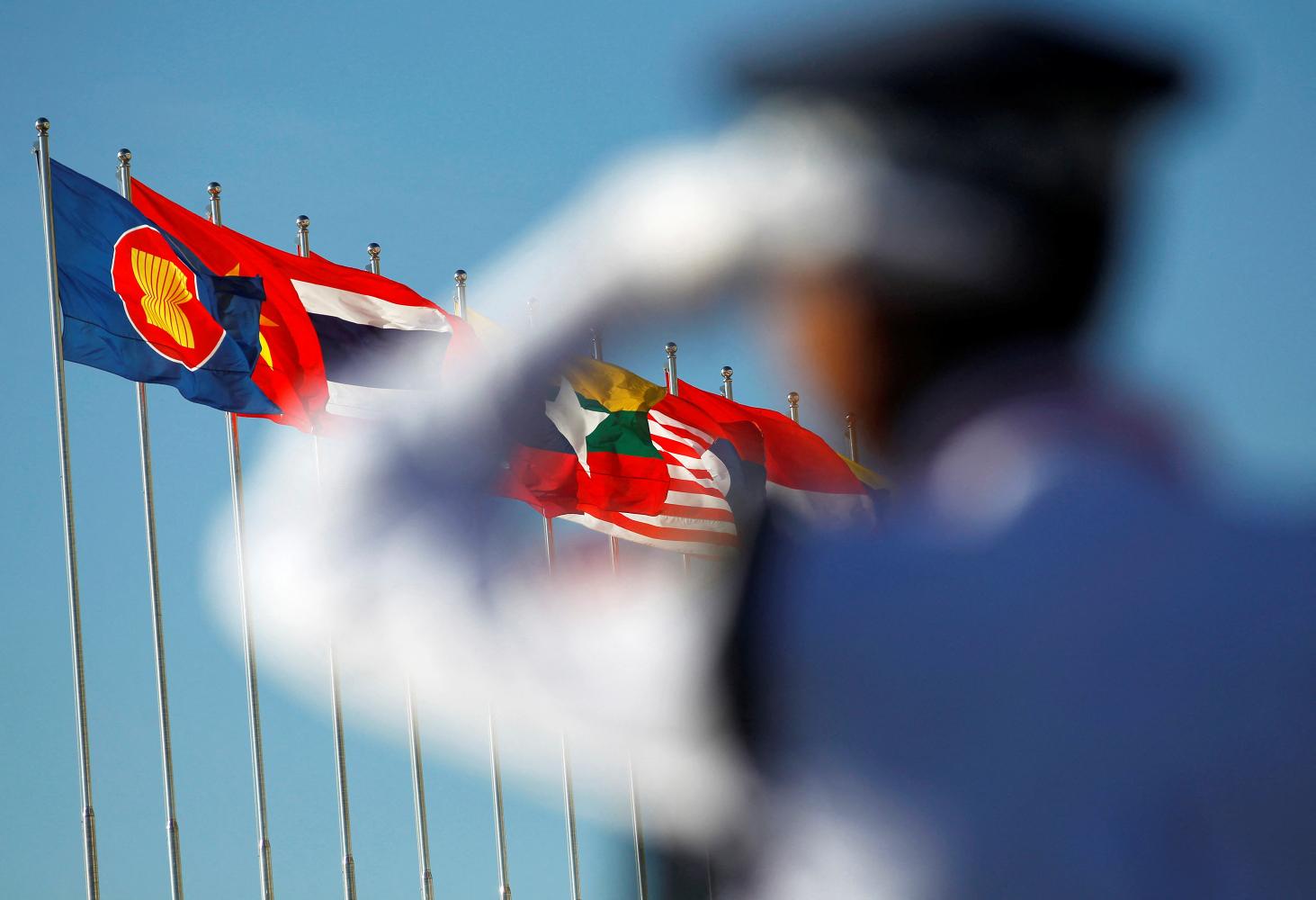
» If Asean's 58 years thus far have been about resilience and playing a central organising role in promoting regional security and stability, its next decade will determine whether the Southeast Asian bloc can adapt and remain relevant. After the crises in Myanmar and along the Thai-Cambodian border, Asean's credibility has never been more in doubt. To regain its effectiveness as Southeast Asia's one and only agency, Asean needs to move away from the ritualistic diplomacy of mundane meetings to far-reaching reforms that chart new ways of making things work.
Flawed Asean needs to regain footing
Oped, Thitinan Pongsudhirak, Published on 10/10/2025
» Nearly six decades after its founding, the Association of Southeast Asian Nations (Asean) finds itself back where it began -- divided, uncertain, and vulnerable to the influence of major powers. Once hailed as a model for regional cooperation in the developing world, Asean now faces a crisis of purpose. Unless it can rediscover the unity and collective way forward that defined its early decades, Southeast Asia's flagship institution risks slipping into irrelevance.
Southeast Asia amid the US-China rift
Oped, Thitinan Pongsudhirak, Published on 03/10/2025
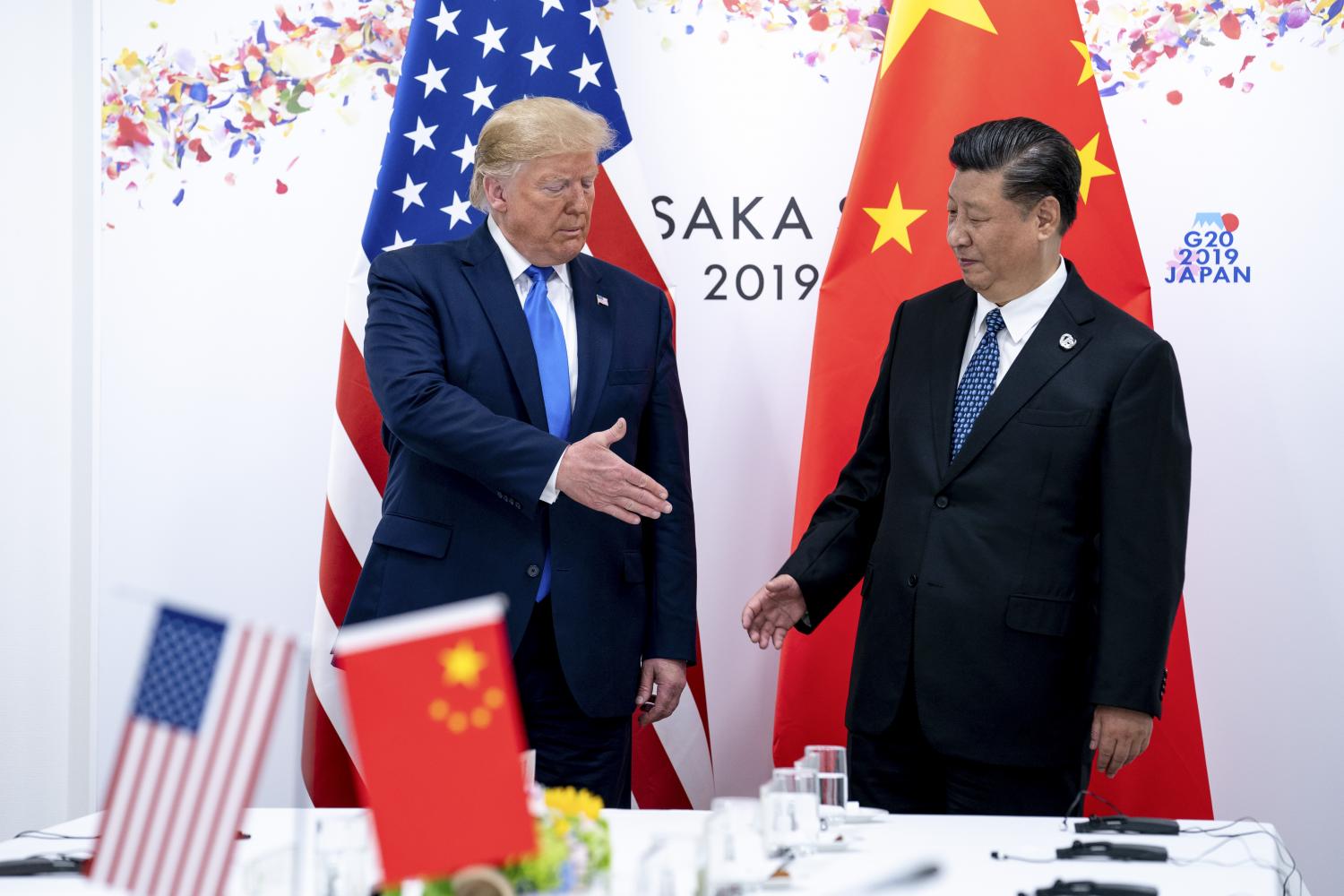
» The rivalry between the United States and China has become the defining contest of the 21st century. Barely two decades ago, Washington and Beijing were partners in prosperity. America's support for China's entry into the World Trade Organization in 2001 epitomised the high-water mark of engagement, reflecting the belief that economic integration would lead to greater political cooperation. Today, that partnership has morphed into suspicion and confrontation. Relations between the United States and China have deteriorated so swiftly that many observers now describe them as locked in a "new Cold War". The more pressing question, however, is not whether this analogy holds, but whether confrontation can be managed short of outright conflict.

Trump tariffs sow divisions in Asean
Oped, Thitinan Pongsudhirak, Published on 02/05/2025
» President Donald Trump's unilateral imposition of tariffs across the United States' economic chessboard poses a critical test for Asean. As the regional organisation of Southeast Asia, Asean has weathered many geopolitical and geoeconomic storms in its 58-year existence, but no adversity like the Trump tariffs. Unless Asean reorganises and regroups, the ten-member body risks further divisions and increasing irrelevance.

A perilous era of absolute advantage
News, Thitinan Pongsudhirak, Published on 25/04/2025
» If a date had to be pinpointed, the post-Second World War international system came to an unmistakable end on April 2 -- the so-called "Liberation Day" -- when US President Donald Trump announced comprehensive "reciprocal" tariffs to a bewildered global audience. The blatantly protectionist move was equivalent to the United States' abrogation and abandonment of the rules-based international order that it ironically and instrumentally constructed and upheld over nearly eight decades. What comes now is a dangerous era of absolute advantage in global trade, investment, and finance, bent on unilateralism over multilateralism, competition over cooperation, nationalism over interdependence, and the singular quest to dominate and reshape the global pecking order under the rubric of making America "great again".

Thailand lags in the global trade war
Oped, Thitinan Pongsudhirak, Published on 11/04/2025
» Thailand is fast isolating itself from the international community and falling behind in the emerging geoeconomic warfare to the detriment of its economy and people. The elected government of Prime Minister Paetongtarn Shinawatra is ironically coming up with outcomes that resemble those of the military administration a decade ago. Thailand must now move quickly to contain policy damage and restore its international standing to navigate and come out of the intensifying geoeconomic war in as decent a shape as possible.