



Showing 1 - 10 of 15
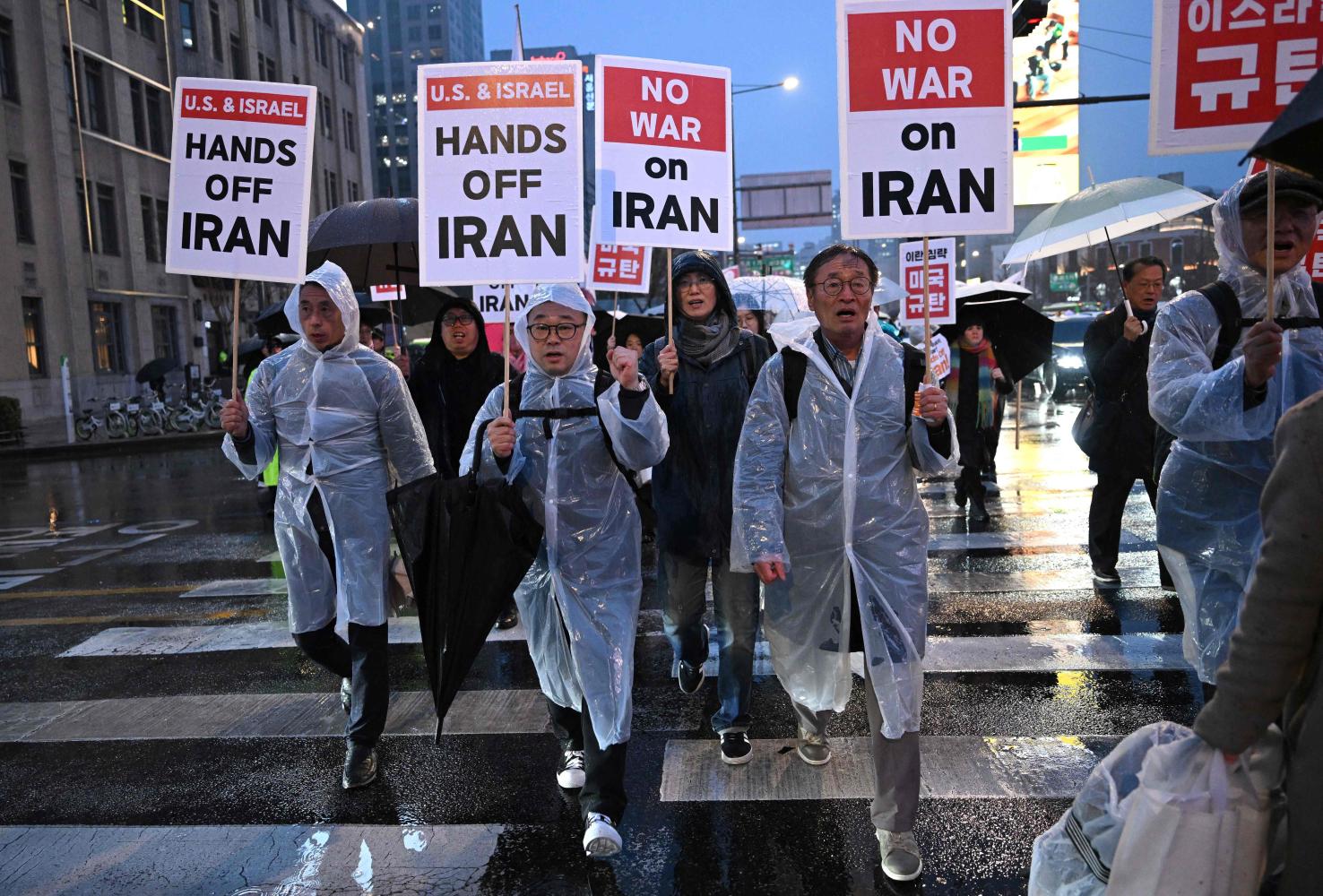
America risks grand folly in Iran war
Oped, Thitinan Pongsudhirak, Published on 06/03/2026
» It is just the first week of the joint attack between the United States and Israel on the Islamic Republic of Iran, but the repercussions from the Middle East for the Indo-Pacific are already discernible.

Another wasted year in Thai politics
Oped, Thitinan Pongsudhirak, Published on 26/12/2025
» As Thailand winds down 2025 with an early election looming on Feb 8, the most consequential issue to watch in the coming year will be whether recent topsy-turvy political patterns of polls, protests, and military and judicial interventions give way to a compromise between the old guard clinging on to vested interests and the new generation clamouring for reform and change.
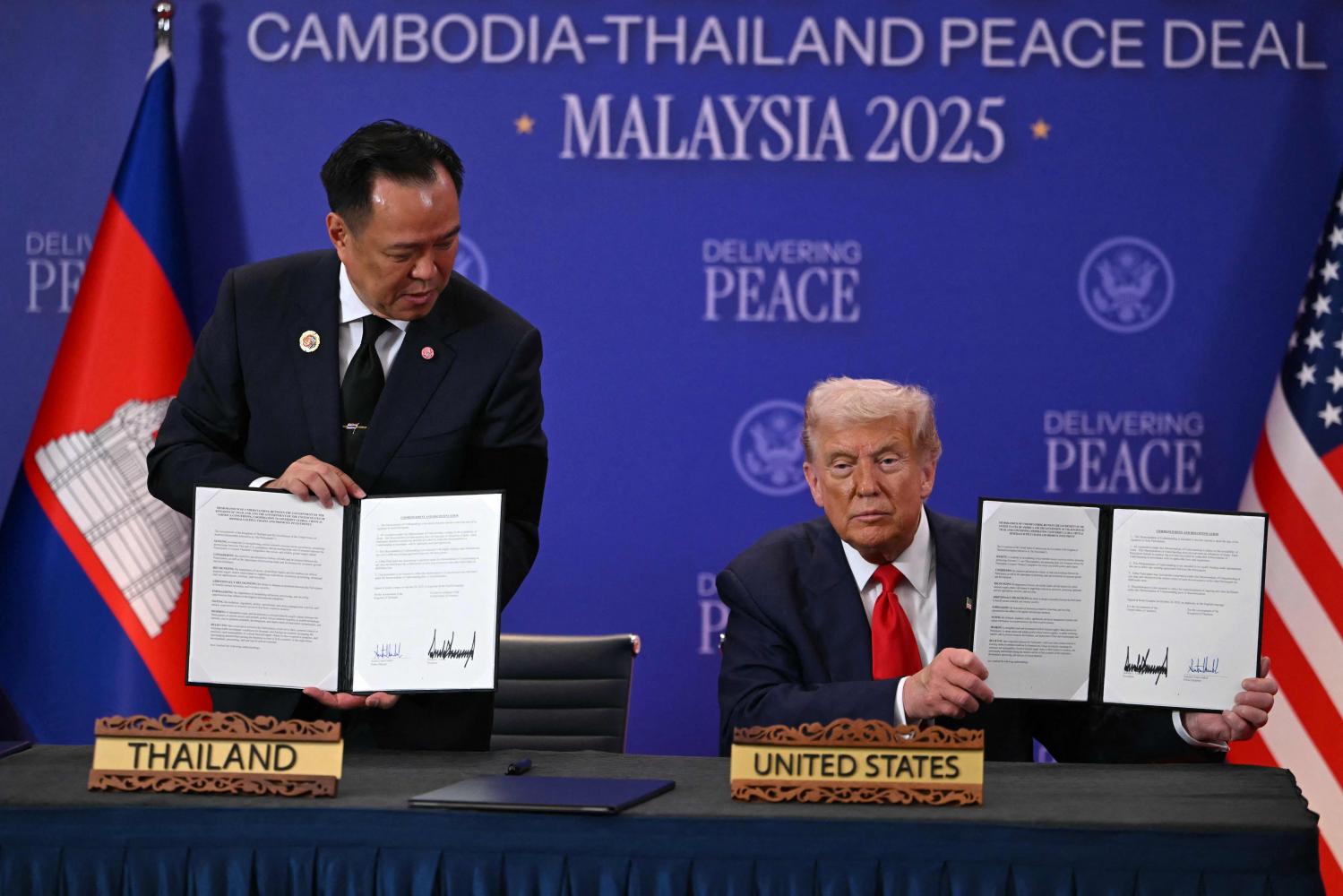
Digesting Trump's trip through Asia
Oped, Thitinan Pongsudhirak, Published on 07/11/2025
» Storming through Asia last week, US President Donald Trump's first stop in Kuala Lumpur on Oct 26, before moving on to Japan and South Korea over the next four days, capped by his meeting with Chinese President Xi Jinping before returning to Washington, was the most consequential for Southeast Asian economies.

PM's crisis and Thai political directions
Oped, Thitinan Pongsudhirak, Published on 27/06/2025
» What began just a month ago as a minor border dispute with Cambodia has spiralled into an existential political crisis in Thailand. In what she understood to be a private phone conversation with Cambodia's former prime minister and Senate President, Hun Sen, Prime Minister Paetongtarn Shinawatra compromised her premiership and undermined Thai national interests. While she tries to ride out the storm, her tenure appears wobbly and unworkable. What comes next will likely proceed in one of three directions revolving around the Thai parliamentary processes, each with its own scenarios and considerations.

Prayut running down clock to aid UTN
Oped, Thitinan Pongsudhirak, Published on 03/03/2023
» There is something odd about Thailand's upcoming election. By all indications, it is slated to take place on May 7. Prime Minister Prayut Chan-o-cha has announced that he will soon dissolve the Lower House to set the poll in motion. But no such dissolution has yet been announced, while the end of parliament's four-year term falls on March 23. The ambiguous election-setting scene is portentous and telling for several reasons.

Election-related agencies need overhaul
Oped, Thitinan Pongsudhirak, Published on 03/06/2022
» In any respectable democratic system, a winning poll candidate who secured an overall majority of electoral support would take office with the earliest effect. Not in Thailand. When Chadchart Sittipunt trounced 29 rivals by gathering 1.38 million or 51% of the votes cast in Bangkok's gubernatorial election on May 22, the capital's electorate had to hold their breath in suspense to see whether and when the Election Commission (EC) would validate his runaway victory.

Where have the media reformers gone?
Oped, Thitinan Pongsudhirak, Published on 18/02/2022
» After two decades marked by two military coups in 2006 and 2014, Thailand is supposed to be a "reformed" country by now. While all kinds of reforms were promised with each military takeover -- from political parties, parliament and constitution to the bureaucracy, military and police -- none has taken place. In fact, pledged reforms have gone in the opposite direction in the past. Nowhere is this reaction and restoration of old power and interests more evident than in Thailand's media industry.

Aukus poses challenges to other powers
Oped, Thitinan Pongsudhirak, Published on 15/10/2021
» The Australia-United Kingdom-United States (Aukus) security pact has caused ripple effects across oceans and continents. Not only will the trilateral security partnership provoke China, but it will likely further divide Southeast Asia and overshadow Asean-centred cooperative vehicles, such as the East Asia Summit. Beyond these concerns, the Aukus deal to share Anglo-American nuclear technology to enable Australia's acquisition of eight nuclear-powered submarines over two decades poses challenges to other major powers, particularly the European Union and its key members as well as Japan.

The UK moves into a tougher new world
Oped, Thitinan Pongsudhirak, Published on 24/09/2021
» The United Kingdom is on the move. From the "Brexit" referendum result more than five years ago to the recent launch of the Australia-United Kingdom-United States (Aukus) trilateral security partnership, it is unmistakeable that the post-World War II rules-based liberal international order is coming under increasing strain. As the global order unravels, the UK is facing a brave new world that requires calling up its inner strength in ways not seen since its finest battle against tyranny and aggression some 80 years ago. And there are reasons to think the UK will do better than its critics and detractors suggest.

Govt must take vaccine responsibility
Oped, Thitinan Pongsudhirak, Published on 23/07/2021
» After more than six months of virus policy bungles, vaccine shortages and repeated denials, senior public health officials at last have admitted their mistakes and apologised to the public. But these apologies came with attachments and excuses that fall short of owning up squarely to the pandemic calamity that is besetting Thailand. Worse, the ultimate decision-makers in charge, from Health Minister Anutin Charnvirakul to Prime Minister Prayut Chan-o-cha, have been nowhere to be seen. The Prayut government has yet to take full responsibility for Thailand’s pandemic mismanagement that is claiming hundreds of lives with many thousands more infected and untold hardship across the country.