



Showing 1 - 6 of 6
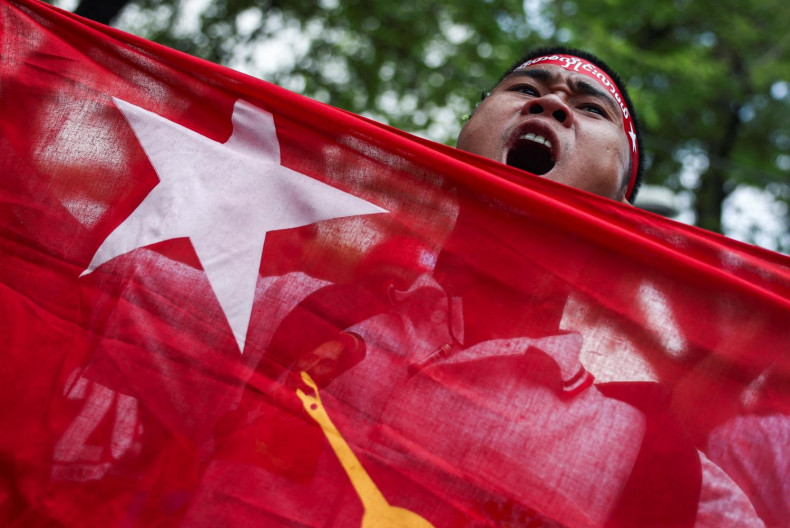
Myanmar revolts against dictatorship
Oped, Thitinan Pongsudhirak, Published on 02/02/2024
» When Myanmar's military coup took place three years ago, few thought it would turn out this way. Never has a military in Southeast Asia staged a successful coup and then failed to consolidate power afterwards. Yet this is precisely what's happening in Myanmar. A fierce and determined coalition of resistance forces is in the process of prevailing over Myanmar's battle-hardened army.
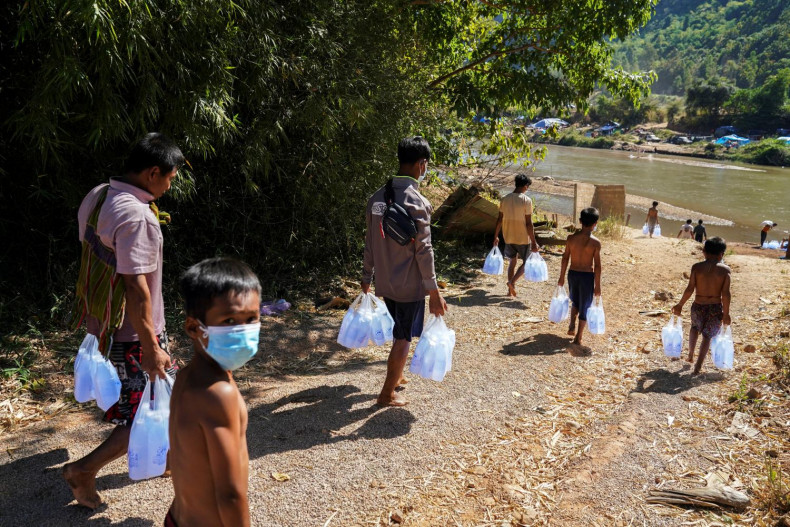
Thailand's bankrupt Myanmar policy
Oped, Thitinan Pongsudhirak, Published on 17/06/2022
» Few signboards foretell the global issues of our time better than what is addressed at the annual meetings of the Shangri-La Dialogue (SLD) in Singapore. After a pandemic-induced two-year hiatus, the most recent SLD covered the gamut on the main stage, from the United States-China geostrategic competition and military modernisation to security cooperation and climate change. The only anomalous single- and small-country focus in a special session was Myanmar.
Myanmar military fails sovereignty test
Oped, Thitinan Pongsudhirak, Published on 04/02/2022
» After seizing power from an elected civilian government on Feb 1 last year, Myanmar's military junta under the State Administration Council (SAC) has fallen short of the four categories that constitute the definition of a sovereign state.

Asean's Myanmar crisis out of control
Oped, Thitinan Pongsudhirak, Published on 26/03/2021
» Myanmar's spiralling post-coup violence and bloodshed has become Asean's existential crisis. It is customary to pin hopes on an Asean way of fudging and nudging the main protagonists into some workable, face-saving compromise to save the day but this time the situation is dire and dark. Unless the 10-member regional organisation can make a difference in halting Myanmar's descent into uncontrollable violence and potential civil war, Asean is at risk of undermining and perhaps ending its success story.
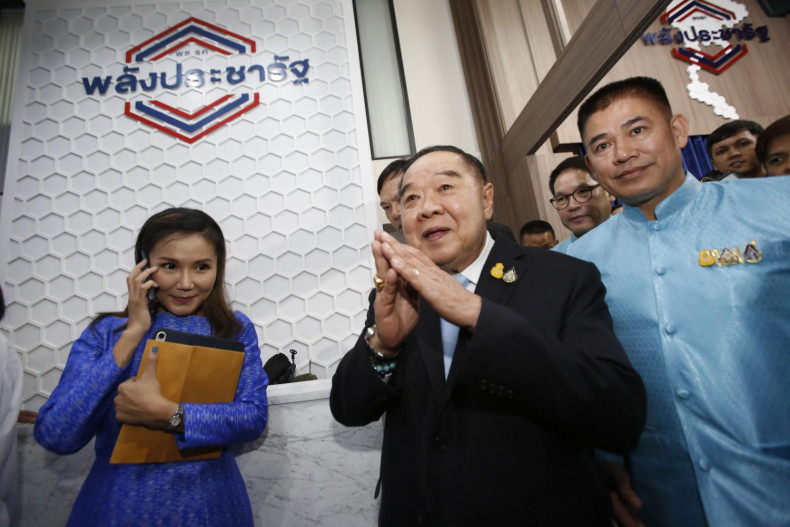
Top brass, technocrats, politicos all same
Oped, Thitinan Pongsudhirak, Published on 12/06/2020
» When ostensible technocrats become ambitious politicians, supervised by army generals and beholden to patronage-driven elected politicians, the result is a power struggle, internal party turmoil, and a country being governed to nowhere. This is the current state of Thailand's ruling Palang Pracharath Party (PPRP), the head of a motley and fractious 19-member coalition of minor and micro parties, some represented by one single MP, propping up the government of former coup leader and current Prime Minister Prayut Chan-o-cha. Yet in the face of the opposition bloc that is weak because it has been weakened, after the third-largest winner the Future Forward Party from the last election was dissolved earlier this year, the PPRP is on course to be in office for the foreseeable future, as a new poll is not due for another three years. These dire dynamics suggest Thailand will continue to be rudderless, stuck in a quagmire of its own making, with headwinds that may lead to a reckoning tempest.
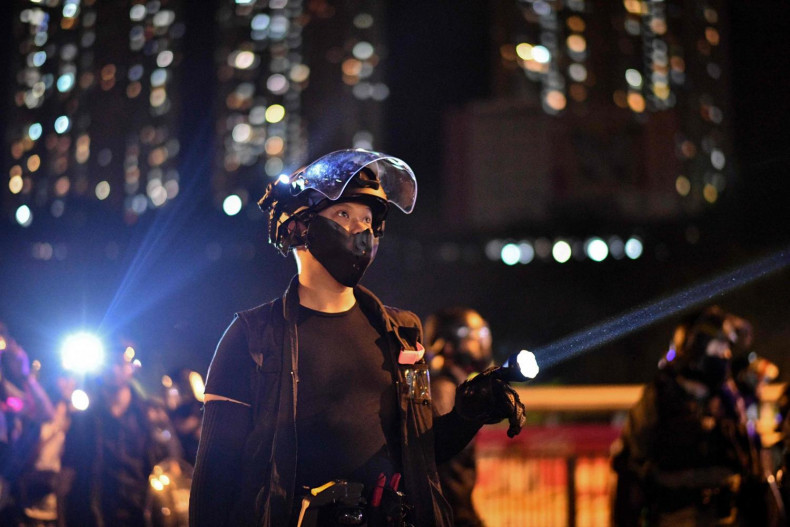
HK protests in a regional perspective
News, Thitinan Pongsudhirak, Published on 11/10/2019
» When Hong Kong's protest movement against the Extradition Law Amendment Bill began on March 30, few could have anticipated that it would become a full-blown popular revolt. The protesters initially opposed the bill because it would allow the Hong Kong government to detain and extradite fugitives to mainland China. Despite the suspension and subsequent withdrawal of the bill by Hong Kong's Chief Executive Carrie Lam, the protest movement has taken on a life of its own. As its end goals of universal suffrage, an independent inquiry into police conduct and Ms Lam's resignation harden, its endgame appears fraught with risks of intensifying confrontation and violence.