



Showing 1 - 4 of 4
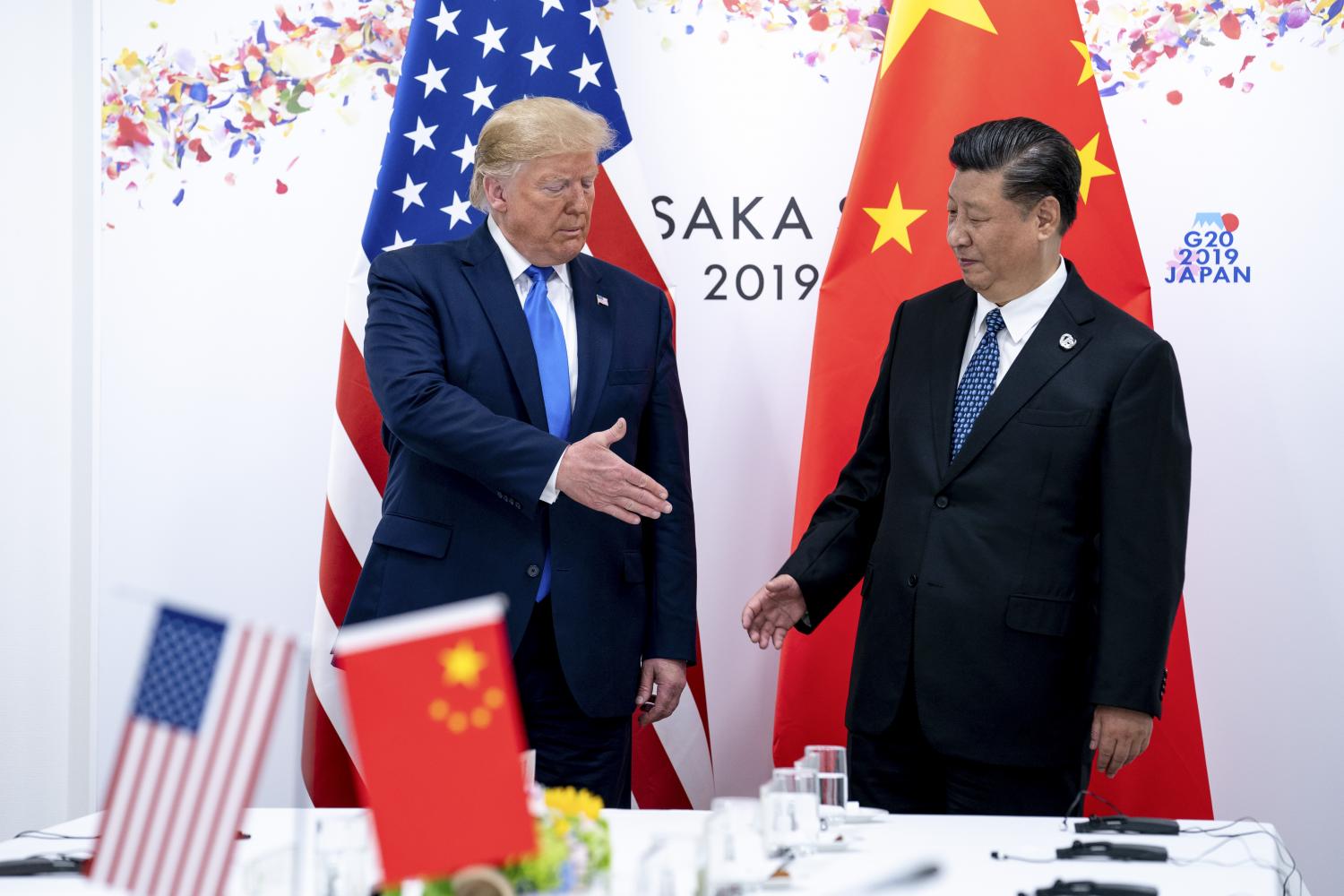
Southeast Asia amid the US-China rift
Oped, Thitinan Pongsudhirak, Published on 03/10/2025
» The rivalry between the United States and China has become the defining contest of the 21st century. Barely two decades ago, Washington and Beijing were partners in prosperity. America's support for China's entry into the World Trade Organization in 2001 epitomised the high-water mark of engagement, reflecting the belief that economic integration would lead to greater political cooperation. Today, that partnership has morphed into suspicion and confrontation. Relations between the United States and China have deteriorated so swiftly that many observers now describe them as locked in a "new Cold War". The more pressing question, however, is not whether this analogy holds, but whether confrontation can be managed short of outright conflict.

China-US rivalry on Mekong mainland
Oped, Thitinan Pongsudhirak, Published on 27/11/2020
» Unlike other key foreign policy areas where President-elect Joe Biden will likely change the course left behind by outgoing President Donald Trump, the Mekong River region in mainland Southeast Asia represents a low-hanging fruit where continuity from Washington carries consensus. As China has dominated the Mekong space by operating a string of upstream dams and controlling downstream river resources, Cambodia, Laos, Thailand, and Vietnam as adversely affected riparian countries have looked for ways and means to mitigate and counterbalance Beijing's aggressive freshwater offensive. All the incoming Biden administration has to do is to keep its eye on the Mekong and work with like-minded partners to keep mainland Southeast Asian countries from becoming Beijing's uncontested front yard.

Asean summit season ends with more risks
News, Thitinan Pongsudhirak, Published on 23/11/2018
» The prominence and utility of Asean as a regional platform for peace and prosperity is demonstrated most vividly in a series of top-level meetings among its leaders and counterparts from other major powers, particularly the United States, China and Japan, among others. That Asean's summit season this year has ended with a whimper and acrimony bodes ill for what lies ahead. As the Asean Chair in 2019, Thailand should feel more pressed and incentivised to get its house in order with an elected government that can function effectively before major Asean meetings get under way next year.

Prospects after Cambodia's fabricated poll
News, Thitinan Pongsudhirak, Published on 27/07/2018
» While Thailand has a seemingly indefinite military government with no clear poll date, Cambodia is holding an election on July 29 with a foregone conclusion. After methodically taken apart oppositional forces, the incumbent government of Prime Minister Hun Sen, under the Cambodian People's Party (CPP), is set to win a landslide. At issue now will be what happens after the election. At least three dynamics are in play. How they intersect and enmesh will determine Cambodia's political future.