



Showing 1 - 10 of 25

Thailand's political trajectory in 2026
Oped, Thitinan Pongsudhirak, Published on 09/01/2026
» What happens in Thai politics this year and the immediate horizon will be determined by the upcoming election on Feb 8. While contesting political parties are in full campaign mode, the contemporary history of Thai polls so far in the 21st century is not encouraging. Only once in the past 25 years have voting results went the way they were meant to, in accordance with the popular will. Whether the vote in four weeks will follow the same pattern will depend on whether the conservative establishment gets its preferred outcome.

Uyghurs deportation a strategic risk
Oped, Thitinan Pongsudhirak, Published on 07/03/2025
» Regardless of official spin, the government's decision to deport 40 Uyghurs to China was a strategic mistake on multiple levels.

Two wasted decades in Thai politics
Oped, Thitinan Pongsudhirak, Published on 20/12/2024
» Now that Thaksin Shinawatra appears actively back in Thai politics, it is demoralising to look back at Thailand's wasted time and opportunities. Once a promising country on the way from democratic transition to consolidation in the late 1990s, Thailand has become semi-autocratic, and its rocky political trajectory over the past two decades is now structural. The traditional institutions of power that grew out of the Cold War have been calling the shots in earlier decades and are just unwilling to let the country move forward in the immediate years ahead.

Thailand's era of economic stagnation
Oped, Thitinan Pongsudhirak, Published on 05/07/2024
» After two decades of political instability and turmoil, it was a matter of time before the Thai economy would exhibit signs of distress and desperation. For decades, the Thai economy has proved resilient with an uncanny knack for bouncing back. But Teflon Thailand may have become a thing of the past. Headlines on the Thai economy have been heading south precipitously. Unless fundamental political reforms take place, Thailand will likely enter a period of low and plateaued growth with risks of grinding stagnation.

Digital wallet should be implemented
Oped, Thitinan Pongsudhirak, Published on 16/02/2024
» The big debate in Thailand's current economic policy planning is whether the economy is facing a crisis or not. The government of Prime Minister Srettha Thavisin, who doubles as finance minister, has contended that there is an economic crisis in dire need of both monetary policy loosening and fiscal stimulus, particularly the 500-billion-baht digital wallet scheme. The Bank of Thailand, supported by a clique of economists apparently critical of the government's "populist" policy measures, asserts otherwise that an economic recovery is in progress without the need to lower the benchmark repurchase rate.
Done and emerging battles in Thai poll
Oped, Thitinan Pongsudhirak, Published on 28/04/2023
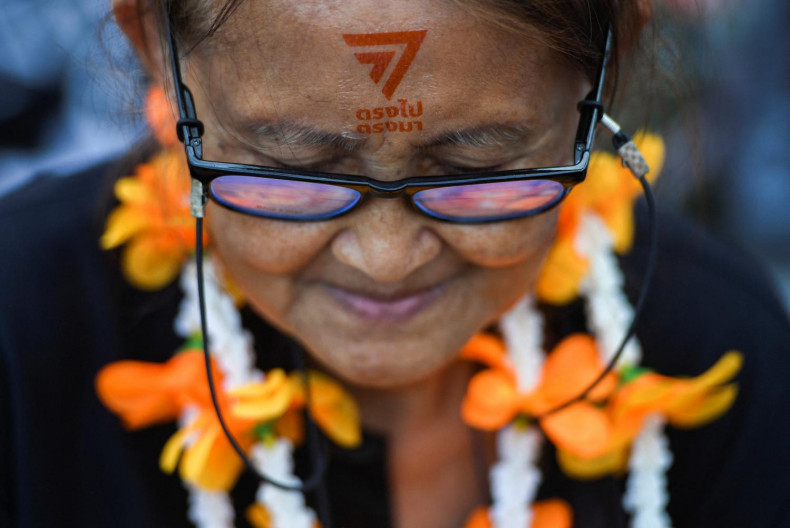
» Thailand's poll-leading Pheu Thai Party (PTP) is fighting a war it has already won. Consequently, its pledged freebie of 10,000 baht in a digital wallet for Thai people is superfluous and unnecessary. As the populism war has run its course, a new battleground revolving around the reform and adjustment of traditional centres of power is emerging. The fight in this new battle, being led by the Move Forward Party (MFP), is likely to last into the foreseeable future as the next stage in Thailand's modernisation imperative in the 21st century.
Myanmar's military takeover falters
Oped, Thitinan Pongsudhirak, Published on 03/02/2023
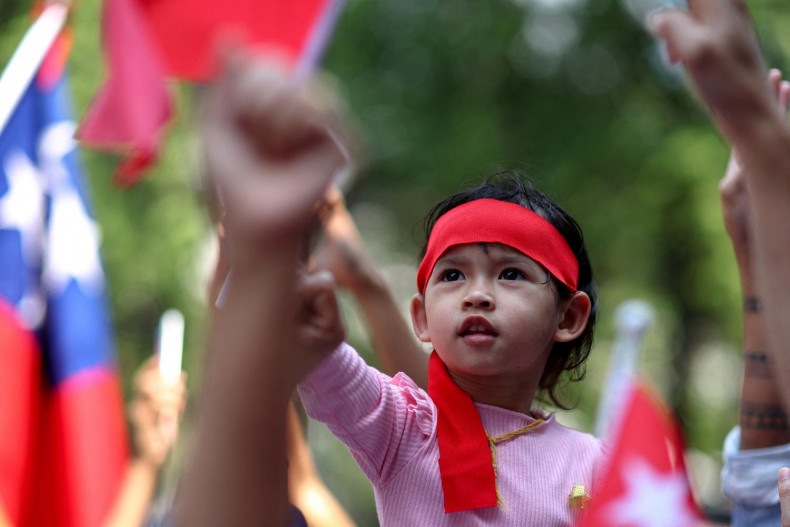
» Global news headlines this month will be focused on the one-year anniversary of Russia's invasion of Ukraine, which falls on Feb 24. This external aggression, where a bigger state unilaterally takes territory from a smaller neighbour by force, can be juxtaposed to an internal subjugation in Myanmar, where a military coup took place two years ago this week. Whether the aggression is externally between states, or internally within a state, the oppressors behave the same way and pursue similar objectives of conquest and dominance. Reversing an internal subjugation is as morally compelling as turning back an external aggression. What Myanmar's civilian-led resistance coalition needs is a fraction of the aid the Ukrainians have been receiving.
Apec's geopolitics and geoeconomics
Oped, Thitinan Pongsudhirak, Published on 11/11/2022
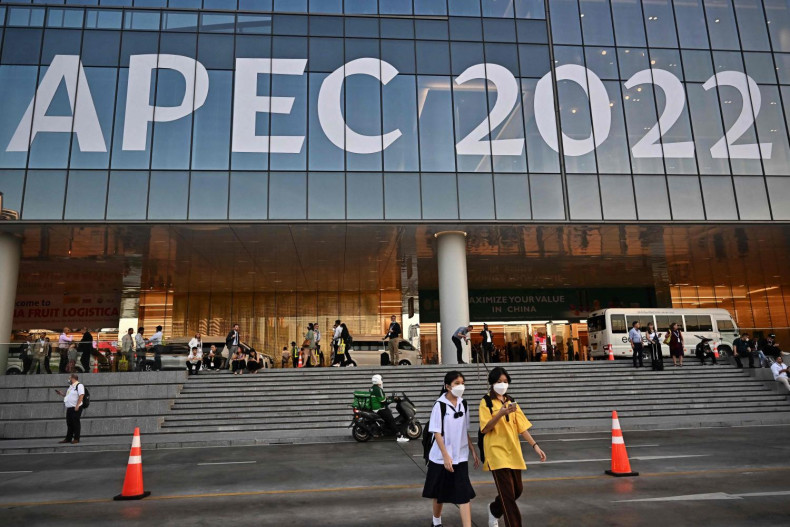
» The upcoming leaders' meeting in Bangkok among the 21 member economies of the Asia-Pacific Economic Cooperation (Apec) should be seen in conjunction with its preceding Asean-related summits in the Cambodian capital of Phnom Penh and the G20 summit in Bali, the Indonesian island resort. This one-two-three combination in three Southeast Asian countries over a ten-day period is supposed to showcase Asean's central role in the promotion of peace, security and prosperity in the region and the wider world. But as Asean's summit season gets underway in Cambodia, excitement and promise have given way to anxieties and apprehensions. While these summit talks are an extraordinary opportunity to tone down geopolitical temperatures and geoeconomic competition, they are likely to yield mixed results.
Post-Covid headwinds hit the region
Oped, Thitinan Pongsudhirak, Published on 14/10/2022
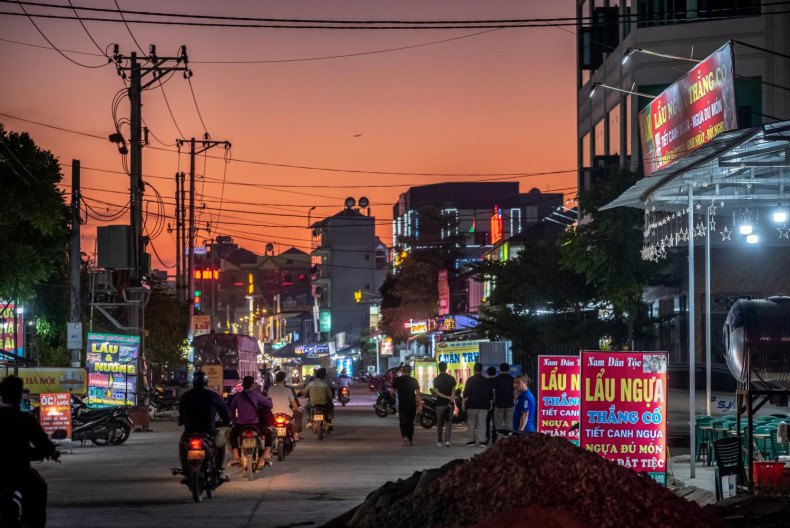
» As the five economies in mainland Southeast Asia re-emerge from the Covid-19 pandemic, their prospects for recovery and return to growth and development appear challenged, characterised by deteriorating balance of payments, fiscal weaknesses, currency depreciations, and rising inflation amidst global monetary tightening and recession risks.
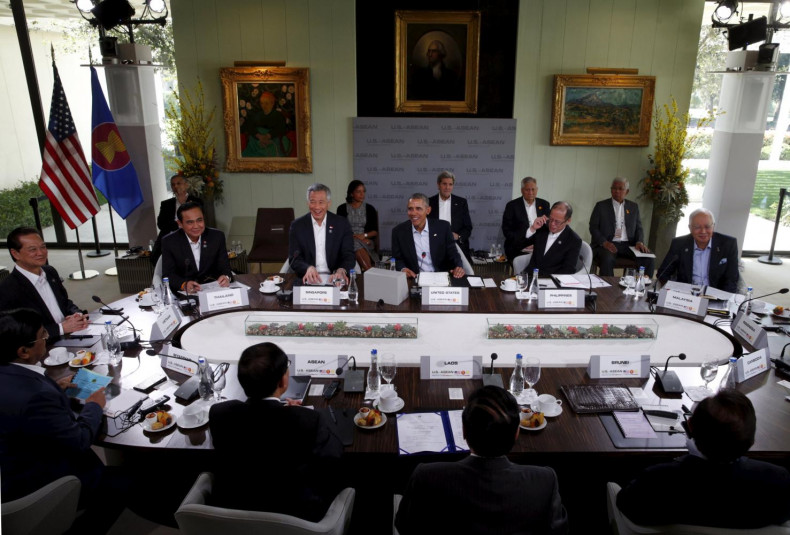
America, Asean in geostrategic drift
Oped, Thitinan Pongsudhirak, Published on 13/05/2022
» As Southeast Asia's renowned regional bloc, Asean has been wanting to have its cake as well as eat it. Its summit meeting with the United States in Washington this week is a testimony to trying to have it both ways. When Washington cares less about Asean, the nominally 10-member grouping frets about the lack of attention and priority. But when the US cares more, some Asean members are sceptical about its intentions and interests. This summit is likely to show that the US and Asean member states are less in line and increasingly unaligned.