



Showing 1 - 10 of 12
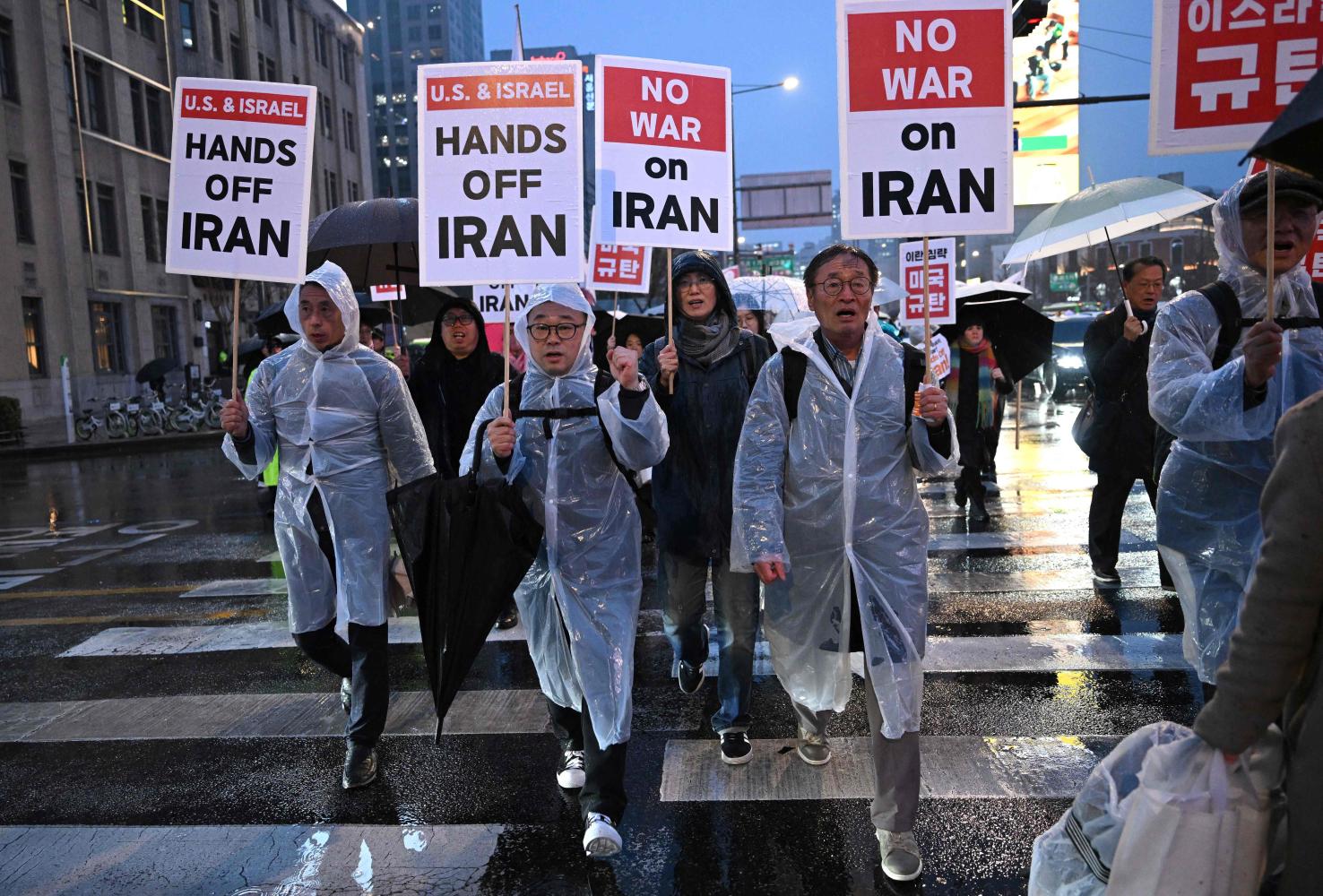
America risks grand folly in Iran war
Oped, Thitinan Pongsudhirak, Published on 06/03/2026
» It is just the first week of the joint attack between the United States and Israel on the Islamic Republic of Iran, but the repercussions from the Middle East for the Indo-Pacific are already discernible.
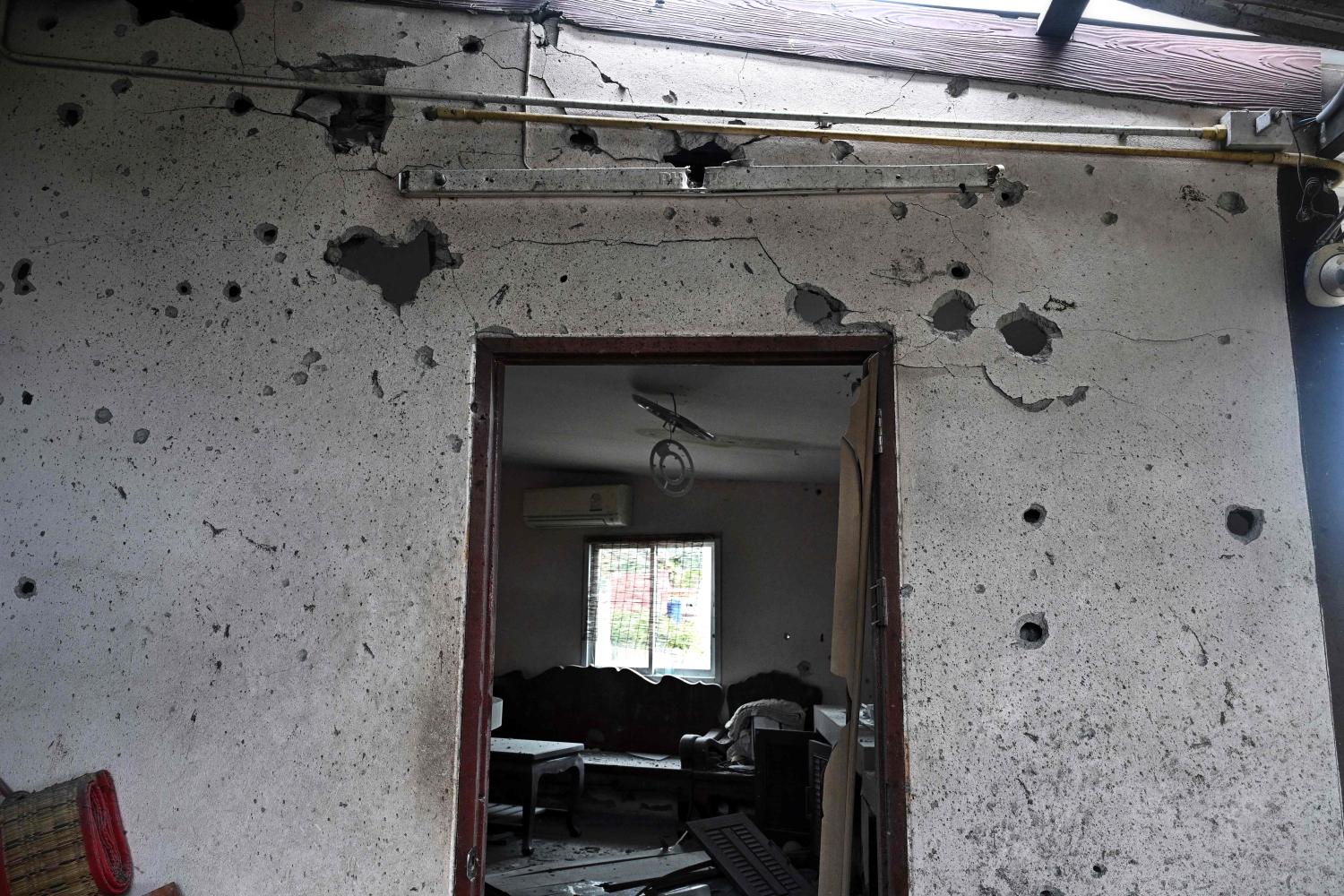
Domestic drivers of bilateral conflict
News, Thitinan Pongsudhirak, Published on 19/12/2025
» The latest flare-up and intensification of the armed conflict between Thailand and Cambodia should be understood less as a new crisis and more as a resumption of a bilateral clash that erupted in late July.

Asean lags behind Myanmar curve
Oped, Thitinan Pongsudhirak, Published on 06/08/2021
» The more it tries to catch up on Myanmar's post-coup crisis, the more Asean falls behind. Since Myanmar's military takeover on Feb 1, Asean has spent nearly the first three months getting its act together for a "special summit" and a "five-point consensus" on April 24 and then more than another three months to meekly implement the agreement. In the event, the appointment of Brunei's Second Foreign Minister Erywan bin Mohd Yusof as the Asean envoy to promote dialogue and humanitarian assistance in Myanmar is likely to prove too little, too late for what has been desperately needed on the ground.

Myanmar takes lead in autocratic race
Oped, Thitinan Pongsudhirak, Published on 12/03/2021
» In the aftermath of the military coup on Feb 1, Myanmar's armed forces have evidently taken the lead in Southeast Asia's authoritarian race to the bottom. For its speed and depth of reversal from a fragile democracy to a hard dictatorship within six weeks, Myanmar currently ranks top among developing states worldwide. At stake now is not just Myanmar's political future and the well-being of its people but the fate of developing democracies elsewhere.

Myanmar coup: Asean's new fault line
Oped, Thitinan Pongsudhirak, Published on 26/02/2021
» Already geopolitically divided by China's regional assertiveness, Asean is now facing a new fault line from Myanmar's recent military coup. Just like its divergent views toward China, Asean's mixed preferences toward the Myanmar armed forces' abrupt seizure of power on Feb 1 threaten to further weaken Southeast Asia's 10-member grouping and marginalise its role as the central organising vehicle for regional peace and stability.

Myanmar coup poses many dilemmas
Oped, Thitinan Pongsudhirak, Published on 19/02/2021
» Myanmar's military coup on Feb 1 and the popular anger and ongoing local protests in reaction to it inside the country pose multiple and multi-layered dilemmas for all parties involved. The Tatmadaw, as Myanmar's armed forces are known, led by junta leader Senior General Min Aung Hlaing, is now mired in repercussions and consequences well beyond its original intent. Whether the Tatmadaw prevails or not, Myanmar is unlikely to regain the traction of reform and progress that has been on track in the past decade.

The global politics of virus vaccines
Oped, Thitinan Pongsudhirak, Published on 11/09/2020
» It is clear now that Thailand's de facto strategy for handling the coronavirus pandemic is to minimise local infections and wait for a safe and effective vaccine. The recent discovery of just one Thai in a Bangkok suburb who tested positive sent the country into near-panic mode after 100 days of zero local transmissions, similar to the case of an Egyptian military official who visited Rayong province in July and tested positive thereafter.

Challenges from outside parliament
News, Thitinan Pongsudhirak, Published on 06/03/2020
» While it managed to survive the recent censure debate more comfortably that it had anticipated, Prime Minister Prayut Chan-o-cha's government is now at a new crossroads. While the threat from inside parliament has subsided owing to the opposition's disarray, challenges from outside the legislative chamber, on the streets and in the court of public opinion are likely to intensify.
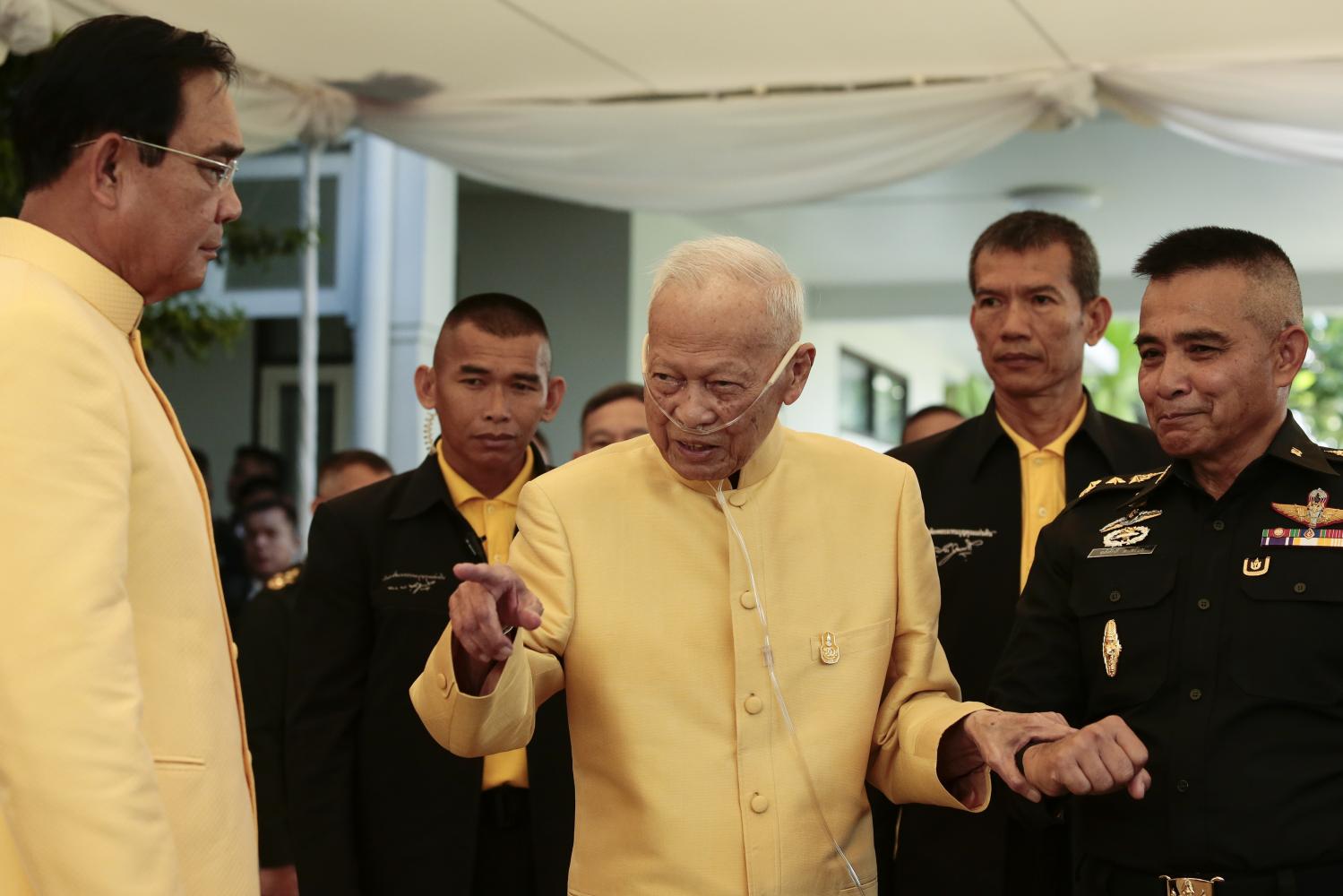
Thailand's lessons from the Prem years
News, Thitinan Pongsudhirak, Published on 31/05/2019
» In a galloping world of communications instantaneity, Gen Prem Tinsulanonda's passing earlier this week is likely to be framed by popular expectations and grievances so far in the 21st century rather than the conditions and circumstances of the 20th century where most of the late elder statesman's life was rooted.
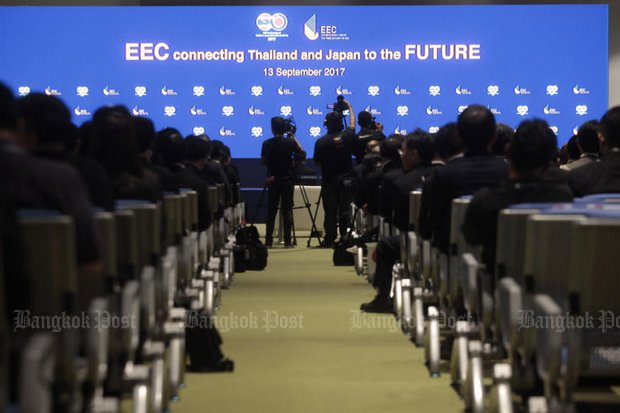
Eastern Economic Corridor must continue
News, Thitinan Pongsudhirak, Published on 07/12/2018
» As the election looms, the government of Prime Minister Prayut Chan-o-cha will likely leave behind a very mixed legacy. Far from being a clean-up crew against graft and a technocratic team for effective policy performance when it seized power more than four years ago, this outgoing government has had its fair share of unaccountable corruption allegations and policy directions that merely served its own vested interests of staying in power after the polls.