



Showing 1 - 10 of 26
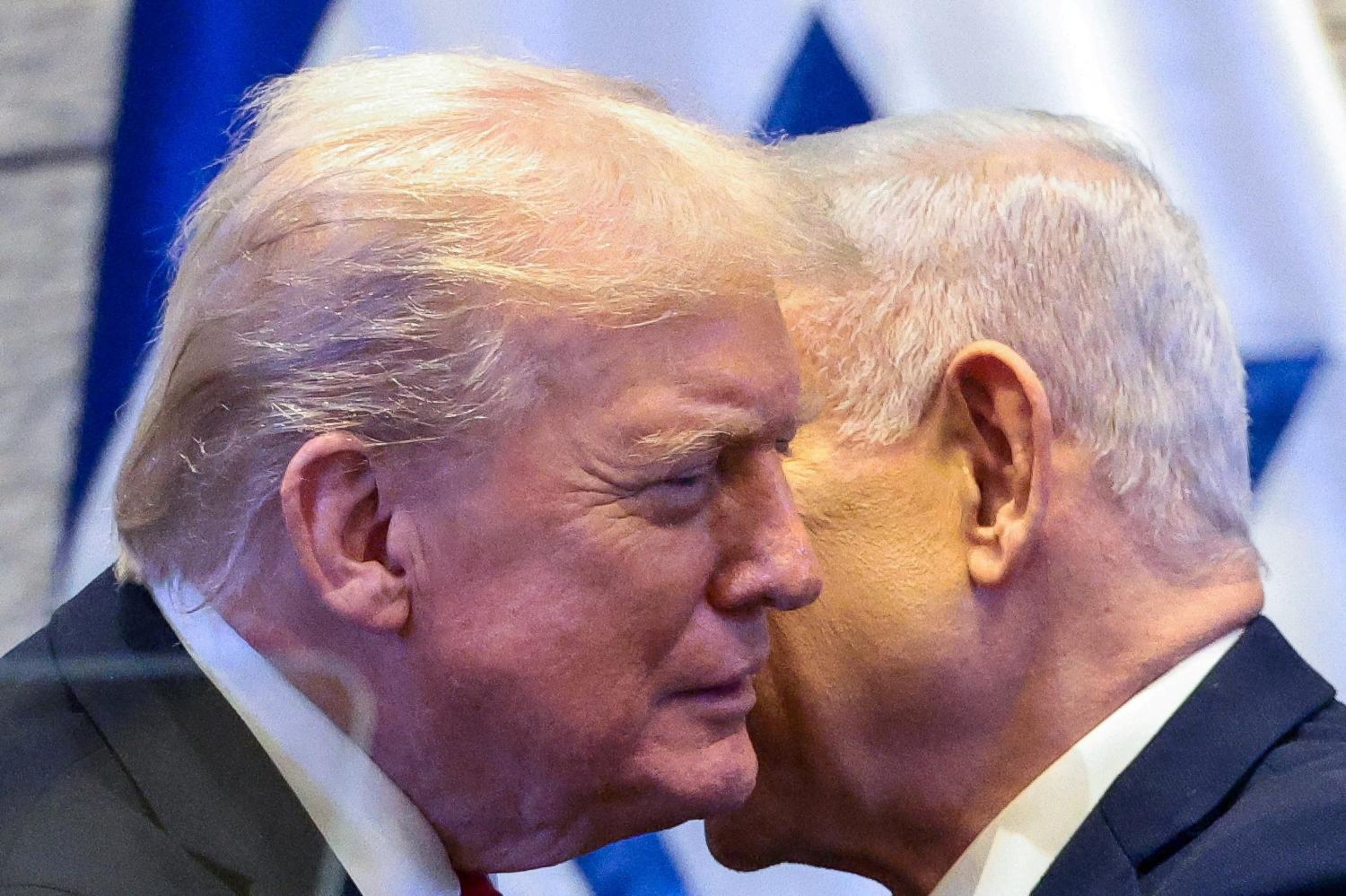
Trump goes off-script, US gone rogue
Oped, Thitinan Pongsudhirak, Published on 27/03/2026
» It was not supposed to work like this. "America First" and "Make America Great Again" (MAGA) were supposed to be about an inward turn to repair, replenish and rebuild an externally overstretched and internally weakened country, weighed down by unnecessary global entanglements, unsustainable national debt, and unimpeded mass migration. It seemed for a time that the MAGA movement to prioritise America above and beyond the international system and its constituent parts had found its final prophet in President Donald J Trump. But now, somehow, President Trump has betrayed the movement that has carried him to office by waging a disastrous war on Iran in cooperation with Israel.
Trump's 'America First' in overdrive
News, Thitinan Pongsudhirak, Published on 23/01/2026
» President Donald Trump's extraterritorial capture of Venezuelan President Nicolas Maduro and his wife on cocaine-trafficking and terrorism-related charges earlier this month and repeated demand to take over Greenland at the World Economic Forum this week are part and parcel of a belligerent and transformative "America First" paradigm that dates back at least four decades.
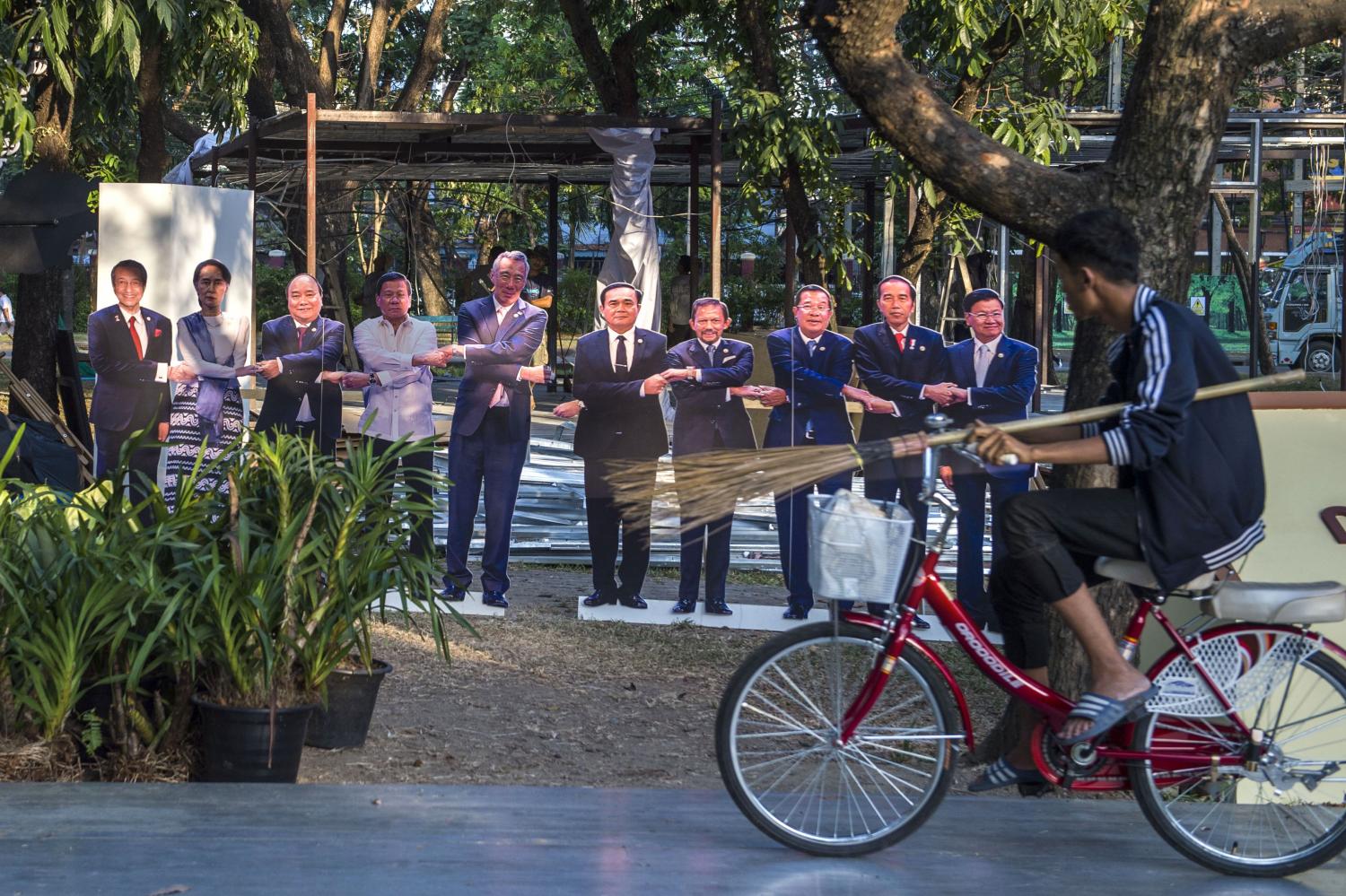
Asean's regroup requires deep reforms
Oped, Thitinan Pongsudhirak, Published on 17/10/2025
» If Asean's 58 years thus far have been about resilience and playing a central organising role in promoting regional security and stability, its next decade will determine whether the Southeast Asian bloc can adapt and remain relevant. After the crises in Myanmar and along the Thai-Cambodian border, Asean's credibility has never been more in doubt. To regain its effectiveness as Southeast Asia's one and only agency, Asean needs to move away from the ritualistic diplomacy of mundane meetings to far-reaching reforms that chart new ways of making things work.
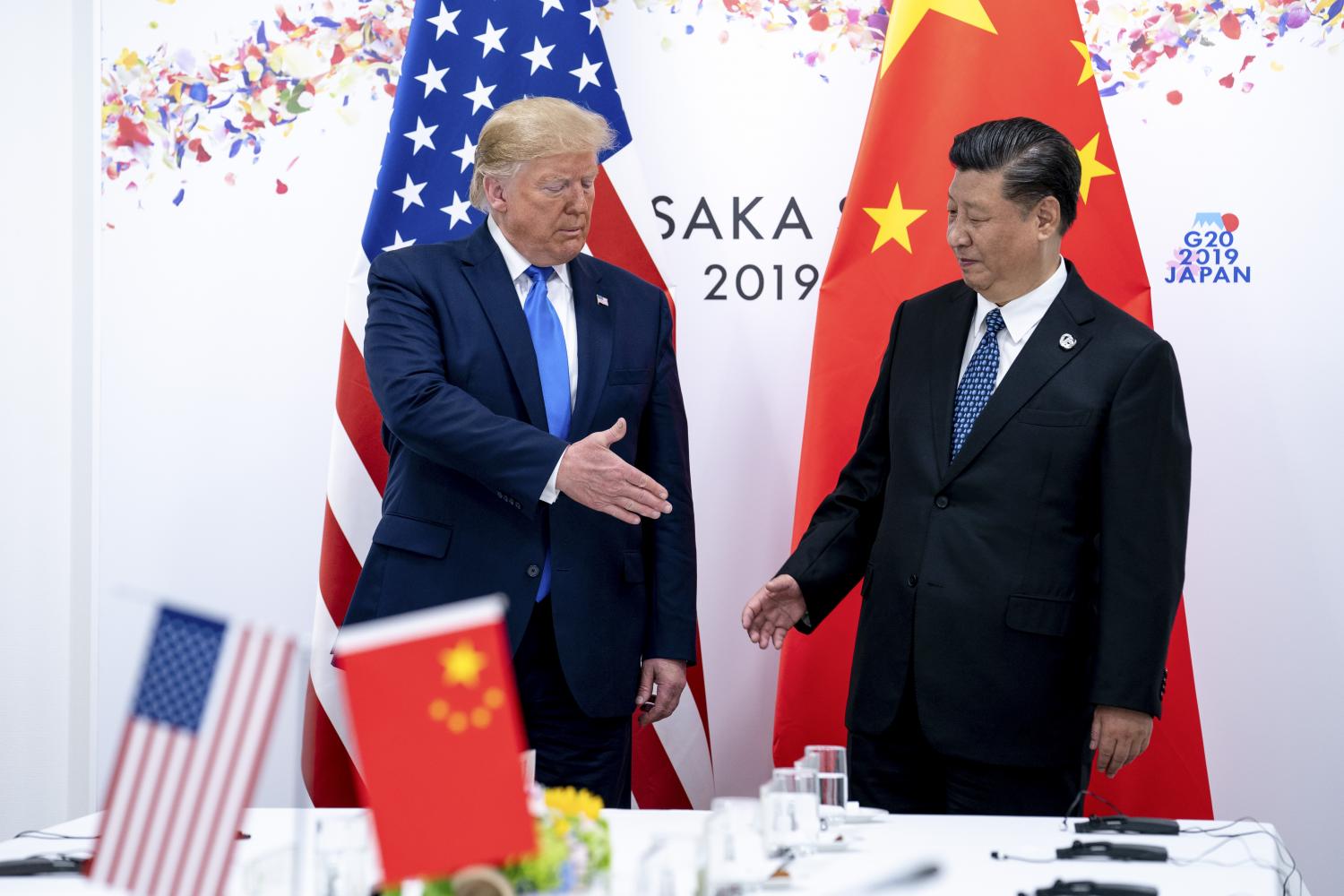
Southeast Asia amid the US-China rift
Oped, Thitinan Pongsudhirak, Published on 03/10/2025
» The rivalry between the United States and China has become the defining contest of the 21st century. Barely two decades ago, Washington and Beijing were partners in prosperity. America's support for China's entry into the World Trade Organization in 2001 epitomised the high-water mark of engagement, reflecting the belief that economic integration would lead to greater political cooperation. Today, that partnership has morphed into suspicion and confrontation. Relations between the United States and China have deteriorated so swiftly that many observers now describe them as locked in a "new Cold War". The more pressing question, however, is not whether this analogy holds, but whether confrontation can be managed short of outright conflict.

What's happened to the Asian Century?
Oped, Thitinan Pongsudhirak, Published on 14/02/2025
» Until recently, the "Asian Century" seemed a compelling narrative but now it is not what it used to be. It was supposed to herald a shift in global economic power from the West to the East, driven by China's rapid rise, India's economic dynamism, and the broader development of Asia. But a quarter of the way into the 21st century, the promise of Asian dominance appears less certain. The enduring technological and economic might of the United States, coupled with its geopolitical backlash against China, has lowered expectations. While Asia remains formidable, the trajectory of global power is open and fluid, with potential dominance shifting not necessarily to any nation or region but perhaps to a non-state entity.

Trump's tariff blackmail boosts Brics
Oped, Thitinan Pongsudhirak, Published on 06/12/2024
» Even before officially taking office, United States President-elect Donald J Trump is shaking up the international system with drama and fanfare unlike any other major leader in recent memory. His most recent outburst to slap 100% tariffs on the "Brics" countries -- Brazil, Russia, India, China, and South Africa, as well as Egypt, Ethiopia, Iran and the United Arab Emirates -- is a case in point. While it will coerce developing economies to think twice about the cost of going their own way, this tariff blackmail and others like it also risk pushing smaller countries away from the US to other rival big powers, particularly China.

Thailand needs middle power ambition
Oped, Thitinan Pongsudhirak, Published on 18/10/2024
» Having participated in the recent Asean-related summit meetings in Vientiane, Prime Minister Paetongtarn Shinawatra and her team must now work out Thailand's foreign policy priorities and posture. Foreign policy projection peaked around 20 years ago when Thailand was recognised as an emerging regional leader with the potential of a middle power. Since then, foreign policy has been patchy and hostage to polarisation and domestic political volatility. It is time to chart a way forward for Thailand's international standing and role despite ongoing political conflict at home.

Foreign policy needs to be democratic
Oped, Thitinan Pongsudhirak, Published on 11/10/2024
» To the extent that foreign policy starts at home, Prime Minister Paetongtarn Shinawatra's latest diplomatic forays should be supported because Thailand has become a regional laggard with its international standing at an all-time low. Elected civilian leaders by the people, as opposed to unelected appointees from military-conservative elites, are the way ahead to regain Thailand's international profile and forward movements. Ms Paetongtarn is evidently not the first-best elected outcome, but she is all Thailand has to work with for now.

The tide of history shifts in Thai politics
Oped, Thitinan Pongsudhirak, Published on 02/06/2023
» Notwithstanding the ongoing political shenanigans by appointed agencies to shape final outcomes after the May 14 poll, Thailand already will never be the same again. The Move Forward Party's (MFP) victory as the largest winning side, with 151 out of 500 parliamentary seats, is profound but not unprecedented. Together with the Pheu Thai Party's 141 MPs, these two opposition parties are unwittingly sending a message to each other and to the broader political establishment that the curve of Thai history is shifting tectonically. Failing to grasp and adjust to this evolving tide of history could marginalise Pheu Thai and challenge the establishment to its core foundations.

Apec's geopolitics and geoeconomics
Oped, Thitinan Pongsudhirak, Published on 11/11/2022
» The upcoming leaders' meeting in Bangkok among the 21 member economies of the Asia-Pacific Economic Cooperation (Apec) should be seen in conjunction with its preceding Asean-related summits in the Cambodian capital of Phnom Penh and the G20 summit in Bali, the Indonesian island resort. This one-two-three combination in three Southeast Asian countries over a ten-day period is supposed to showcase Asean's central role in the promotion of peace, security and prosperity in the region and the wider world. But as Asean's summit season gets underway in Cambodia, excitement and promise have given way to anxieties and apprehensions. While these summit talks are an extraordinary opportunity to tone down geopolitical temperatures and geoeconomic competition, they are likely to yield mixed results.