



Showing 1 - 7 of 7
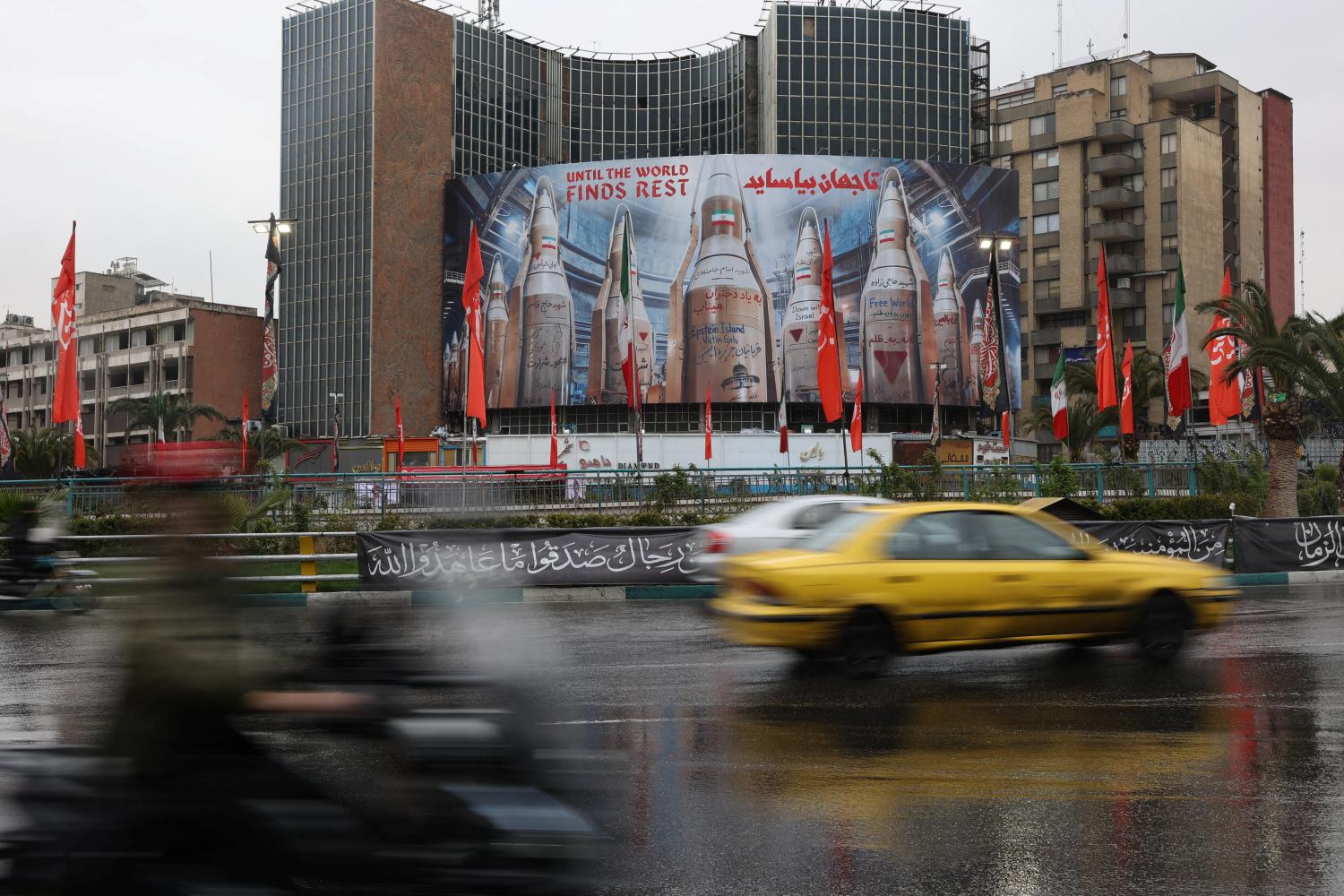
Impacts of Iran war on Southeast Asia
Oped, Thitinan Pongsudhirak, Published on 20/03/2026
» For the most part, Southeast Asia as a region has taken a neutral stance toward the joint attack between the United States and Israel against the Islamic Republic of Iran. Even the Philippines and Thailand, two formal US treaty allies, have distanced themselves, calling for restraint and de-escalation.

Trump's tariff blackmail boosts Brics
Oped, Thitinan Pongsudhirak, Published on 06/12/2024
» Even before officially taking office, United States President-elect Donald J Trump is shaking up the international system with drama and fanfare unlike any other major leader in recent memory. His most recent outburst to slap 100% tariffs on the "Brics" countries -- Brazil, Russia, India, China, and South Africa, as well as Egypt, Ethiopia, Iran and the United Arab Emirates -- is a case in point. While it will coerce developing economies to think twice about the cost of going their own way, this tariff blackmail and others like it also risk pushing smaller countries away from the US to other rival big powers, particularly China.

Asian elections, democracy in 2024
Oped, Thitinan Pongsudhirak, Published on 29/12/2023
» Billed as the biggest election year ever as more than half of the global population goes to the polls, 2024 will be critical to the debate about democratisation and autocratisation. Asia will lead the way with elections in India, Bangladesh, Pakistan, and Indonesia, while the most recent polls in Myanmar and Thailand offer long-term lessons about democracy and dictatorship. The salient themes next year will be about the self-perpetuating tendencies of incumbent regimes and the resilience of democratic rule when authoritarianism seemed to have the upper hand.

Thai charter court deserves scrutiny
Oped, Thitinan Pongsudhirak, Published on 04/08/2023
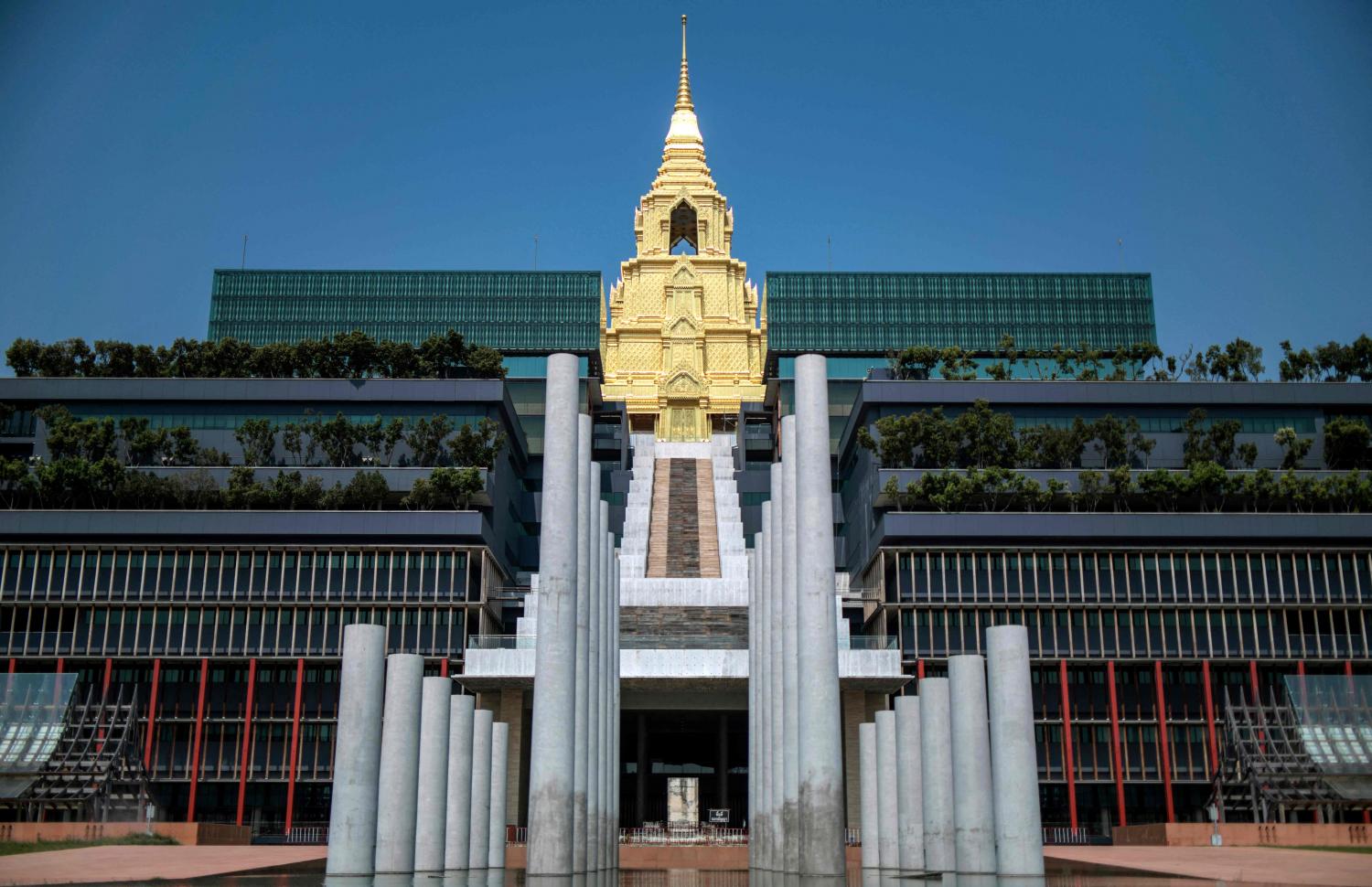
» Amid the volatility and confusion during the interim since the May 14 election, Thailand's Constitutional Court has further thickened the plot by accepting a petition to rule on whether a parliamentary vote using the meeting rules to deny the renomination of Move Forward Party leader Pita Limjaroenrat's premiership was unconstitutional.
Referee agencies and old political tricks
Oped, Thitinan Pongsudhirak, Published on 31/03/2023
» Almost three decades ago, Thai politics reached a critical threshold when public demands resulted in the establishment of a clutch of independent agencies to ensure the transparency and accountability of the political system and the stability and effectiveness of government.

Election-related agencies need overhaul
Oped, Thitinan Pongsudhirak, Published on 03/06/2022
» In any respectable democratic system, a winning poll candidate who secured an overall majority of electoral support would take office with the earliest effect. Not in Thailand. When Chadchart Sittipunt trounced 29 rivals by gathering 1.38 million or 51% of the votes cast in Bangkok's gubernatorial election on May 22, the capital's electorate had to hold their breath in suspense to see whether and when the Election Commission (EC) would validate his runaway victory.

Woeful Senate will worsen political woes
News, Thitinan Pongsudhirak, Published on 10/05/2019
» Since it first took office in 1947, Thailand's Senate has mostly comprised appointees as mandated by more than a dozen constitutions over the past seven decades. Only in the 1997 and 2007 charters was the Senate elected and half elected, respectively. The 2017 constitution has reverted to a wholly appointed upper chamber but this time the 250-member Senate has been given wider authority, particularly the selection of the prime minister.