



Showing 1 - 9 of 9
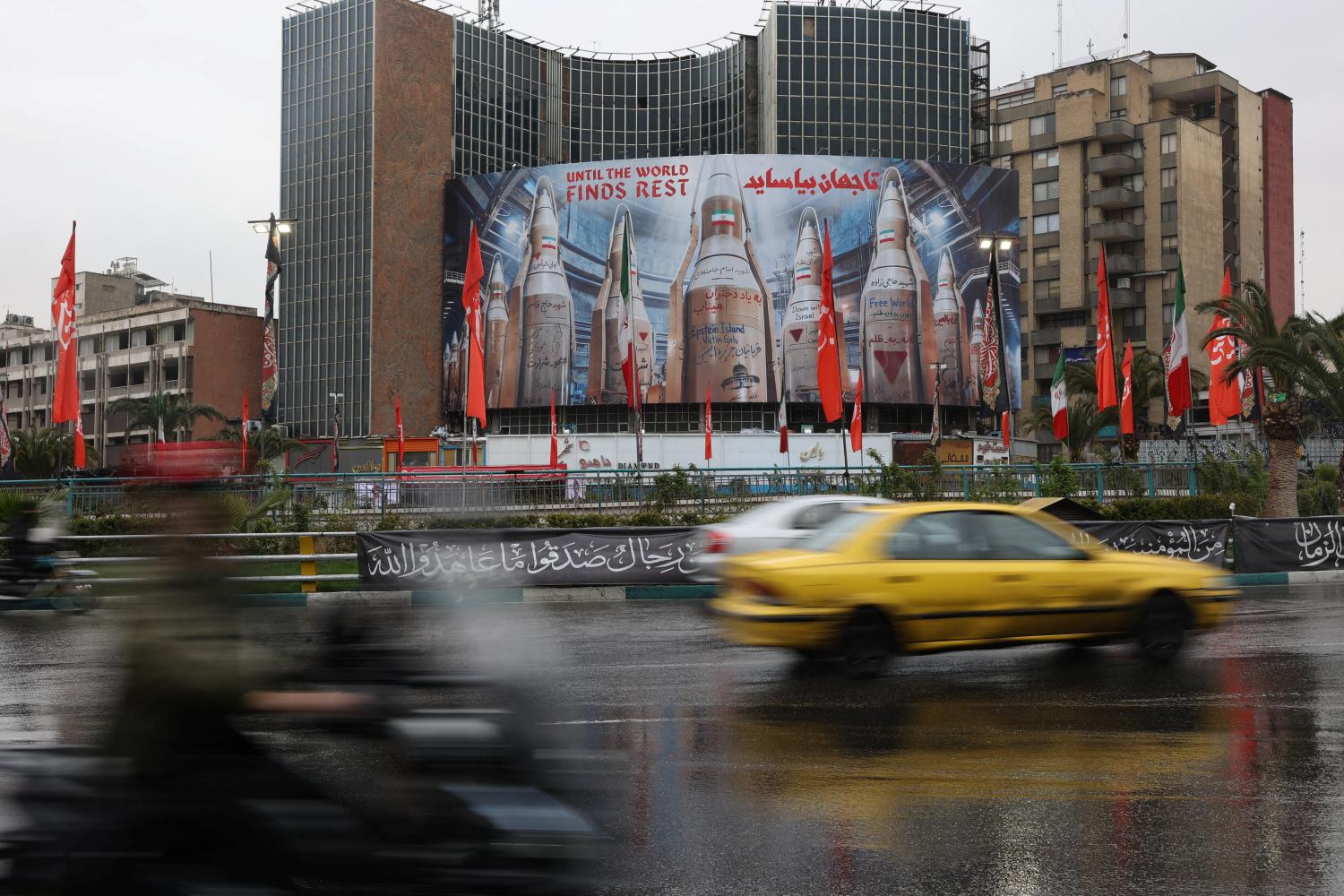
Impacts of Iran war on Southeast Asia
Oped, Thitinan Pongsudhirak, Published on 20/03/2026
» For the most part, Southeast Asia as a region has taken a neutral stance toward the joint attack between the United States and Israel against the Islamic Republic of Iran. Even the Philippines and Thailand, two formal US treaty allies, have distanced themselves, calling for restraint and de-escalation.
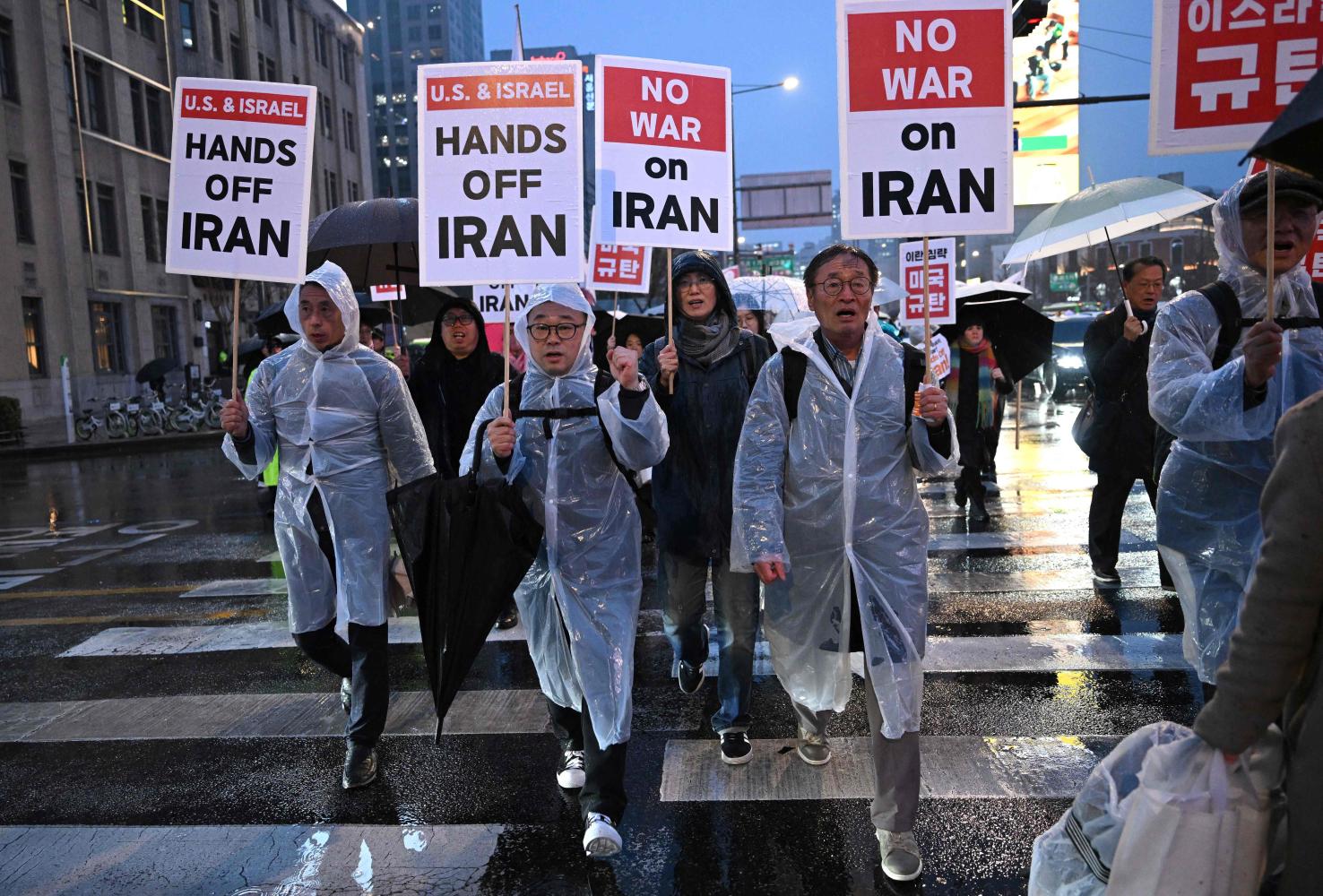
America risks grand folly in Iran war
Oped, Thitinan Pongsudhirak, Published on 06/03/2026
» It is just the first week of the joint attack between the United States and Israel on the Islamic Republic of Iran, but the repercussions from the Middle East for the Indo-Pacific are already discernible.
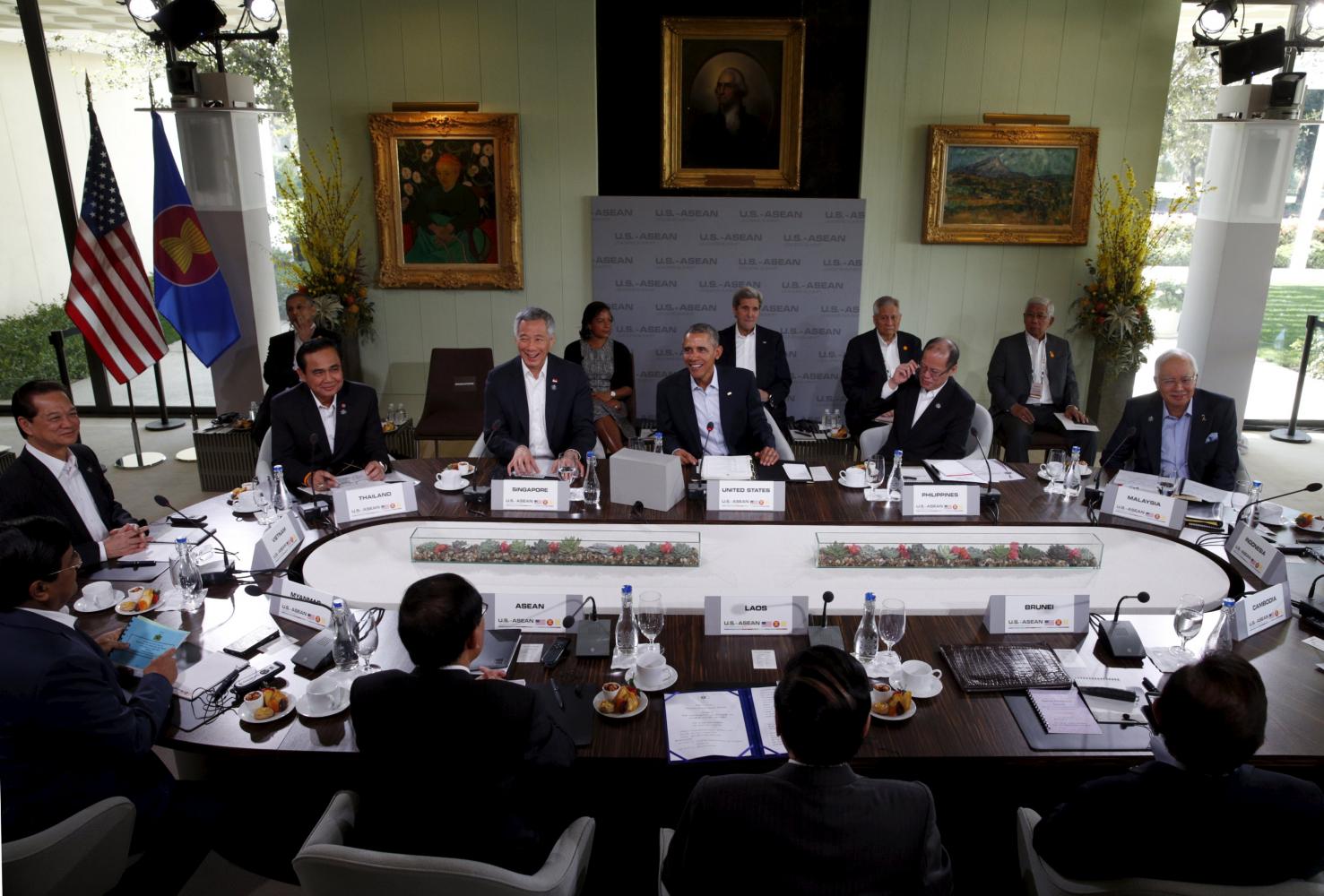
America, Asean in geostrategic drift
Oped, Thitinan Pongsudhirak, Published on 13/05/2022
» As Southeast Asia's renowned regional bloc, Asean has been wanting to have its cake as well as eat it. Its summit meeting with the United States in Washington this week is a testimony to trying to have it both ways. When Washington cares less about Asean, the nominally 10-member grouping frets about the lack of attention and priority. But when the US cares more, some Asean members are sceptical about its intentions and interests. This summit is likely to show that the US and Asean member states are less in line and increasingly unaligned.
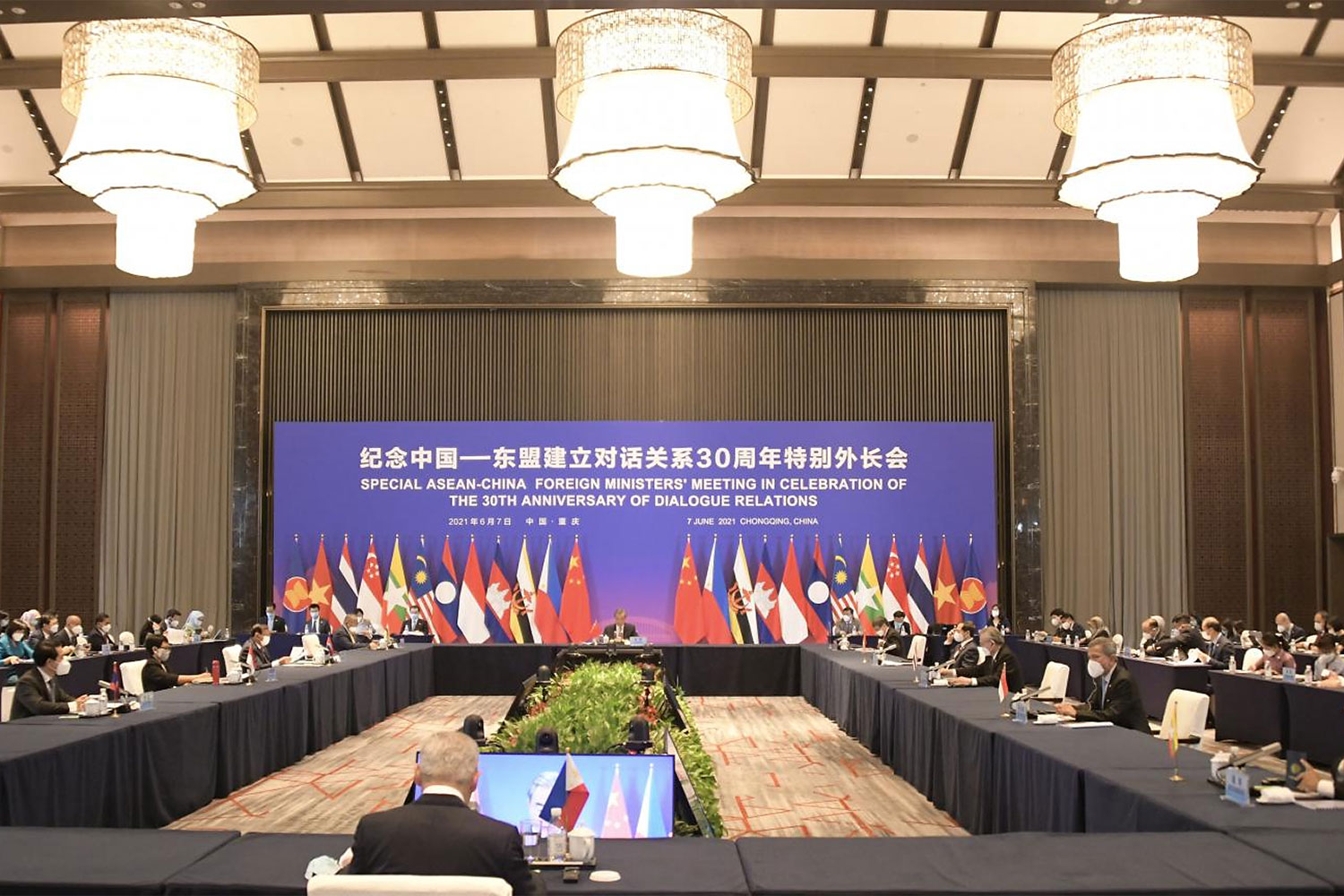
China's way with a divided, inert Asean
Oped, Thitinan Pongsudhirak, Published on 18/06/2021
» The recent Asean-China foreign ministers' meeting early this month in Chongqing was crucial for its timing and circumstances. Co-chaired by Chinese Foreign Minister Wang Yi and Philippine Foreign Secretary Teodoro Locsin, it was the first "in-person" meeting among foreign ministers of both sides since the Covid-19 period began early last year.

US ties with Asia, SE Asia, Thailand
Oped, Thitinan Pongsudhirak, Published on 13/11/2020
» Under the leadership of President-elect Joe Biden, the United States' relations with Asia broadly and with Southeast Asia and Thailand in particular are set to undergo a qualitative shift in tone and direction. At issue are to what extent Mr Biden will adopt the foreign policy outlook and orientation of former president Barack Obama in 2008-16 and whether he will retain some or reject most of the Asia policy legacy under the outgoing government of President Donald Trump.

Domestic drivers of superpower rivalry
Oped, Thitinan Pongsudhirak, Published on 10/07/2020
» The coronavirus pandemic is fundamentally global but its impact is mainly local because of the international system of state sovereignty, borders and divergent national interests. What is needed to cope with, contain and overcome the pandemic is more international cooperation and coordination. But we are seeing less international efforts to fight the virus together and more self-help where every nation fends for itself. The upshot from this fractured and fragmented international system during Covid-19 is the primacy of domestic determinants of international outcomes. Nowhere is this reality clearer than the competition and confrontation between the United States and China.
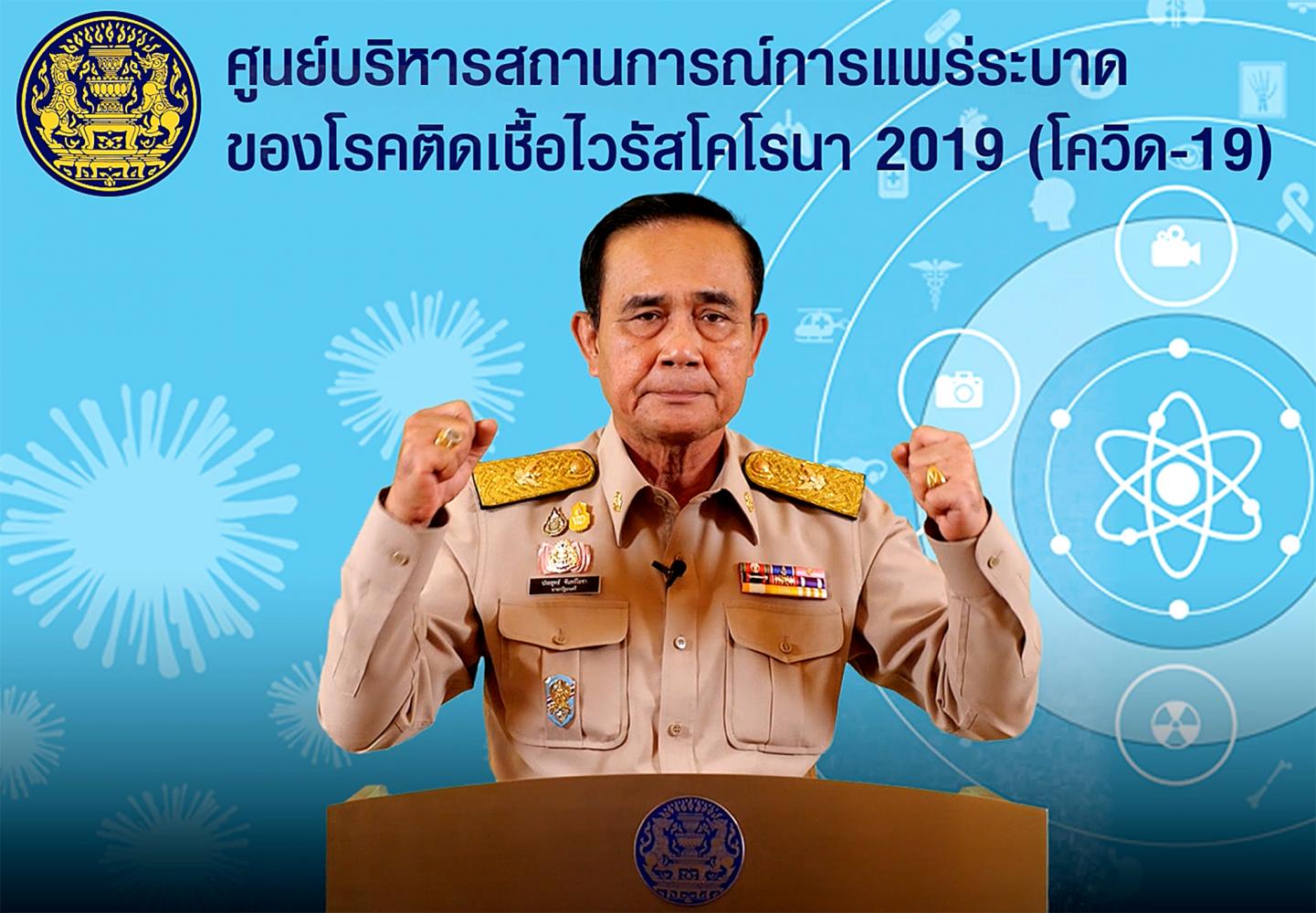
Thailand needs firmer Covid-19 action
Oped, Thitinan Pongsudhirak, Published on 20/03/2020
» While being on the right track, the government's latest response to the new coronavirus (Covid-19) by closing schools and entertainment venues, as well as putting off the Songkran break, is likely to prove too little, too late, once again. As other countries have shown, the sooner firm and hard measures are put in place, the better and likelier efforts to contain and remedy Covid-19 will be successful. An early global lesson from the fast-spreading virus is to be pre-emptive and pro-active, "front-loading" the pain of social adjustments and economic damages rather than playing catch-up and ultimately paying a higher price.

Asia at risk of being its own worst enemy
News, Thitinan Pongsudhirak, Published on 31/08/2018
» The broad unravelling of the post-war liberal international system is no longer a matter of dispute. Its manifestations over the past decade from the disintegration of the Middle East as we knew it and the de-integration of the European Union with "Brexit" and anti-migration sentiment to the United States' unilateral turn against openness and liberal values so fundamental to its rise all testify to a murky and portentous international environment. Similarly, the global trading system no longer works like it used to as multilateral trade liberalisation has given way to plurilateral and bilateral free-trade agreements.

Lasting lessons from Malaysia for SE Asia
News, Thitinan Pongsudhirak, Published on 25/05/2018
» Some have likened it to an "earthquake," while others have called it a "tsunami." However it is billed, Malaysia's election outcome still reverberates far and wide. Its political aftershocks yield lessons and considerations for politics in Southeast Asia, particularly Thailand, which holds the dubious distinction as the only parliamentary system in this region that does not know when it will next stage a poll.