



Showing 1 - 8 of 8
Impacts of Iran war on Southeast Asia
Oped, Thitinan Pongsudhirak, Published on 20/03/2026
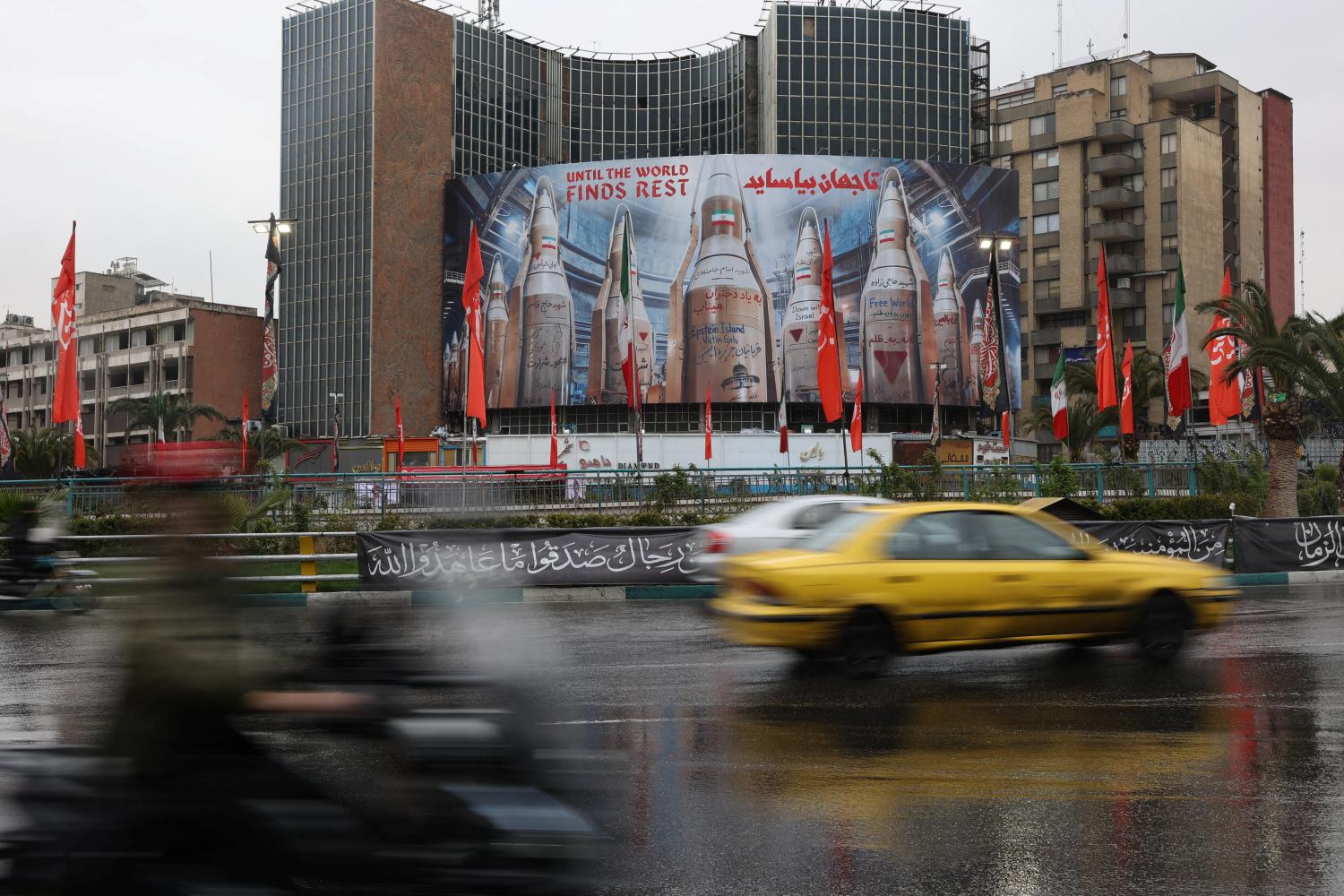
» For the most part, Southeast Asia as a region has taken a neutral stance toward the joint attack between the United States and Israel against the Islamic Republic of Iran. Even the Philippines and Thailand, two formal US treaty allies, have distanced themselves, calling for restraint and de-escalation.

Singapore turns 60 with much to show
Oped, Thitinan Pongsudhirak, Published on 08/08/2025
» No country turns 60 like Singapore. In a neighbourhood of political dynasties and varying shades of autocracies and flawed democracies, the little island state of six million got lucky with its strongman rule. When he died in 2015, Singapore's patriarchal founder Lee Kuan Yew left a great country behind. This weekend, Singaporeans can take stock of what's gone by and rightly celebrate its milestone with much to show for.

Thailand between the US and China
Oped, Thitinan Pongsudhirak, Published on 29/03/2024
» Amid what now has to be acknowledged as a direct non-military conflict and a geoeconomic war of sorts between the United States and China, Thailand is in a quandary. While characterising Thailand's geostrategic dilemma as a US-China binary can be exaggerated and misleading, it does have a point. As with many other developing countries in the region, Thailand will come under increasing pressure to choose between the two competing superpowers. The ability not to choose thus becomes an overarching geostrategic objective.

Japan's dilemmas need bold answers
Oped, Thitinan Pongsudhirak, Published on 03/11/2023
» Among the big countries vying for power and influence in the fluid and contentious geostrategic arena, Japan faces the most daunting challenges. Most of the recognised major powers in Asia, from China and India to Indonesia and South Korea, are rising and aspiring for bigger roles and grander objectives, while Japan's place in the global pecking order has been in decline. The last time Japan had to confront such an existential threat to its place in the world may have been in the 1860s when the Western powers shook up and threatened to take over the isolated and inward-looking martial society.

Geoeconomics of the US-China tech war
Oped, Thitinan Pongsudhirak, Published on 16/09/2022
» Chinese President Xi Jinping's arrival in Central Asia this week in his first overseas travel in nearly three years is perhaps the most consequential irony of the coronavirus pandemic. As the place where the deadly pandemic began in early 2020, China was the first to swiftly and successfully suppress and contain Covid-19 within weeks, while its counterparts in North America and Europe languished for months under mounting death tolls and hospitalisations.

Thai education reform is top priority
Oped, Thitinan Pongsudhirak, Published on 09/10/2020
» Of the myriad reforms that have been demanded by the ongoing student-led protests, Thailand's deficient and outdated education system is second to none. Education reform has become a self-contained and separate agenda for change. Thai students across the country, particularly in high schools, have been awakened and angry at the fact that they have been kept in the dark and cloistered in a state-imposed mind bubble for so long. Unless it is answered, this awakening and anger is likely to galvanise more protests and point to broader changes that have been pent up for decades.

The anatomy of a very tricky election
News, Thitinan Pongsudhirak, Published on 29/03/2019
» Thailand's first election in nearly eight years was supposed to bring some closure to a self-appointed military government and clarity to the country's democratic future. Instead, it has generated much controversy and probable continuity for the incumbent military regime with murky political directions ahead. Central to the questions and outcomes surrounding the poll on Sunday is the Election Commission (EC). Its actions and interpretations of events will have much to say about what happens next.

Malaysia's poll ramifications for Thailand
News, Thitinan Pongsudhirak, Published on 11/05/2018
» It was a vicarious happenstance. When the annual flagship event of Asean's consortium of think-tanks known as the Asia-Pacific Roundtable was scheduled in Kuala Lumpur for May 7-9, not a weekend but the first half of a working week, no one thought it would run into Malaysia's 14th General Election (GE14). But it did, as Prime Minister Najib Razak chose a Wednesday instead of a typical weekend, to stage Malaysia's momentous polls. But the tricky timing failed to help his cause. He lost in a big way that bears far-reaching ramifications for the fate of democracy and authoritarianism in the region and beyond, not least here in Thailand.