



Showing 1 - 10 of 11

Another wasted year in Thai politics
Oped, Thitinan Pongsudhirak, Published on 26/12/2025
» As Thailand winds down 2025 with an early election looming on Feb 8, the most consequential issue to watch in the coming year will be whether recent topsy-turvy political patterns of polls, protests, and military and judicial interventions give way to a compromise between the old guard clinging on to vested interests and the new generation clamouring for reform and change.
Southeast Asia amid the US-China rift
Oped, Thitinan Pongsudhirak, Published on 03/10/2025
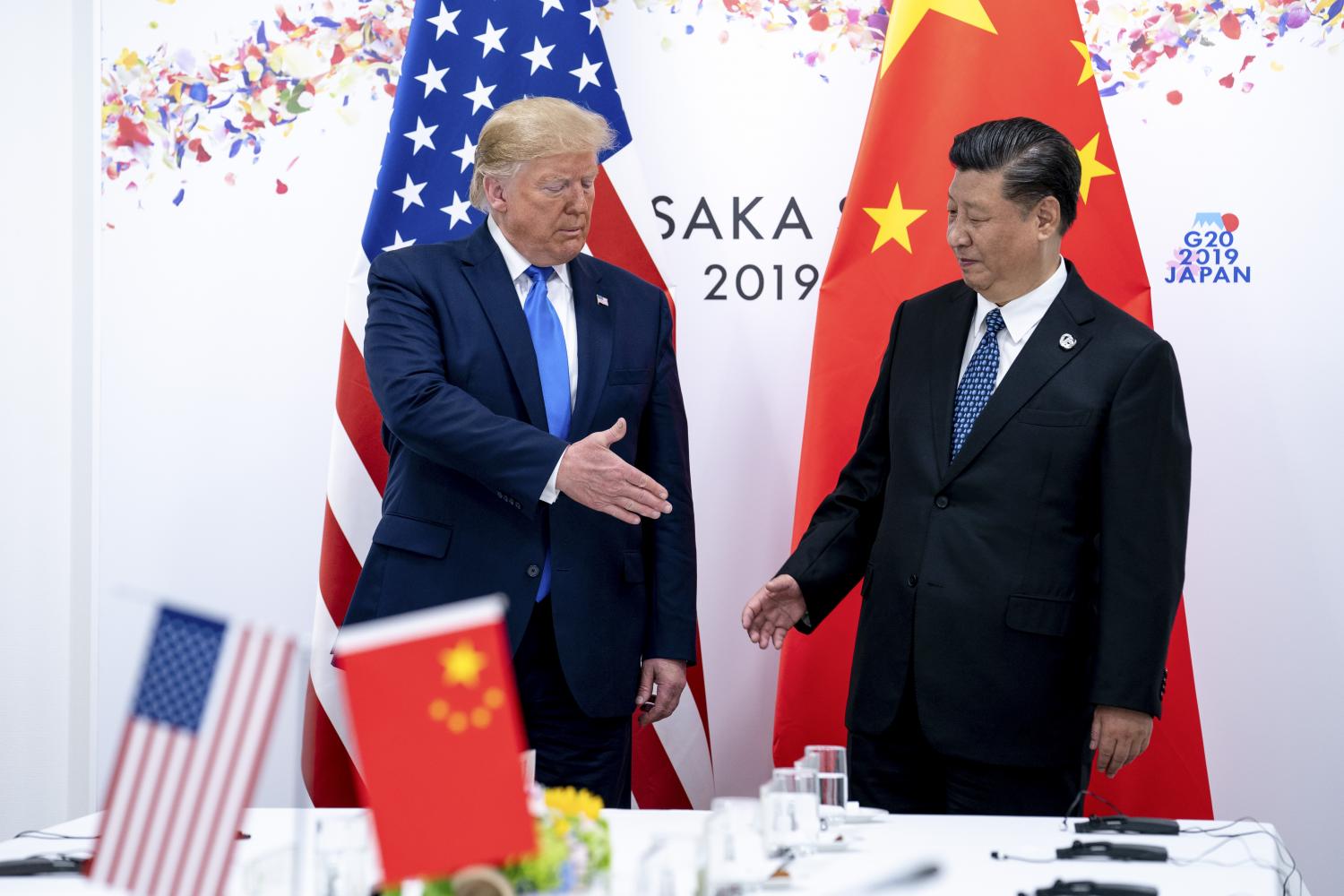
» The rivalry between the United States and China has become the defining contest of the 21st century. Barely two decades ago, Washington and Beijing were partners in prosperity. America's support for China's entry into the World Trade Organization in 2001 epitomised the high-water mark of engagement, reflecting the belief that economic integration would lead to greater political cooperation. Today, that partnership has morphed into suspicion and confrontation. Relations between the United States and China have deteriorated so swiftly that many observers now describe them as locked in a "new Cold War". The more pressing question, however, is not whether this analogy holds, but whether confrontation can be managed short of outright conflict.
New govt may last longer than pledged
Oped, Thitinan Pongsudhirak, Published on 12/09/2025
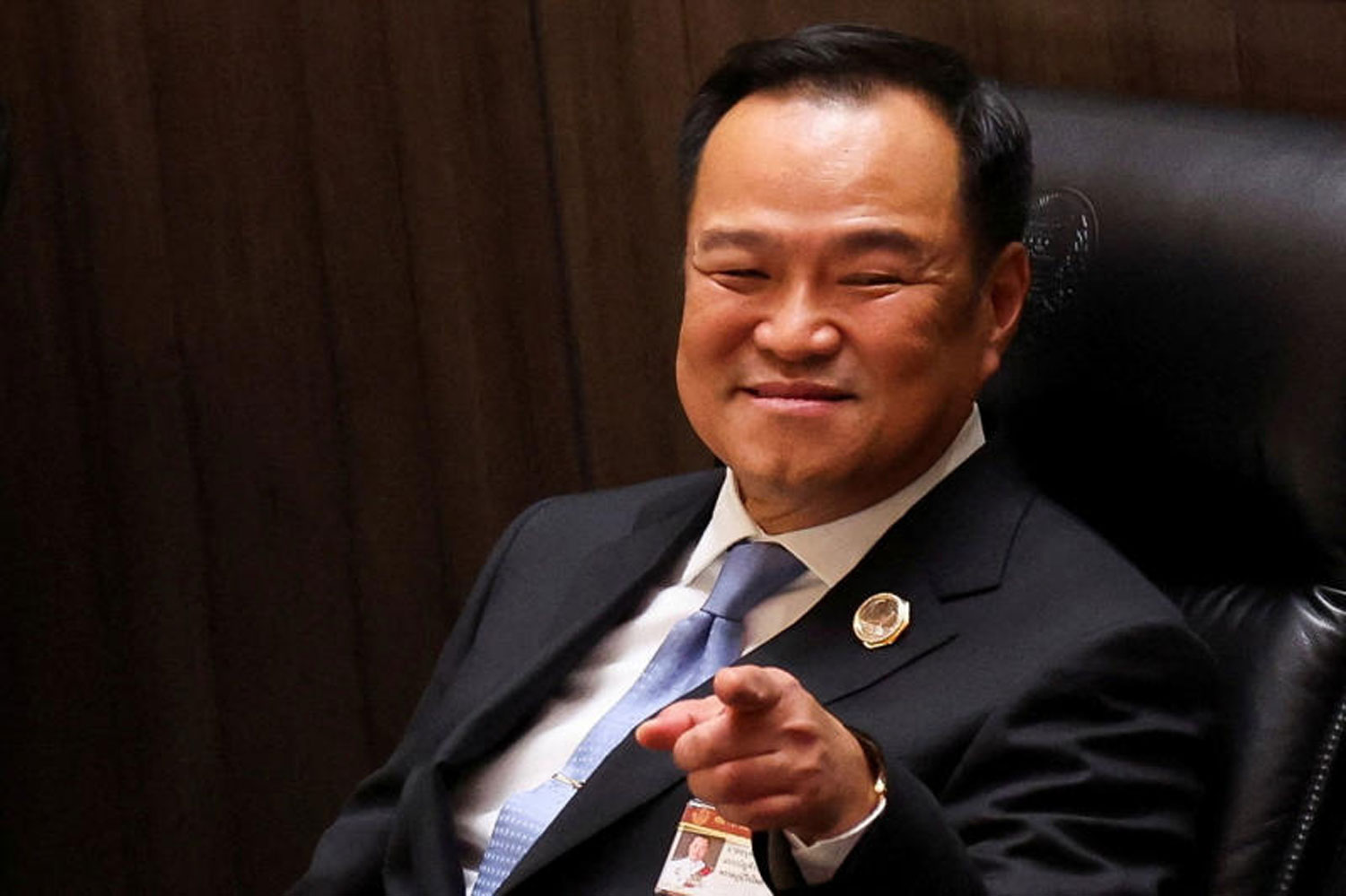
» Thailand's latest round of political tumult reached a culmination when the Constitutional Court removed Paetongtarn Shinawatra of the hitherto ruling Pheu Thai (PT) Party from office on Aug 29, paving the way for Bhumjaithai Party (BJT) leader Anutin Charnvirakul to succeed her as prime minister with the Lower House's majority support a week later.

Thailand needs a geostrategic rebalance
Oped, Thitinan Pongsudhirak, Published on 06/06/2025
» With two military coups and multiple judicial interventions that combined to subvert election results and weaken democratic institutions over the past two decades, it is unsurprising that Thailand's geostrategic position has leaned increasingly towards China. Naturally, the more Thailand becomes autocratic, the more it will be estranged from established democracies in Europe and North America, as well as Japan and South Korea, with nowhere to turn but to Beijing. But this China orientation is a geostrategic mistake at this time. Thailand should correct its course until clearer signs emerge as to which side of the superpower struggle will come out on top.

Remembering a journo like no other
Oped, Thitinan Pongsudhirak, Published on 04/04/2025
» Gwen Robinson was a quintessential journalist who probed for the best scoop and pried for the juiciest gossip, an old-style old hand the likes of which we are unlikely to see again. In the new contentious era of geopolitical conflict and geoeconomic tension underpinned by American economic nationalism, Robinson's journalist craft over more than four decades explaining and linking Asia and the West will be sorely missed.

A Thai view on the Hamas-Israel war
Oped, Thitinan Pongsudhirak, Published on 20/10/2023
» The Palestinians' longstanding and legitimate grievances have been irrevocably subverted by Hamas' brazen attack against Israel on Oct 7. Unlike previous rounds of conflicts and clashes between Israel and the Palestinians on the one hand and neighbouring Arab states on the other, Thailand has become a direct casualty like never before, as 30 Thai workers have been killed to date, with at least 16 injured and 17 taken hostage. As a militant political movement motivated by Islamic fundamentalism using methods of terrorism to achieve its objectives, Hamas has made a bad name for the Palestinian cause, eliciting condemnation and opposition all the way over here in Thailand.

Asean's declining common denominator
Oped, Thitinan Pongsudhirak, Published on 05/03/2021
» Asean is stuck deeper than ever between a rock and a hard place in view of its political impotence in dealing with the Myanmar armed forces' power grab on Feb 1. In an informal meeting online among its foreign ministers earlier this week, Asean not only failed to come up with common ground to broker a way forward away from the mounting bloodshed in Myanmar but displayed fundamental differences that have lowered the organisation's common denominator to new depths. The implications from Asean's sagging stance is that the pushback against Myanmar's military takeover must be carried out mainly by domestic political forces in the absence of regional effectiveness and with the limitations of global sanctions.

Challenges from outside parliament
News, Thitinan Pongsudhirak, Published on 06/03/2020
» While it managed to survive the recent censure debate more comfortably that it had anticipated, Prime Minister Prayut Chan-o-cha's government is now at a new crossroads. While the threat from inside parliament has subsided owing to the opposition's disarray, challenges from outside the legislative chamber, on the streets and in the court of public opinion are likely to intensify.

Concentric Mideast wars and prospects
News, Thitinan Pongsudhirak, Published on 10/01/2020
» Nothing captures attention in an age of media saturation like the talk of war. The recent decision by US President Donald Trump to assassinate a top Iranian official, Quds Force Commander Major General Qassem Soleimani, has conjured up the spectre of a wider conflict encompassing not just the Middle East but the broader world, as Iran's top leaders deemed it "an act of war" and vowed "severe revenge". Although Iran's military and its proxy militias and client states in the Middle East and elsewhere are poised to exact retribution for their loss, we are unlikely to see a world war in the immediate aftermath of this killing.

Thailand's tale told via 'The Nation'
News, Thitinan Pongsudhirak, Published on 28/06/2019
» Nearly five decades ago, The Nation newspaper started out as a pro-democracy, anti-military news organisation. It was fiercely independent and invariably hard-hitting vis-à-vis the powers-that-be. An English-language newspaper owned by Thais from the outset, it prided itself for having neither fear nor favour. Its lamentable expiry as a print newspaper today -- an online version will continue -- provides multiple parallels for Thailand's contemporary political history, ongoing polarisation and the changing nature of the business of journalism worldwide.