



Showing 1 - 6 of 6
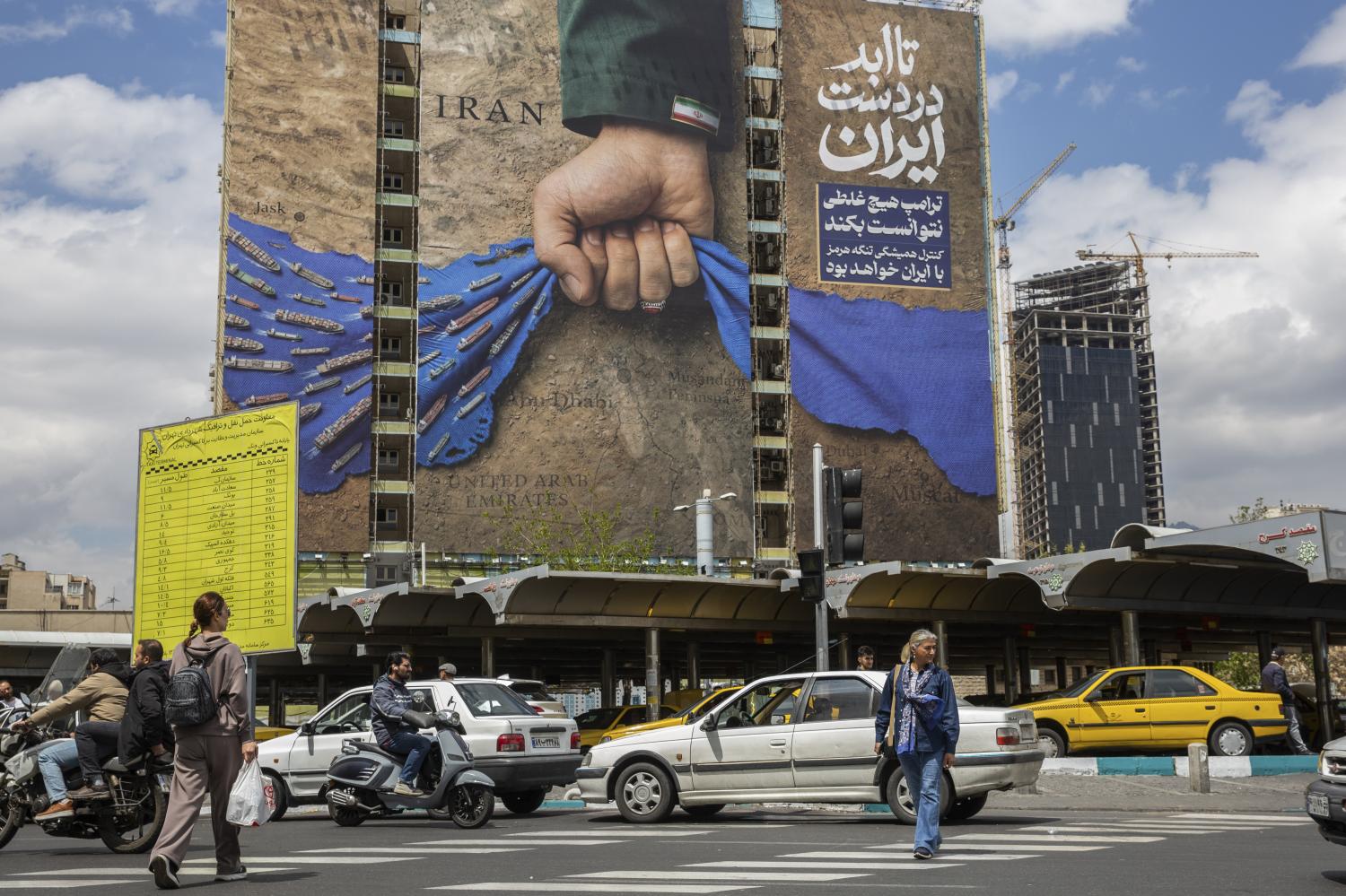
The war and its likely consequences
Oped, Thitinan Pongsudhirak, Published on 17/04/2026
» As the joint attack between the United States and Israel against Iran that resulted in a wider regional conflict in the Middle East approaches its two-month mark, the directions of the war remain precarious while some of the longer-lasting consequences appear evident. Unsurprisingly, the war has been detrimental and damaging for all states and societies concerned, not just within the affected region but the wider world. Already we can start counting some of the long-term costs.

No losers, two winners in Taiwan poll
Oped, Thitinan Pongsudhirak, Published on 26/01/2024
» Among elections in Asia this year, Taiwan's is no less consequential, not just for the island country's political future but also for the United States-China rivalry and broader geopolitics. In the event, the results from the Jan 13 general election in Taiwan ended up with no major losers among the main contenders and two big wins for democracy in Asia and the geopolitical status quo.

Geoeconomics of the US-China tech war
Oped, Thitinan Pongsudhirak, Published on 16/09/2022
» Chinese President Xi Jinping's arrival in Central Asia this week in his first overseas travel in nearly three years is perhaps the most consequential irony of the coronavirus pandemic. As the place where the deadly pandemic began in early 2020, China was the first to swiftly and successfully suppress and contain Covid-19 within weeks, while its counterparts in North America and Europe languished for months under mounting death tolls and hospitalisations.

Global politics in dangerous territory
Oped, Thitinan Pongsudhirak, Published on 02/09/2022
» While Russia's profound and transformational invasion of Ukraine on Feb 24 has fundamentally reshaped and reinforced contentious trends and contours in the geopolitics and geoeconomics of Asia, it did not set out a new direction in world politics. The international system had already been unravelling over the past decade, underpinned by the United States-China geostrategic rivalry and competition. Given deteriorating patterns and trends, the international environment is entering dangerous territory where what seemed unthinkable not long ago may soon appear to be very conceivable indeed.

Where Northeast, Southeast Asia meet
News, Thitinan Pongsudhirak, Published on 13/12/2019
» That the post-Second World War liberal international order is unravelling is no longer in dispute. While there are ongoing issues and challenges about how and to what extent the incumbent rules-based international order that has been so beneficial to so many nations and peoples in their course of economic development can still be maintained, there is broad agreement that the international system as we know it has run its course.

Politics of regional trade liberalisation
News, Thitinan Pongsudhirak, Published on 20/09/2019
» As multilateral trade negotiations have become unworkable, regional and bilateral alternatives are on the rise. In Thailand's neighbourhood, the most consequential of these trade vehicles is the Regional Comprehensive Economic Partnership (RCEP). As it missed the boat on the Comprehensive and Progressive Trans-Pacific Partnership (CPTPP), Thailand as Asean chair this year should finalise the RCEP expeditiously and find a way to accede to the CPTPP in the near future. Although the Thai political situation remains murky and contentious, there is enough domestic policy consensus on low-hanging fruits, such as regional and bilateral trade liberalisation, that should be reaped without further delay.