



Showing 1 - 10 of 10
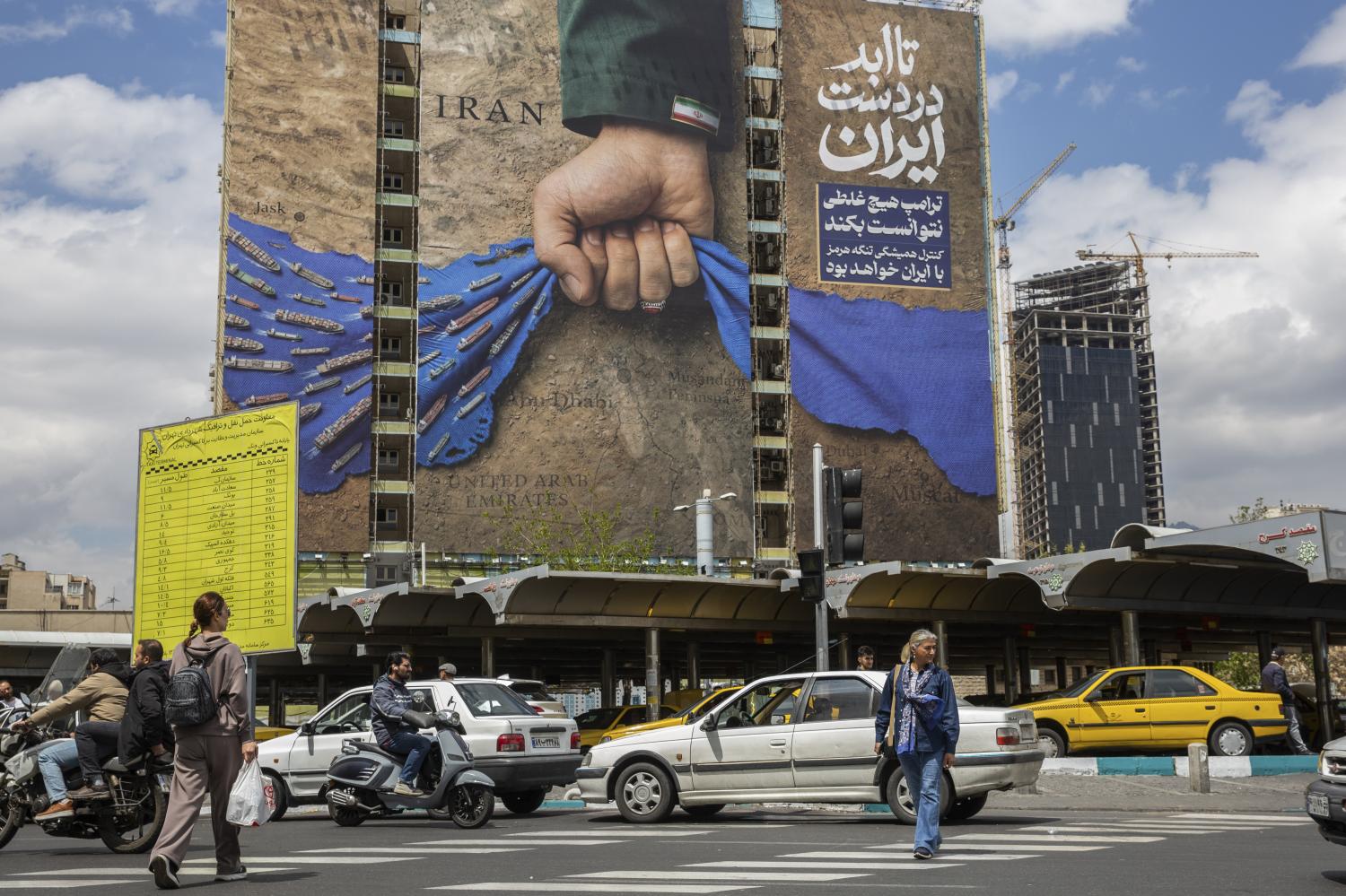
The war and its likely consequences
Oped, Thitinan Pongsudhirak, Published on 17/04/2026
» As the joint attack between the United States and Israel against Iran that resulted in a wider regional conflict in the Middle East approaches its two-month mark, the directions of the war remain precarious while some of the longer-lasting consequences appear evident. Unsurprisingly, the war has been detrimental and damaging for all states and societies concerned, not just within the affected region but the wider world. Already we can start counting some of the long-term costs.
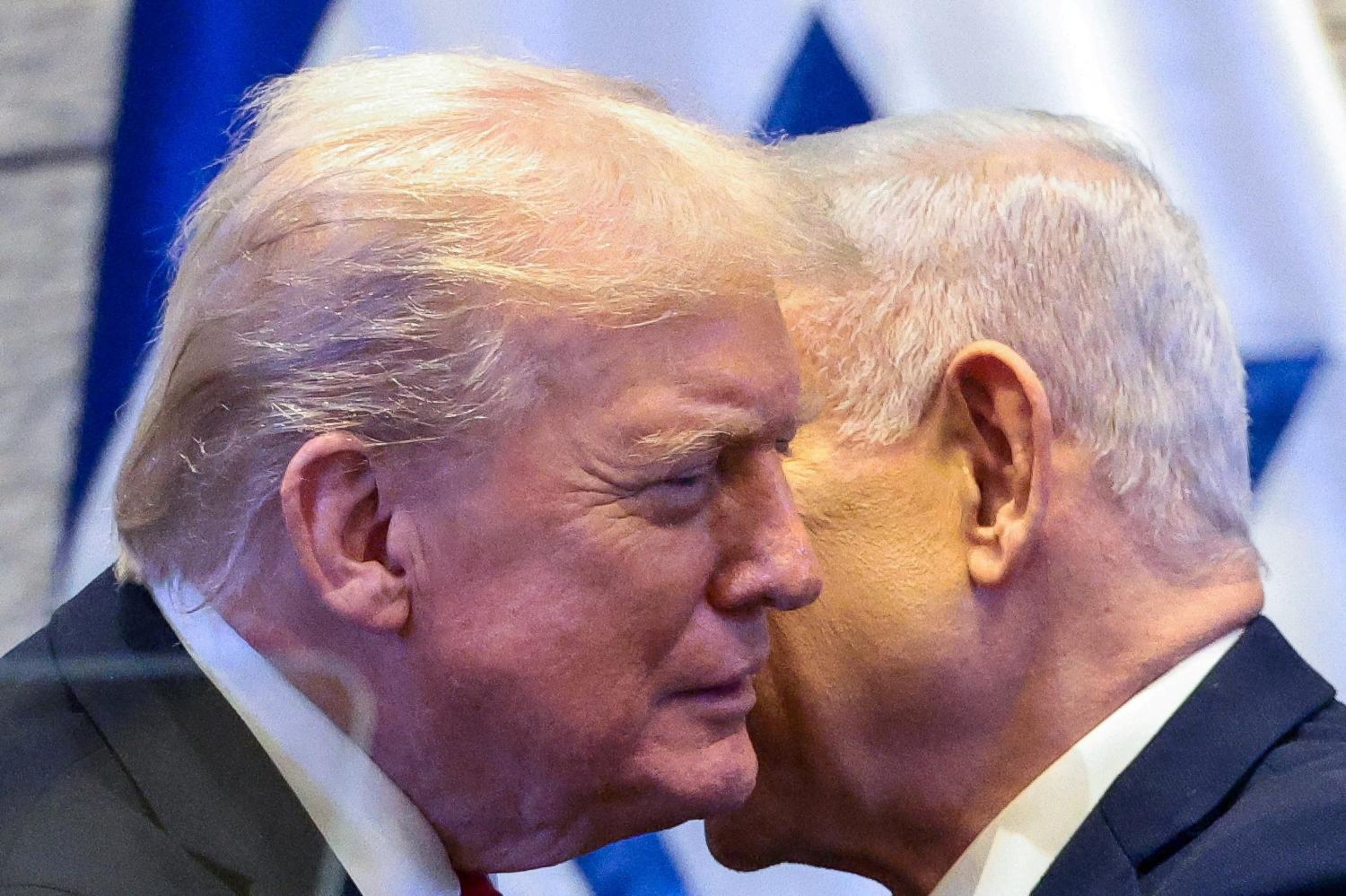
Trump goes off-script, US gone rogue
Oped, Thitinan Pongsudhirak, Published on 27/03/2026
» It was not supposed to work like this. "America First" and "Make America Great Again" (MAGA) were supposed to be about an inward turn to repair, replenish and rebuild an externally overstretched and internally weakened country, weighed down by unnecessary global entanglements, unsustainable national debt, and unimpeded mass migration. It seemed for a time that the MAGA movement to prioritise America above and beyond the international system and its constituent parts had found its final prophet in President Donald J Trump. But now, somehow, President Trump has betrayed the movement that has carried him to office by waging a disastrous war on Iran in cooperation with Israel.
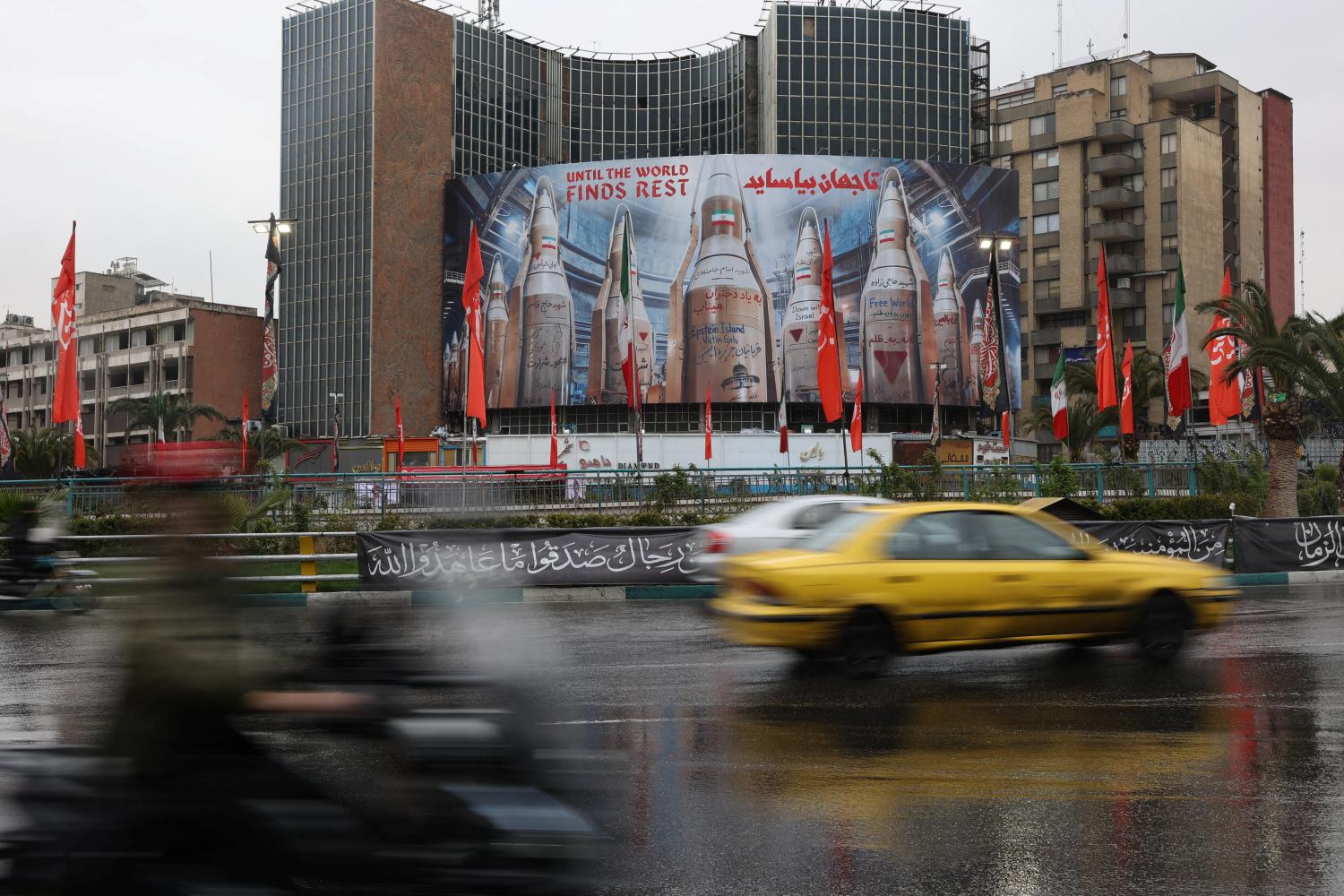
Impacts of Iran war on Southeast Asia
Oped, Thitinan Pongsudhirak, Published on 20/03/2026
» For the most part, Southeast Asia as a region has taken a neutral stance toward the joint attack between the United States and Israel against the Islamic Republic of Iran. Even the Philippines and Thailand, two formal US treaty allies, have distanced themselves, calling for restraint and de-escalation.
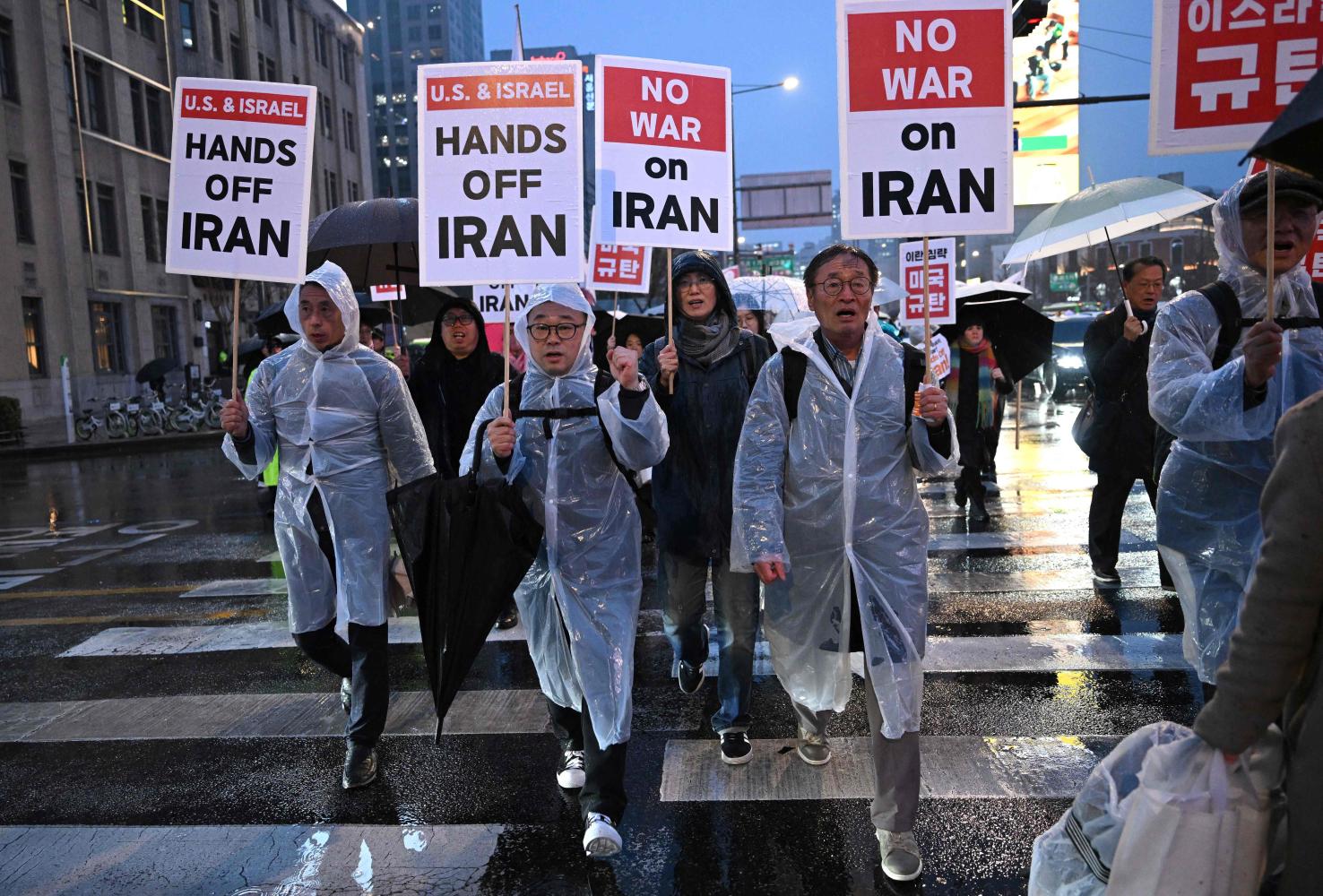
America risks grand folly in Iran war
Oped, Thitinan Pongsudhirak, Published on 06/03/2026
» It is just the first week of the joint attack between the United States and Israel on the Islamic Republic of Iran, but the repercussions from the Middle East for the Indo-Pacific are already discernible.
Digesting Trump's trip through Asia
Oped, Thitinan Pongsudhirak, Published on 07/11/2025
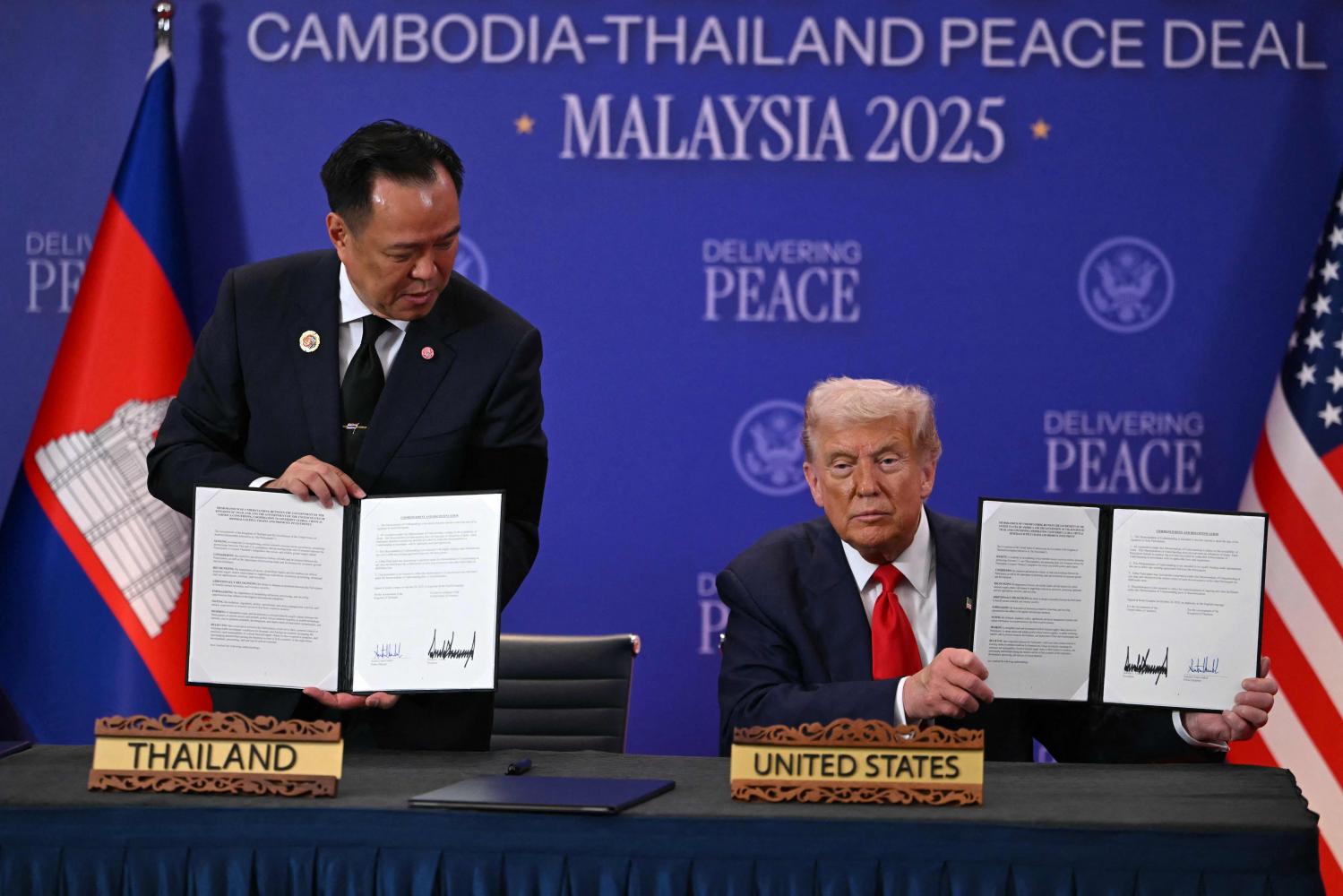
» Storming through Asia last week, US President Donald Trump's first stop in Kuala Lumpur on Oct 26, before moving on to Japan and South Korea over the next four days, capped by his meeting with Chinese President Xi Jinping before returning to Washington, was the most consequential for Southeast Asian economies.

Thaksin's return and 2025 prospects
Oped, Thitinan Pongsudhirak, Published on 03/01/2025
» Thailand's political environment last year was marked by machinations to keep the biggest election winner, the Move Forward Party, from power and to ensure the runner-up, the Pheu Thai Party, leads a coalition government the old guard can put up with. These manoeuvres after the May 2023 poll, initially forced Move Forward into the opposition and ultimately dissolved the party while bringing Thaksin Shinawatra back from self-exile in August 2023 for a perfunctory jail sentence and installing Srettha Thavisin as prime minister over the same period.

The UK moves into a tougher new world
Oped, Thitinan Pongsudhirak, Published on 24/09/2021
» The United Kingdom is on the move. From the "Brexit" referendum result more than five years ago to the recent launch of the Australia-United Kingdom-United States (Aukus) trilateral security partnership, it is unmistakeable that the post-World War II rules-based liberal international order is coming under increasing strain. As the global order unravels, the UK is facing a brave new world that requires calling up its inner strength in ways not seen since its finest battle against tyranny and aggression some 80 years ago. And there are reasons to think the UK will do better than its critics and detractors suggest.

Geopolitical outcomes beyond Covid-19
Oped, Thitinan Pongsudhirak, Published on 15/05/2020
» The coronavirus crisis is on course to significantly reshape and realign the pecking order among nations in geopolitics. Rather than a fundamental shift in patterns and contours, the likely geopolitical outcomes beyond Covid-19 appear to reinforce pre-existing trends and dynamics. As the two competing superpowers, neither the United States nor China will come out of the pandemic period with flying colours.

Prime Minister Prayut's huge little gaffe
News, Thitinan Pongsudhirak, Published on 09/08/2019
» While Thailand's flawed 2017 constitution was bound to run into a fundamental dispute at some point, the sudden and brewing charter crisis facing the government of Prime Minister Prayut Chan-o-cha stems from an unlikely source. During the oath-taking ceremony presided over by Their Majesties on July 16, the Gen Prayut-led cabinet somehow omitted one-third of a statement which was mandated to be read aloud before officially taking office. What should have been a routine constitutional ritual has become a procedural gaffe that has captured national attention, putting government stability at risk and the prime minister's political longevity in doubt.

Belt and Road is China's 'manifest destiny'
News, Thitinan Pongsudhirak, Published on 07/09/2018
» No national project of global reach carries as much stake and attracts as much attention as China's Belt and Road Initiative (BRI). Conceived in 2013, the BRI is the colossal brainchild of President Xi Jinping and his government.