



Showing 1 - 10 of 16

Trump goes off-script, US gone rogue
Oped, Thitinan Pongsudhirak, Published on 27/03/2026
» It was not supposed to work like this. "America First" and "Make America Great Again" (MAGA) were supposed to be about an inward turn to repair, replenish and rebuild an externally overstretched and internally weakened country, weighed down by unnecessary global entanglements, unsustainable national debt, and unimpeded mass migration. It seemed for a time that the MAGA movement to prioritise America above and beyond the international system and its constituent parts had found its final prophet in President Donald J Trump. But now, somehow, President Trump has betrayed the movement that has carried him to office by waging a disastrous war on Iran in cooperation with Israel.
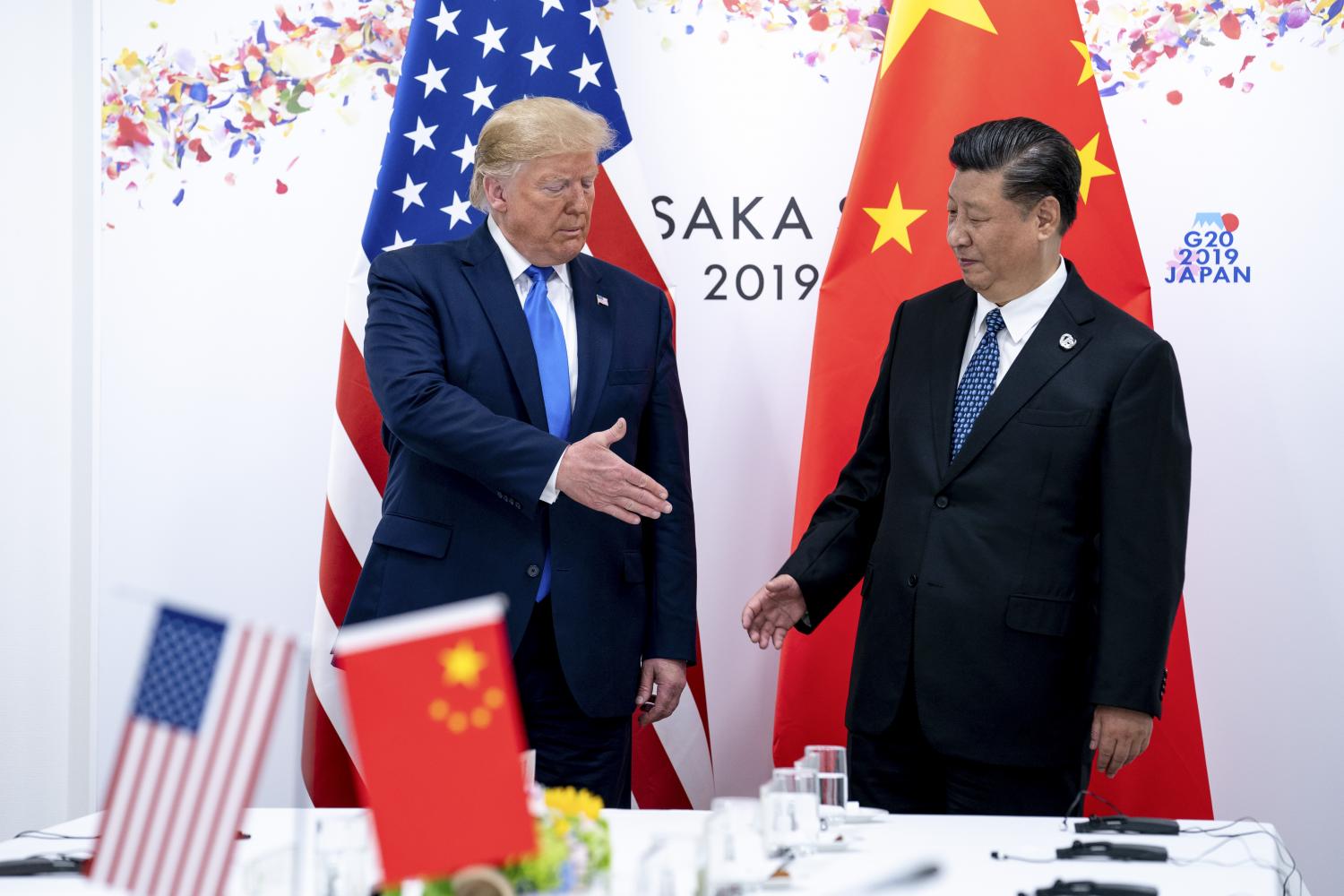
Southeast Asia amid the US-China rift
Oped, Thitinan Pongsudhirak, Published on 03/10/2025
» The rivalry between the United States and China has become the defining contest of the 21st century. Barely two decades ago, Washington and Beijing were partners in prosperity. America's support for China's entry into the World Trade Organization in 2001 epitomised the high-water mark of engagement, reflecting the belief that economic integration would lead to greater political cooperation. Today, that partnership has morphed into suspicion and confrontation. Relations between the United States and China have deteriorated so swiftly that many observers now describe them as locked in a "new Cold War". The more pressing question, however, is not whether this analogy holds, but whether confrontation can be managed short of outright conflict.

Japan's dilemmas need bold answers
Oped, Thitinan Pongsudhirak, Published on 03/11/2023
» Among the big countries vying for power and influence in the fluid and contentious geostrategic arena, Japan faces the most daunting challenges. Most of the recognised major powers in Asia, from China and India to Indonesia and South Korea, are rising and aspiring for bigger roles and grander objectives, while Japan's place in the global pecking order has been in decline. The last time Japan had to confront such an existential threat to its place in the world may have been in the 1860s when the Western powers shook up and threatened to take over the isolated and inward-looking martial society.

Thai sovereignty is not for abuse
Oped, Thitinan Pongsudhirak, Published on 28/10/2022
» Thailand's dramatic and damaging shift in position towards Russia's aggression in Ukraine raises myriad questions with few answers -- none holding any water.

The global leadership India needs
Oped, Thitinan Pongsudhirak, Published on 21/10/2022
» India, like China, takes enormous pride in its civilisation's scale and antiquity -- and rightly so. But such pride can also lead to a complacent and sometimes dangerous insularity. Since gaining independence from the British Empire 75 years ago, India has mostly looked inward, focusing on improving the welfare of its population by building a strong democracy and a healthy economy.

Endgame dynamics in Russia's war
Oped, Thitinan Pongsudhirak, Published on 01/04/2022
» Five weeks into Russia's invasion of Ukraine, the tables are turning dramatically amidst the fog of war. As the Ukrainians have stood their ground better than anticipated, the Russians have been put on the back foot. The centre of gravity in the war now appears to be shifting eastward away from Kyiv towards Crimea and the Donbas region. As endgame discussions emerge, all major parties in the conflict are behoved to arrive at a viable settlement and common denominator without overplaying their hands.

Japan's post-Covid regional dilemma
Oped, Thitinan Pongsudhirak, Published on 21/01/2022
» Among the major powers that are moving forward with an eye on the post-pandemic era, when Covid-19 will eventually become an endemic with flu-like manageability, Japan is second to none. The visit last week by its minister of economy, trade, and industry (METI), Koichi Hagiuda, made front-page news in Bangkok, following similarly notable media coverage in Jakarta and Singapore. But while it has played a critical role in Asean's economic development and regional security, Japan's Indo-Pacific geostrategic environment has become adverse with more downside risks.

Aukus poses challenges to other powers
Oped, Thitinan Pongsudhirak, Published on 15/10/2021
» The Australia-United Kingdom-United States (Aukus) security pact has caused ripple effects across oceans and continents. Not only will the trilateral security partnership provoke China, but it will likely further divide Southeast Asia and overshadow Asean-centred cooperative vehicles, such as the East Asia Summit. Beyond these concerns, the Aukus deal to share Anglo-American nuclear technology to enable Australia's acquisition of eight nuclear-powered submarines over two decades poses challenges to other major powers, particularly the European Union and its key members as well as Japan.

Aukus pact raises geopolitical tensions
Oped, Thitinan Pongsudhirak, Published on 08/10/2021
» In less than a month, the trilateral security partnership among Australia, the United States and the United Kingdom (Aukus) has stolen the thunder from other geostrategic schemes that have been around for over a decade.

The UK moves into a tougher new world
Oped, Thitinan Pongsudhirak, Published on 24/09/2021
» The United Kingdom is on the move. From the "Brexit" referendum result more than five years ago to the recent launch of the Australia-United Kingdom-United States (Aukus) trilateral security partnership, it is unmistakeable that the post-World War II rules-based liberal international order is coming under increasing strain. As the global order unravels, the UK is facing a brave new world that requires calling up its inner strength in ways not seen since its finest battle against tyranny and aggression some 80 years ago. And there are reasons to think the UK will do better than its critics and detractors suggest.