



Showing 1 - 10 of 14
Thailand hit by a confluence of crises
Oped, Thitinan Pongsudhirak, Published on 05/12/2025
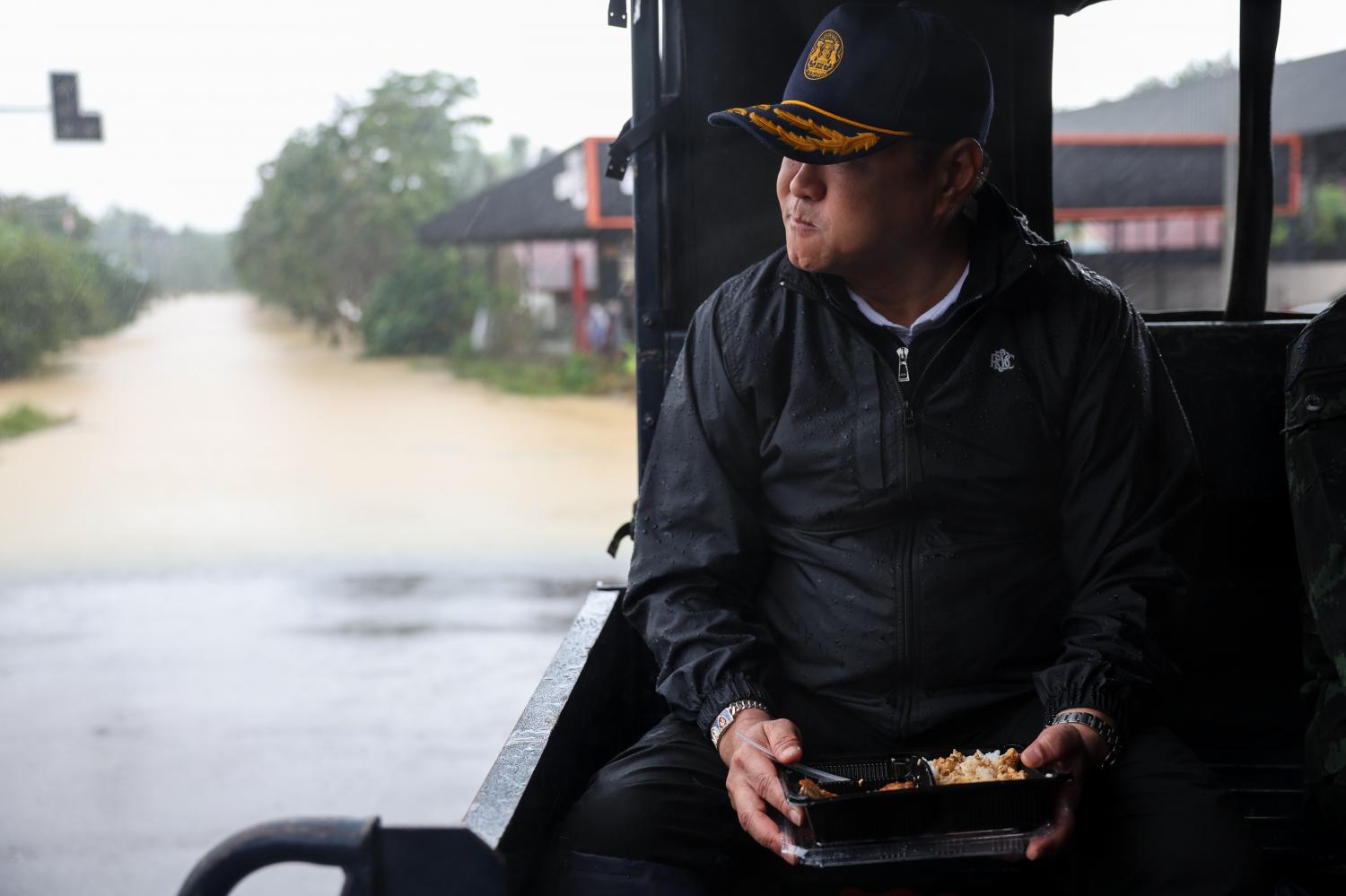
» Thailand is currently facing multiple crises of unprecedented proportions in the highest corridors of power that will pose adversity for the economy and political stability next year and beyond.
No-confidence and poll date in flux
Oped, Thitinan Pongsudhirak, Published on 14/11/2025
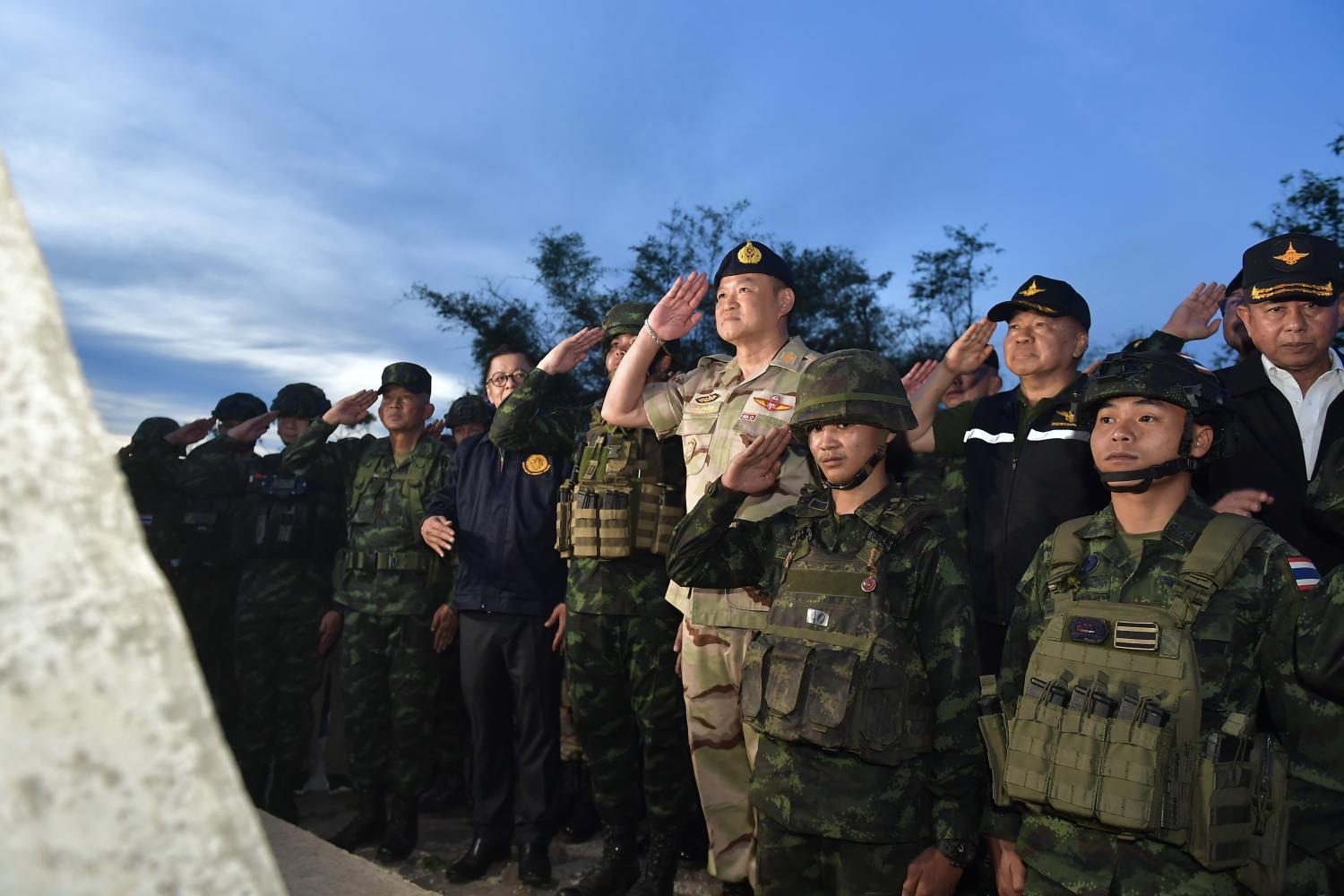
» Amid the drumbeats of military conflict with Cambodia, Thailand's political environment is evidently unruly and unsettled. The minority government of Anutin Charnvirakul, the third prime minister from the third largest-winning party since the latest national election in May 2023, is hard-pressed to stay in office beyond the four-month "Memorandum of Agreement" between his Bhumjaithai Party (BJT) and the People's Party (PP), the largest camp in the national assembly.

Thai sovereignty is not for abuse
Oped, Thitinan Pongsudhirak, Published on 28/10/2022
» Thailand's dramatic and damaging shift in position towards Russia's aggression in Ukraine raises myriad questions with few answers -- none holding any water.

Early implications of Russia's invasion
Oped, Thitinan Pongsudhirak, Published on 04/03/2022
» Just one week after his military invasion of Ukraine, Russian President Vladimir Putin has found some truisms of warfare the hard way. Once war starts, the fog that accompanies it and the friction that it creates lead to unanticipated and unintended outcomes. Russia's war of aggression against Ukraine, borne out of choice rather than necessity, appears to be dragging on, not the short and swift victory Mr Putin and his military planners might have envisaged. While Russia may still triumph on Ukrainian battlefields, it has lost the war just about everywhere else.

Myanmar: From diplomacy to force
Oped, Thitinan Pongsudhirak, Published on 30/04/2021
» At its recent "special" summit in Jakarta on Myanmar's crisis, Asean reached its diplomatic maximum by coming up with a "five-point consensus" that will likely prove too little and too slow. Constrained by consensus and its non-interference principle where any of its 10 members has a virtual veto, Asean's overdue response to Myanmar's fast-escalating violence on the ground is likely to prove ineffective. As Asean's diplomacy faces limitations, more of Myanmar's outcomes are likely to be decided by the use of force in an intensifying civil war.

Myanmar takes lead in autocratic race
Oped, Thitinan Pongsudhirak, Published on 12/03/2021
» In the aftermath of the military coup on Feb 1, Myanmar's armed forces have evidently taken the lead in Southeast Asia's authoritarian race to the bottom. For its speed and depth of reversal from a fragile democracy to a hard dictatorship within six weeks, Myanmar currently ranks top among developing states worldwide. At stake now is not just Myanmar's political future and the well-being of its people but the fate of developing democracies elsewhere.

Myanmar coup: Asean's new fault line
Oped, Thitinan Pongsudhirak, Published on 26/02/2021
» Already geopolitically divided by China's regional assertiveness, Asean is now facing a new fault line from Myanmar's recent military coup. Just like its divergent views toward China, Asean's mixed preferences toward the Myanmar armed forces' abrupt seizure of power on Feb 1 threaten to further weaken Southeast Asia's 10-member grouping and marginalise its role as the central organising vehicle for regional peace and stability.

Who's culpable for Myanmar's coup?
Oped, Thitinan Pongsudhirak, Published on 12/02/2021
» When Myanmar's armed forces, known as the Tatmadaw, staged a military coup on Feb 1, reactions inside the country and outside were noticeably different. As the coup effectively disenfranchised millions of voters who chose hitherto State Counsellor Aung San Suu Kyi and her National League for Democracy (NLD) party in a landslide victory on Nov 8, public anger inside the country was immediate and conspicuous just as Myanmar's newly elected parliament was about to convene. Many outside observers, however, were more guarded and hedged, portraying the cause of the coup as more qualified and nuanced. How the coup came about has become a bone of contention that will have much to say about the post-coup dynamics and outcomes.

Abe legacy is Japan as 'normal' nation
Oped, Thitinan Pongsudhirak, Published on 04/09/2020
» Japan's outgoing Prime Minister Shinzo Abe will be missed throughout much of Asia, including China. His health-induced political departure attributable to a recurrence of ulcerative colitis brings to an end Japan's longest-serving prime minister in a consecutive tenure. While much will be recorded about his rich legacy, Mr Abe should be seen as a natural mover and shaker who reshaped Japan into a more "normal" country able to pursue its national interest like others by all available means.
Give parliamentary politics a chance
News, Thitinan Pongsudhirak, Published on 26/07/2019
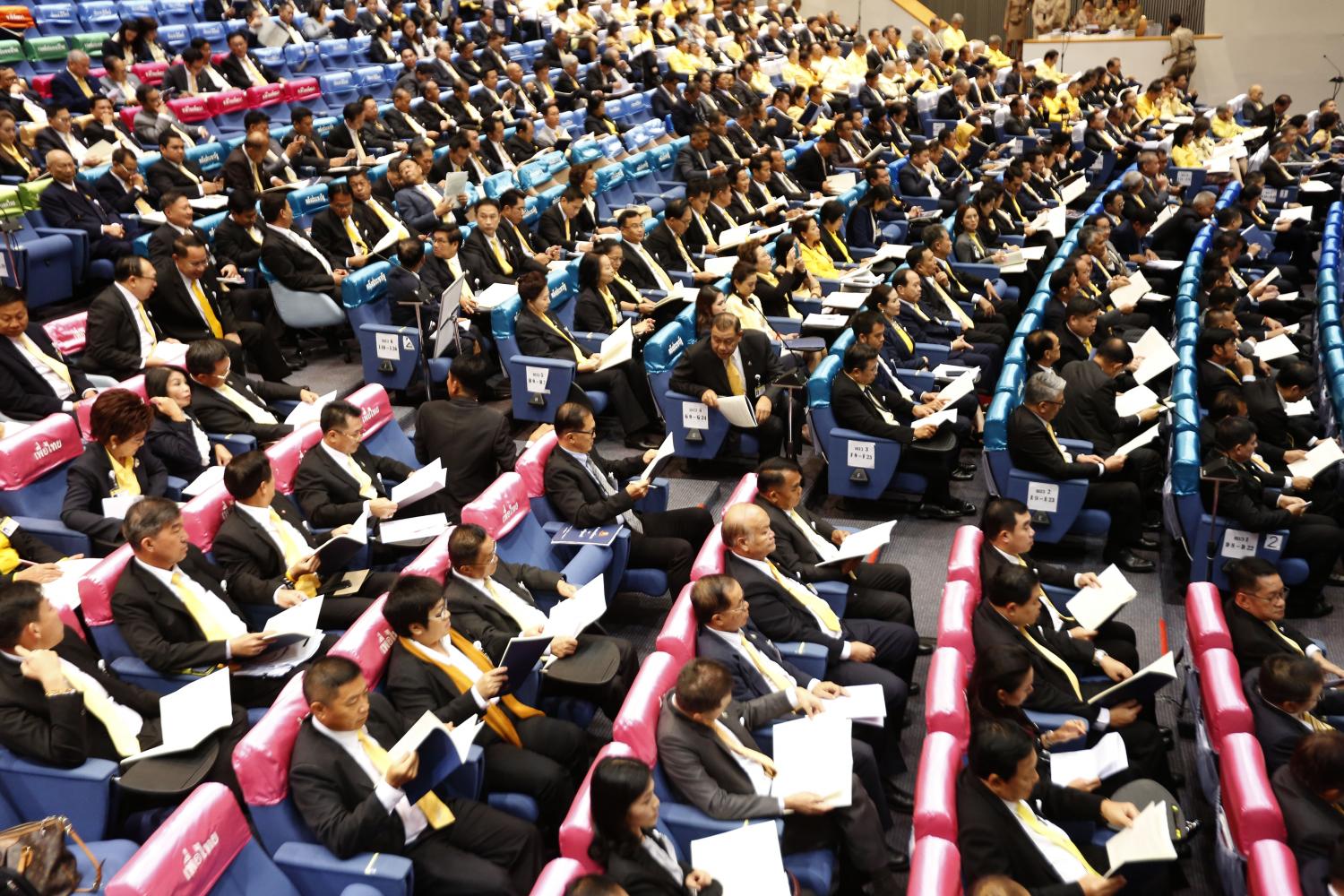
» After a five-year hiatus, parliamentary politics returns this week with a constitutionally mandated policy statement by the coalition government of Prime Minister Prayut Chan-o-cha. With government and opposition back at work again, in contrast to the previous military-appointed rubber-stamp legislature under junta rule, Thailand has yet another small window of opportunity to regain and rebuild popular rule.